
Hibachi vs teriyaki is a common comparison for anyone exploring Japanese-inspired cooking, but the two have different culinary meanings. Hibachi generally refers to high-heat cooking that creates seared, browned edges, while teriyaki is known for a glossy, savory-sweet glaze traditionally made with ingredients such as soy sauce, sake, and mirin.
In this guide, you’ll learn how these approaches differ in cooking techniques, ingredients, flavor, texture, and meal pairings. You’ll also discover how to choose the right style for chicken, beef, shrimp, or vegetables and use simple techniques to prepare flavorful meals at home.
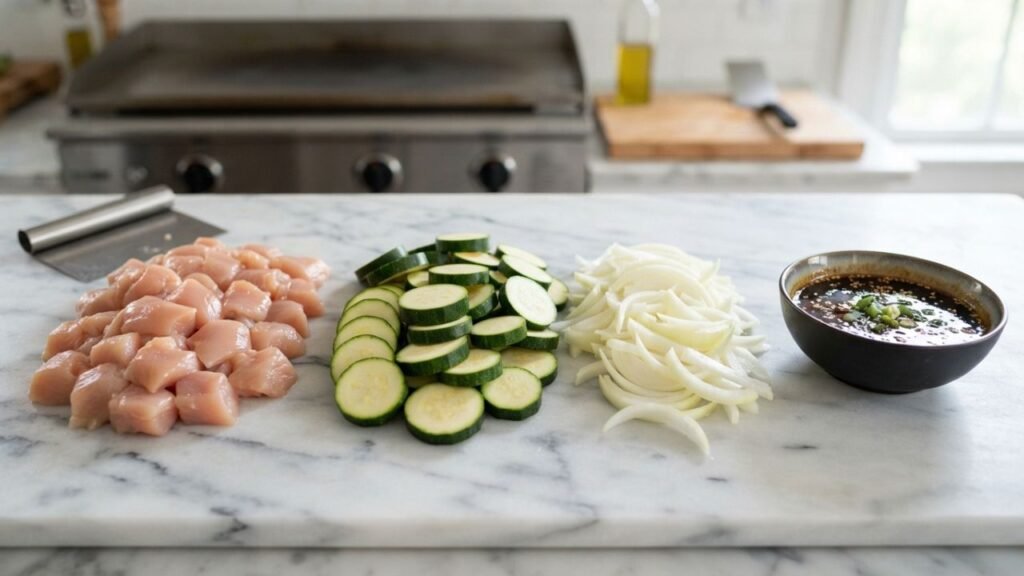
What Is Hibachi vs Teriyaki?
Hibachi and teriyaki describe different parts of Japanese-inspired cooking. Hibachi focuses on high-heat cooking that creates browned, seared surfaces, while teriyaki refers to a savory-sweet glaze used to coat foods. The two styles can also be combined, such as seared chicken or vegetables finished with teriyaki sauce.
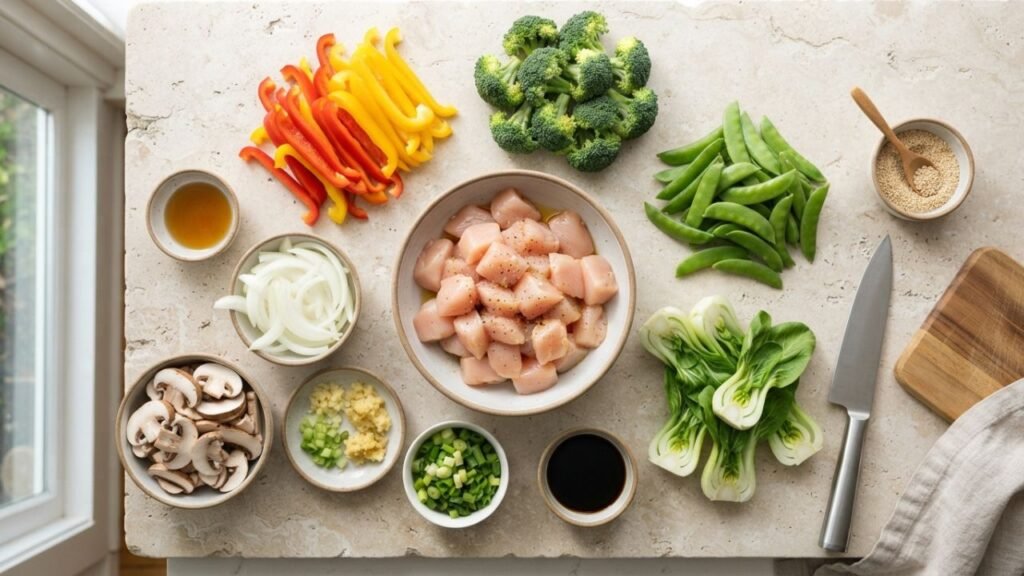
Ingredients Guide for Hibachi vs Teriyaki
For 2 servings:
- Chicken, beef, shrimp, or firm tofu: 12 oz (340 g)
- Mixed vegetables: 2 cups
- Soy sauce: 2 tbsp
- Mirin: 1 tbsp
- Sake: 1 tbsp
- Sugar: 1 tsp
- Fresh ginger: 1 tsp, grated
- Garlic: 1 tsp, minced
- Neutral oil: 1 tbsp
- Black pepper: ½ tsp
- Cooked rice: 2 cups
Ingredient Alternatives
| Ingredient | Alternative |
|---|---|
| Chicken | Beef, shrimp, or firm tofu |
| Mirin | 1 tsp sugar + 1 tbsp rice vinegar |
| Sake | Water or dry cooking wine |
| Soy sauce | Reduced-sodium soy sauce or tamari |
| Sugar | Honey |
| Fresh ginger | ½ tsp ground ginger |
| Mixed vegetables | Zucchini, mushrooms, onions, broccoli, or carrots |
| Neutral oil | Canola or vegetable oil |
| Cooked rice | Noodles |
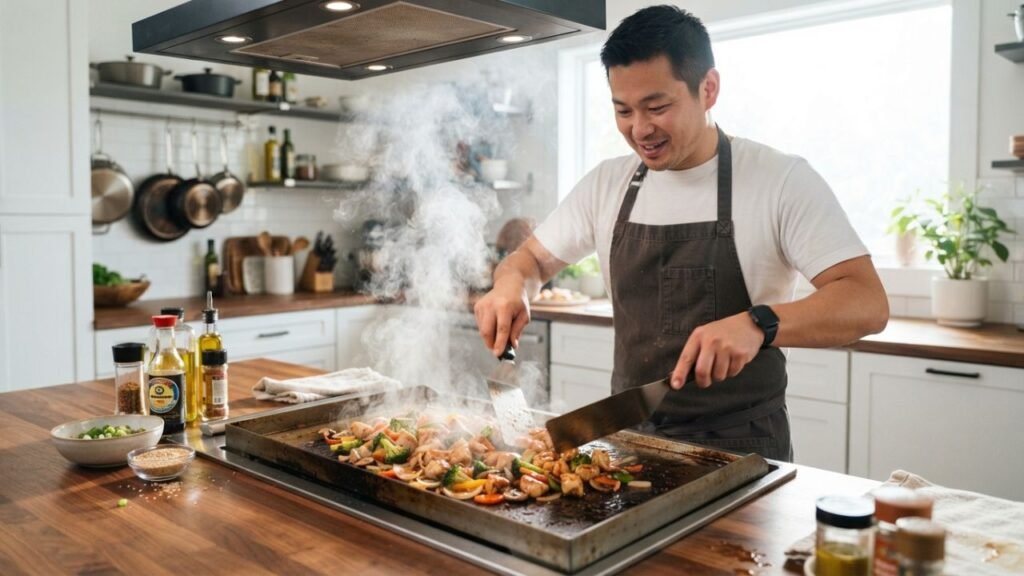
Directions
Step 1
Cut the protein and vegetables into small, evenly sized pieces so they cook evenly. Pat the pieces dry with a paper towel to help them brown properly. For safe preparation when working with raw meat and seafood, follow the USDA’s official website of the United States government redirect on blog Keep Food Safe! Food Safety Basics.
Step 2
Heat a large skillet or cast-iron pan over high heat. Add 1 tbsp neutral oil once the pan is hot and ready for cooking.
Step 3
Add the protein in a single layer and cook until browned and properly cooked. Remove it from the pan if needed to prevent overcooking while the vegetables cook.
Step 4
Add the vegetables, starting with firmer options such as carrots or broccoli, followed by zucchini, mushrooms, or onions. Cook until lightly browned but still slightly crisp.
Step 5
Return the protein to the pan and add 2 tbsp soy sauce, 1 tsp garlic, 1 tsp ginger, and ½ tsp black pepper. For a teriyaki-style finish, add 1 tbsp mirin, 1 tbsp sake, and 1 tsp sugar, then toss until the sauce becomes glossy.
Step 6
Serve the finished protein and vegetables with warm rice. Add sliced green onion or sesame seeds for a simple finishing touch.
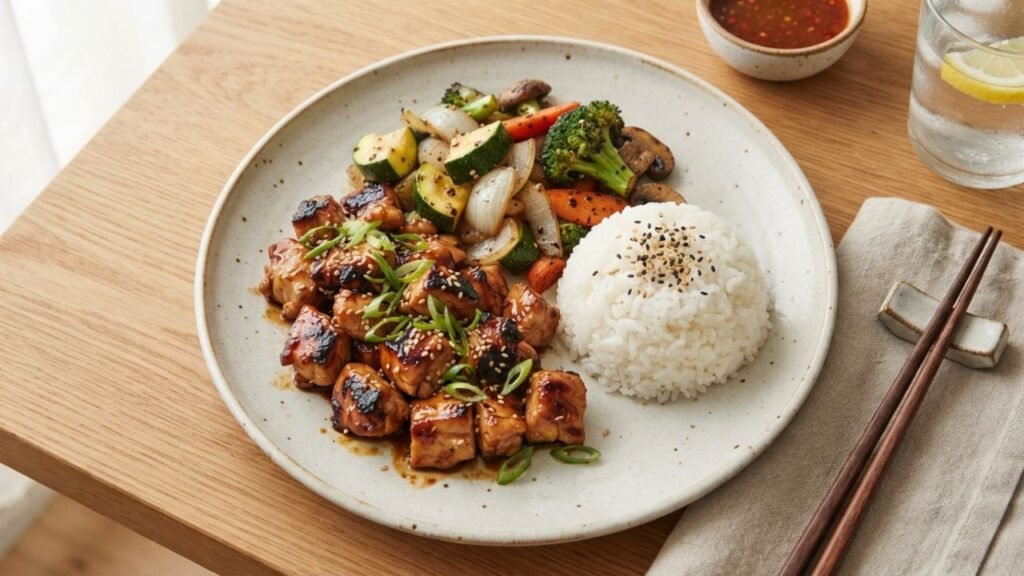
Serving Suggestions for Hibachi vs Teriyaki
| Style | Serving Idea |
|---|---|
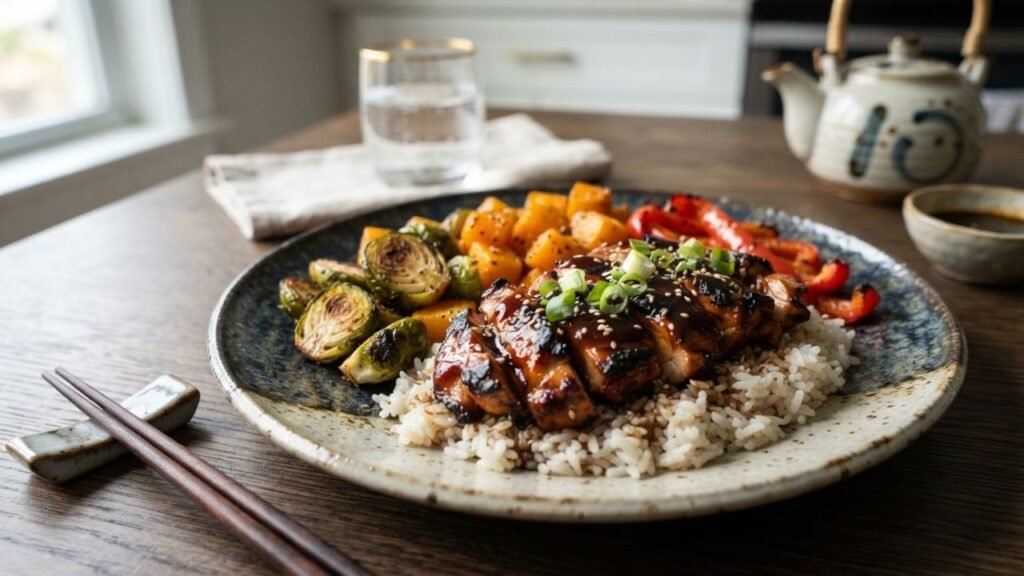
| Hibachi | Serve with steamed or fried rice, noodles, and a fresh cucumber salad. |
| Teriyaki | Pair with plain rice, which helps balance and absorb the savory-sweet sauce. |
| Plating | Arrange rice, protein, and vegetables separately, then add a light amount of sauce. |
| Group Serving | Keep sauces and sides separate so everyone can choose their preferred combination. |
Seasonal or Occasion Variations
Leftovers: Add leftover chicken, beef, or vegetables to rice bowls, noodles, lettuce wraps, or stir-fries.
Spring & Summer: Use zucchini, asparagus, snap peas, bell peppers, mushrooms, or lighter proteins like shrimp and salmon.
Fall & Winter: Choose broccoli, carrots, cabbage, and mushrooms, served with warm rice and extra ginger or garlic.
Holidays: Use seasonal vegetables and serve the meal family-style with a lightly sweetened sauce.
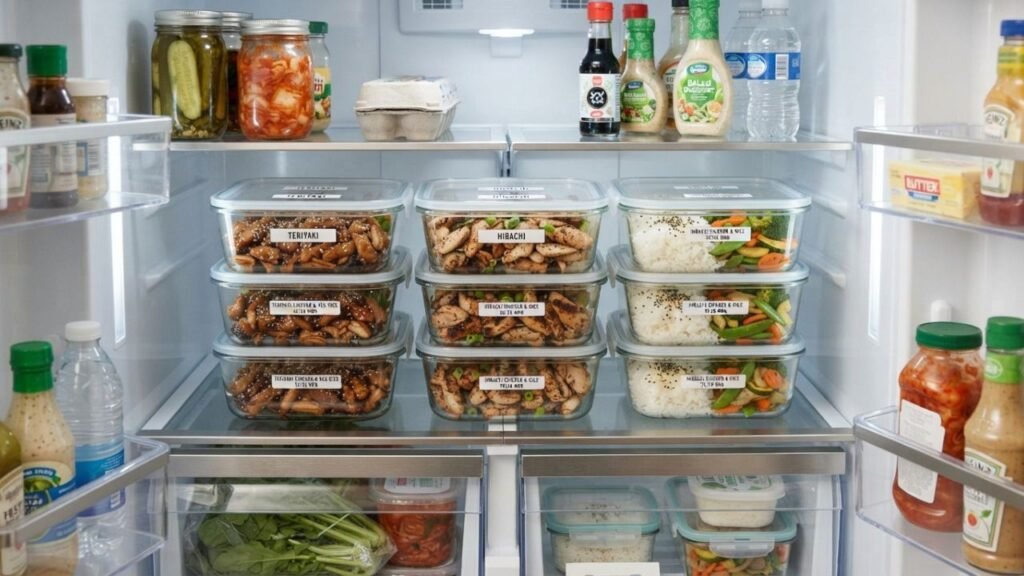
Casual Meals: Prepare ingredients ahead and cook in batches for easier serving.
Storage & Reheating Tips
Food Safety: Reheat until thoroughly hot and avoid repeatedly cooling and reheating the same portion.
Refrigerating: Store cooked protein, vegetables, and rice in shallow, airtight containers within two hours of cooking.
Storage Time: Use refrigerated leftovers within 3–4 days for best quality.
Freezing: Freeze cooked protein, vegetables, and rice in separate freezer-safe portions and thaw in the refrigerator.
Reheating: Reheat in a skillet with a splash of water, or use a microwave in short intervals while stirring. For additional guidance on storing and reheating leftovers safely, follow the USDA’s Leftovers and Food Safety.
Common Mistakes to Avoid
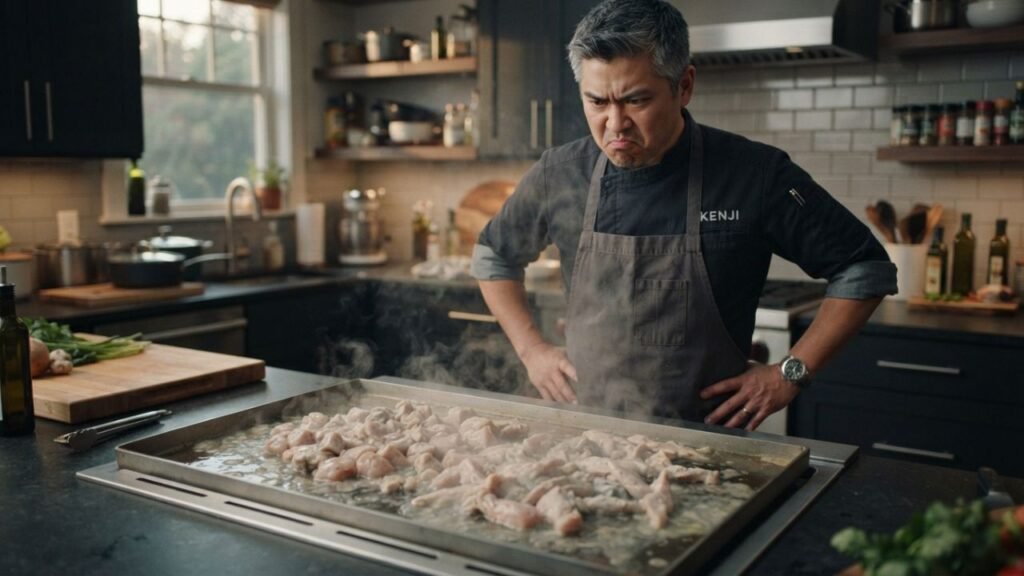
Hibachi-style cooking can lose its signature seared texture when vegetables release too much water into the pan. Adding teriyaki sauce before the protein and vegetables are properly browned can also make the surface sticky instead of nicely glazed. Another mistake is treating every ingredient the same, since shrimp, beef, chicken, and vegetables need different cooking times. Keeping the pan hot, ingredients dry, and sauce for the finishing stage helps maintain better texture and flavor.
Frequently Asked Questions
1. Is hibachi the same as teriyaki?
No. Hibachi generally refers to a cooking style or, in traditional usage, a charcoal-heated cooking vessel, while teriyaki refers to a Japanese cooking method and a characteristic sweet-savory glaze.
2. Does hibachi food always use teriyaki sauce?
No. Hibachi-style food can be seasoned with soy sauce, garlic, ginger, butter, pepper, and other seasonings without using teriyaki sauce.
3. Is teriyaki sauce sweet?
Traditional teriyaki has a balance of savory and sweet flavors. The sweetness can vary depending on the amount of mirin or sugar used in the preparation.
4. Can I make hibachi-style food without a griddle?
Yes. A large skillet, cast-iron pan, or wok can produce good results. The important factors are high heat, dry ingredients, enough pan space, and quick cooking.
5. Which is better for chicken, hibachi or teriyaki?
It depends on the flavor you want. Hibachi-style chicken highlights browned, savory flavors, while teriyaki chicken has a more noticeable sweet-salty glaze.
6. Can I make teriyaki without mirin?
Yes. A home-style sauce can be made with soy sauce, sugar, and a small amount of rice vinegar. The flavor will differ from traditional teriyaki, but it can still work well for everyday cooking.
Conclusion
Hibachi vs teriyaki offer two different ways to create flavorful Japanese-inspired meals. Hibachi focuses on high-heat cooking and browned surfaces, while teriyaki adds a savory-sweet glaze that works well with chicken, beef, shrimp, and vegetables.
For a simple home meal, choose the style based on the flavor and texture you want, then pair it with rice, noodles, or fresh vegetables for a balanced plate..