
Ama ebi, often called sweet shrimp, is a delicate Japanese seafood ingredient known for its naturally sweet flavor and tender texture. It is traditionally enjoyed in sushi and sashimi, but it can also be prepared at home as a simple and flavorful seafood dish. Its mild taste makes it easy to pair with fresh ingredients and light seasonings.
In this guide, you’ll learn how to prepare ama ebi for a fresh Japanese-style meal, from selecting quality shrimp and balancing simple flavors to preparing and serving it with rice and vegetables.
What Is Ama Ebi?
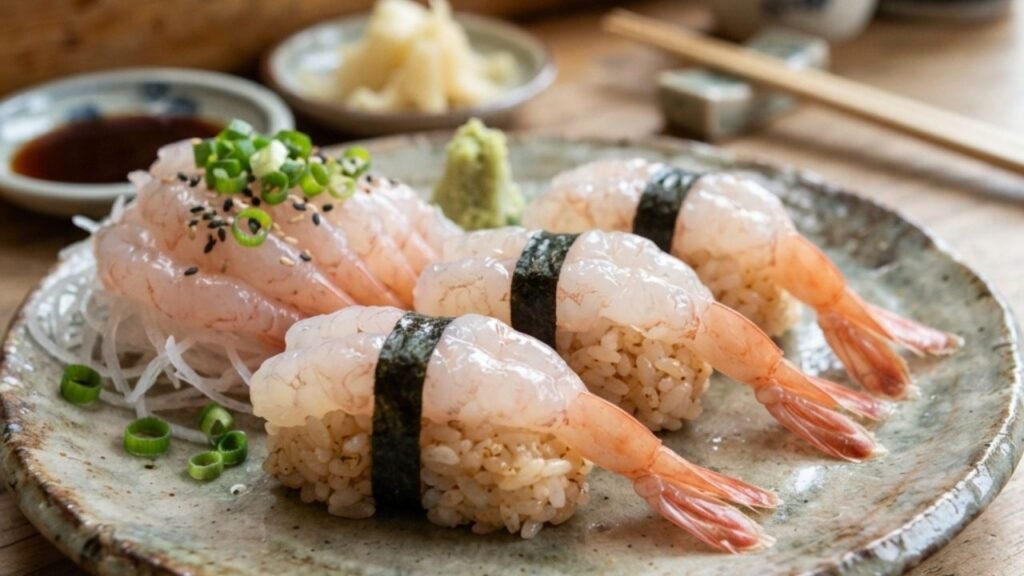
Ama ebi is a Japanese sweet shrimp known for its soft bite, subtle sweetness, and delicate seafood flavor. This shrimp is a popular choice for dishes where a light and refined taste is preferred. Its naturally tender texture gives ama ebi a distinctive place among Japanese seafood ingredients. It can also be used in simple home recipes where the shrimp remains the main focus.
| Prep Time | Cook Time | Total Time | Servings |
|---|---|---|---|
| 10 minutes | 5 minutes | 15 minutes | 2 people |
Ingredients Guide for an Ama Ebi Meal
Main Ingredients
For 2 servings:
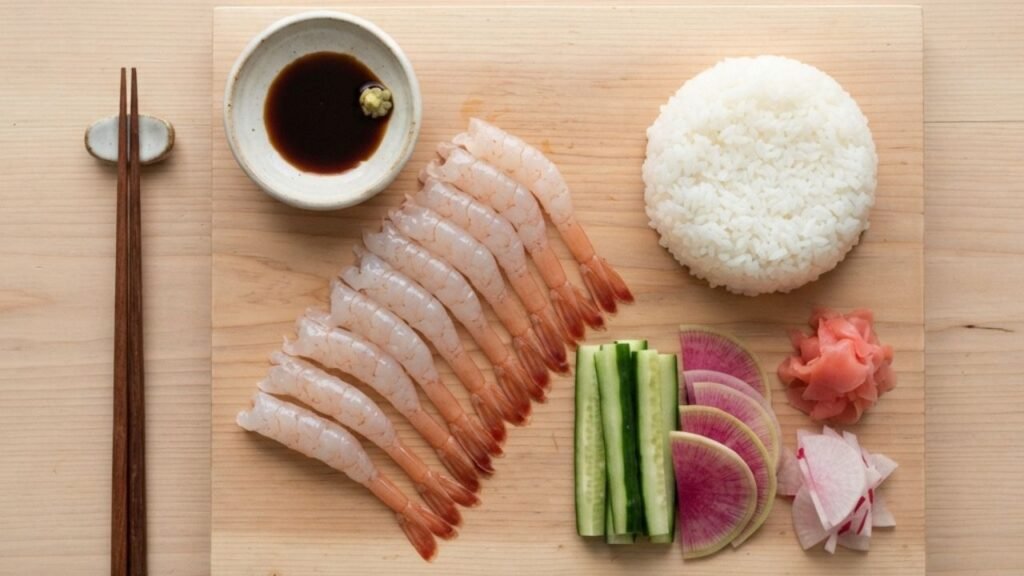
- Ama ebi: 8 oz (225 g)
- Soy sauce: 1 tbsp
- Citrus juice: 1 tbsp
- Fresh ginger: 1 tsp
- Neutral oil: 1 tbsp
- Green onion: 2 tbsp
- Japanese rice: 1 cup uncooked
- Cucumber: ½ cup
- Mushrooms: ½ cup
Easy Substitutions
| Ingredient | Alternative |
|---|---|
| Ama ebi | Small shrimp |
| Soy sauce | Tamari |
| Citrus juice | Lemon juice |
| Fresh ginger | ½ tsp ground ginger |
| Green onion | Chives |
| Japanese rice | Short-grain rice |
| Mushrooms | Cabbage |
Directions
Step 1
Thaw 8 oz (225 g) ama ebi safely and pat the shrimp dry. Remove any unwanted parts before cooking and keep the raw shrimp separate from other ingredients. For safe seafood handling, follow the FDA’s Selecting and Serving Fresh and Frozen Seafood Safely.
Step 2
In a small bowl, mix 1 tbsp soy sauce, 1 tbsp citrus juice, and 1 tsp grated ginger to make a light, balanced sauce.
Step 3
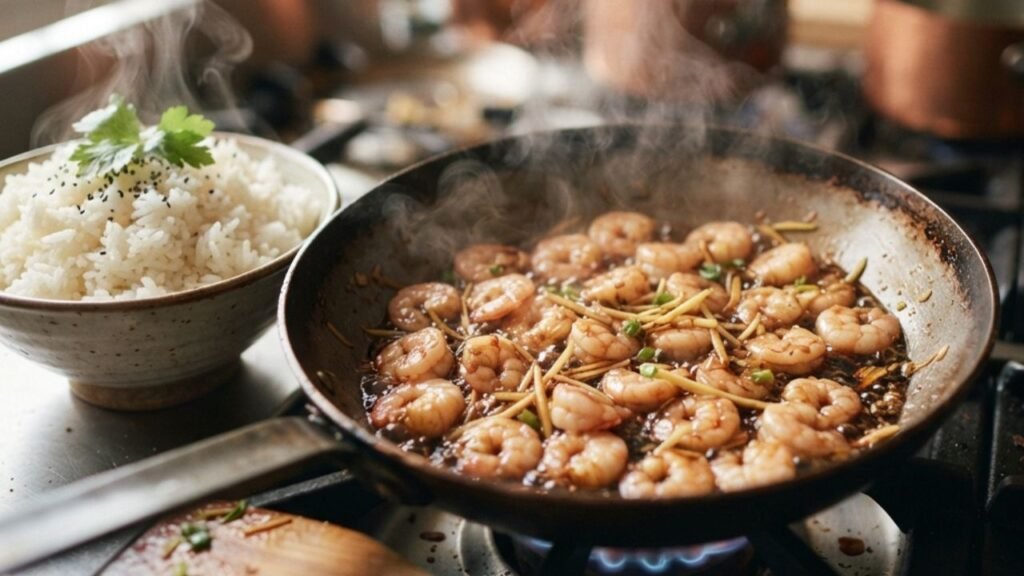
Heat 1 tbsp neutral oil in a skillet over medium-high heat. Cook the shrimp briefly on both sides until opaque and tender, then add the sauce and toss gently.
Step 4
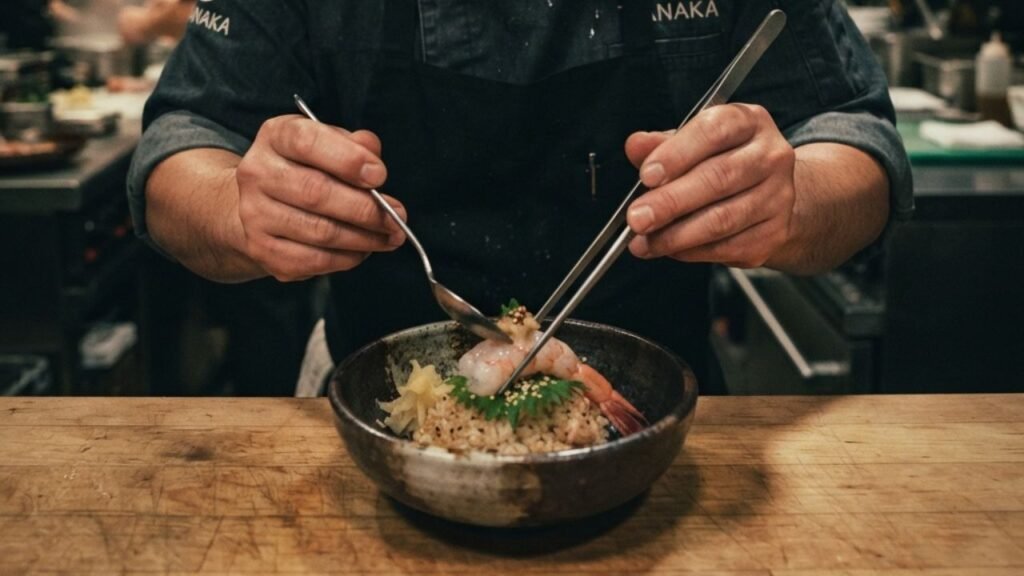
Serve the cooked ama ebi over warm Japanese-style rice with cucumber, mushrooms, or other vegetables. Finish with sliced green onion and a little citrus before serving.
Meal Serving Ideas
| Serving Style | What to Serve |
|---|---|
| Rice Bowl | Ama ebi with steamed rice, cucumber, green onion, and ginger-soy sauce. |
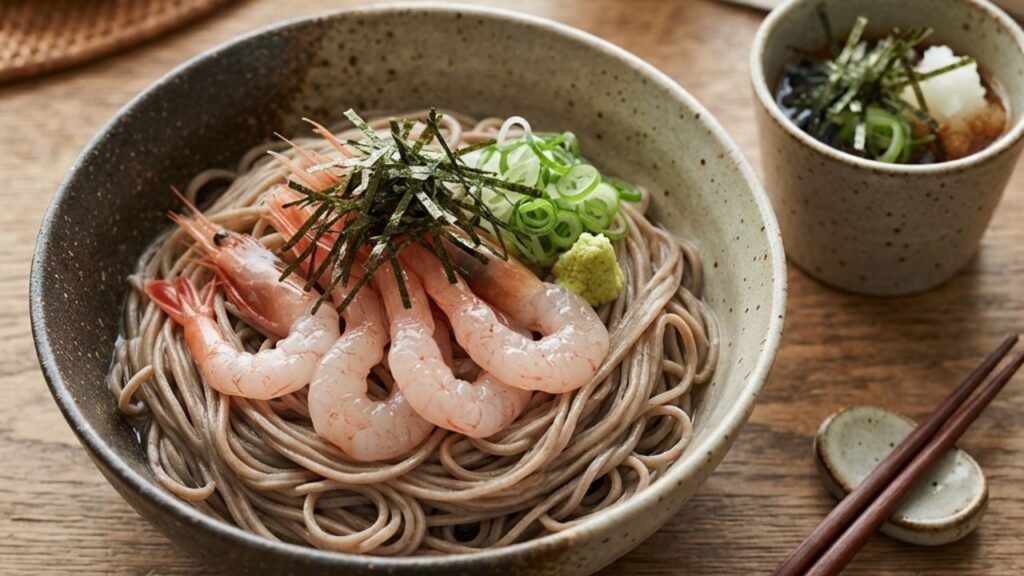
| Noodle Bowl | Cooked shrimp with noodles, cucumber, green onion, and soy-citrus dressing. |
| Vegetable Plate | Shrimp with mushrooms, steamed greens, cucumber, and a small portion of rice. |
| Japanese-Style Dinner | Ama ebi with rice, miso soup, cucumber salad, and edamame. |
Seasonal Meal Inspiration
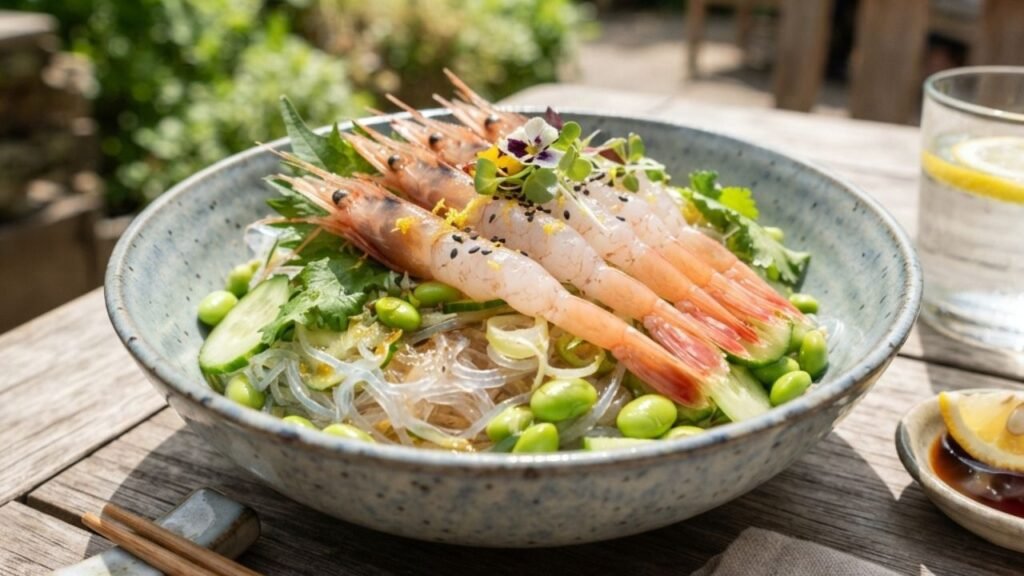
Weekend Meal: Serve ama ebi with rice, edamame, cucumber salad, and soup for a relaxed Japanese-style meal.
Spring & Summer: Use cucumber, citrus, fresh herbs, and light greens for a refreshing meal.
Chilled Option: Serve with chilled noodles or cucumber salad for a lighter warm-weather dish.
Fall & Winter: Pair ama ebi with warm rice, mushrooms, spinach, or cabbage.
Comforting Additions: Add ginger-soy sauce and light soup while keeping the shrimp’s delicate flavor noticeable.
Quick Dinner: Combine cooked rice, prepared vegetables, and freshly cooked shrimp for an easy meal.
Storage & Reheating Tips
Reheating: Warm gently over low to medium heat with a little water or sauce, and avoid prolonged heating to prevent tough shrimp.
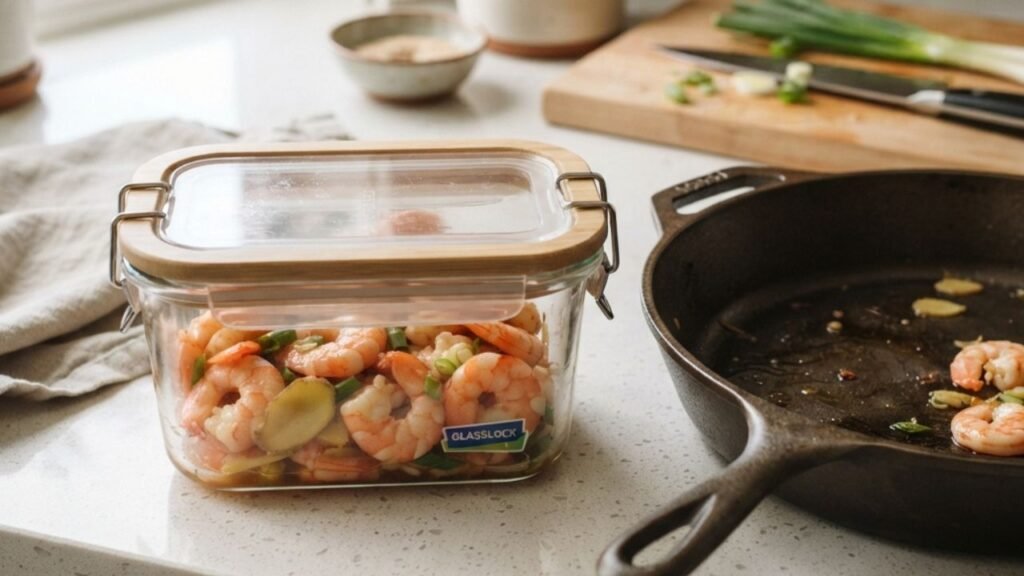
Refrigerating: Store cooked ama ebi in a shallow, covered container and refrigerate promptly.
Storage Time: Keep refrigerated at 40°F (4°C) or below and use within 3–4 days for best quality.
Freezing: Freeze cooked shrimp in an airtight, freezer-safe container and thaw in the refrigerator before reheating. For additional guidance on storing and handling cooked seafood, follow the USDA’s Leftovers and Food Safety.
Common Mistakes to Avoid
A common mistake is adding too much soy sauce, which can cover ama ebi’s natural sweetness instead of complementing it. Adding the ginger and citrus at the wrong balance can also make the sauce too sharp for the delicate shrimp. Another issue is pairing ama ebi with heavily seasoned sides that overpower its mild flavor. Keeping the sauce light and the accompaniments simple helps maintain the intended Japanese-style taste.
Frequently Asked Questions
1. Can ama ebi be eaten raw or cooked?
Ama ebi is traditionally used in sushi and sashimi, but it can also be cooked for a warm meal. Cooking is the safer choice for people who want to reduce the risks associated with raw or undercooked seafood. Cook until the shrimp becomes pearly and opaque.
2. What does ama ebi taste like?
Ama ebi has a mild seafood flavor with natural sweetness and a delicate texture. It is softer and more subtle than many heavily seasoned shrimp dishes. Ginger, citrus, and soy sauce complement its natural flavor particularly well.
3. Can you use frozen ama ebi?
Yes, properly frozen ama ebi can be used in a cooked Japanese-style meal. Thaw it safely in the refrigerator and pat it dry before cooking. Frozen shrimp may have a slightly different texture but can still work well in rice bowls and noodle dishes.
4. What goes well with ama ebi?
Steamed rice, cucumber, edamame, mushrooms, cabbage, noodles, and light soups all pair well with ama ebi. These foods provide different textures without overpowering the shrimp. A simple soy-citrus sauce can tie the meal together.
5. How do you know ama ebi is cooked?
Cooked shrimp should be pearly and opaque rather than translucent in the center. It should feel tender and lightly springy instead of hard or chewy. For reliable food safety, seafood should reach an internal temperature of 145°F.
6. How long does cooked ama ebi last?
Cooked ama ebi can generally be refrigerated for three to four days when stored properly at 40°F or below. For better texture and flavor, eating it sooner is preferable. Keep leftovers covered and refrigerate them promptly.
Conclusion
Ama ebi is a simple and delicate Japanese seafood ingredient that can be prepared with light seasonings such as soy sauce, citrus, ginger, and green onion. Served with rice and fresh vegetables, it makes a flavorful meal that can be adapted for different seasons and occasions.
For the best results, choose quality shrimp, keep the seasoning balanced, and handle the shrimp gently during cooking and reheating. With these simple techniques, ama ebi can be enjoyed as a fresh Japanese-style meal at home.