
Mangalitsa pork is known for its exceptional marbling, tender texture, and naturally rich flavor. Its buttery quality makes it suitable for different cooking styles, including roasting, grilling, and pan-searing. The meat develops a deep, savory taste when cooked carefully at the right temperature, making it suitable for both simple and special meals.
Its rich character can be highlighted through proper seasoning, controlled heat, and careful cooking time. Allowing the meat to rest after cooking also helps maintain its tenderness and juiciness. With the right approach, Mangalitsa pork can become the centerpiece of a flavorful homemade meal without requiring complicated preparation.
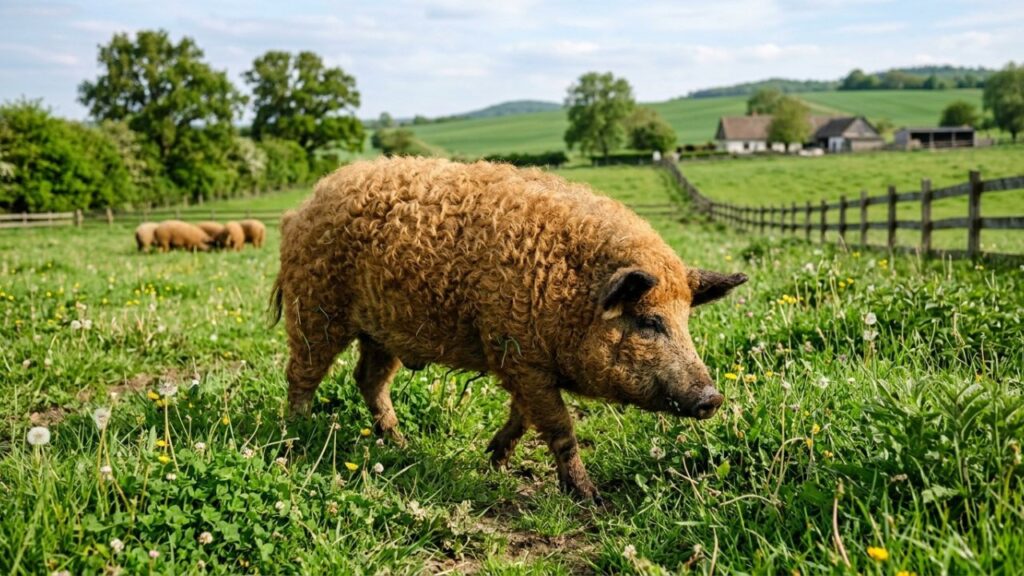
What Is Mangalitsa Pork?
Mangalitsa pork comes from a Hungarian pig breed known for its distinctive curly, woolly coat and richly marbled meat. Its high fat content melts during cooking, helping the meat stay moist while creating a buttery texture and deep savory flavor. The pork has a slightly sweet, rich taste and is often prepared through slow roasting, braising, grilling, or pan-searing. For a balanced meal, it can be served with vegetables, grains, or lighter side dishes.
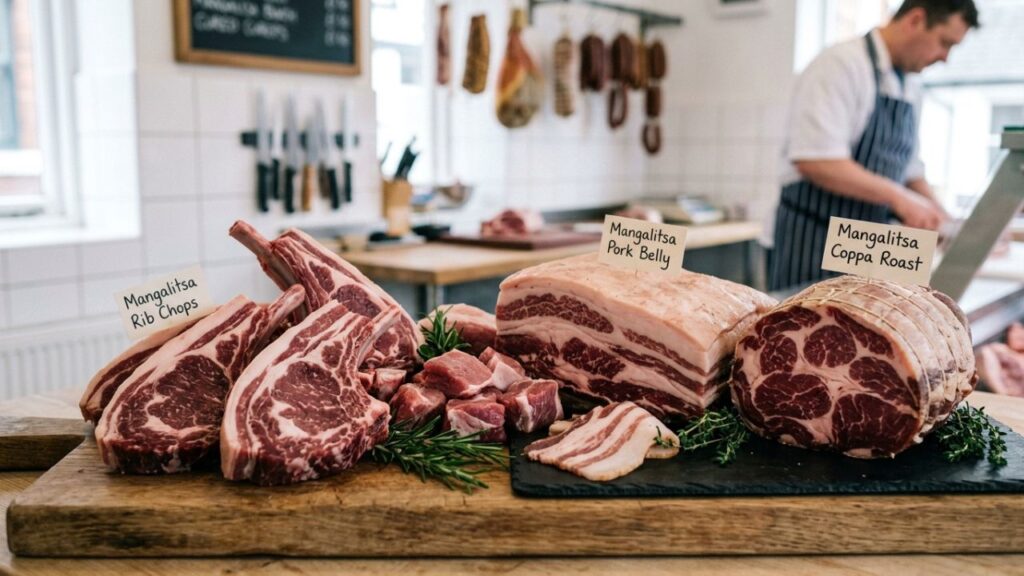
| Prep Time | Cook Time | Total Time | Servings |
|---|---|---|---|
| 15 minutes | 2–2½ hours | 2¼–2¾ hours | 4–6 servings |
Ingredients
- 1½–2 lb Mangalitsa pork
- 1 teaspoon salt
- 1 teaspoon black pepper
- 1 teaspoon garlic powder
- 1 teaspoon smoked paprika
- 1 tablespoon olive oil
- 2 cloves garlic, minced
- 1 teaspoon dried thyme
- Fresh herbs, optional
Ingredient Alternatives
| Ingredient | Alternative |
|---|---|
| Mangalitsa pork | Pork belly or pork shoulder |
| Olive oil | Butter or avocado oil |
| Black pepper | White pepper |
| Garlic powder | Fresh minced garlic |
| Smoked paprika | Regular paprika |
| Dried thyme | Rosemary or parsley |
| Fresh herbs | Dried mixed herbs |
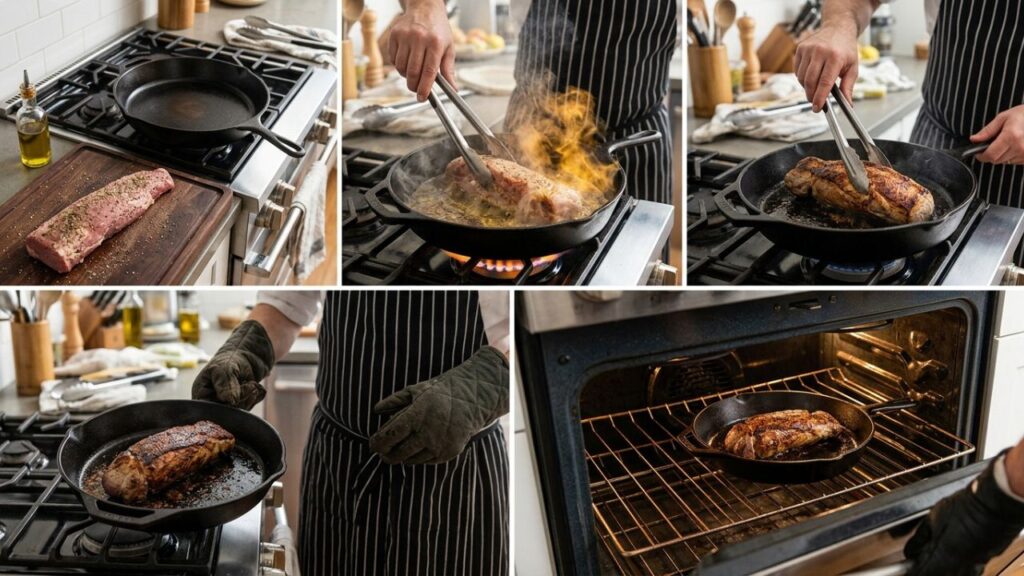
Step-by-Step Cooking Method
Step 1
Set the oven to 325°F (160°C) and allow it to preheat fully before preparing the pork.
Step 2
Pat the Mangalitsa pork shoulder dry and rub it with olive oil, minced garlic, rosemary, thyme, salt, and pepper. Let it sit for 10–15 minutes before cooking. For additional guidance on preparing pork safely, follow the official website of the United States government USDA Cooking Meat? Check the New Recommended Temperature.
Step 3
Heat a skillet over medium-high heat and sear the pork shoulder on all sides for about 4–5 minutes per side, until a golden-brown crust forms.
Step 4
Transfer the seared pork to a roasting pan and roast at 325°F (160°C) for approximately 2–2½ hours, checking the internal temperature during cooking.
Step 5
Remove the pork from the oven and let it rest for about 15 minutes before carving. This helps the meat retain its juices and tenderness.
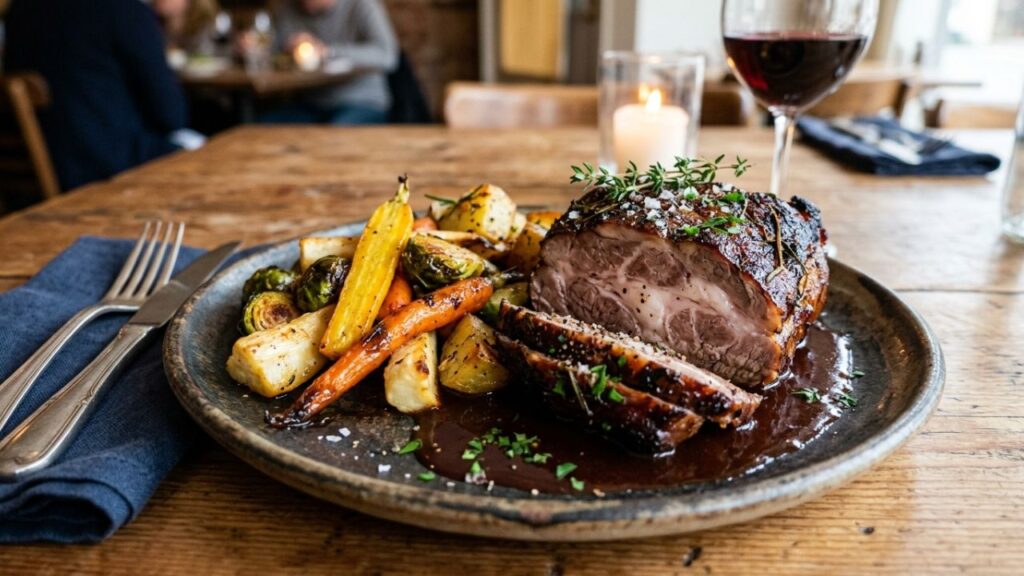
Serving Suggestions for Mangalitsa Pork
| Serving Option | Suggestions |
|---|---|
| Drinks | Full-bodied red wine such as Cabernet Sauvignon or Spanish Rioja pairs well with the pork’s rich flavor. |
| Side Dishes | Roasted potatoes, green beans, fresh salads, or seasonal vegetables provide a good balance. |
| Sauces | Apple chutney adds a tangy contrast, while a red wine reduction brings deeper savory flavor. |
| Presentation | Slice the pork neatly and serve with sauce on the side, adding fresh herbs for a simple finis |
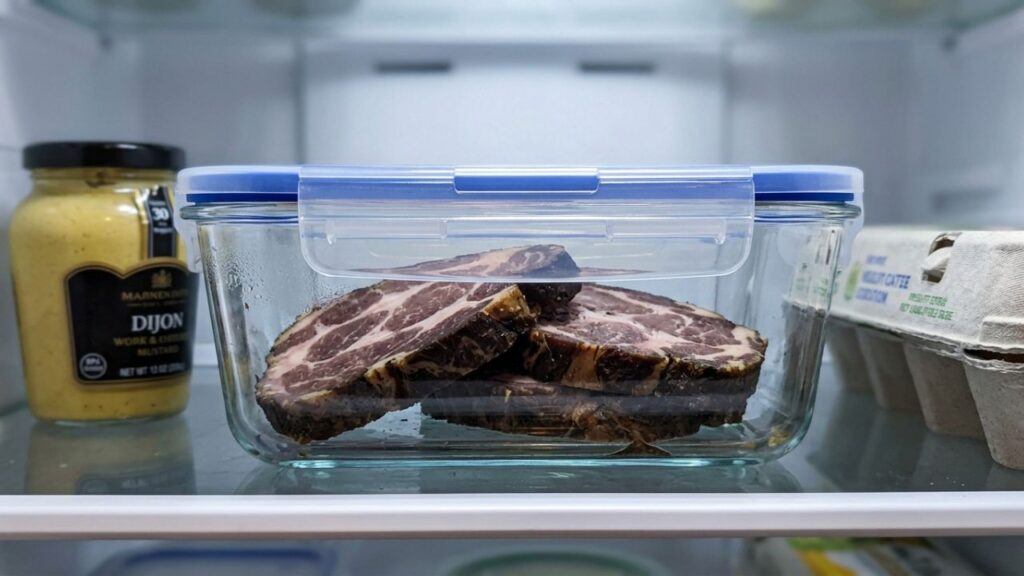
Storage & Reheating Tips for Mangalitsa Pork
Food Safety: Keep cooked pork properly chilled and reheat leftovers to 165°F (74°C) before serving.
Storage: Store leftover Mangalitsa pork in an airtight container and refrigerate within 2 hours. Use refrigerated leftovers within 3–4 days. For safe handling and storage, follow the official website of the United States government USDA food safety guidance.
Freezing: Wrap the pork tightly in freezer-safe packaging to reduce freezer burn and help preserve its quality during longer storage.
Reheating: Reheat gently in the oven at around 300°F (150°C). Adding a little broth or pan juice can help prevent the meat from drying out.
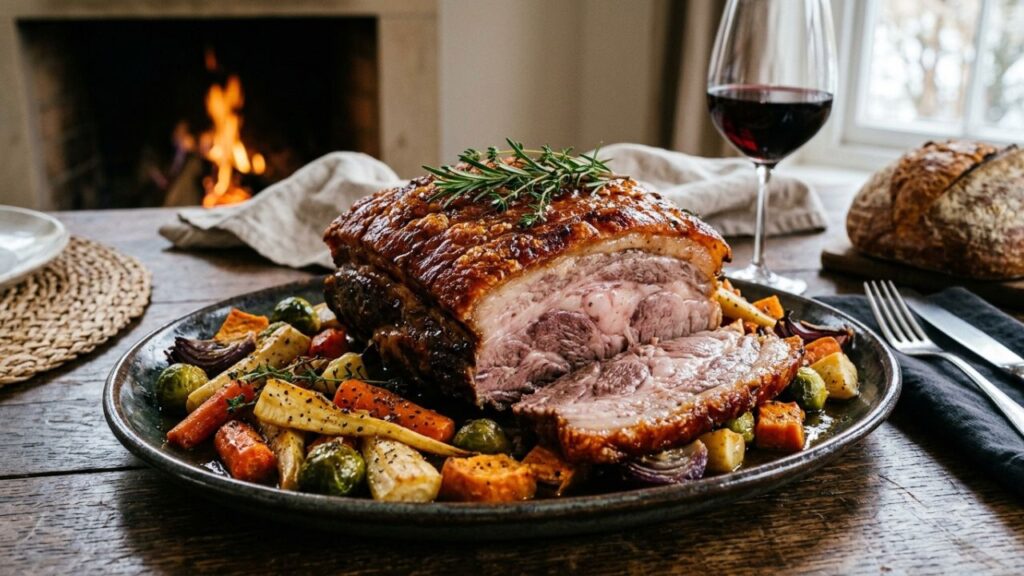
Best Seasons to Enjoy Mangalitsa Pork
- Fall & Winter: Use Mangalitsa pork in slow-cooked roasts, stews, and braises. Pair it with root vegetables, apples, or rich sauces for comforting meals.
- Spring & Summer: Choose lighter preparations such as grilled or pan-seared pork chops and tenderloin. Fresh herbs, salads, and tangy fruit sauces provide a refreshing contrast.
- Special Occasions: Its rich flavor makes it suitable for festive dinners and family gatherings where a more indulgent main dish is desired.
- Availability: Mangalitsa pork can be available throughout the year, although specialty butchers and online retailers may offer greater selection during cooler months.
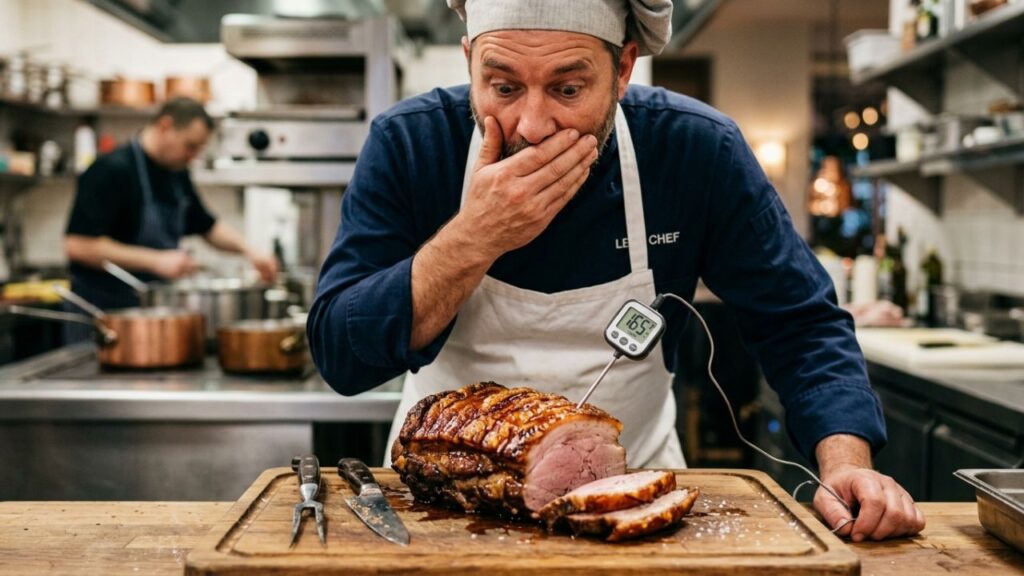
Common Mistakes to Avoid
Mangalitsa pork has a high fat content, so poor fat rendering can leave the meat greasy instead of giving it a balanced, rich texture. Searing without controlling the pan temperature may cause the surface to brown too quickly while the fat underneath has not rendered properly. Another common mistake is using heavy sauces or excessive seasoning, which can hide the pork’s naturally rich flavor rather than complementing it.
Frequently Asked Questions
1. What’s the best cut of Mangalitsa pork to cook with?
Pork shoulder is ideal for slow roasting because of its marbling and tenderness, while pork tenderloin is perfect for quicker cooking methods like grilling or pan-searing, offering a leaner cut that’s still incredibly flavorful.
2. Can Mangalitsa pork be cooked in a slow cooker?
Yes, Mangalitsa pork is an excellent choice for slow cooking. Its rich fat content breaks down beautifully, making it perfect for braised dishes, stews, or slow-cooked carnitas, resulting in melt-in-your-mouth tenderness.
3. Does Mangalitsa pork need special seasoning?
While Mangalitsa pork is naturally rich and flavorful, it benefits from a simple seasoning of salt, pepper, and herbs like rosemary or thyme. The meat’s fat provides enough flavor on its own, so you don’t need anything too complicated to enhance its taste.
4. Can Mangalitsa pork be grilled?
Yes, cuts like pork chops and ribs from Mangalitsa pork are fantastic on the grill. The fat renders as it cooks, providing a crispy exterior and juicy, tender interior, while the smoky flavor from the grill complements the pork’s natural richness.
5. How long should I cook Mangalitsa pork?
Cooking times vary by cut, but for pork shoulder, you should aim for 2-2.5 hours at 325°F. This slow roasting allows the fat to render fully, leaving you with a perfectly tender, juicy roast. For quicker cuts like tenderloin, 25-30 minutes at 400°F will do the trick.
Conclusion
There’s something truly satisfying about cooking with premium cuts like Mangalitsa pork. This exceptional ingredient offers not only incredible flavor but also a chance to refine your cooking techniques, from slow roasting to braising. It’s a great way to elevate your meals while learning how to balance textures and flavors. Whether you’re a beginner or an experienced cook, Mangalitsa pork is a fantastic way to explore the nuances of high-quality, flavorful dishes.