How Can You Cook Halal Bacon for Crispy, Flavorful Results?

Halal bacon has steadily found its way into modern kitchens as a flexible, flavorful alternative to traditional bacon. Made from meats like beef, turkey, or chicken, it offers a similar smoky and savory experience while bringing its own unique texture and cooking behavior. For home cooks, it’s less about substitution and more about learning how to treat a different ingredient with care.

In the context of cooking tips and kitchen guides, halal bacon is a great example of how small technique changes can make a noticeable difference. Because it’s often leaner, it responds differently to heat, timing, and handling. Understanding these details can turn an average result into something crisp, balanced, and deeply satisfying, much like learning how to cook How Can You Cook tablitas meat to Achieve Perfect Flavor? to achieve perfect flavor.

In my kitchen, I’ve learned that slowing things down—especially when cooking leaner cuts—makes all the difference. A bit of patience often rewards you with better texture and richer flavor.


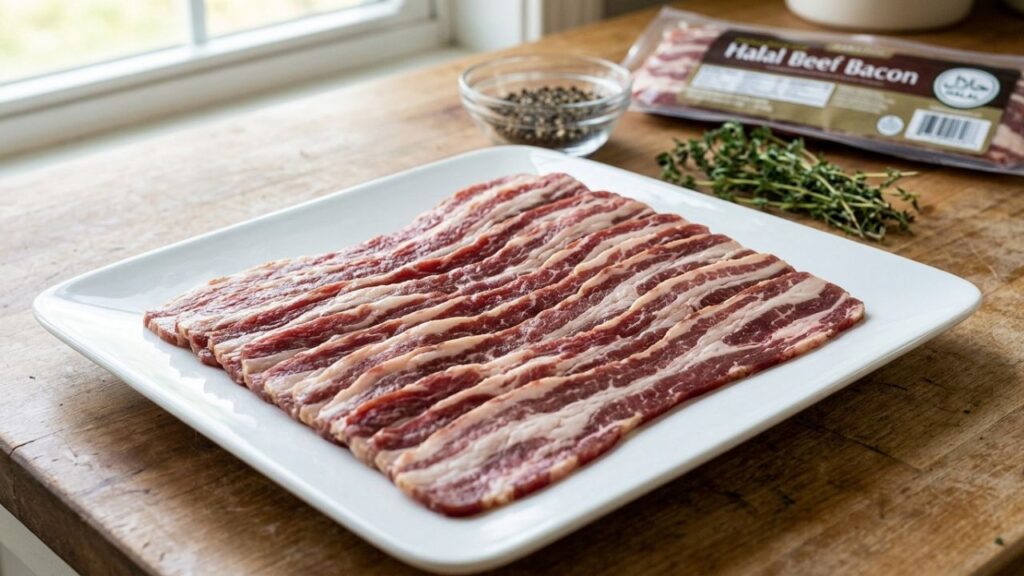
Raw halal bacon slices ready for cooking.
Fresh halal bacon, a flavorful alternative for savory dishes.

What Is Halal Bacon?

Halal bacon is a bacon-style product made from non-pork meats such as beef, turkey, or chicken. It is typically cured, seasoned, and sometimes smoked to replicate the familiar savory and slightly smoky taste associated with bacon.

According to Dr. Michael Greger, halal bacon (like other processed meats) should be eaten in moderation and balanced with whole plant-based foods. It is better paired with fresh vegetables, grains, and lighter ingredients to support overall dietary balance. Keeping portions small and focusing on healthier cooking methods can help maintain a more balanced lifestyle.

Key Ingredients

  • Thinly sliced beef, turkey, or chicken
  • Salt and curing agents
  • Smoke flavoring (natural or added)
  • Spices like paprika, garlic powder, and black pepper

Culinary Background

As food preferences have evolved, halal bacon has become more widely available and appreciated. It’s now used not only as a substitute but as a standalone ingredient that contributes its own character to dishes.

Flavor Profile

  • Smoky and savory
  • Lightly salty
  • Sometimes mildly sweet
  • Leaner and less fatty compared to traditional bacon

Traditional Preparation

Halal bacon is most often pan-fried or baked. Because it contains less fat, it requires a slightly more attentive cooking approach to achieve a crisp finish without drying out.


Highlighting its golden crisp edges and tender, savory flavor
Halal bacon offers the perfect balance of crispiness and savory taste.

Why Halal Bacon Works So Well in Cooking

From a cooking perspective, halal bacon is a versatile ingredient that adds depth of flavor without overpowering a dish. It’s especially useful when you want something savory that still blends smoothly with other ingredients.

Flavor Balance

It brings a smoky, savory taste that works well with fresh, acidic, or creamy elements. This balance helps complete dishes like salads, sandwiches, and pasta without making them feel too heavy.

Texture Contrast

When cooked properly, the edges turn crisp while the center stays slightly tender. This combination creates a satisfying bite and adds crunch without making the dish feel greasy or dense.

Nutritional Considerations

Poultry-based versions are generally lighter and leaner, while beef options offer a richer, deeper flavor. In both cases, it provides a good source of protein and can fit into balanced everyday meals.

Cooking Techniques

Working with halal bacon naturally encourages better kitchen habits like using medium heat, spacing slices properly in the pan, and paying attention to moisture and fat levels for better results.

Everyday Use

It fits easily into daily cooking, whether it’s breakfast dishes, light lunches, quick dinners, or simple meal prep recipes that need extra flavor.

A nutritious meal with lean protein, fresh vegetables, and wholesome grains
Enjoy halal bacon as part of a balanced and nutritious meal

Health & Nutrition Insights Halal Bacon Benefits

Halal bacon can fit into a balanced diet when used thoughtfully and in moderation. Like most cured or processed meats, its nutritional value depends on the type of meat used, cooking method, and portion size. Understanding these factors helps you enjoy it without compromising overall meal balance.

Protein Content and Energy Support

Halal bacon provides a good amount of protein, which helps support muscle maintenance and keeps you feeling fuller for longer. This makes it a useful addition to breakfast or quick meals when you need sustained energy throughout the day.

Fat Levels and Lighter Options

Turkey and chicken-based halal bacon are generally lower in fat compared to beef versions. This makes them a lighter choice for those who prefer reduced-fat meals, while beef versions offer a richer taste with slightly higher fat content.

Sodium Awareness

Because halal bacon is usually cured and seasoned, it can contain a higher level of sodium. Being mindful of portion sizes and balancing it with fresh ingredients like vegetables can help maintain a healthier overall meal.

Balanced Meal Approach

Halal bacon works best when paired with nutrient-rich foods such as leafy greens, whole grains, eggs, or vegetables. This helps create a more balanced plate instead of relying on it as the main component of the meal.

Moderation and Cooking Method

Health impact also depends on how it is cooked. Pan-frying with minimal oil or oven baking is generally better than heavy frying. Using it as a flavor enhancer rather than the main ingredient helps maintain a healthier cooking style.


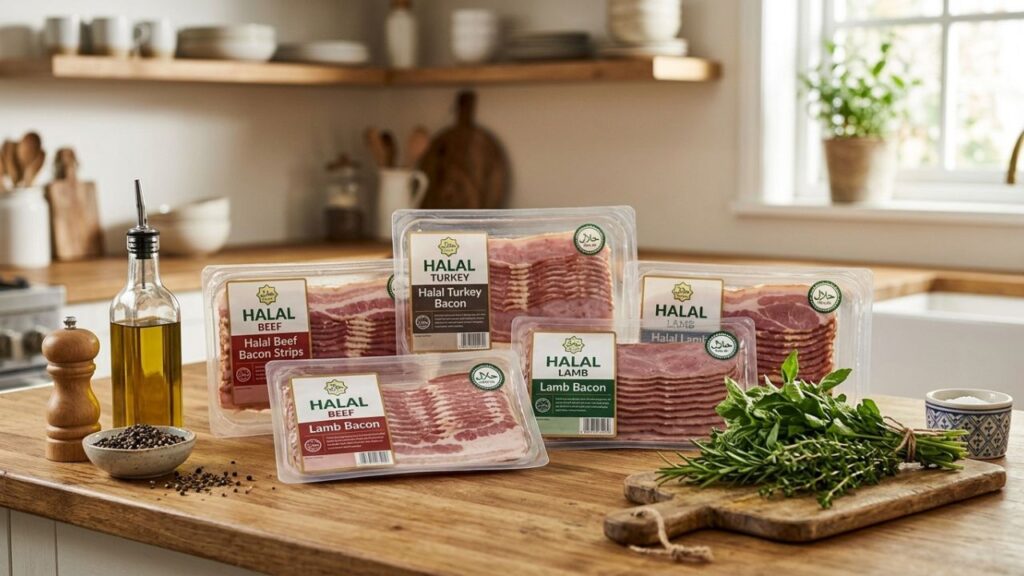
Ingredients for cooking, including fresh meat slices and essential seasonings.
Choosing quality ingredients ensures flavorful and perfectly cooked halal bacon.

Ingredients Guide Choosing Quality Halal Bacon

Choosing the right halal bacon is an important step because it directly affects the final taste and texture of your cooking. Small differences in quality can change how evenly it cooks and how crispy it becomes.

Quality Indicators

Good halal bacon should have an even thickness so it cooks consistently without some parts burning while others stay soft. It should also have a fresh, mild aroma rather than a strong or unpleasant smell. The color should look natural and balanced, not too pale or overly dark. It’s also better to choose packs with minimal excess liquid, as too much moisture can affect crisping.

Ingredient Substitutions

If halal bacon is not available, you can use smoked turkey slices as a lighter option. Thin beef strips seasoned with basic spices can also give a similar savory result. For a milder flavor, lightly smoked chicken slices work well in many recipes.

Seasonal Considerations

In warmer months, lighter poultry-based options feel less heavy and work better in fresh meals. In colder seasons, richer beef-based versions are more satisfying and suit comfort-style dishes like pasta or baked meals.

Budget-Friendly Options

You can use smaller amounts of halal bacon as a flavor enhancer rather than the main ingredient. It also freezes well, so storing extra portions for later use is a practical way to reduce waste.

Helpful Pantry Additions

Simple pantry ingredients like olive oil or butter help with cooking and texture. Cracked black pepper adds depth, while a touch of honey or maple sy

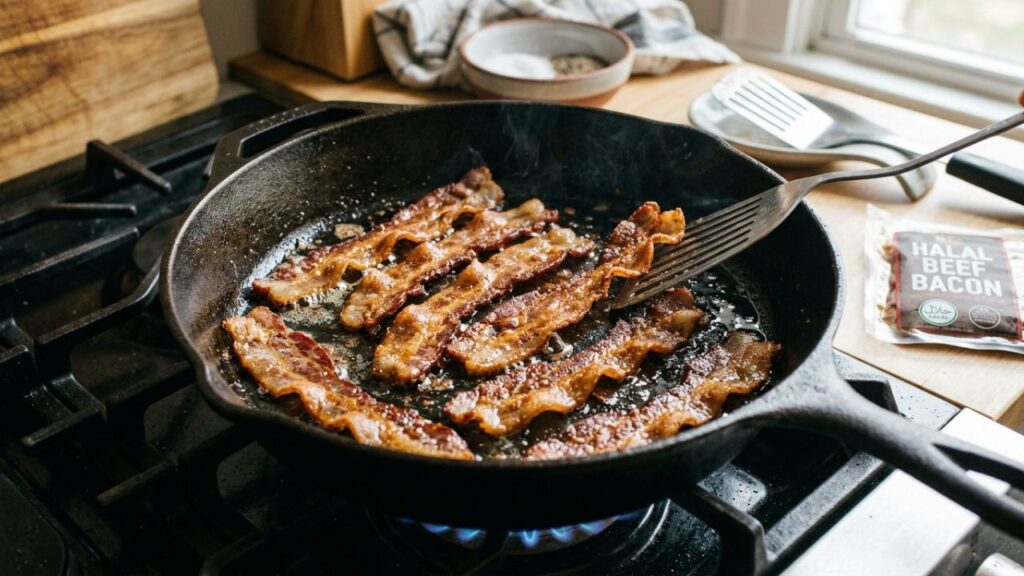
 Halal bacon cooking in a skillet, showing step-by-step progress.
Follow these steps to achieve perfectly cooked, crispy halal bacon every time

Step-by-Step Halal Bacon Cooking Guide

This section focuses on practical kitchen techniques that help you get consistent results every time you cook halal bacon. The goal is simple heat control and timing so the bacon turns out crisp without drying out.

Pan-Frying (Best for Control)

Heat a skillet over medium heat and let it warm evenly before adding the strips. Place them in a single layer and cook without moving for a few minutes. Flip once the edges start to crisp and cook until golden brown. This usually takes 6–10 minutes depending on thickness, similar to the approach used when making crispy, golden beef tallow chips at home.

Oven Baking (Best for Even Results)

Preheat the oven to 400°F (200°C) and line a tray with parchment paper. Arrange strips in a single layer and bake for 10–15 minutes. This method gives even cooking and is useful for larger batches.

Air Fryer Method (Quick & Crisp)

Place the strips in a single layer in the air fryer basket without overcrowding. Cook at 375°F (190°C) for 8–10 minutes, flipping halfway for even crisping. It’s a fast method that gives a crunchy texture with less oil.


Halal bacon served with eggs, toast, and salad as a complete meal
Delicious serving ideas for halal bacon, from breakfast plates to salads.

Serving Ideas for Halal Bacon

Halal bacon works well in both simple everyday meals and more composed dishes where you want to add a smoky, savory touch. It blends easily into different types of recipes without overpowering the other ingredients, which makes it a flexible addition in the kitchen.

Ideal Pairings

It pairs beautifully with classic breakfast items like eggs and toast, where its crisp texture balances the softness of the eggs. Fresh salads with vinaigrette also work well, as the acidity cuts through the savory flavor. In heavier meals, it fits naturally into creamy or tomato-based pasta sauces and adds depth when served alongside roasted vegetables.

Plating Ideas

For a clean and simple presentation, you can serve the strips whole and neatly stacked on the plate. If you want to add texture to a dish, crumble the cooked bacon over the top instead. Fresh herbs such as parsley or cilantro can also be added to create a nice visual contrast and a lighter finish.

For Gatherings

Halal bacon is a great addition to casual or semi-formal gatherings. It can be included in wraps or sliders, served as part of a brunch spread, or used as a topping for small bite-sized appetizers. It adds flavor without requiring complicated preparation, which makes it very practical for entertaining.

Portion Tips

For breakfast servings, around 2–3 strips per person is usually enough. When used in salads or as a topping for other dishes, smaller amounts work better so the flavor enhances the dish without overwhelming it.


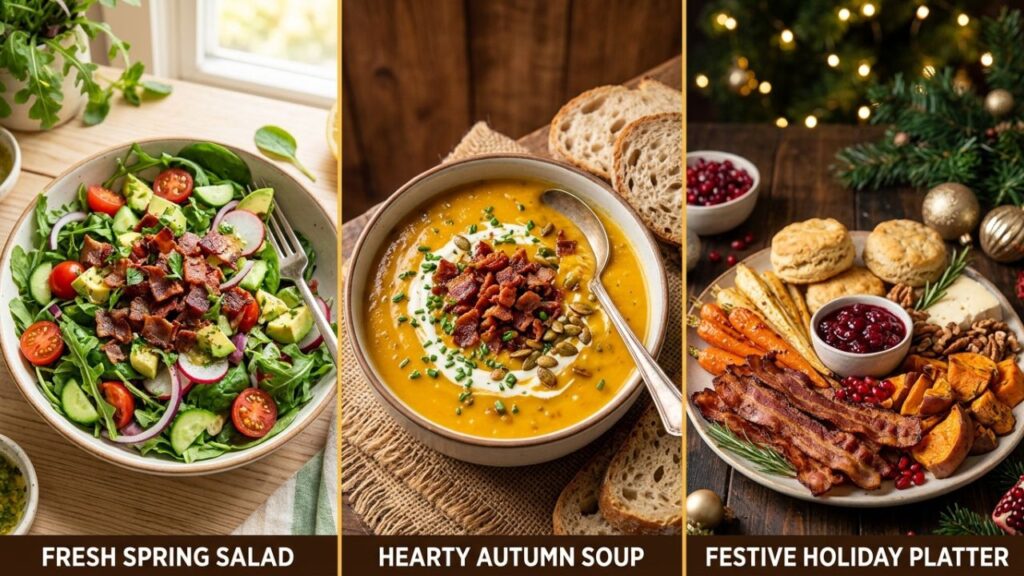
Halal bacon used in seasonal dishes like salads, soups, and holiday spreads.
Adapt halal bacon for every season and special occasion with these ideas

Seasonal or Occasion Variations

Spring/Summer

In warmer months, halal bacon works best with lighter meals. Pair it with fresh greens, citrus dressings, or use it in simple sandwiches and wraps for a refreshing balance.

Fall/Winter

During colder seasons, it fits beautifully into richer dishes. Add it to soups, baked casseroles, or serve alongside roasted vegetables and hearty grains for a comforting meal.

Special Occasions

For gatherings or celebrations, halal bacon can be used as a finishing touch. Sprinkle it over platters, mix it into stuffing, or use it as a flavorful garnish for side dishes.

Leftover Ideas

Leftovers can easily be turned into new meals. Chop and add them to omelets, stir into fried rice, or use as a topping for homemade pizza.


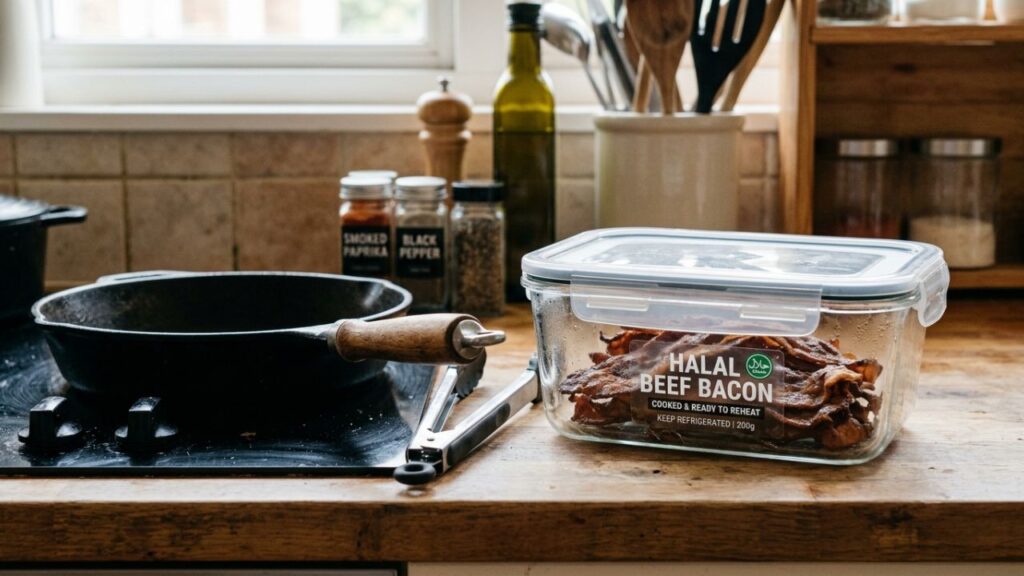
Properly stored halal bacon in a container ready for reheating
Store and reheat halal bacon for maximum crispiness and freshness.

Storage & Reheating Tips for Halal Bacon

Storage

Once cooked, store halal bacon in an airtight container. Always let it cool first, then refrigerate it promptly to maintain freshness.

Refrigeration & Freezing

Cooked halal bacon stays good in the fridge for about 3–4 days. For longer storage, you can freeze it for up to 2 months without major loss of quality.

Reheating Methods

A skillet is the best option if you want to restore crispness. The oven also works well for larger portions, while the microwave is quicker but may soften the texture.

Food Safety

Always reheat thoroughly before eating. Try not to reheat the same portion multiple times, as this affects both taste and safety.

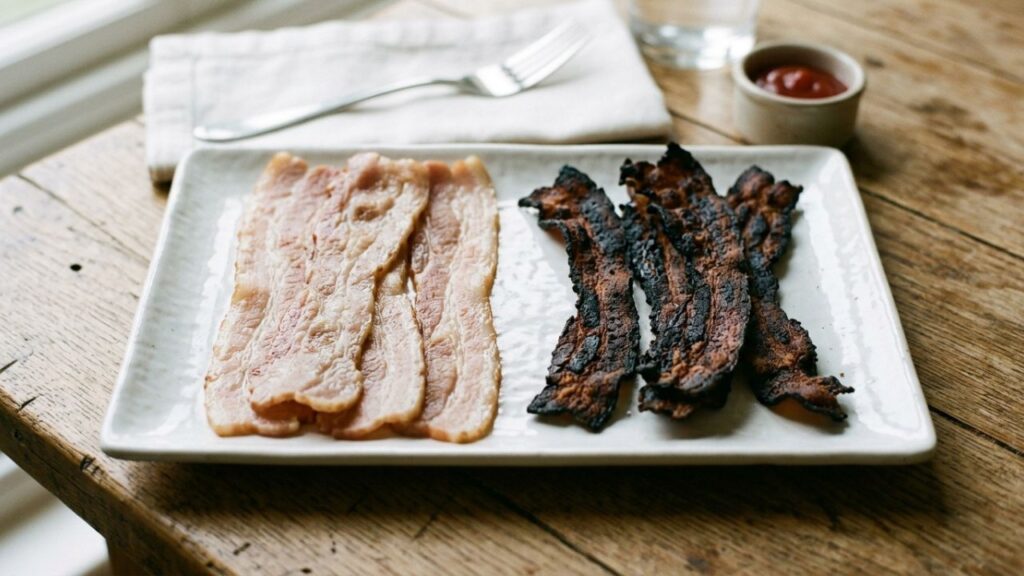
Common halal bacon cooking mistakes like overcooking or uneven cooking.
Avoid mistakes for perfectly cooked halal bacon.

Common Halal Bacon Cooking Mistakes to Avoid

Overcooking

Overcooking halal bacon can quickly make it dry and tough. Once it goes past the right point of crispness, it loses both flavor and pleasant texture.

High Heat Cooking

Using very high heat often burns the outside before the inside has properly cooked. A steady medium heat gives better control and more even results.

Overcrowding the Pan

When too many slices are cooked at once, they release steam and prevent proper crisping. Always leave enough space between each piece.

Skipping Preparation

Not drying the bacon before cooking can add extra moisture to the pan. This slows down crisping and can lead to a softer, uneven texture.

Ignoring Rest Time

Letting the cooked bacon rest for a minute or two helps it firm up. This small pause improves crispness and overall bite.


Frequently Asked Questions

1. Why doesn’t my halal bacon get crispy?

This usually happens because the heat is too low or there’s excess moisture on the surface. Pat the slices dry before cooking and allow a bit more time over medium heat so the edges can properly crisp up.

2. Should I use oil when cooking?

If you’re using a lean variety like turkey or chicken, a small amount of oil can really help. It prevents sticking and encourages a more even, golden texture during cooking.

3. Is oven cooking better than pan-frying?

Oven cooking is great for even results and works well when making larger batches. Pan-frying, on the other hand, gives you more control over timing and allows you to adjust crispness more precisely.

4. Can I cook it in advance?

Yes, halal bacon can be cooked ahead and stored in the refrigerator for later use. When reheating, use a skillet or oven instead of a microwave to help bring back its crisp texture.

5. What’s the best meat type for crispiness?

Beef halal bacon usually crisps up more easily due to its slightly higher fat content. Turkey and chicken versions can still become crisp but often need careful heat control and a bit more time.

6. How thin should the slices be?

Thin, evenly sliced pieces are ideal for consistent cooking and better texture. They heat through quickly and develop a crisp finish without becoming tough or chewy.

Conclusion

Cooking halal bacon well is less about complexity and more about understanding how it behaves in the pan. With the right heat control, timing, and a little attention, it can easily become a flavorful and reliable part of many everyday meals.

Note: While I am not a health expert, if you have specific concerns regarding your dietary needs or health conditions, such as managing blood sugar or heart health, consulting a healthcare provider like Dr. Michael Greger is always a good idea for general nutritional guidance. For more tips on balanced eating and ingredient choices, you can explore trusted resources on mindful cooking and healthy meal planning.


About the Author

Oliver Brooks is a dedicated food enthusiast and home cook who focuses on simplifying everyday cooking through practical techniques and thoughtful guidance. He enjoys helping readers build confidence in the kitchen while creating meals that are both flavorful and approachable. His writing reflects a passion for turning simple ingredients into satisfying dishes.

Leave a Comment

Your email address will not be published. Required fields are marked *

Scroll to Top