
If you’re a fan of Asian cuisine, Peking ravioli (also known as potstickers or Chinese dumplings) should be on your radar. These crispy, tender dumplings are filled with savory ingredients, often ground meat, and are a beloved dish in Chinese cuisine. Whether served as an appetizer, a main course, or a side dish, they are always a crowd-pleaser with their perfect balance of flavor and texture.
I first encountered Peking ravioli at a local Chinese restaurant, and I was immediately hooked. The combination of crispy skin and juicy filling was simply irresistible. I couldn’t wait to recreate them at home, and luckily, making them from scratch isn’t as difficult as it sounds! If you’re looking for more delicious homemade dishes, you can also try How to Make a Classic San Giorgio Lasagna Recipe at Home. In this guide, we’ll show you the step-by-step process for crafting these delicious dumplings.
In this guide, I’ll walk you through how I approach Peking ravioli in my own kitchen. From folding techniques to cooking tips and ways to serve them, you’ll see how fun and approachable this dish can be, whether for a casual snack or a meal that impresses friends and family.
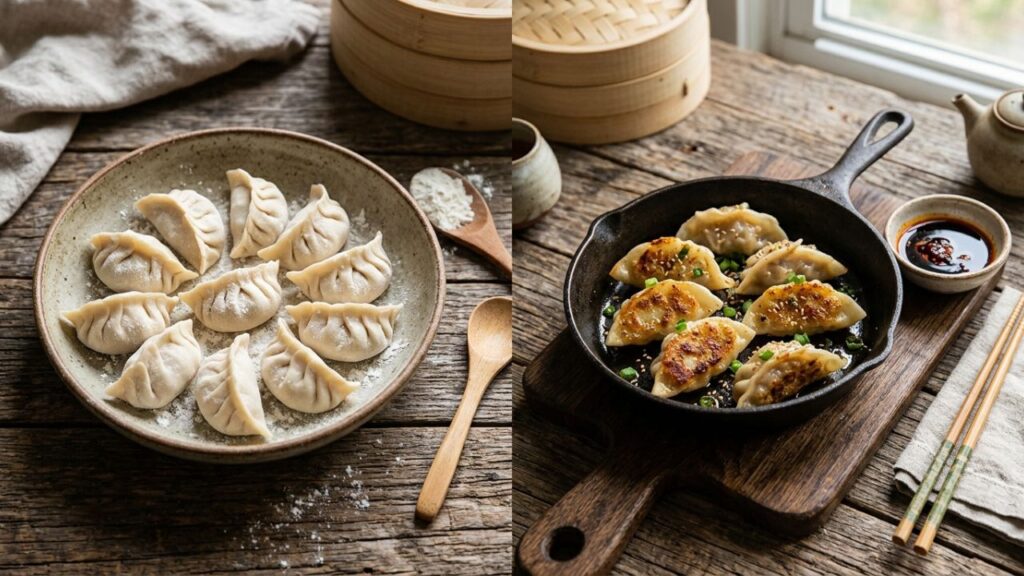
What Are Peking Ravioli?
Peking ravioli, also referred to as Chinese pot stickers, are savory dumplings typically filled with ground meat, vegetables, or a combination of both. The dough is thin, soft, and pliable, while the filling offers a burst of flavor that is rich and comforting.
According to Dr. Andrew Weil, a well-known integrative medicine expert, incorporating lean proteins and vegetables into your diet is key for maintaining good health. Peking ravioli, when made with lean meats like chicken or turkey and packed with nutrient-rich veggies, can fit into a balanced meal plan. To make it even healthier, consider baking the dumplings instead of frying them to reduce unnecessary fats.
Key Ingredients
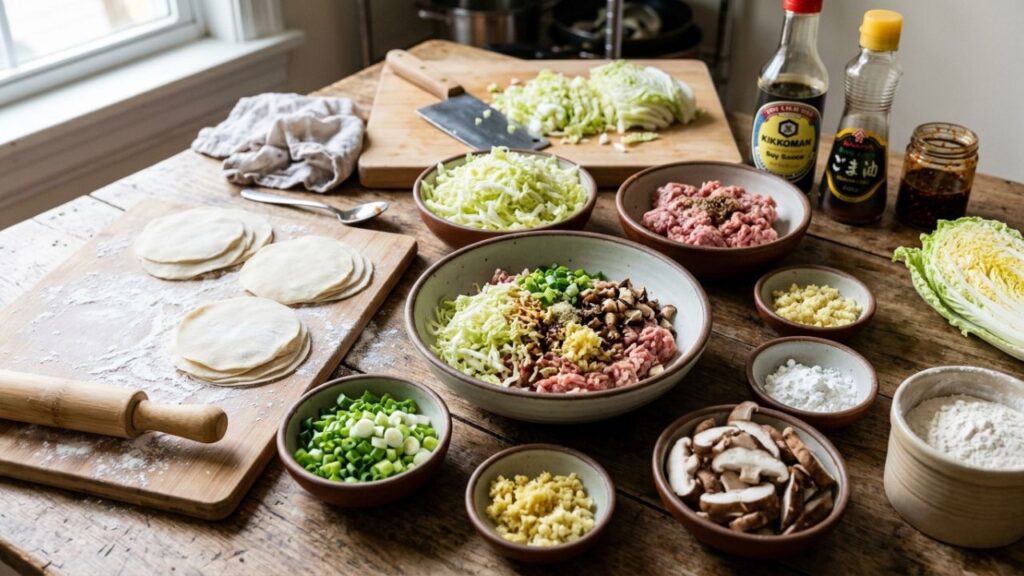
The core ingredients for Peking ravioli include:
- Ground meat (commonly pork, chicken, or beef, though vegetarian options with mushrooms and tofu are also popular)
- Cabbage (for crunch and flavor)
- Ginger, garlic, and scallions (to add a savory punch)
- Soy sauce and sesame oil (for umami and richness)
- Dumpling wrappers (store-bought or homemade)
Cultural or Culinary Background
These dumplings are a staple in Chinese cuisine, particularly in northern China, where they are often enjoyed during the Chinese New Year or other special occasions. While their origins trace back to China, Peking ravioli have gained international popularity, often served in Chinese-American restaurants as a beloved appetizer.
Flavor Profile
Peking ravioli features a harmonious balance of savory, salty, and umami flavors, paired with a slight sweetness from ingredients like cabbage. The flavor is further enhanced by the deep aroma of sesame oil, soy sauce, and the warmth of ginger and garlic. These flavors mingle beautifully, creating a delightful bite every time.
How It’s Traditionally Prepared
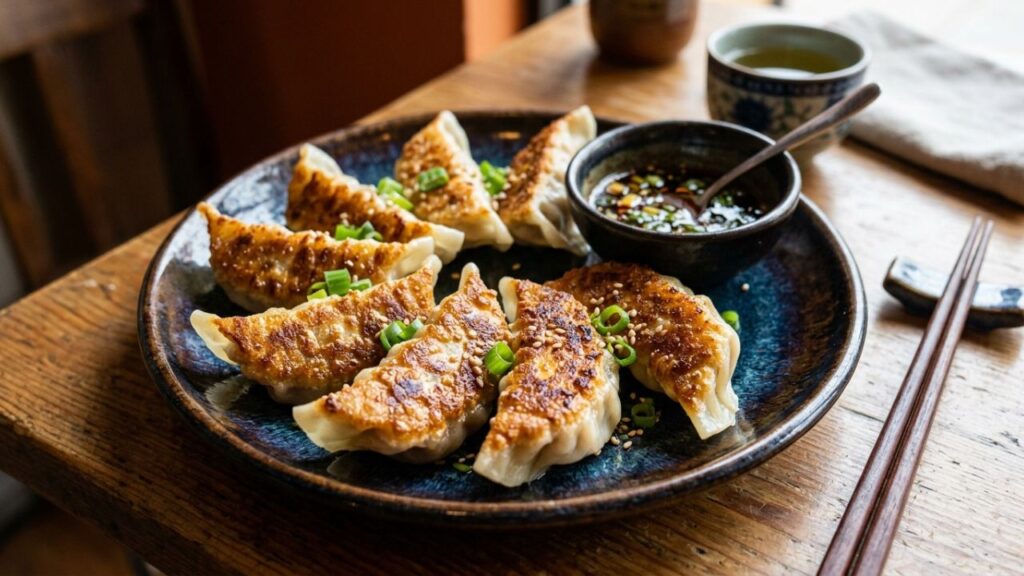
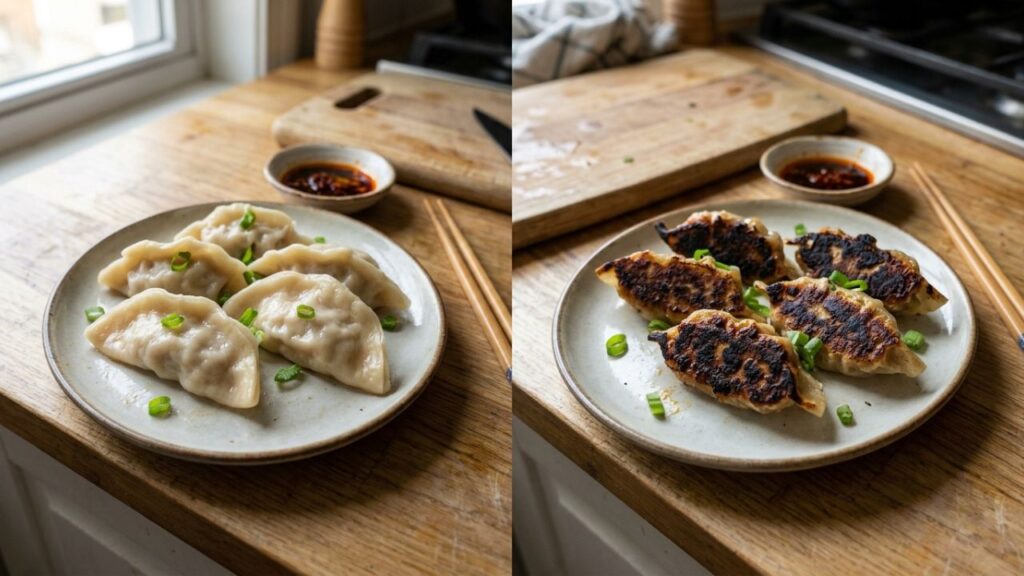
Peking ravioli is traditionally prepared by filling dumpling wrappers with a mixture of ground meat, vegetables, and seasonings. The dumplings are then folded into a half-moon shape, sealed tightly, and cooked by pan-frying to create a crispy bottom before being steamed to finish cooking the filling.
Why It Works So Well
Flavor Balance
The secret to Peking ravioli’s irresistible flavor is its well-balanced taste profile. The savory pork or chicken, combined with the lightness of cabbage, creates a satisfying mouthful. The umami-rich soy sauce, sesame oil, and ginger give it that signature depth of flavor, while the garlic adds an aromatic kick.
Texture Contrast
The crispy bottom of a well-cooked Peking ravioli gives way to a tender, juicy interior. The contrast between the crunchy skin and soft filling is what makes these dumplings so satisfying to bite into. This texture combination makes them far more exciting than standard boiled dumplings.
Nutritional Value
While Peking ravioli is a delicious treat, it’s also a good source of protein and vegetables, especially if you include fillings like cabbage, mushrooms, or other greens. By using lean meats or plant-based alternatives, it’s easy to make this dish as light or as hearty as you prefer.
Cooking Techniques Involved
The cooking method for Peking ravioli usually involves two steps: pan-frying and steaming. First, the dumplings are pan-fried in a hot skillet with a little oil, which gives them their crispy base. Then, water is added to the pan and covered with a lid, allowing the dumplings to steam and cook through. This two-in-one method is key to getting the perfect balance of textures.
How It Fits Into Everyday Meals
Peking ravioli is versatile and can fit into various meal contexts. Whether it’s a weeknight dinner, a weekend gathering with friends, or an appetizer before a larger Chinese meal, these dumplings are easy to adapt to your needs.
Health Benefits of Peking Ravioli
Nutritional Value
Peking ravioli provides a good mix of protein from the meat and fiber from the vegetables. The filling often includes lean protein like pork or chicken, making it a satisfying meal. The addition of cabbage and other veggies boosts the nutrient content.
Healthier Modifications
Use leaner meats like ground turkey or chicken for a healthier version. For a vegetarian option, swap the meat with tofu or a veggie filling. Baking instead of frying can also reduce fat while keeping the dumplings crispy.
Balanced Meal Considerations
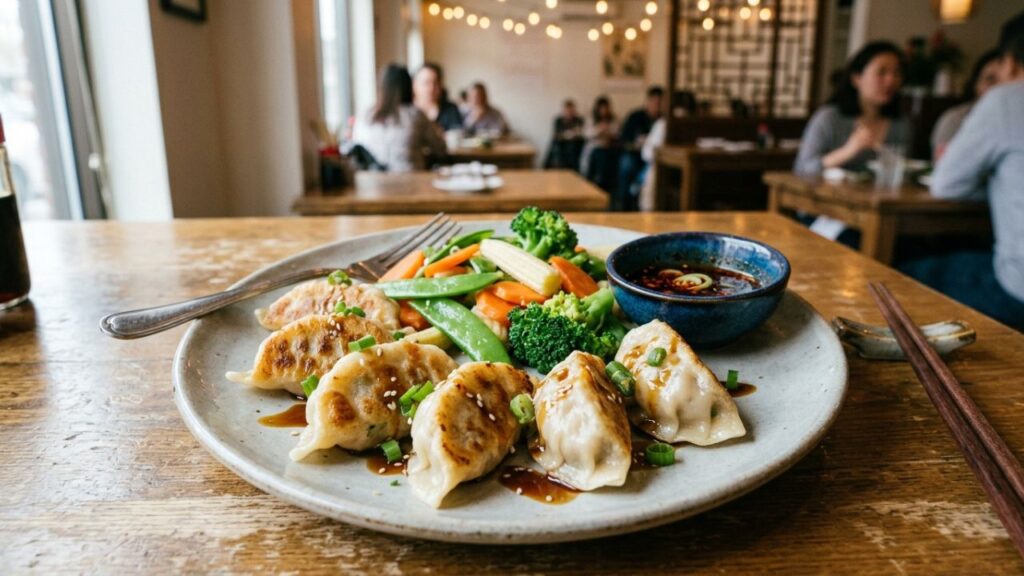
Pair Peking ravioli with a fresh salad or steamed vegetables to round out the meal. Watch out for sauces, as some can be high in sugar and sodium. Opt for lighter, homemade dips like soy sauce with rice vinegar for a healthier choice.
Ingredients Guide – What to Look For
Quality Indicators
When selecting ingredients for your Peking ravioli, freshness is key. Look for dumpling wrappers that are smooth, pliable, and free of cracks. If using ground meat, choose fresh cuts from a butcher or a reliable source to ensure flavor and texture. Cabbage should be crisp and green, not wilting or discolored.
Ingredient Substitutions
If you prefer a vegetarian version, try substituting the meat with finely chopped mushrooms, tofu, or tempeh. You can also use rice vinegar in place of soy sauce for a tangy twist.
Seasonal Considerations
Depending on the time of year, you can adjust the filling to reflect seasonal ingredients. For example, in spring, you might add tender spring onions and peas to the filling, while in fall, you could use roasted squash or root vegetables.
Budget-Friendly Alternatives
If you’re cooking on a budget, you can swap the ground pork for more affordable options like ground chicken or turkey. Also, dumpling wrappers are usually quite inexpensive, but if you’re feeling adventurous, making your own dough is a great option.
Pantry Staples That Enhance the Dish
Ingredients like soy sauce, sesame oil, ginger, garlic, and rice vinegar are essential for making Peking ravioli flavorful. Having a well-stocked pantry with these staples makes it easy to create authentic Chinese flavors at home.
Step-by-Step Cooking Method
Prepare the Filling
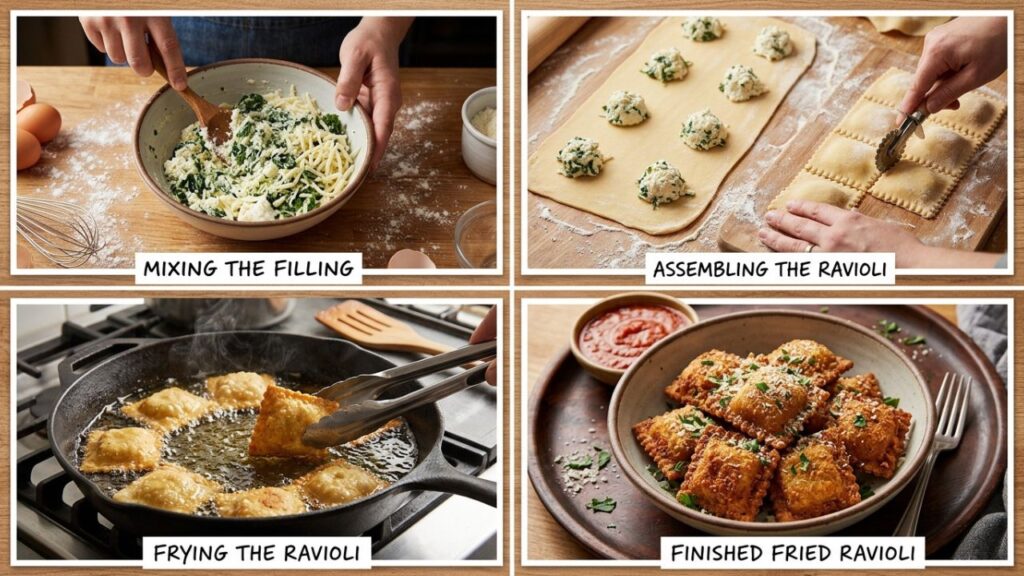
In a bowl, combine ground meat, finely chopped cabbage, garlic, ginger, soy sauce, and sesame oil. Mix well until all ingredients are evenly incorporated. Taste the mixture and adjust seasoning to your liking, making sure it’s flavorful. If you’re looking for more ways to add savory flavors to your meals, check out How to Make Meatball Nirvana at Home.
Assemble the Dumplings
Place a dumpling wrapper on a flat surface, spoon about one tablespoon of filling in the center. Wet the edges of the wrapper with water, fold it in half, and press to seal tightly. Be sure to remove any air pockets and seal the edges well to prevent the filling from leaking during cooking.
Cook the Dumplings
Heat a small amount of oil in a non-stick skillet over medium heat. Once the oil is hot, add the dumplings and cook for 2-3 minutes until the bottom is golden and crispy. Carefully add 1/4 cup of water to the pan, cover, and steam the dumplings for 5-7 minutes until fully cooked.
Serving Suggestions
Pairing with Other Dishes
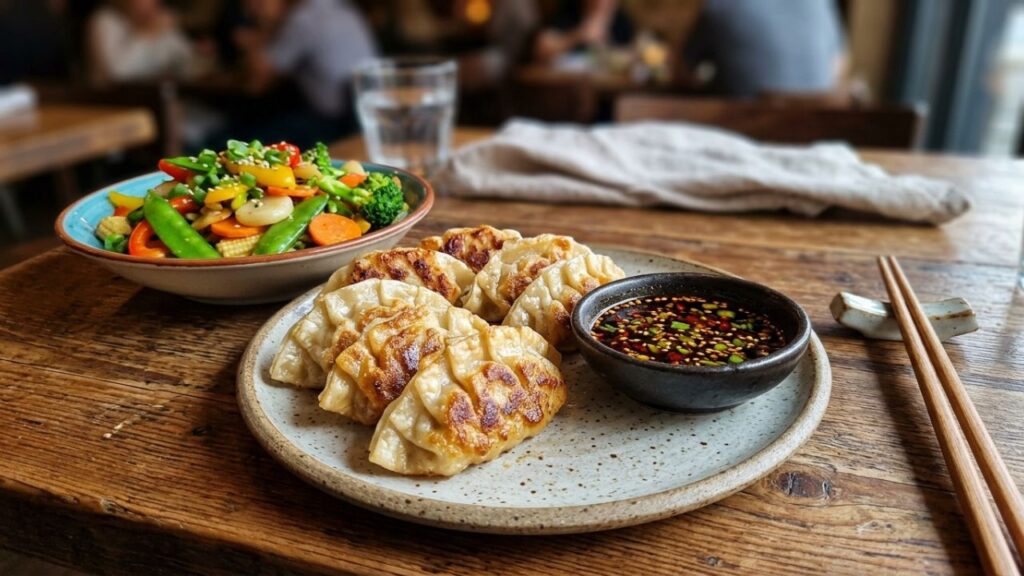
Peking ravioli can be enjoyed on their own or paired with side dishes like fried rice, spring rolls, or a light salad. For a more filling meal, serve them with steamed vegetables or a warming bowl of soup. If you’re hosting, set up a dumpling station where guests can cook their own potstickers for a fun, interactive experience.
Dipping Sauce Ideas
For a simple and flavorful dipping sauce, combine soy sauce, rice vinegar, and a pinch of sugar. This balance of tangy and salty will complement the rich taste of the dumplings perfectly. You can also add a dash of chili oil or minced garlic for an extra punch.
Creative Toppings
Top your Peking ravioli with freshly chopped cilantro or green onions for a burst of freshness. A sprinkle of sesame seeds or a drizzle of sweet chili sauce adds a delightful crunch and extra flavor.
Serving for Entertaining
If you’re hosting a dinner or gathering, consider turning Peking ravioli into an appetizer spread. Offer different sauces like hoisin, chili garlic, or peanut sauce, and let your guests dip to their heart’s content. This makes for a fun, customizable eating experience that everyone will enjoy.
Light Meal Options
For a lighter meal, serve your Peking ravioli alongside a crisp cucumber salad or a tangy Asian-style slaw. The refreshing crunch of these vegetables complements the rich, savory dumplings beautifully.
Seasonal or Occasion Variations
Spring/Summer Adjustments
In the warmer months, lighten up your Peking ravioli by adding fresh herbs like cilantro, mint, or basil to the filling. These herbs bring a refreshing and aromatic twist, making the dumplings perfect for a light summer meal or picnic.
Fall/Winter Comfort Variations
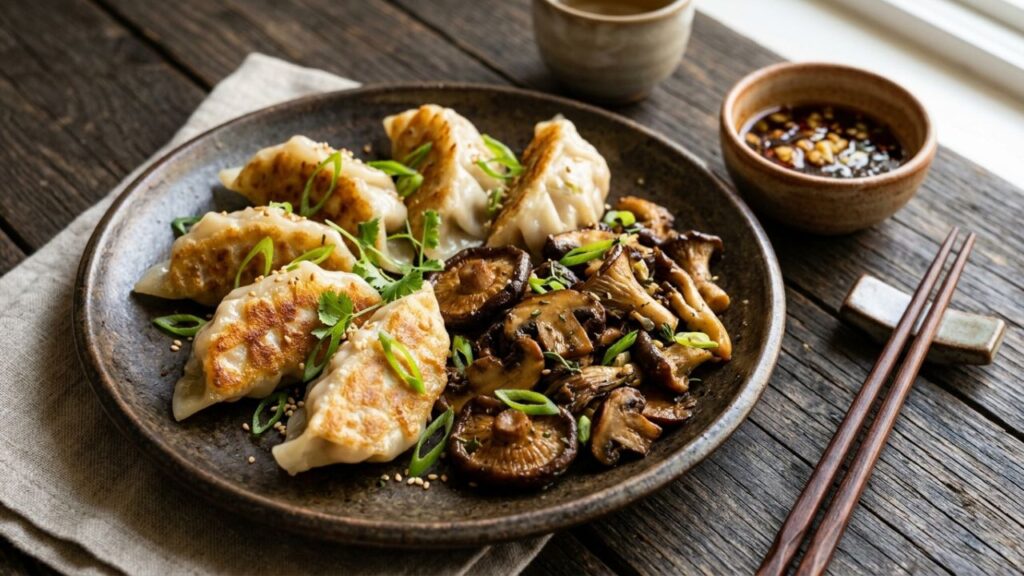
For a cozier, heartier version in the colder months, incorporate roasted butternut squash, mushrooms, or even root vegetables into the filling. These ingredients add warmth and depth, giving your dumplings a satisfying, seasonal flavor perfect for fall and winter.
Holiday Variations
For special occasions or holiday meals, consider adding festive flavors like five-spice powder, star anise, or cinnamon to your filling. You can also use turkey instead of pork for a holiday twist that feels a little lighter yet still festive and flavorful.
Storage & Reheating Tips
Storing Leftovers
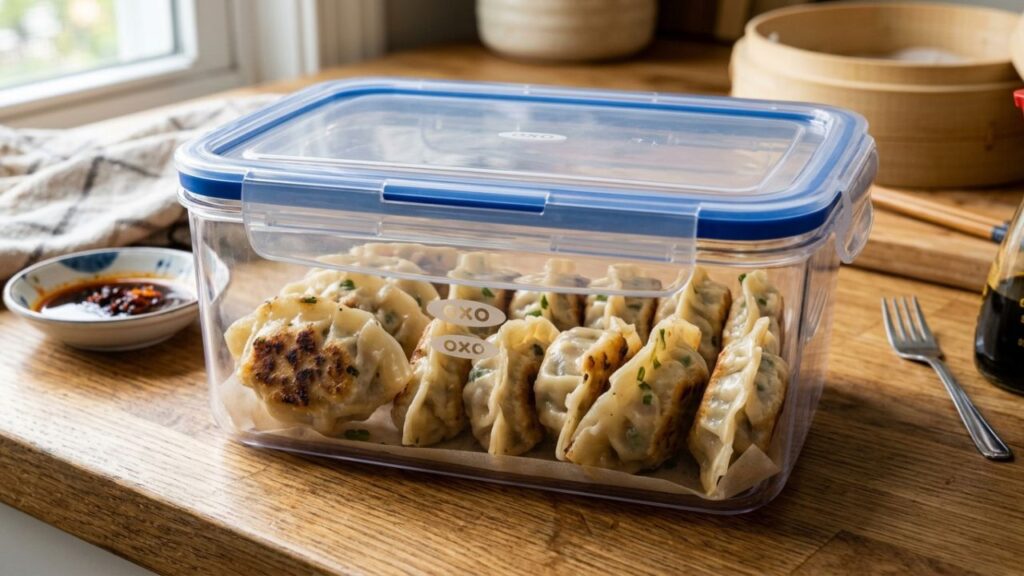
To store leftover Peking ravioli, place them in an airtight container and refrigerate for up to 3 days. This helps maintain their texture and flavor for a few days. If you have uncooked dumplings, freeze them by arranging them in a single layer on a baking sheet. Once frozen solid, transfer them to a freezer bag for long-term storage.
Reheating Leftovers
To reheat your Peking ravioli, you can either steam or pan-fry them again. If pan-frying, add a small amount of oil to the pan and cook until crispy. Alternatively, you can steam them until heated through to preserve the tender, juicy filling and soft wrapper.
Freezing Uncooked Dumplings
If you plan to make a large batch in advance, freezing uncooked dumplings is a great option. Once frozen, you can cook them straight from the freezer by steaming or pan-frying. They will taste just as delicious as when freshly made.
Common Mistakes to Avoid
Overcooking or Undercooking
To achieve the perfect texture, make sure you pan-fry the dumplings until they are golden and crispy on the bottom, then steam them just long enough to cook the filling through without drying it out. Keep an eye on the timing to avoid overcooking the wrappers or undercooking the filling.
Incorrect Seasoning
Before sealing the dumplings, always taste the filling to ensure the seasoning is balanced. A well-seasoned filling enhances the flavor of the entire dumpling, so don’t skip this crucial step.
Poor Ingredient Preparation
Properly prepare your ingredients for the best result. Finely chop the cabbage to avoid excess moisture being released during cooking. If the cabbage is too chunky, it may make the dumplings soggy, impacting both texture and flavor.
Frequently Asked Questions
1. Can I make the dumpling wrappers from scratch?
Yes, making homemade wrappers is a great option, though it requires a bit more time and effort. The basic ingredients are flour, water, and a pinch of salt.
2. What is the best way to freeze Peking ravioli?
Arrange the uncooked dumplings on a baking sheet in a single layer and freeze until solid. Once frozen, transfer them to a freezer bag for easy storage.
3. Can I make the filling ahead of time?
Yes, you can prepare the filling ahead of time and store it in the refrigerator for up to 2 days.
4. How can I make a vegetarian version of Peking ravioli?
Use finely chopped mushrooms, tofu, or other vegetables as a filling base instead of meat for a vegetarian alternative.
5. Can I bake Peking ravioli instead of pan-frying them?
Yes, you can bake them, but the texture may not be as crispy on the bottom. Lightly brush with oil and bake at 375°F for about 20-25 minutes.
6. How do I know when the dumplings are fully cooked?
The filling should be hot throughout, and the wrapper should be golden brown on the bottom with a slightly translucent top.
Conclusion
There’s something truly satisfying about making Peking ravioli at home. The process of filling, folding, and frying or steaming these dumplings brings the delicious flavors of Chinese cuisine into your kitchen, all while offering a fun, hands-on cooking experience. Whether you’re a beginner or a seasoned home cook, crafting these crispy, juicy dumplings is an enjoyable way to explore new flavors and share a memorable meal with loved ones.
Note: While I am not a medical professional, for more guidance on creating heart-healthy meals, you can consult experts like Dr. Andrew Weil, She provides valuable advice on incorporating nutrient-dense ingredients like lean meats and vegetables into your meals. For more tips on preparing wholesome, delicious dishes, be sure to explore our healthy eating guides for inspiration.
About the Author
Oliver Brooks is a passionate home cook and culinary blogger who loves helping others create flavorful, approachable meals at home. With a focus on easy-to-follow recipes and fresh ingredients, Oliver Brooks brings the joy of cooking to readers around the world.