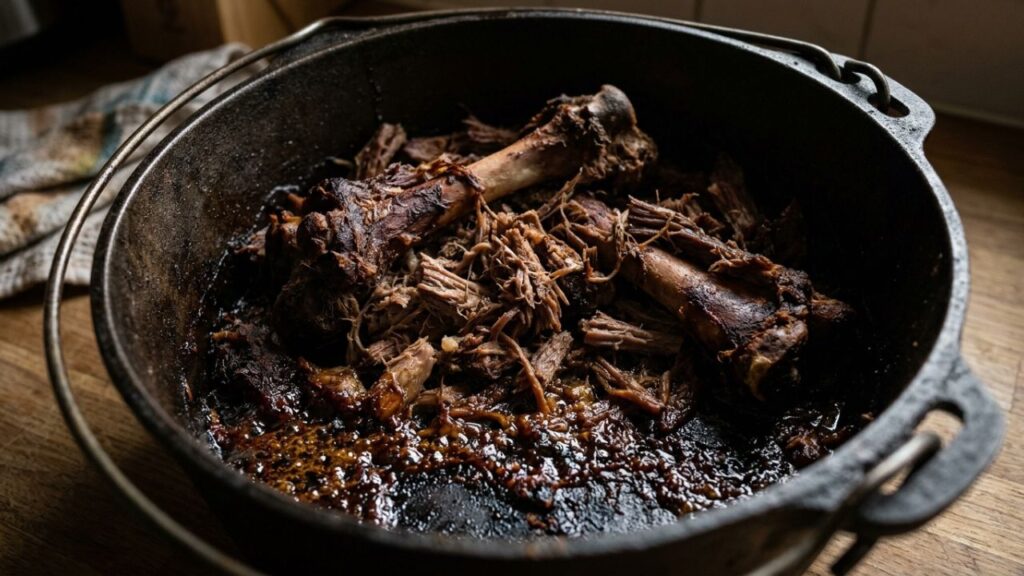
Fresh ham hocks are a traditional pork cut that has long been valued for its ability to add rich flavor and satisfying texture to home-cooked meals. While they may not receive as much attention as pork chops or pork shoulder, fresh ham hocks remain an important ingredient in many kitchens because of their versatility and deep savory character.
Unlike smoked ham hocks, fresh ham hocks are uncured and unsmoked, giving you full control over flavor. Their mix of meat, bone, skin, and connective tissue adds richness to any dish. They work perfectly in broths, soups, stews, and braises. For more tips on flavorful cooking, see How Do You Cook Soup Bones for a Rich Homemade Broth?
For home cooks interested in traditional ingredients and slow-cooking methods, fresh ham hocks offer excellent value and impressive results. In my own kitchen, I often find that giving ham hocks a little extra cooking time rewards you with exceptionally tender meat and a broth packed with flavor.

What Are Fresh Ham Hocks?
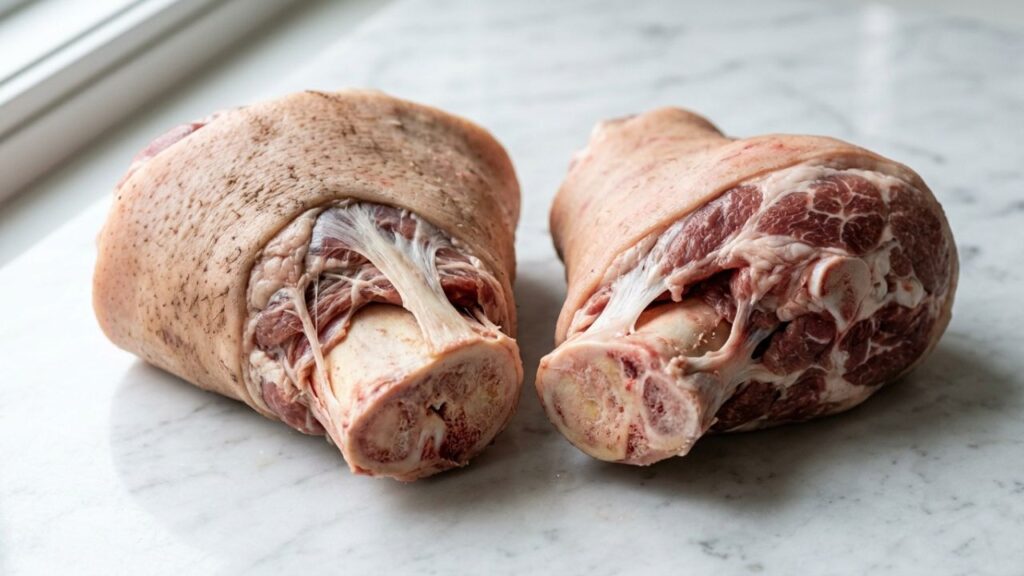
Fresh ham hocks come from the lower portion of a pig’s leg, located between the ham and the foot, and they include a combination of meat, skin, bone, fat, and connective tissue that makes them especially valuable for slow cooking. Because of this structure, they are best suited for long, gentle cooking methods where the natural collagen and connective tissue gradually break down and create a rich, flavorful base for soups, stews, and braised dishes.
According to Dr. Michael Greger (M.D., nutrition expert), fresh ham hocks should be eaten in moderation because they are high in fat and sodium compared to lean protein options. He suggests balancing rich foods like this with plenty of vegetables, whole grains, and legumes to support overall health and nutrition. He also emphasizes that home-cooked meals with simple, minimally processed ingredients are generally a healthier choice for long-term well-being.
Fresh vs. Smoked Ham Hocks
One of the key differences in cooking is understanding fresh versus smoked ham hocks, as fresh ham hocks are uncured and unsmoked, offering a clean and neutral pork flavor that adapts easily to different seasonings and cuisines. Smoked ham hocks, in contrast, already carry a strong smoky taste that can dominate a dish, while fresh ham hocks allow cooks to fully control the final flavor profile.
Flavor Profile
Fresh ham hocks develop a naturally savory and meaty flavor that becomes richer during slow cooking, especially as the collagen breaks down into gelatin. This process creates a deep, comforting taste and a slightly silky texture in the cooking liquid, making them ideal for hearty dishes that rely on layered, slow-developed flavor.

Why fresh ham hocks Are Popular
Rich Flavor Development
Fresh ham hocks are widely appreciated because they deliver deep, layered flavor despite being an affordable cut of meat. The combination of bone, meat, and connective tissue allows them to release savory richness during cooking, which gradually intensifies and improves the overall taste of the dish.
Excellent Texture
When cooked properly using slow cooking, braising, simmering, or pressure cooking, fresh ham hocks transform into tender, pull-apart meat while their natural collagen melts into gelatin, creating a smooth and slightly silky texture in broths and sauces. These cooking techniques help break down the connective tissue evenly, making them especially satisfying in slow-cooked meals where texture plays an important role.
Budget-Friendly Value
Another reason fresh ham hocks are popular is their affordability compared to many premium pork cuts, making them an accessible option for home cooks. Despite their lower cost, they are capable of producing deeply flavorful and filling meals that can easily serve multiple people.
Versatility in Everyday Meals
Fresh ham hocks are highly versatile and can be used in a wide range of dishes, including soups, stews, bean-based meals, and slow-braised recipes. Their ability to blend with different ingredients makes them suitable for both traditional comfort food and simple everyday home cooking.

Health Benefits and Nutritional Considerations
Protein Content
Fresh ham hocks provide a good amount of protein, which supports muscle maintenance and helps keep meals more filling and satisfying. When included in a balanced diet, protein-rich ingredients like ham hocks can contribute to steady energy and make simple home-cooked dishes feel more complete.
Essential Minerals
This cut of pork contains important minerals such as iron and zinc, both of which play key roles in normal body functions. Iron supports oxygen transport in the body, while zinc contributes to immune health and overall well-being, making fresh ham hocks a meaningful addition when enjoyed as part of a varied diet.
Natural Collagen
One of the most unique qualities of fresh ham hocks is their natural collagen content, which breaks down during slow cooking. As the collagen transforms into gelatin, it gives soups, stews, and braised dishes a rich, silky texture that enhances both mouthfeel and overall depth of flavor.
Creating Balanced Meals
Because fresh ham hocks are naturally rich and flavorful, they work best when paired with vegetables, legumes, or whole grains to create balance on the plate. Ingredients like cabbage, carrots, beans, and leafy greens help lighten the richness while adding freshness, texture, and nutritional variety.

Ingredients & Cooking Basics
Choosing Quality Fresh Ham Hocks
When selecting fresh ham hocks, it is important to look for cuts that have firm texture and a pink to reddish color, as this indicates freshness. The surface should feel moist but not sticky, and the aroma should be clean without any strong or unpleasant smell, ensuring you are starting with a quality ingredient.
Key Flavor Ingredients
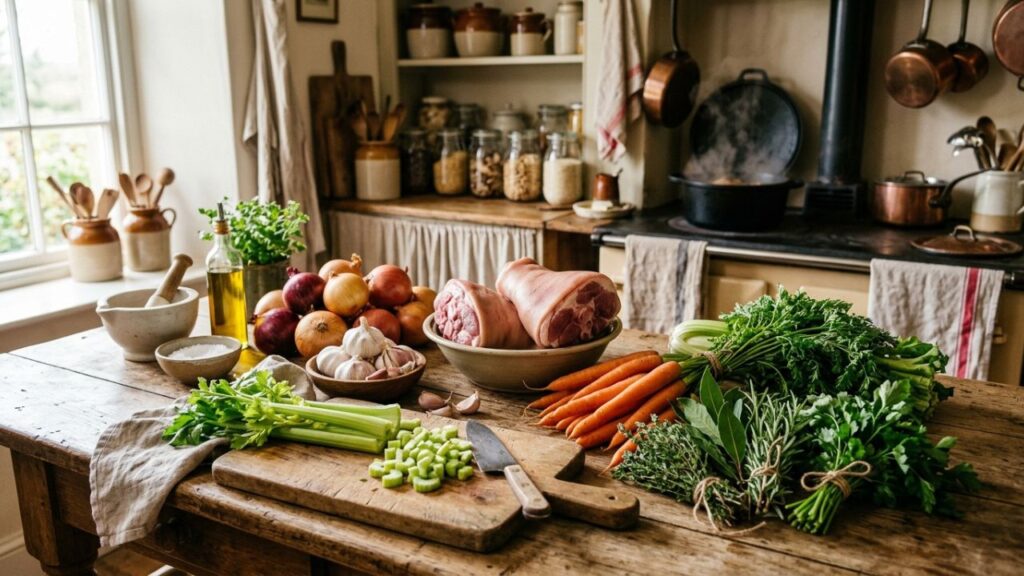
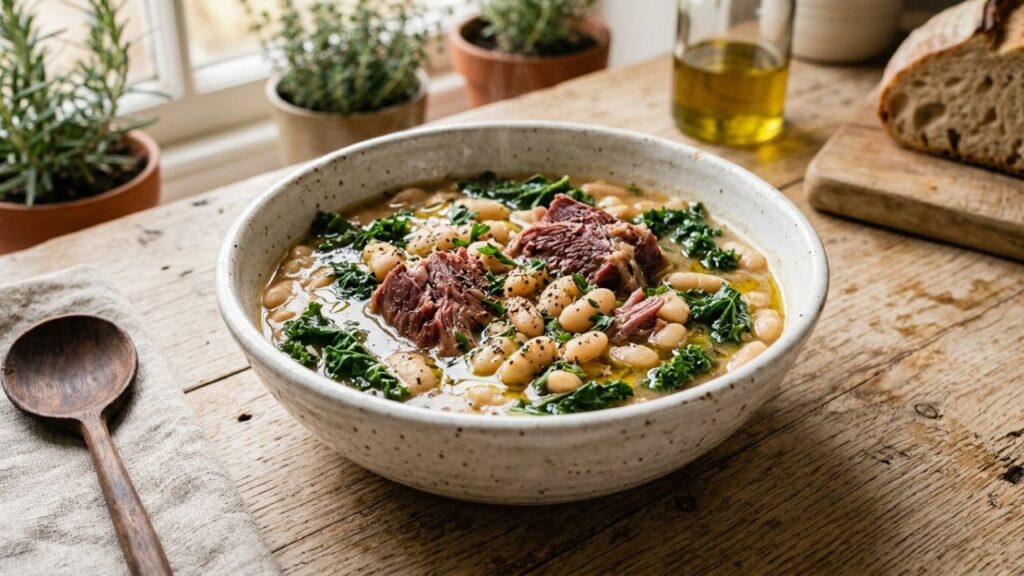
Fresh ham hocks naturally pair with aromatic vegetables such as onions, garlic, carrots, and celery, which help build a flavorful base during cooking. Herbs like thyme, rosemary, parsley, and bay leaves enhance the savory depth, while ingredients such as beans, lentils, potatoes, and greens absorb the rich cooking liquid and turn it into a complete meal.
Importance of Slow Cooking
Slow cooking is essential when working with fresh ham hocks because their connective tissue needs time to break down properly. As the collagen slowly converts into gelatin, the meat becomes tender and the cooking liquid develops a deeper, more satisfying flavor, which is why patience plays such an important role in this ingredient.
Common Cooking Methods
Fresh ham hocks can be prepared using several methods, including braising, simmering, slow cooking, or pressure cooking, all of which allow enough time for the meat to become tender. Each method helps extract flavor from the bone and connective tissue while ensuring the final dish remains rich and moist.
Practical Ingredient Substitutions
If fresh ham hocks are not available, pork shanks or pork knuckles are excellent substitutes because they share a similar texture and flavor profile. These alternatives respond well to the same cooking techniques and can be used in most recipes without significantly changing the final result.

How to Cook Fresh Ham Hocks
Preparing the Meat
Before cooking, pat the ham hocks dry and season lightly with salt and pepper to enhance their natural flavor. This step also improves browning, creating a richer base for your dish. For more tips on developing rich flavors in braised meats, see How to Cook Side Pork Tender & Flavorful Perfect Results!
Building Flavor
Browning the ham hocks before adding liquid is an important step because it creates caramelization that deepens the overall taste of the dish. This simple technique adds complexity and helps develop a richer, more flavorful cooking base.
Slow Simmering
After browning, aromatics, herbs, and enough liquid are added to partially cover the meat, and the ham hocks are left to simmer gently over low heat. Depending on the cooking method, this process can take several hours, but it is essential for breaking down the connective tissue and achieving tender meat.
Knowing When They Are Done
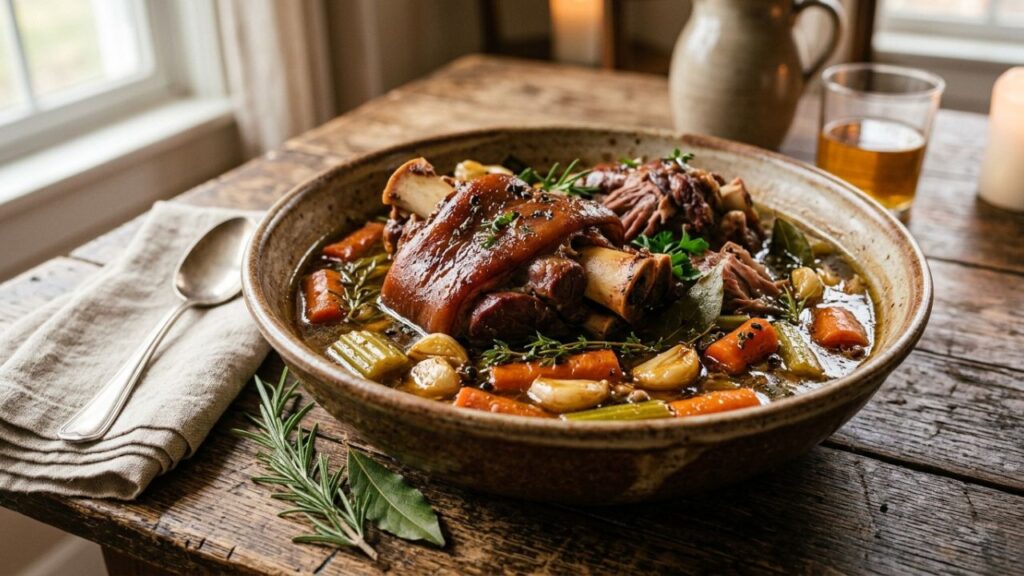
Fresh ham hocks are properly cooked when the meat becomes tender enough to pull easily away from the bone with a fork. At this stage, the broth should look rich and flavorful, indicating that the natural juices and collagen have fully developed into a deeply satisfying base.

Serving Suggestions
Classic Side Dish Pairings
Fresh ham hocks pair beautifully with a wide range of comforting side dishes that help balance their rich and savory flavor. Mashed potatoes, steamed rice, beans, crusty bread, and cooked greens are some of the most common and satisfying choices. These sides absorb the flavorful cooking juices and turn the meal into a complete, hearty plate.
Everyday Meal Combinations
For simple family meals, fresh ham hocks can be served alongside roasted vegetables or hearty grain-based dishes. Ingredients like carrots, cabbage, lentils, or barley work especially well because they complement the deep, slow-cooked flavor of the meat. These combinations create balanced meals that feel both filling and wholesome.
Serving Style for Casual Meals
During casual home dinners, ham hocks are often served directly from the cooking pot with their vegetables and broth. This rustic style keeps the preparation simple while highlighting the natural richness of the dish. It also allows the cooking liquid to act as a light sauce that ties everything together.
Presentation for Gatherings
For larger meals or gatherings, the meat can be carefully shredded and arranged on a serving platter or buffet-style table. It can be paired with vegetables, bread, or grains to create a shared dish that is easy for guests to enjoy. This approach makes fresh ham hocks suitable not only for everyday cooking but also for special occasions.

Seasonal and Everyday Uses
Spring and Summer
During warmer months, fresh herbs, peas, green beans, and lighter vegetable combinations help create a fresher presentation.
Fall and Winter
Cooler seasons often call for heartier combinations featuring potatoes, carrots, cabbage, beans, and root vegetables.
Making Use of Leftovers
Leftover ham hock meat can be added to soups, pasta dishes, rice bowls, sandwiches, and vegetable-based meals. The flavorful cooking liquid can also be reused as a base for future recipes.

Storage and Reheating Tips
Proper Refrigeration
Freshly cooked ham hocks should be cooled and placed in the refrigerator as soon as possible. They should always be stored in airtight containers to maintain their moisture, flavor, and texture. When stored correctly, they typically remain fresh and safe to eat for three to four days.
Freezing for Longer Storage
If you want to keep cooked ham hocks for a longer period, freezing is the best option. It is helpful to divide them into smaller portions before freezing so they can be used easily in future meals without thawing the entire batch. Properly frozen ham hocks can maintain good quality for several months.
Gentle Reheating Methods
Reheating should always be done slowly to preserve the tenderness of the meat. The best methods include gentle warming on the stovetop or reheating in the oven with a small amount of broth or cooking liquid added to keep everything moist. High heat should be avoided because it can dry out the meat and affect its texture.
Food Safety Reminder
Leftovers should always be reheated thoroughly until they are evenly hot throughout before serving. Ensuring proper internal heat is important for both safety and quality of the dish. Careful reheating helps preserve the rich flavor and satisfying texture developed during cooking.

Common Mistakes to Avoid
Cooking Too Quickly
Fresh ham hocks need slow and gentle cooking to break down properly. High heat can make the meat tough and reduce the depth of flavor in the broth. Patience is key for tender and rich results.
Over-Seasoning Early
Adding too much salt at the beginning can become a problem because the liquid reduces as it cooks. This can lead to an overly salty final dish that is difficult to fix later. It is better to adjust seasoning near the end of cooking.
Skipping the Browning Stage
Although optional, browning the ham hocks before simmering adds extra depth and richer flavor. This step creates a more complex and well-developed taste in the final dish. Skipping it may result in a lighter flavor profile.
Ignoring Ingredient Balance
Fresh ham hocks are rich and flavorful, so they need balance from vegetables, herbs, and other ingredients. Without this balance, the dish can feel too heavy or one-dimensional. Adding fresh elements helps create a more complete meal.
Frequently Asked Questions
1. What is the difference between fresh and smoked ham hocks?
Fresh ham hocks are uncured and unsmoked, giving a clean pork flavor. Smoked ham hocks are cured and smoked, which adds a strong smoky taste.
2. Why do fresh ham hocks require long cooking times?
They contain collagen and connective tissue that need slow cooking to break down properly. This process is what makes the meat tender and flavorful.
3. Can fresh ham hocks be cooked in a slow cooker?
Yes, slow cookers are ideal for fresh ham hocks because they cook them gently over several hours. This helps develop deep flavor and soft texture.
4. What vegetables pair best with fresh ham hocks?
Carrots, onions, celery, cabbage, potatoes, and beans work best with their rich flavor. These vegetables also absorb the cooking juices nicely.
5. Can fresh ham hocks be frozen?
Yes, both raw and cooked ham hocks can be frozen safely if stored properly. They should be kept in airtight packaging to maintain quality.
6. How can I tell when fresh ham hocks are fully cooked?
The meat should be tender enough to pull easily from the bone. It should also feel soft when pierced with a fork and look richly cooked throughout.
Conclusion
Fresh ham hocks are a deeply flavorful ingredient that reward slow, patient cooking with rich taste and tender texture. When prepared with simple aromatics and balanced ingredients, they can easily become the base of comforting soups, stews, and family-style meals.
While I’m not a medical professional, Dr. Michael Greger (M.D.) often highlights the importance of balancing richer meat-based dishes with vegetables, whole grains, and plant-based foods for overall health. By enjoying fresh ham hocks in moderation and pairing them with wholesome sides, you can create satisfying meals that are both traditional in flavor and balanced in nutrition.
About the Author
Oliver Brooks is a passionate food writer and home cook who enjoys exploring traditional ingredients and practical cooking techniques. With a focus on approachable recipes and ingredient education, they help readers build confidence in the kitchen while creating flavorful meals from everyday ingredients.