How Do You Cook Highland beef for Tender Delicious Meals?

Highland beef is a distinctive type of beef known for its rich flavor, tender texture, and versatility in the kitchen. It comes from Highland cattle, a traditional breed raised in rugged environments, and has become a favorite ingredient among home cooks who value quality meat and slow, thoughtful cooking.

Whether you’re preparing a comforting family dinner, a hearty weekend roast, or a simple grilled steak, Highland beef delivers a deep, natural flavor that works well with a wide range of cooking methods. Similar to the techniques discussed in How to Cook Galician Blond Steak for Tenderness and Flavor, proper cooking methods can help bring out the best texture and taste in premium cuts of beef. Its natural qualities make it suitable for both traditional recipes and more modern home cooking styles.

In this guide, we’ll take a closer look at Highland beef, exploring what makes it unique in terms of flavor, texture, and culinary versatility. You’ll also learn how proper selection, preparation, and cooking techniques can help you turn this ingredient into tender, flavorful, and satisfying meals at home.

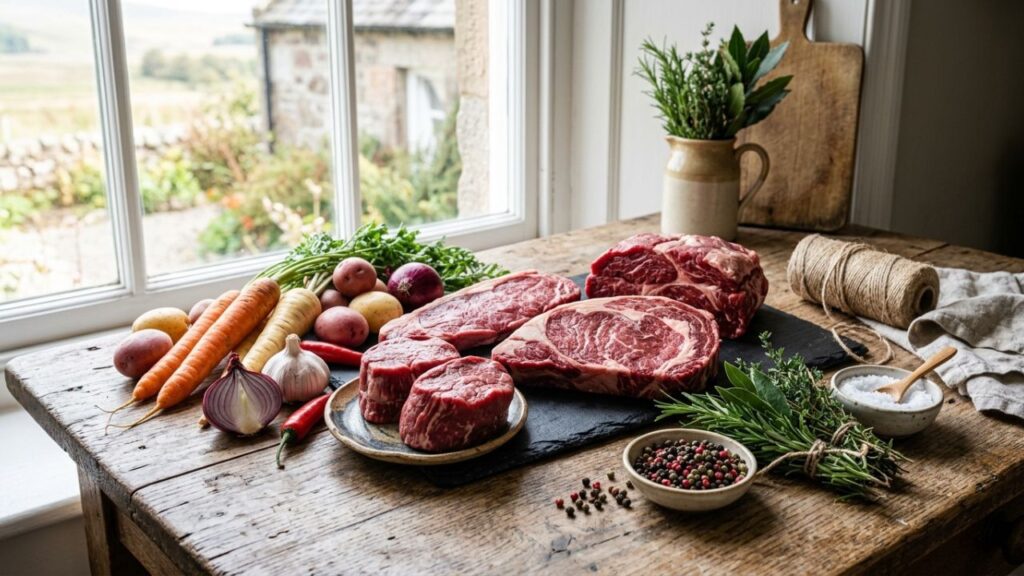
Raw Highland beef cuts arranged with herbs and vegetables
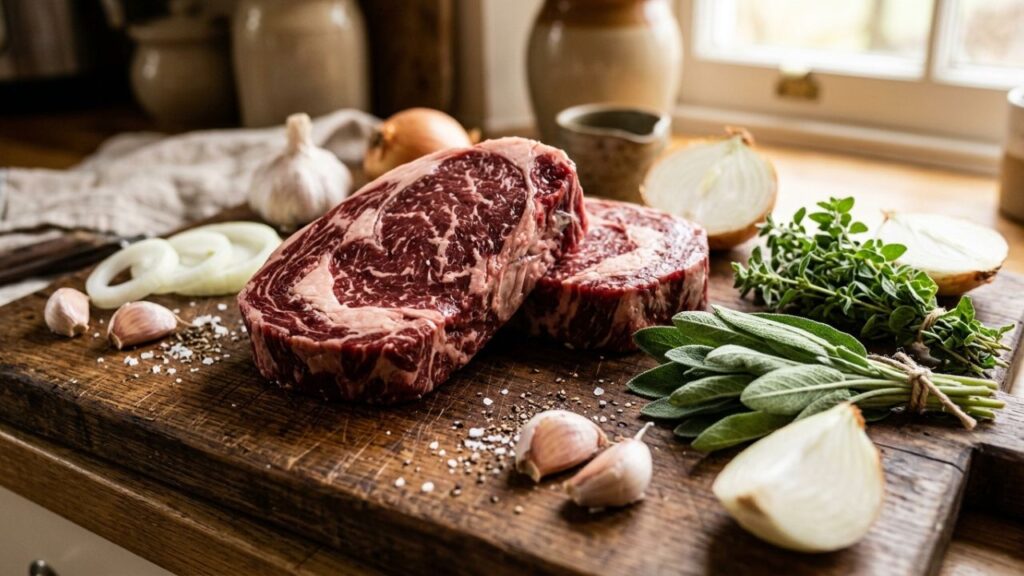
Fresh Highland beef prepared with natural ingredients.

What Is Highland Beef?

The Origin of Highland Beef

Highland beef comes from Highland cattle, a traditional breed raised in rugged and natural grazing environments. These animals are known for their ability to survive in harsh weather conditions, which contributes to the unique quality of the meat. Over time, they have become valued not only for their resilience but also for the rich flavor of their beef.

According to Dr. Walter Willett, a well-known US nutrition expert from Harvard University, moderate intake of red meat can be part of a balanced and healthy diet when combined with vegetables, whole grains, and healthy fats. Highland beef provides high-quality protein that supports muscle growth, repair, and overall body strength when included in proper portions. It is also a natural source of iron, vitamin B12, zinc, and other essential nutrients that help maintain energy levels and support immune function.

Characteristics of Highland Beef

Highland beef is known for its deep red color, fine texture, and naturally balanced marbling. It often appears leaner than many other beef types but still maintains tenderness when cooked properly. This makes it suitable for a wide range of cooking styles from grilling to slow roasting.

Flavor Profile and Texture

The flavor of Highland beef is rich, savory, and well-balanced with a clean beef taste that is not overly heavy. Its texture is fine-grained and becomes very tender when cooked with proper techniques. Because of its natural taste, it works well with simple seasonings like salt, pepper, and herbs.

Traditional Culinary Uses

Traditionally, Highland beef is used in dishes such as roasts, stews, braised meals, and grilled recipes. These cooking methods help highlight its natural flavor while creating comforting and satisfying dishes. It is commonly enjoyed in both everyday meals and special occasions.


Cooked served with vegetables on a dinner plate
A simple and comforting Highland beef meal.

Why Highland Beef Is Popular in Home Cooking

Rich Natural Flavor

Highland beef is popular because of its naturally rich and deep flavor that does not require heavy seasoning. Even simple cooking methods can bring out its full taste and aroma. This makes it a favorite for home cooks who prefer natural ingredients.

Tenderness When Properly Cooked

When cooked correctly, Highland beef can be extremely tender and juicy. Tender cuts are ideal for quick cooking methods, while tougher cuts become soft through slow cooking. This flexibility makes it suitable for cooks of all experience levels.

Versatility Across Cooking Methods

Highland beef can be cooked in many ways, including roasting, grilling, braising, and slow cooking. Each method brings out different qualities depending on the cut used. This versatility makes it useful for many types of recipes.

Suitable for Everyday and Special Meals

Highland beef works well for both casual family dinners and special occasions. Its rich flavor gives a sense of comfort while still feeling special enough for guests. This balance makes it a practical choice for many households.


 Slices served with fresh green vegetables
Highland beef as part of a balanced diet.

Health Benefits of Highland Beef

High-Quality Protein Source

Highland beef is a rich source of complete protein that supports muscle growth and repair. It also helps maintain energy levels and overall body function. Including it in meals can support a balanced and active lifestyle.

A Natural Source of Iron

This beef contains iron, which is essential for carrying oxygen in the blood. It helps support energy production and reduces fatigue when included in a balanced diet. Iron-rich foods like Highland beef are often recommended for overall health.

Rich in Essential Vitamins and Minerals

Highland beef contains important nutrients such as vitamin B12, zinc, phosphorus, and selenium. These nutrients support immunity, energy production, and cell health. Together, they make it a nutrient-dense food choice.

Can Fit Into a Balanced Diet

When eaten in proper portions with vegetables and whole grains, Highland beef can fit well into a balanced diet. The key is moderation and combining it with other healthy foods. This helps maintain both nutrition and variety in meals.


Steak being seared in a hot pan
Basic cooking step: searing for flavor.

Essential Cooking Basics for Highland Beef

Bringing Meat to Room Temperature

Letting rest at room temperature for about 30 minutes helps it cook more evenly. This allows the meat to relax and reduces the risk of uneven doneness. It also improves the overall texture after cooking.

Proper Seasoning Technique

Simple seasoning with salt and black pepper is usually enough for Highland beef. It should be applied evenly just before cooking to enhance natural flavor. Over-seasoning can hide the beef’s natural richness.

Importance of Searing

Searing Highland beef in a hot pan creates a deep brown crust full of flavor. This step helps lock in juices and improves the final taste of the dish. It is an essential part of building rich flavor.

Understanding Internal Temperature

Using a thermometer helps ensure Highland beef is cooked correctly. Different cuts require different temperatures depending on cooking style. This prevents overcooking and keeps the meat tender.

Resting After Cooking

Resting Highland beef after cooking allows the juices to settle inside the meat. This keeps it moist and tender when sliced. Skipping this step can make the meat dry and less flavorful.


Highland beef roasting in a pot with vegetables
Slow cooking Highland beef for tenderness.

Common Cooking Methods for Highland Beef

Roasting

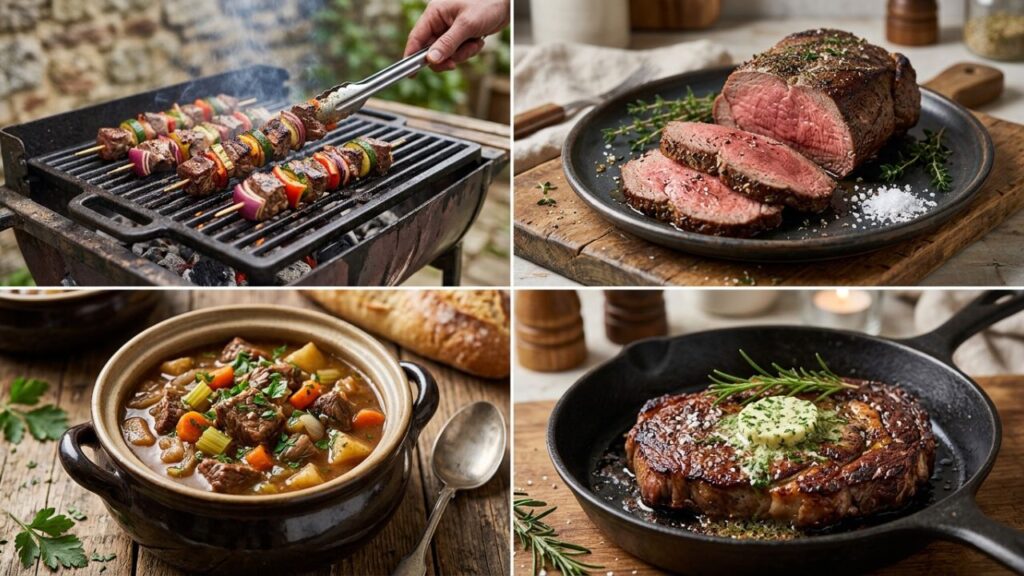
Roasting is one of the most reliable ways to cook larger cuts of Highland beef in a slow and controlled manner. The gentle oven heat allows the meat to cook evenly while developing deep, rich flavors on the outside. It also creates a tender, juicy interior that works perfectly for family-style meals and special occasions. For a deeper guide on roasting techniques, you can follow How to Cook a Perfect Pikes Peak Roast at Home.

Braising

Braising is a slow cooking technique where the beef is first seared and then cooked in a flavorful liquid over low heat for a long period. This method works especially well for tougher cuts, as the slow simmering process breaks down the fibers and makes the meat soft and tender. It also allows the beef to absorb all the flavors from herbs, spices, and broth.

Grilling

Grilling is best suited for tender cuts such as steaks that cook quickly over high heat. The intense heat creates a slightly smoky, charred crust while keeping the inside juicy and full of flavor. It is a great option for quick meals and outdoor cooking when you want bold taste in less time.

Pan-Searing

Pan-searing is a fast cooking method that locks in the natural juices while creating a golden-brown crust on the surface. It is usually done in a hot skillet with a small amount of oil to enhance flavor and texture. This method works well for steaks and smaller cuts that need quick cooking without losing moisture.

Slow Cooking

Slow cooking is ideal for busy days and tougher cuts of Highland beef that need time to become tender and flavorful. The meat is cooked gently over several hours, allowing it to break down slowly and absorb the richness of the cooking liquid and seasonings. The result is soft, melt-in-the-mouth beef that requires minimal effort.


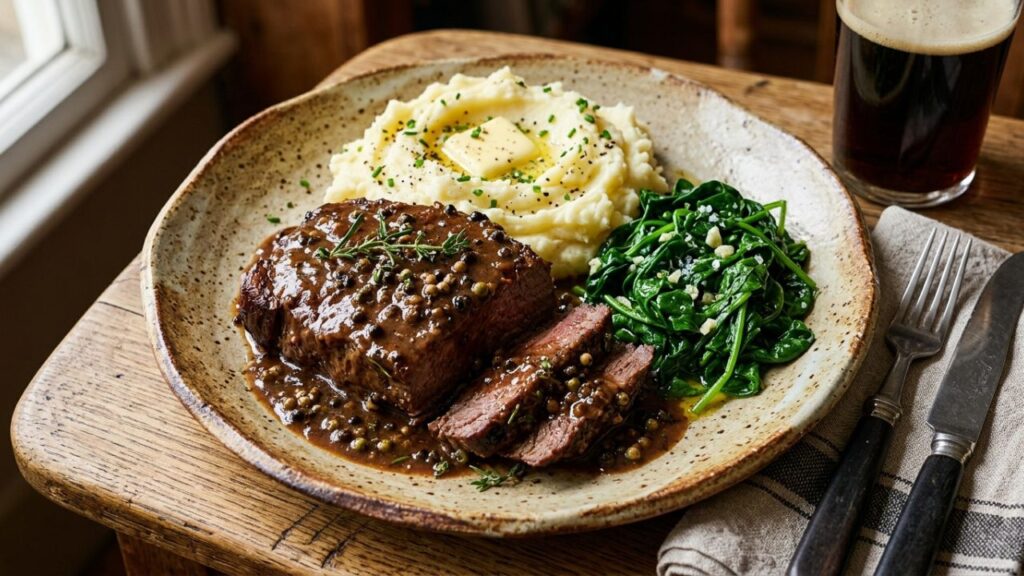
Cooked Highland beef with vegetables and mashed potatoes
A complete Highland beef meal.

Serving Suggestions

Pairing With Vegetables

Highland beef pairs naturally with vegetables like roasted carrots, potatoes, green beans, mushrooms, and seasonal greens. These vegetables help balance the richness of the beef and add color, texture, and nutrition to the plate. Together, they create a well-rounded and satisfying meal that feels both hearty and wholesome.

Choosing Complementary Sauces

Simple sauces work best with Highland beef because they enhance rather than overpower its natural flavor. Light gravies, mushroom sauces, and herb-based sauces add moisture and depth while keeping the focus on the meat itself. A well-made sauce can also bring extra richness to every bite.

Family-Style Serving Ideas

For a warm and inviting meal, can be served sliced on a large platter surrounded by roasted vegetables. This style of presentation encourages sharing and makes the dining experience feel more relaxed and homely. It is especially suitable for gatherings and family dinners where comfort food is appreciated.

Simple Weeknight Meal Combinations

For everyday meals, Highland beef can be paired with mashed potatoes, steamed rice, or a fresh green salad. These simple sides keep preparation easy while still creating a balanced and filling plate. It is a practical way to enjoy a nutritious dinner without spending too much time in the kitchen.


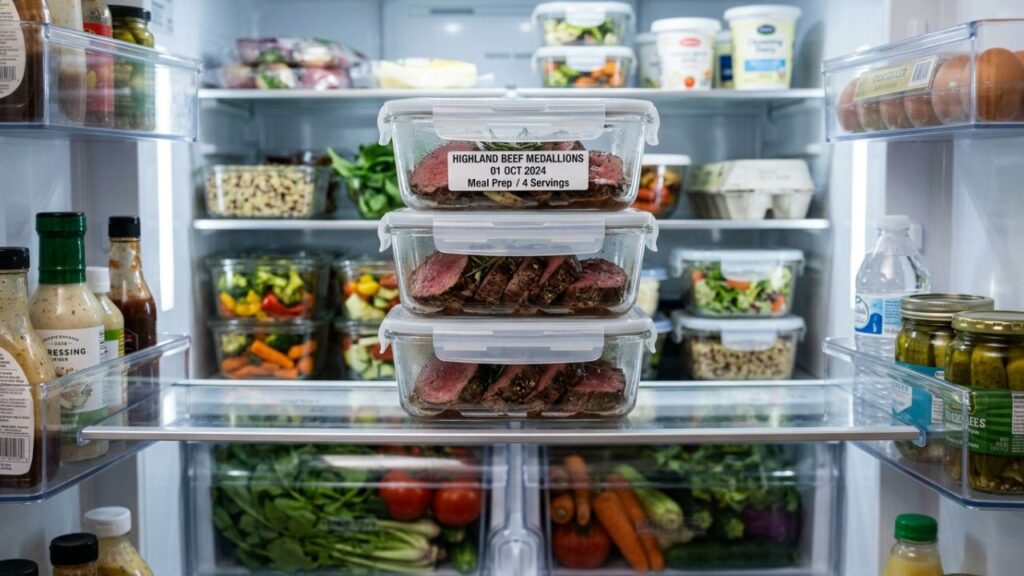
Cooked Highland beef stored in refrigerator containers
Proper storage keeps beef fresh longer.

Storage and Reheating Tips

Cooked beef should be stored in airtight containers once it has cooled to room temperature. Proper refrigeration helps maintain its freshness and keeps the meat safe to eat for several days. It is best to store it with a little cooking juice to prevent dryness.

Freezing for Longer Storage

For longer storage, beef can be frozen in airtight or vacuum-sealed packaging. This helps preserve its flavor and texture for weeks or even months without significant quality loss. Always label the container with the date so you can track freshness easily.

Best Reheating Methods

The best way to reheat beef is slowly over low heat to avoid drying it out. Adding a splash of broth or sauce helps restore moisture and keeps the meat tender. Gentle reheating ensures the beef retains its original flavor and soft texture.

Food Safety Considerations

Leftover beef should always be refrigerated within two hours of cooking to prevent bacterial growth. When reheating, make sure it is heated thoroughly and evenly before serving. Proper handling ensures both safety and quality in every bite.


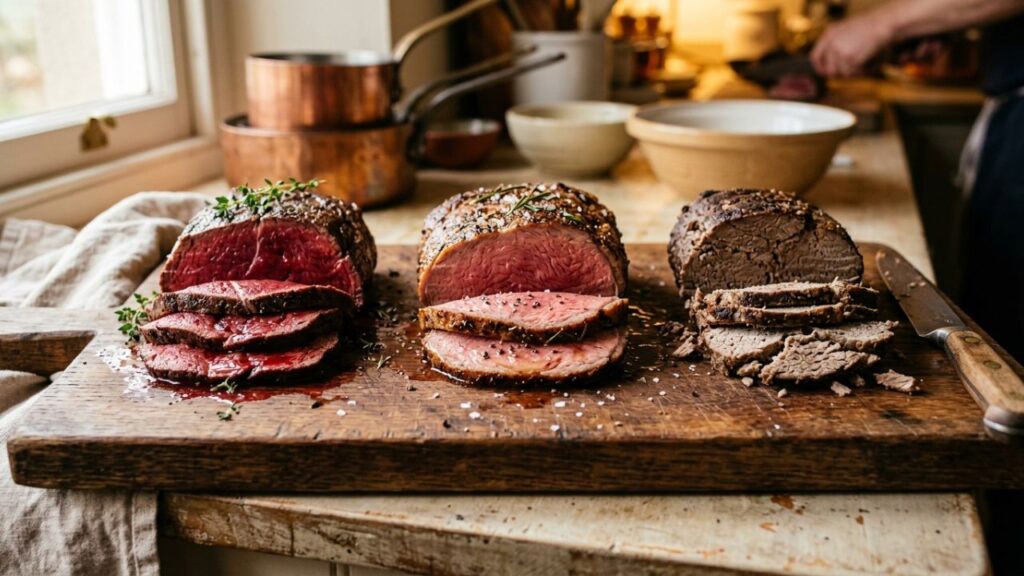
Different doneness levels of cooked Highland beef
Common cooking mistakes to avoid.

Common Mistakes to Avoid

Choosing the Wrong Cut

Using the wrong cut for a specific cooking method can lead to disappointing results in texture and flavor. Tender cuts are best for quick cooking, while tougher cuts need slow and long cooking methods to become soft and enjoyable.

Overcooking Lean Cuts

Lean cuts of Highland beef can easily become dry and tough if cooked for too long. Careful timing and temperature control are important to preserve their natural juiciness and delicate texture.

Undercooking Tough Cuts

Tough cuts require enough cooking time to break down connective tissue and become tender. If they are undercooked, they may remain chewy and less pleasant to eat.

Skipping the Resting Period

Resting the meat after cooking is essential because it allows the juices to redistribute evenly. Skipping this step can cause the juices to run out when slicing, making the meat less moist.

Using Too Much or Too Little Seasoning

Seasoning must be balanced to bring out the natural flavor of without overpowering it. Too little seasoning can make the dish bland, while too much can hide the meat’s natural richness.

Frequently Asked Questions

1. Is Highland beef naturally tender?

Yes, Highland beef is known for its fine texture and natural tenderness when handled and cooked correctly. Tender cuts require minimal cooking, while tougher cuts become tender through slow cooking methods.

2. What is the best way to cook Highland beef?

The best cooking method depends on the specific cut of beef you are using. Steaks are ideal for grilling or pan-searing, while roasts and tougher cuts benefit from slow roasting or braising.

3. Does Highland beef require marinating?

Marinating is not always necessary because Highland beef already offers a rich and distinctive flavor. However, a simple marinade can add extra depth and help tenderize certain cuts before cooking.

4. How long should Highland beef rest after cooking?

Allowing Highland beef to rest for 10 to 20 minutes after cooking helps retain its natural juices. This simple step improves both the texture and overall eating experience.

5. What herbs pair best with Highland beef?

Fresh herbs such as rosemary, thyme, parsley, and sage pair particularly well with Highland beef. These herbs enhance the meat’s savory flavor without overwhelming its natural characteristics.

6. Can cooked Highland beef be frozen?

Yes, cooked Highland beef can be frozen successfully when stored in airtight containers or freezer-safe packaging. For the best flavor and texture, it is recommended to use frozen portions within three months.

Conclusion

Highland beef is a flavorful and versatile ingredient that rewards thoughtful preparation. Its rich taste, tender texture, and adaptability make it suitable for a wide variety of home-cooked meals.

While not a nutritionist’s direct advice for every individual, experts like Dr. Walter Willett often encourage a balanced, whole-food approach to eating, where rich and hearty dishes can still be enjoyed occasionally as part of an overall healthy lifestyle. By focusing on fresh ingredients, mindful cooking methods, and balanced portions, Highland beef can remain a satisfying and nutritious part of everyday meals without compromising long-term health goals. 

About the Author

Oliver Brooks  is a passionate food writer and home cook who enjoys helping readers build confidence in the kitchen through practical cooking advice and ingredient-focused guides. With a love for seasonal ingredients and approachable techniques, they create content designed to make home cooking both enjoyable and rewarding. Their goal is to inspire readers to prepare flavorful meals with confidence and creativity.

Leave a Comment

Your email address will not be published. Required fields are marked *

Scroll to Top