
Black truffle sauce is a rich and flavorful addition that can bring a luxurious touch to simple homemade meals. Known for its distinctive aroma and earthy taste, it can add depth and character to a variety of dishes without requiring complicated preparation. With its smooth texture and intense flavor, even a small amount can make a meal feel more special.
In this guide, you’ll learn more about black truffle sauce, including its flavor, nutritional qualities, and how it can be used in everyday cooking. You’ll also discover practical tips for enjoying it in balanced portions and pairing it with different types of meals for a satisfying dining experience.
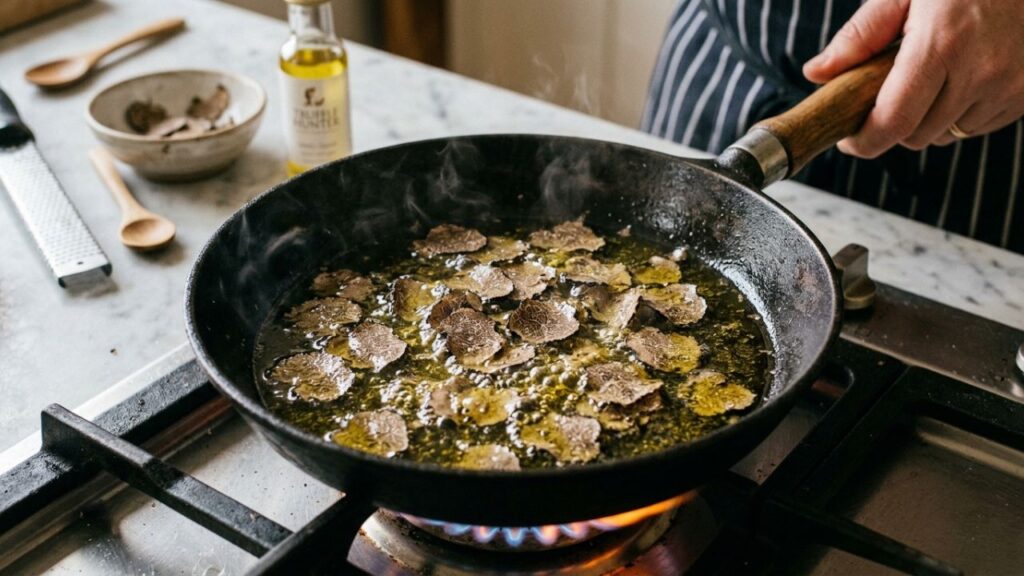
What Is Black Truffle Sauce?
Black truffle sauce is a rich and aromatic preparation known for its earthy flavor, smooth character, and distinctive umami taste. It is inspired by the long culinary tradition of black truffles in French and Italian cuisine, where their unique aroma has been used to enhance a variety of dishes. The sauce offers a balanced combination of earthy, savory, and subtly nutty notes that can add depth to everyday meals. Its luxurious flavor and versatility have made it a popular choice for both home cooking and more refined dishes.
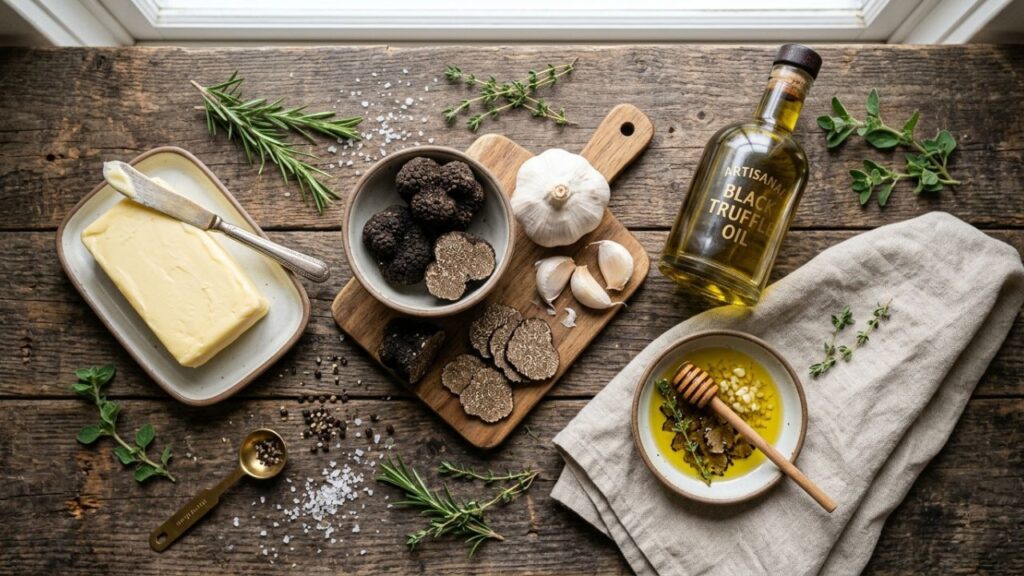
Prep Time | Cook Time | Total Time | Servings
10 minutes | 15 minutes | 25 minutes | 4 servings
Ingredients
- 2 tablespoons black truffle paste or finely chopped black truffle
- 2 tablespoons olive oil
- 1 tablespoon butter
- 1 small shallot, finely chopped
- 1 clove garlic, minced
- ½ teaspoon black pepper
- ½ teaspoon salt
- 1 tablespoon grated Parmesan cheese, optional
- 2 tablespoons cooking water or light broth
- Fresh parsley for garnish
Ingredient Alternatives
| Ingredient | Alternative |
|---|---|
| Black truffle | Truffle paste or quality truffle oil |
| Olive oil | Avocado oil |
| Butter | Extra olive oil |
| Shallot | Finely chopped onion |
| Garlic | Garlic powder |
| Black pepper | White pepper |
| Parmesan cheese | Pecorino Romano |
| Cooking water | Light vegetable broth |
| Fresh parsley | Fresh thyme or chives |
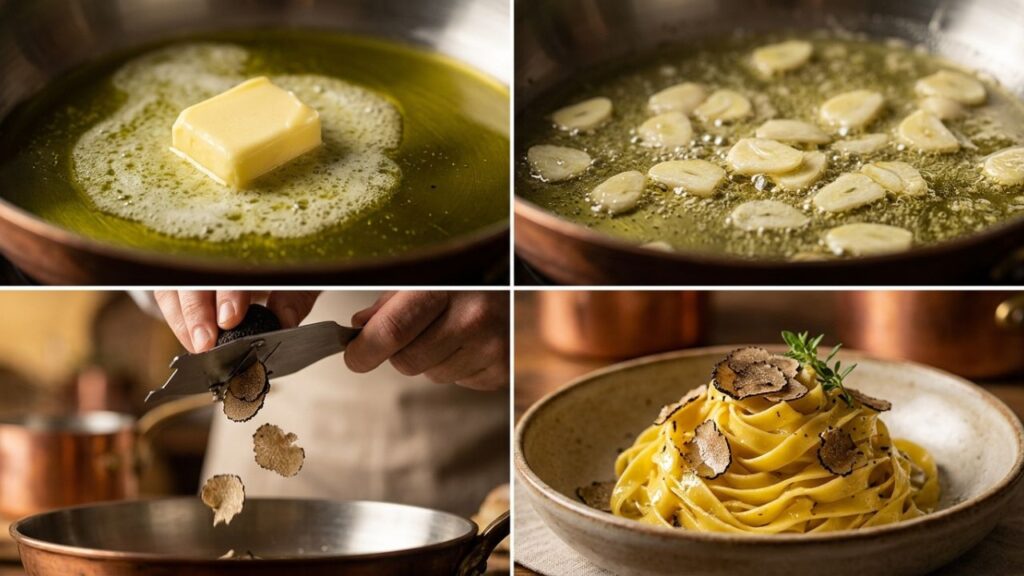
Step-by-Step Cooking Method
Step 1
Start by gently heating the olive oil and butter in a pan over low to medium heat. Add the finely chopped shallot and garlic, then cook slowly until they become soft and fragrant. This creates a flavorful base for the sauce. For general guidance on safe food preparation and handling, follow the :USDA’s official food safety guidance
Step 2
Add the black truffle paste or finely chopped black truffle to the softened aromatics. Stir gently so the truffle flavor can infuse into the warm mixture. Avoid using very high heat, as it can reduce the delicate truffle aroma.
Step 3
Reduce the heat and allow the mixture to cook gently for a few minutes. Add a small amount of cooking water or light broth if needed to create a smoother consistency. Stir occasionally until the flavors come together.
Step 4
Taste the sauce and adjust the salt and black pepper according to your preference. If using Parmesan cheese, stir it in at this stage for extra richness. Keep the seasoning balanced so the truffle remains the main flavor.
Step 5
Remove the sauce from the heat and let it rest briefly before serving. The finished sauce should have a smooth, glossy texture and a noticeable earthy aroma. Serve it warm with your preferred dish.
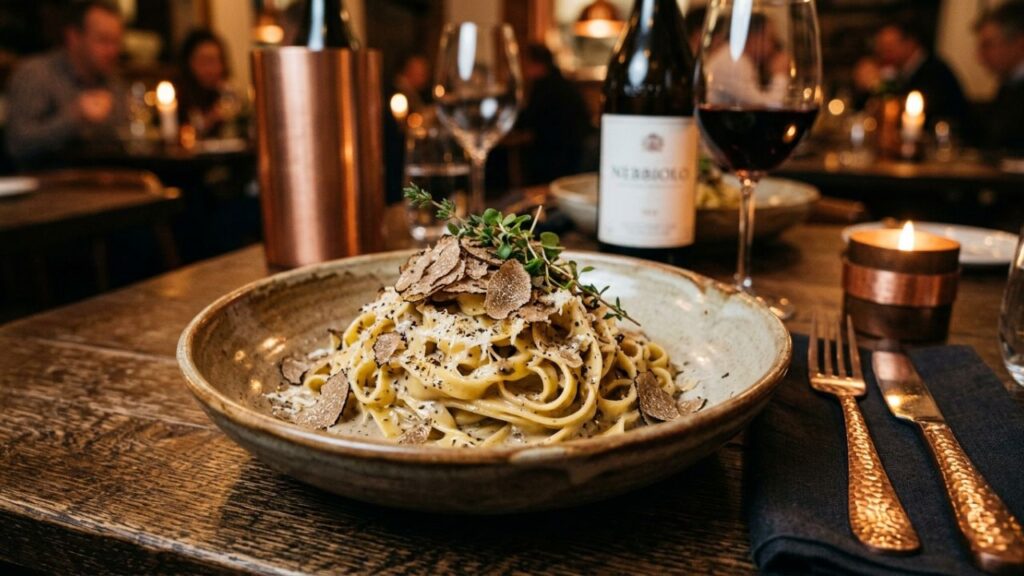
Serving Suggestions
| Serving Option | Best For |
|---|---|
| Pasta Pairing | Long, ribbon-style pasta holds the sauce well and allows its rich aroma and flavor to spread evenly. |
| Protein Pairings | Chicken, turkey, and tender beef cuts pair well with the sauce while allowing the natural flavor of the protein to remain noticeable. |
| Vegetable Applications | Roasted mushrooms, potatoes, and asparagus work beautifully with the sauce and gain extra depth and richness. |
| Presentation and Serving | A light drizzle is usually enough to add flavor and aroma without heavily coating the dish. |

Seasonal or Occasion Variations
Leftover Ideas: Add leftover sauce to scrambled eggs, mashed potatoes, soups, or other simple meals to give them extra flavor
Spring & Summer: Keep the sauce lighter and pair it with fresh vegetables, salads, or simple pasta dishes for a fresh seasonal meal.
Fall & Winter: A richer version works well with hearty dishes and roasted vegetables, creating a warm and comforting flavor.
Festive Gatherings: Use black truffle sauce as a finishing touch for special meals, roasted dishes, or elegant side dishes.

Storage & Reheating Tips
Food Safety: Do not leave the sauce at room temperature for extended periods. Keep it refrigerated when not serving to help maintain freshness and quality.
Proper Storage: Allow the sauce to cool completely, then transfer it to an airtight container and refrigerate it to help maintain its flavor and aroma.
Shelf Life: For the best quality, enjoy the refrigerated sauce within a few days. Avoid storing it for too long, as its delicate flavor can gradually fade.
Reheating: Reheat the sauce gently over low heat and stir regularly to maintain its smooth texture. Avoid high heat because it can reduce the truffle aroma. For additional guidance on safely reheating leftovers, follow the USDA’s official food safety guidance.
Common Mistakes to Avoid
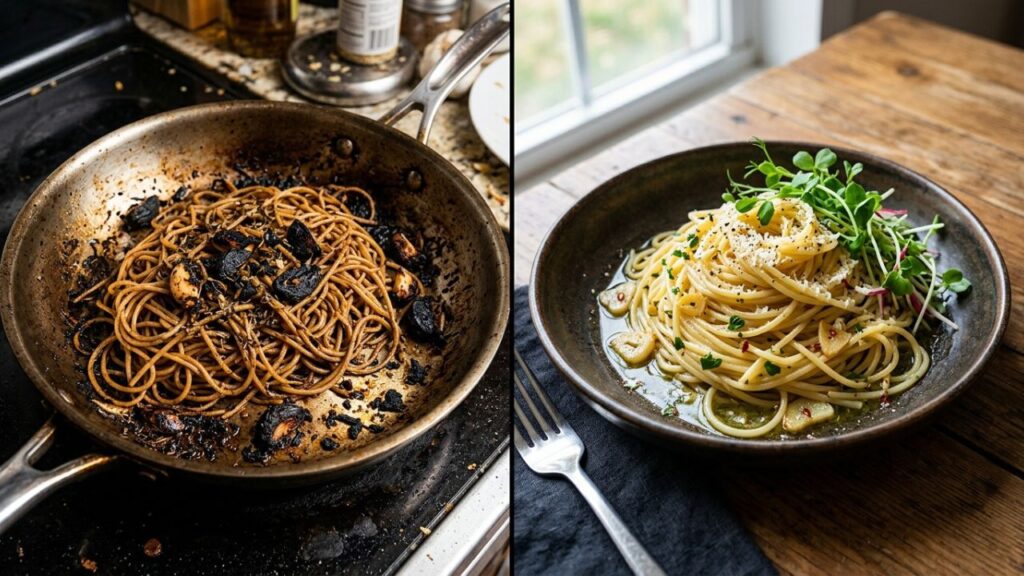
Avoid using excessive heat when preparing black truffle sauce, as it can reduce the delicate aroma and affect the flavor. In addition, too much salt or strong seasoning may overpower its natural earthy taste, so keep the seasoning balanced. Using good-quality ingredients also makes a noticeable difference in the final result. Finally, pay attention to the texture and adjust the cooking carefully so the sauce remains smooth and silky.
Frequently Asked Questions
1. Can truffle oil fully replace fresh truffles
Truffle oil can be used as a substitute for fresh truffles, but it is much more concentrated and less nuanced. Adding it gradually allows you to control the flavor without overpowering the dish. For best results, pair it with a neutral fat like olive oil to preserve balance.
2. How long can homemade black truffle sauce be stored
When stored in an airtight container in the refrigerator, homemade black truffle sauce usually stays fresh for 3–5 days. The delicate aromatics are strongest early on, so it’s best to consume it relatively quickly. Proper refrigeration also helps maintain its silky texture.
3. Is this sauce suitable for vegan cooking
Yes, black truffle sauce can easily be made vegan by using olive oil instead of butter and avoiding any dairy-based additions. Garlic, shallots, and truffle alone are enough to create depth and aroma. This makes it a versatile option for plant-based meals.
4. What dishes work best with this sauce
Black truffle sauce pairs wonderfully with pasta, roasted vegetables, grains, and mild proteins such as chicken or tofu. It adds richness without overwhelming the main ingredients. Its earthy aroma makes even simple meals feel elevated and gourmet.
5. Can it be frozen for later use
Yes, you can freeze black truffle sauce in small portions for later use. Gentle reheating over low heat preserves its aroma and texture. However, fresh preparation will always provide the most vibrant and complex flavor.
6. How do I maintain strong flavor without overpowering dishes
The key is to use small amounts, letting the sauce complement rather than dominate other ingredients. Taste as you go to ensure balance. Even a spoonful can bring noticeable depth, making mindful application more important than quantity.
Conclusion
Black truffle sauce is a luxurious yet approachable ingredient that can elevate the flavor and depth of everyday meals. When used in moderation, it adds rich aroma and earthy complexity to a variety of dishes, from pasta and grains to roasted vegetables and proteins. Being mindful of portion size ensures you enjoy its unique taste without overwhelming a balanced meal.