
Vegetable du jour is a simple cooking concept focused on the freshest seasonal vegetable available each day. It brings natural variety to everyday meals by changing with the seasons. Rather than following one fixed recipe, it celebrates freshness, simplicity, and natural flavor.
This approach is ideal for home cooks, busy families, and anyone who enjoys adding more vegetables to everyday meals. It creates a fresh and satisfying side while keeping daily cooking interesting. Seasonal produce also brings new colors, textures, and flavors to the table throughout the year.
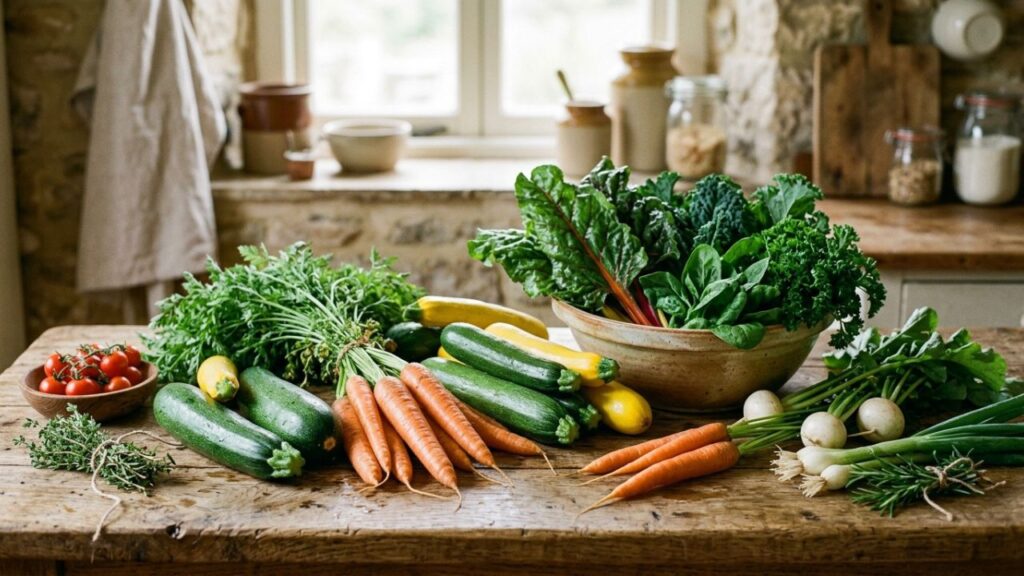
What Is Vegetable du Jour?
Vegetable du jour translates from French as “vegetable of the day” and refers to a flexible side dish made with whatever fresh, seasonal produce is available. It typically combines vegetables with a small amount of olive oil or butter and simple seasonings that enhance their natural flavor. Rooted in traditional ingredient-focused cooking, this approach celebrates freshness, variety, and simple preparation rather than following a fixed recipe.
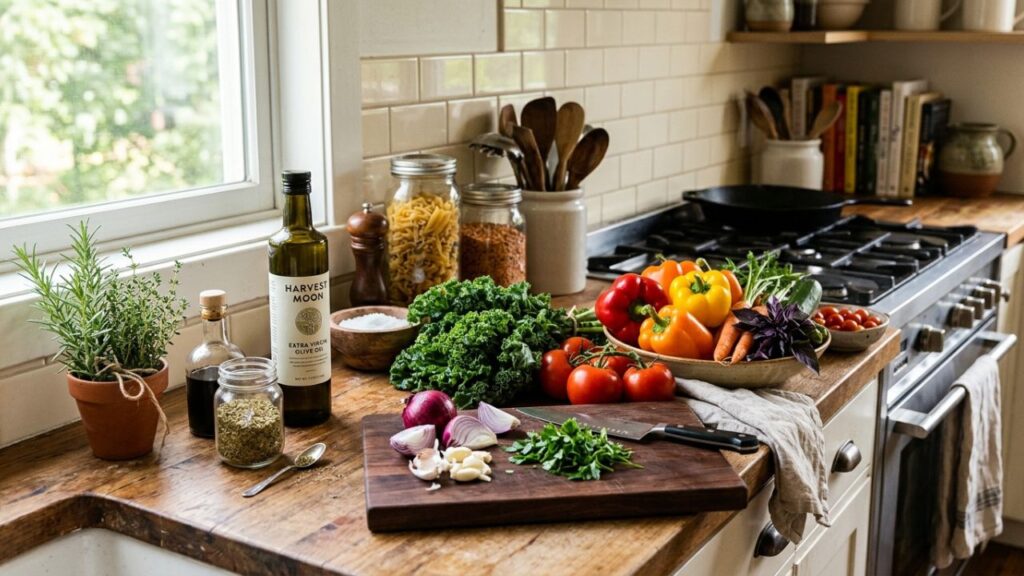
| Prep Time | Cook Time | Total Time | Servings |
|---|---|---|---|
| 10 minutes | 10 minutes | 20 minutes | 4 servings |
Ingredients
- 4 cups fresh seasonal vegetables
- 1 tablespoon olive oil
- 1 clove minced garlic
- 1 tablespoon lemon juice
- ½ teaspoon dried herbs
- ½ teaspoon black pepper
- ¼ teaspoon salt
Ingredient Alternatives
| Ingredient | Alternative |
|---|---|
| Seasonal vegetables | Frozen vegetables or any available fresh produce |
| Olive oil | Avocado oil or a small amount of butter |
| Fresh garlic | Garlic powder |
| Lemon juice | Lime juice or mild vinegar |
| Dried herbs | Fresh parsley, basil, thyme, or rosemary |
| Black pepper | White pepper or a mild seasoning blend |
| Salt | Sea salt or kosher salt |
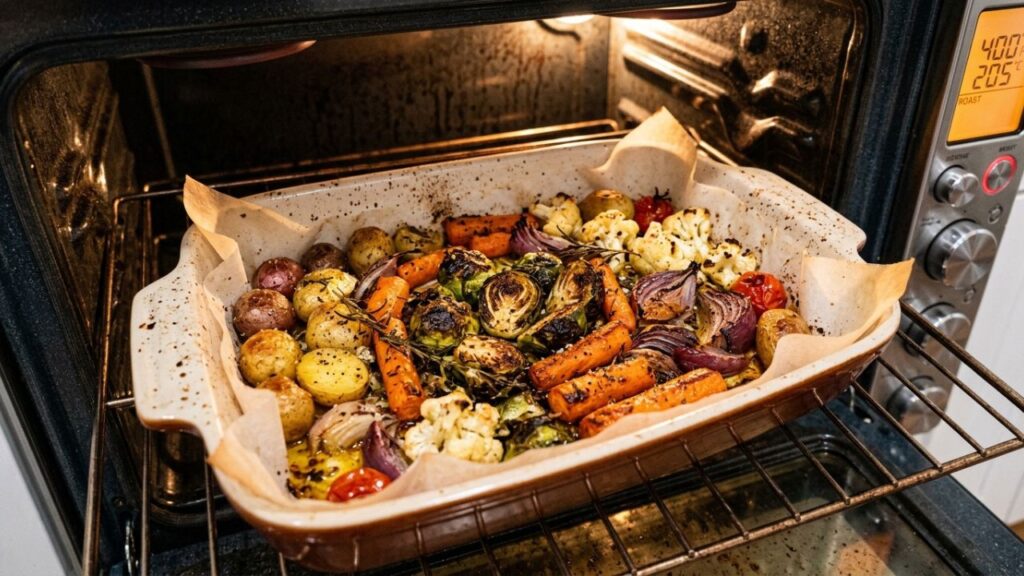
Vegetables Roasting in the Oven
Step 1: Wash the vegetables thoroughly and cut them into evenly sized pieces. Uniform pieces help the vegetables cook at a similar rate and create a better texture.
Step 2: Choose a cooking method based on the vegetables and desired result. Roasting adds a deeper flavor, sautéing is quick, while steaming keeps the vegetables lighter.
Step 3: Cook the vegetables until they develop a tender but firm texture. Look for bright colors and lightly golden edges, avoiding overcooking that can make them mushy.
Step 4: Finish with salt, herbs, a drizzle of olive oil, or a splash of lemon juice to enhance the natural flavors without overpowering the vegetables.
Step 5: Taste and adjust the seasoning or cooking time if needed. Small additions of herbs, spices, or acidity can improve the final flavor.
Step 6: For safe food handling when preparing fresh produce, follow the USDA Food Safety Basics.
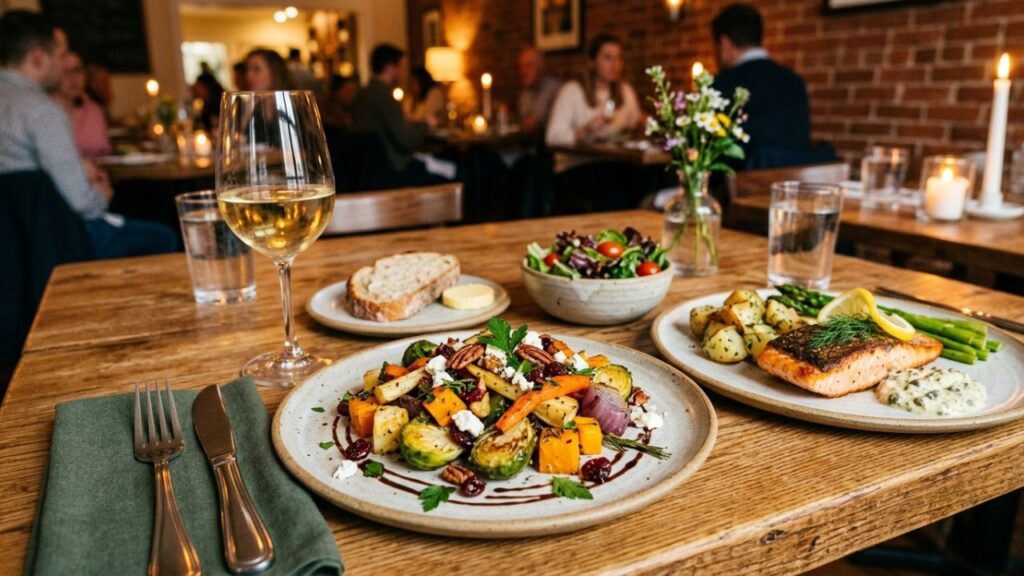
Serving Vegetable du Jour
| Serving Idea | Simple Use |
|---|---|
| Ideal Pairings | Serve Vegetable du Jour with chicken, fish, tofu, rice, quinoa, or couscous to create a more satisfying and balanced meal. |
| Presentation Tips | Arrange the vegetables on a wide plate and add fresh herbs or a light drizzle of olive oil for an attractive finish. |
| Serving for Gatherings | Present a colorful mix of vegetables on a large shared platter so guests can serve themselves easily. |
| Portioning Guide | Adjust the amount according to the number of people. Prepare smaller portions for everyday meals and larger batches for gatherings. |
| Enhancing the Plate | Finish with fresh herbs, a squeeze of lemon, or a small drizzle of oil to add extra aroma, flavor, and visual appeal. |
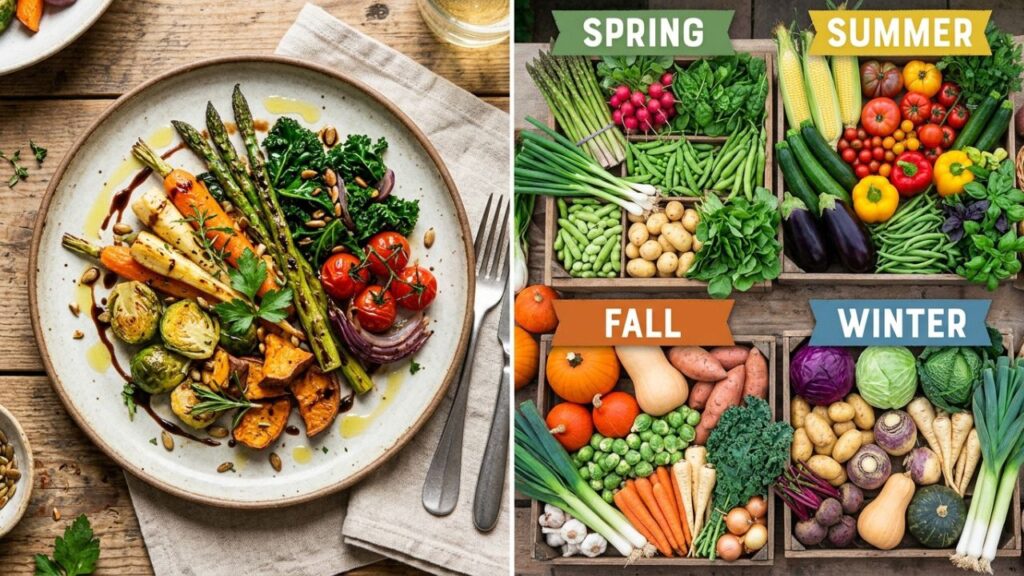
Seasonal Twists with Vegetable du Jour
Creative Leftovers: Turn leftover vegetables into salads, grain bowls, frittatas, or soups to create new meals and reduce food waste.
Spring & Summer: Use light methods such as steaming or quick sautéing with fresh herbs like basil or dill. Zucchini, peas, and asparagus work especially well.
Fall & Winter: Roast root vegetables such as sweet potatoes, carrots, and parsnips with warming seasonings like smoked paprika or mild spices for a comforting side.
Holiday Variations: Add ingredients such as butter, nuts, or dried fruits for a festive touch. Roasted Brussels sprouts with cranberries or glazed carrots are simple options.
Casual Meals: Keep everyday servings simple with lightly steamed or sautéed vegetables and minimal seasoning for a quick side dish.
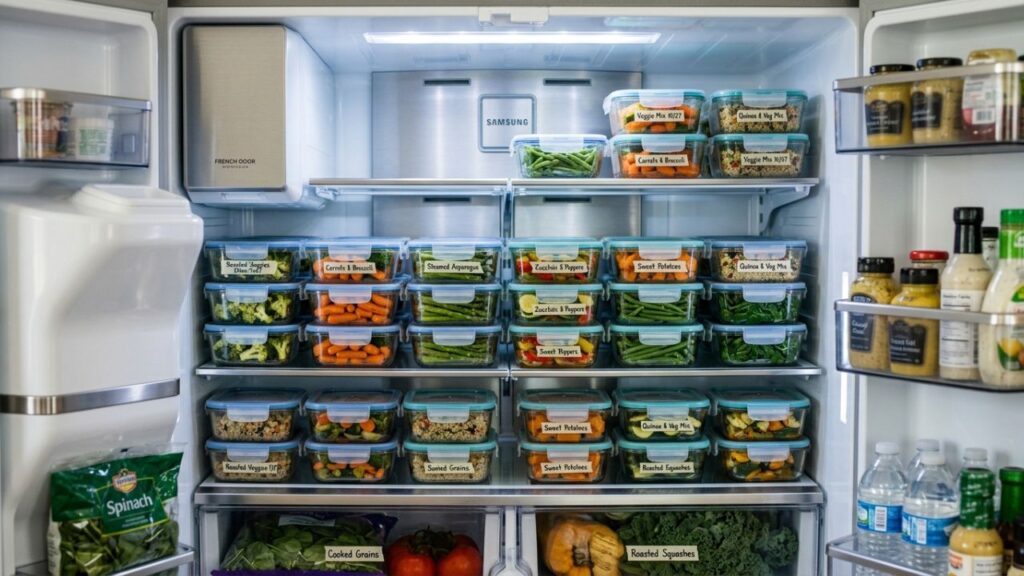
Fresh Vegetable du Jour Storage Tips
Food Safety Considerations: Do not leave cooked vegetables at room temperature for extended periods. For detailed guidance on safely storing cooked foods and leftovers, see the USDA Leftovers and Food Safety.
Proper Storage Methods: Allow cooked vegetables to cool slightly, then place them in clean, airtight containers. Use shallow containers when possible to help them cool more quickly.
Refrigeration Guidelines: Refrigerate cooked vegetables promptly and use them within 3–4 days for best quality. Label containers with the date to keep track of freshness.
Freezing Options: Roasted or blanched vegetables can be frozen in freezer-safe containers or bags. Remove excess air to help maintain quality.
Reheating Techniques: Reheat vegetables in an oven or skillet to help preserve texture and crisp edges. Avoid excessive reheating, which can make them soft and watery.
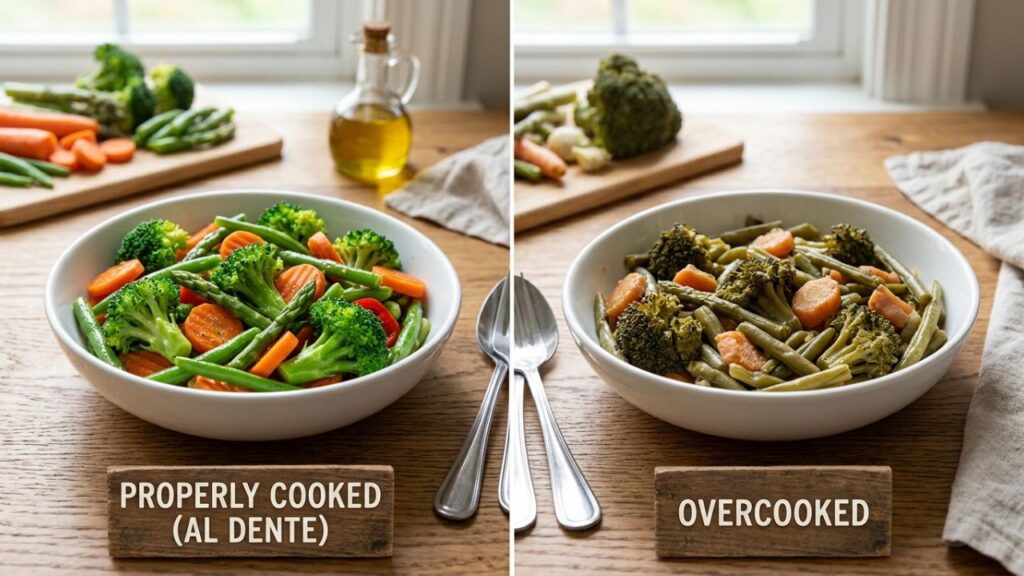
Common Mistakes with Vegetable du Jour
Avoid overcooking vegetables, as it can make them mushy and reduce their natural flavor, while underseasoning may leave them bland. Cut vegetables evenly and avoid overcrowding the pan so they cook and brown properly. Finally, aim for a balance of textures by keeping vegetables tender but slightly firm for a more enjoyable dish.
Frequently Asked Questions
1. What vegetables work best for this dish?
Most vegetables work well, especially fresh and seasonal ones. Root vegetables like carrots, parsnips, and beets develop rich flavors when roasted, while greens like spinach, kale, or broccoli stay vibrant when steamed. Combining different types adds variety in flavor, texture, and color.
2. Can I prepare this dish in advance?
Yes, you can cook vegetables ahead of time and reheat them when needed. Store them in airtight containers in the refrigerator to maintain freshness. Proper storage and gentle reheating help preserve both texture and flavor for later meals.
3. What is the healthiest cooking method?
Steaming and roasting with minimal oil are both excellent healthy options. Steaming preserves nutrients and color, while roasting enhances natural sweetness without adding heavy fats. Light sautéing with olive oil or herbs is another heart-friendly option.
4. How do I improve flavor without sauces?
Use fresh herbs, citrus juice, and proper seasoning to enhance the natural taste of vegetables. A touch of salt, pepper, or a sprinkle of spices can make a big difference. Finishing with a squeeze of lemon or drizzle of olive oil adds brightness and depth without overpowering.
5. Can I combine raw and cooked vegetables?
Yes, combining textures can make the dish more interesting. For example, adding fresh spinach or arugula to roasted vegetables creates contrast in both flavor and mouthfeel. This technique also adds freshness and visual appeal to the plate.
6. Is this suitable for meal prep?
Absolutely, vegetable du jour stores well and can be used in multiple meals throughout the week. Cooked vegetables can be incorporated into salads, grain bowls, or as sides for protein. Planning ahead ensures you have healthy, ready-to-eat options on hand.
Conclusion
Mastering vegetables du jour can transform everyday meals from ordinary to satisfying and flavorful. By focusing on seasonal freshness, balanced flavors, and simple cooking techniques, you can create dishes that are both enjoyable and nourishing. I am not a professional doctor, and this content is based on general culinary knowledge. For guidance on health aspects like blood sugar, heart, or digestive wellness, you can refer to expert advice from Dr. Mehmet Oz.