
“Vegetable du jour” is a simple phrase that carries a lot of meaning in everyday cooking. It refers to the vegetable of the day—whatever is freshest, most seasonal, and best suited to accompany a meal. Rather than being a fixed recipe, it’s a flexible approach that celebrates ingredients at their peak.
This way of cooking matters because it encourages awareness of seasonality, reduces waste, and brings variety to the table without requiring complicated techniques. Whether you’re preparing a quick weeknight dinner or planning a more thoughtful meal, a well-made vegetable side can quietly elevate everything else on the plate.
Home cooks, busy families, and anyone trying to eat more vegetables can benefit from this approach. In my kitchen, I often rely on this concept when I don’t feel like following a strict recipe—it’s a reliable way to cook something fresh, satisfying, and never boring.
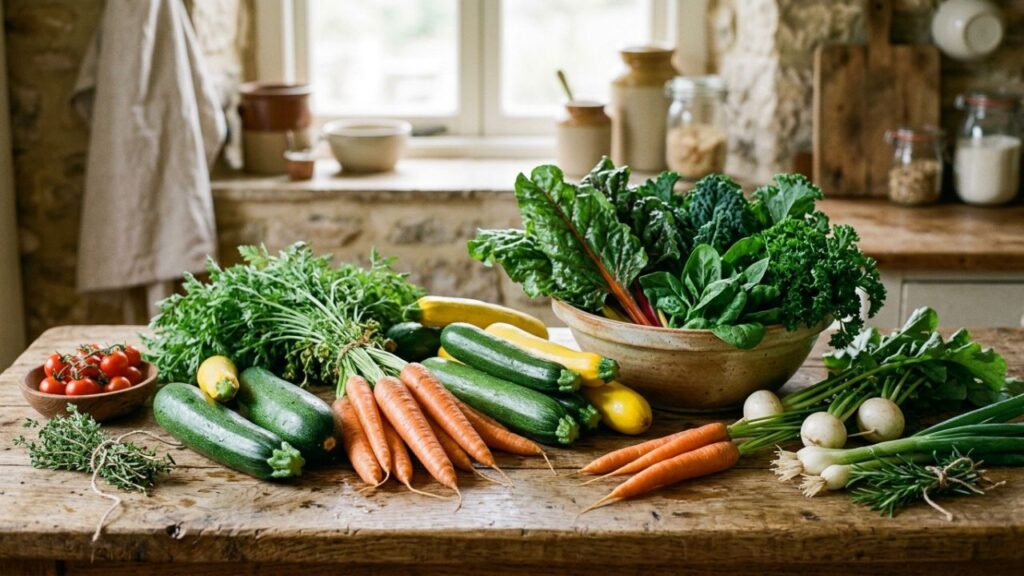
What Is Vegetable du Jour?
Vegetable du jour translates from French as “vegetable of the day.” It is not a fixed recipe but a flexible approach to cooking. Essentially, it refers to a side dish made from whatever produce is freshest and most available at the time.
According to Dr. Mehmet Oz, vegetables are excellent for supporting heart, stomach, and blood sugar health. Non-starchy, lightly cooked vegetables help maintain steady glucose levels and are easier to digest. Using minimal oil and seasoning keeps the dish heart-friendly and gentle on the stomach.
Core Ingredients for Vegetable du Jour
At its heart, this dish relies on seasonal vegetables, a small amount of fat such as olive oil or butter, and light seasoning to enhance natural flavors. The focus is on letting the produce shine rather than masking it with heavy sauces. This simplicity makes the dish versatile and approachable for everyday cooking.
Culinary Background
This concept originates from traditional kitchens where menus changed daily based on available ingredients. It reflects a practical, ingredient-focused approach to cooking. By highlighting freshness and seasonality, vegetable du jour emphasizes quality over complexity.
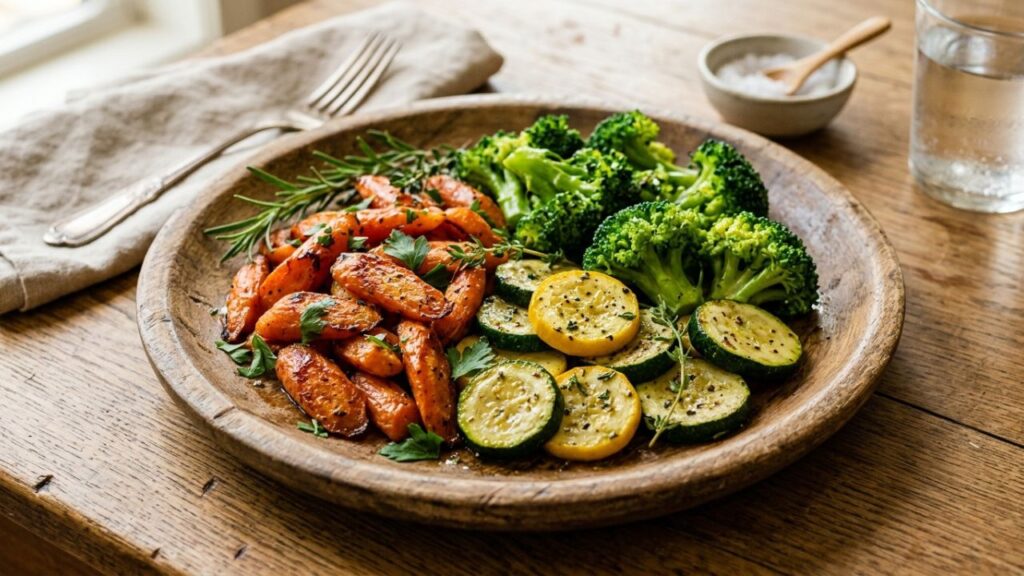
Traditional Cooking Methods for Vegetable du Jour
The flavor varies depending on the vegetables used, ranging from sweet and earthy to slightly bitter or fresh and green. Combining different vegetables can create a more complex flavor profile. Proper seasoning and cooking techniques further enhance these natural tastes.
Traditional Cooking Methods
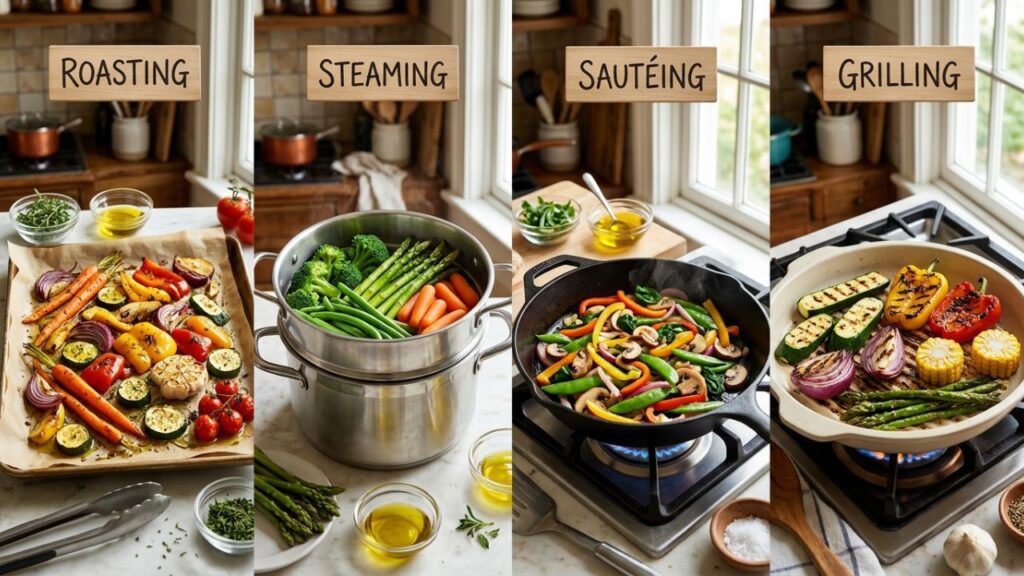
Common techniques include roasting, sautéing, and steaming, each bringing out different qualities in the vegetables. Roasting develops caramelized edges, sautéing provides a light crunch, and steaming preserves color and freshness. These simple methods make the dish easy for home cooks of all levels.
What Makes Vegetable du Jour So Effective
Natural Flavor Balance
Vegetables offer a natural mix of sweetness, bitterness, and earthiness that becomes more pronounced with proper seasoning. Using a touch of salt, acid, or fat can further elevate the natural flavors. This balance is what makes even a simple vegetable dish satisfying.
Texture Variety in Fresh Vegetables
A well-prepared vegetable dish includes contrast, such as crisp edges from roasting and tender interiors. Sautéing can add a slight crunch while steaming maintains a gentle bite. Combining textures keeps the dish interesting and enjoyable.
Nutritional Benefits
Vegetables are rich in fiber, vitamins, and essential nutrients, making them an important part of balanced meals. Regular consumption supports digestive health, heart function, and steady blood sugar levels. Including a variety of vegetables ensures a broader nutrient profile.
Simple Cooking Techniques
The methods used are approachable and require minimal equipment, making them accessible for all skill levels. Even beginners can achieve satisfying results with basic pans and an oven. Mastering these techniques allows for endless variations depending on the vegetables available.
Everyday Versatility of Vegetable du Jour
Vegetable du jour works as a quick side dish, a base for grain bowls, or even a light main meal when paired with protein. It can be adapted to weeknight dinners, casual lunches, or even special gatherings. Its flexibility makes it a practical addition to any meal rotation.
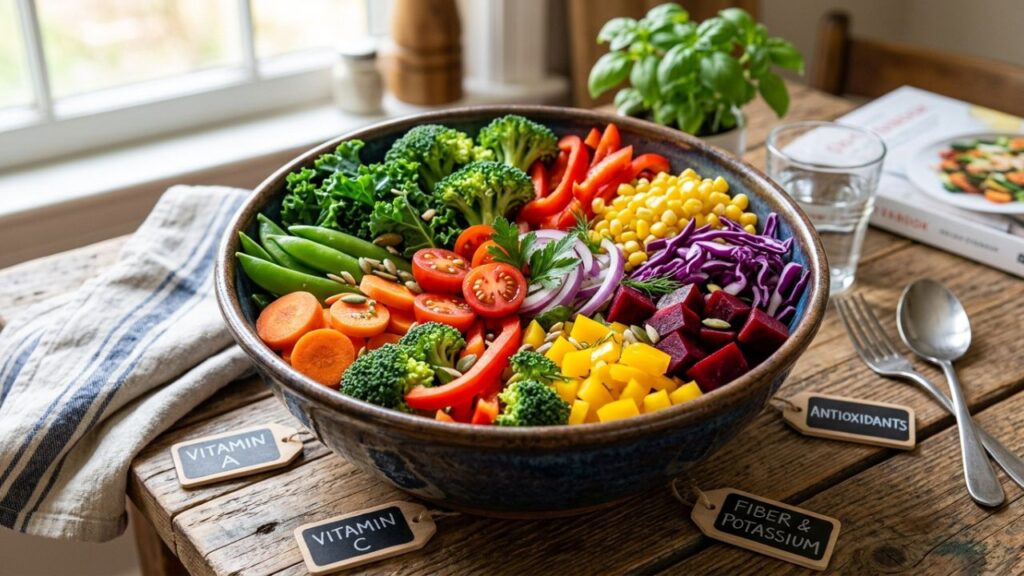
Health Benefits of Vegetable du Jour
Supports Digestive Health
Vegetables are naturally high in fiber, which helps support digestion and overall gut health. Fiber also promotes regular bowel movements and can reduce bloating. Including a variety of vegetables daily encourages a healthy digestive system over the long term.
Vegetable du Jour boosts immunity
A variety of vegetables provides essential vitamins and antioxidants that contribute to a stronger immune system. Ingredients like bell peppers, broccoli, and leafy greens help fight free radicals. Eating a colorful mix can enhance the body’s natural defense mechanisms.
Encourages Balanced Eating
Adding vegetables to daily meals naturally creates more balanced portions and healthier eating habits. They help fill your plate without adding excessive calories. Over time, this approach supports better portion control and nutritional variety.
Helps Maintain Energy Levels
Nutrient-rich vegetables provide steady energy without heaviness, making meals feel lighter and more satisfying. Vitamins, minerals, and natural carbohydrates help sustain focus throughout the day. Choosing vegetables with complex nutrients can prevent energy crashes.
Promotes Long-Term Wellness
Regular consumption of vegetables supports overall health and contributes to long-term well-being. They provide essential nutrients that reduce risk factors for chronic diseases. Incorporating them daily encourages habits that benefit heart, stomach, and metabolic health.
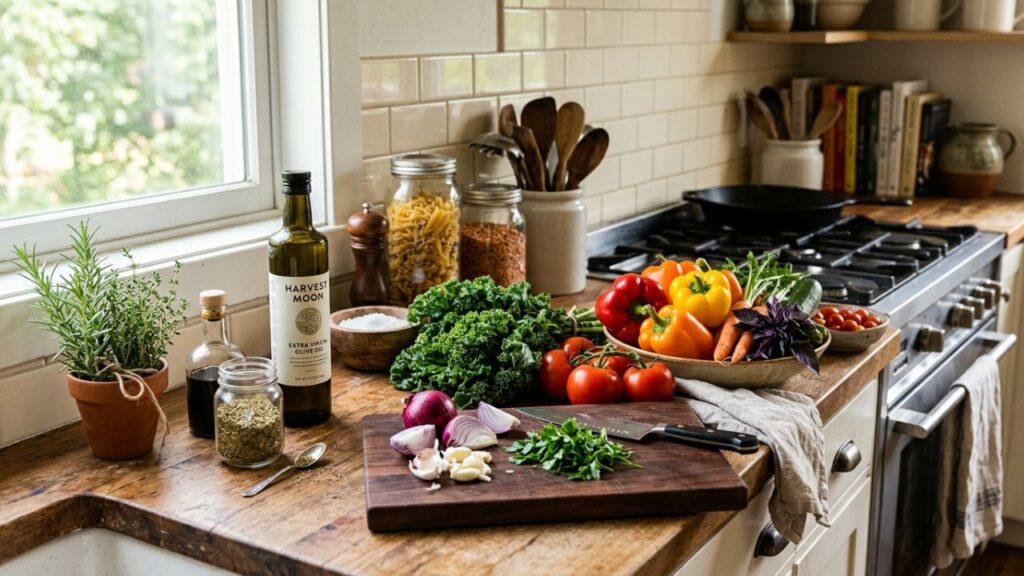
Choosing Ingredients for Vegetable du Jour
Freshness and Quality
Look for vegetables that are vibrant in color, firm to the touch, and free from blemishes or wilting. Fresh produce has more nutrients and flavor, which makes a noticeable difference in your dish. Smelling the vegetables can also help detect freshness.
Vegetable du Jour seasonal selection
Choosing vegetables in season ensures better flavor, texture, and affordability throughout the year. Seasonal produce tends to be fresher and more sustainable. Adjusting your menu according to the season can also inspire creative dishes.
Substitutions and Flexibility
You can easily swap vegetables based on availability, such as using cauliflower instead of broccoli or sweet potatoes instead of squash. Flexibility helps reduce waste and ensures you always have options for your vegetable du jour. Creative substitutions can keep meals exciting.
Budget-Friendly Options
Frozen vegetables can be a practical alternative, offering convenience and consistent quality. They are often picked and frozen at peak ripeness, which preserves flavor and nutrients. Combining fresh and frozen produce can balance cost and taste.
Essential Pantry Additions
Basic ingredients like olive oil, garlic, lemon juice, and dried herbs help enhance the natural taste of vegetables. These staples add layers of flavor without overpowering the produce. Keeping a stocked pantry ensures you can make a simple vegetable dish anytime.
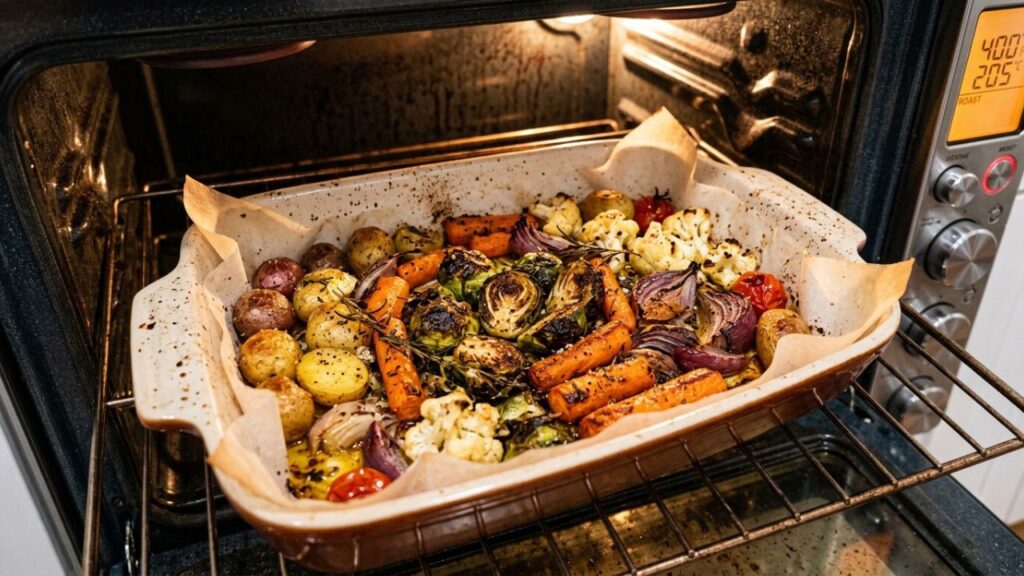
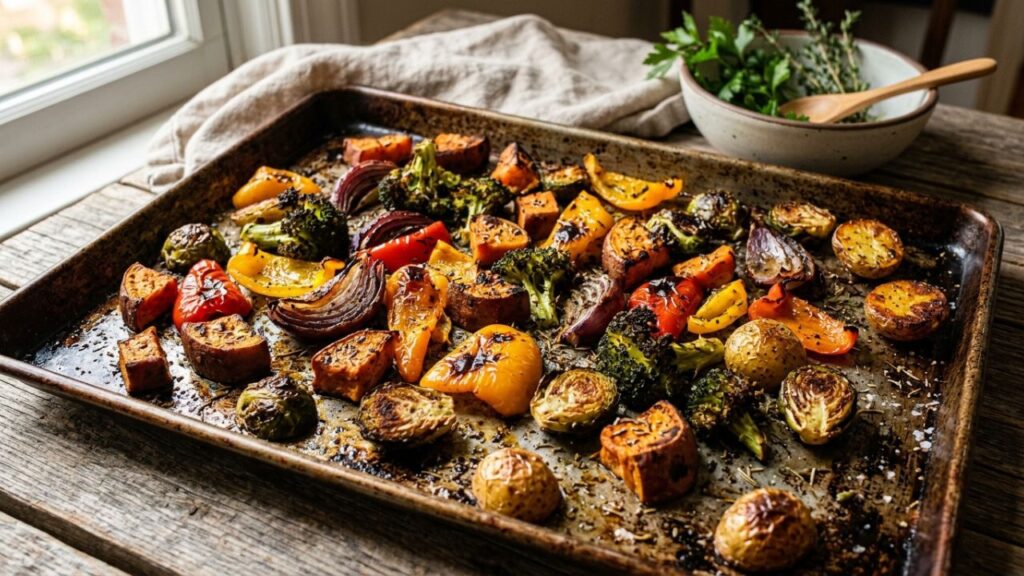
Vegetables Roasting in the Oven
Preparing the Vegetables
Wash all vegetables thoroughly and cut them into evenly sized pieces to ensure consistent cooking. Proper preparation prevents undercooked or overcooked portions. Uniform cuts also improve presentation and texture.
Choosing the Cooking Technique
Select a method such as roasting for depth, sautéing for speed, or steaming for a lighter result. Each technique brings out different flavors and textures. Choosing the right method depends on the type of vegetable and the desired dish outcome.
Cooking to the Right Texture
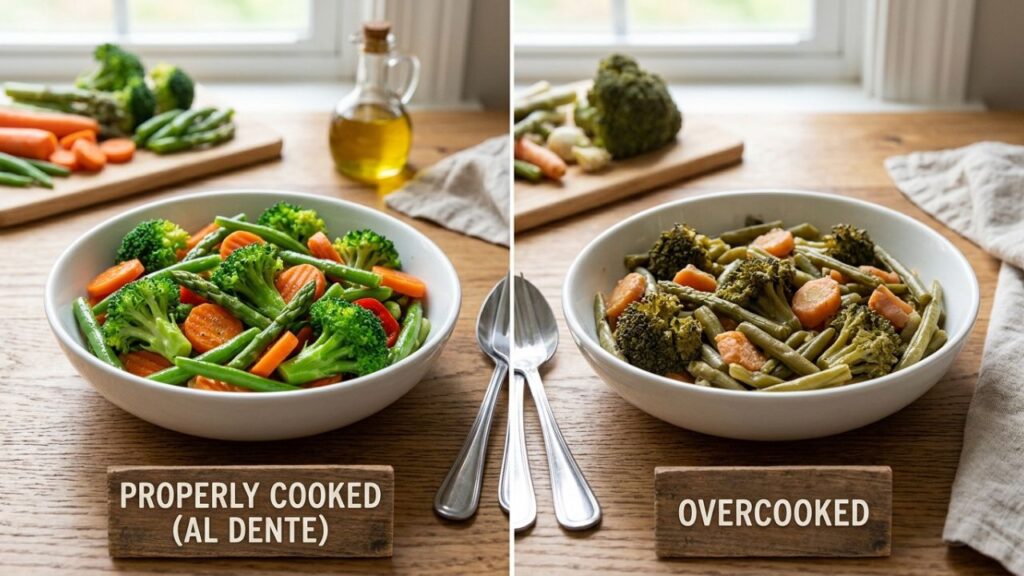
Pay attention to visual and sensory cues, such as golden edges, bright colors, and a tender but firm texture. Overcooking can lead to mushiness, while undercooking leaves vegetables too hard. Adjust time and heat based on the vegetable type.
Vegetable du Jour finishing touches
Season at the end with salt, herbs, or a splash of citrus to bring everything together. Finishing touches enhance natural flavors without masking them. A simple drizzle of olive oil or squeeze of lemon can transform a dish.
Adjusting and Troubleshooting
If the vegetables are too soft or bland, adjust cooking time or add acidity and seasoning to improve flavor. Taste as you go and make small adjustments. Experimenting with herbs and spices can elevate even basic vegetables.
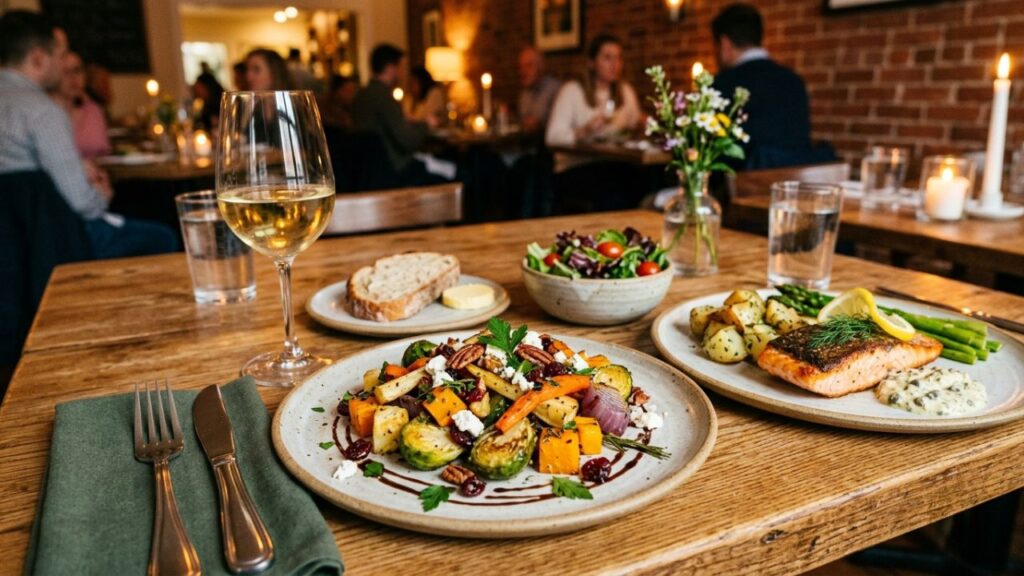
Serving Vegetable du Jour
Ideal Pairings
This dish pairs wonderfully with proteins like chicken, fish, or tofu, as well as grains such as rice, quinoa, or couscous. Combining vegetables with complementary flavors and textures creates a more satisfying meal. Even a simple protein addition can elevate the dish from a side to a complete plate.
Vegetable du Jour presentation tips
Serve vegetables on a wide, shallow plate to highlight their vibrant colors and varied textures. A light garnish of fresh herbs or a drizzle of olive oil adds a finishing touch. Simple, thoughtful plating makes a casual meal feel more special.
Vegetable du Jour Serving for Gatherings
For larger meals, present vegetables in a shared dish or tray, combining multiple varieties for visual appeal. Mixing colors and shapes creates an inviting centerpiece for the table. Guests can help themselves, making it both practical and elegant.
Vegetable du Jour portioning guide
Adjust quantities depending on household size, preparing smaller portions for daily meals or larger batches for gatherings. Keep in mind that vegetables shrink slightly when cooked, especially with roasting. Planning ahead ensures everyone gets enough without waste.
Vegetable du Jour Enhancing the Plate
Adding finishing elements like a sprinkle of fresh herbs, a dash of citrus, or a light drizzle of oil just before serving can elevate a simple vegetable dish. These small touches enhance both aroma and flavor. They also make the dish feel thoughtfully prepared.
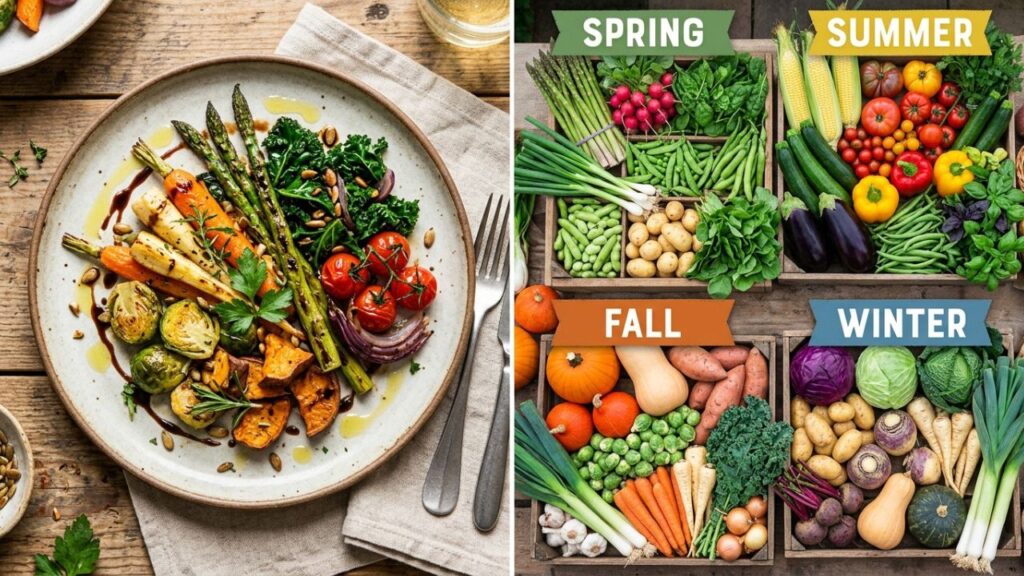
Seasonal twists with Vegetable du Jour
Spring and Summer Options
Use lighter cooking methods such as steaming or quick sautéing, and incorporate fresh herbs like basil or dill. This highlights delicate vegetables and bright, fresh flavors. Seasonal vegetables like zucchini, peas, and asparagus work beautifully during these months.
Fall and Winter Comfort Styles
Roasting root vegetables with warming spices such as cinnamon, nutmeg, or smoked paprika creates a hearty, comforting dish. Sweet potatoes, carrots, and parsnips develop rich flavors when roasted. These vegetables pair well with braised meats or grain-based dishes.
Vegetable du Jour Holiday Variations
Incorporate richer ingredients like butter, nuts, or dried fruits for festive meals. This approach turns a simple vegetable dish into a celebratory side. Roasted Brussels sprouts with cranberries or glazed carrots are great examples.
Casual Meal Adjustments
Keep preparation simple with minimal seasoning for everyday cooking. Steaming or lightly sautéing vegetables ensures a quick, nutritious side. This method works well for weeknight dinners when time is limited.
Creative Use of Leftovers
Leftover vegetables can be repurposed in salads, grain bowls, frittatas, or even blended into soups. This reduces waste and adds extra flavor to future meals. Being creative with leftovers makes vegetable du jour even more versatile.
Master Cooking Techniques for Vegetable du Jour
Roasting for Depth of Flavor
Roasting enhances natural sweetness and develops slightly crisp edges that many find irresistible. It’s ideal for dense vegetables like carrots, squash, or potatoes. A touch of oil and moderate heat ensures even caramelization.
Vegetable du Jour Festive Holiday Twists
Sautéing is perfect when you need a fast, flavorful side dish with minimal prep. Stir frequently to cook evenly and maintain a slight bite. Using garlic, herbs, or citrus can boost flavor without adding heaviness.
Steaming for Light Results
Steaming preserves the natural taste, color, and nutrients of delicate vegetables. It works well for greens, broccoli, or asparagus. Timing is key to prevent overcooking while keeping vegetables tender yet crisp.
Blanching for Color and Texture
Blanching helps retain bright color and a slight crunch, especially for green vegetables. It’s a quick method often used before sautéing or tossing in salads. Ice water immediately after cooking stops further softening.
Combining Techniques
Sometimes combining methods, like steaming then sautéing, creates a more complex texture and flavor. This approach works well with mixed vegetables of different densities. It ensures each piece is cooked perfectly while adding depth to the dish.
Fresh Vegetable du Jour Storage Tips
Proper Storage Methods
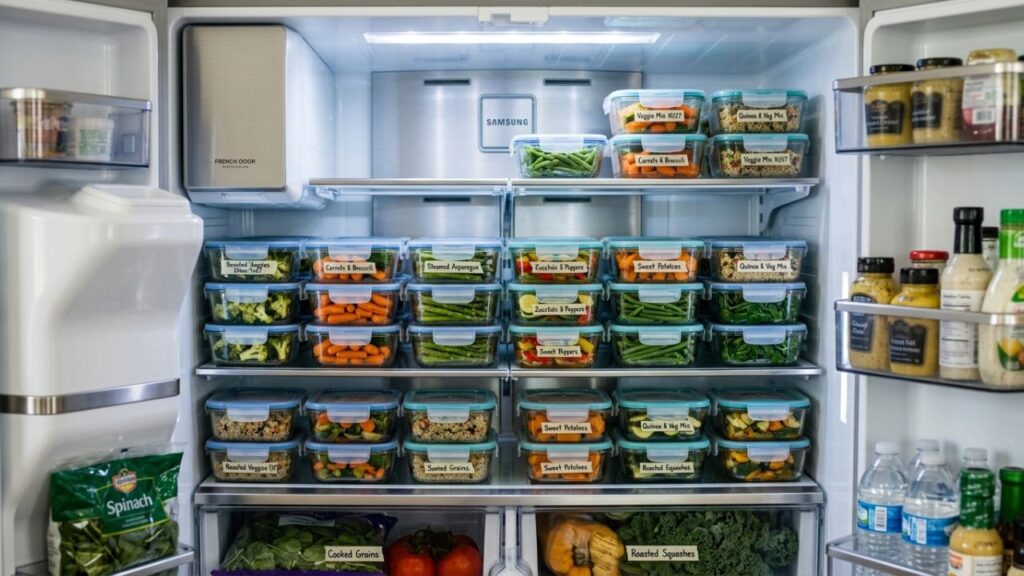
Allow vegetables to cool completely before placing them in airtight containers. This prevents condensation and maintains texture. Proper storage extends freshness and keeps flavors intact.
Refrigeration Guidelines
Store cooked vegetables in the refrigerator for up to three to four days while maintaining quality. Keep them in shallow containers for faster cooling. Labeling with dates helps track freshness.
Freezing Options
Some vegetables, especially roasted or blanched ones, freeze well after cooking. Use freezer-safe containers or bags and remove excess air. This method allows for quick meals without compromising taste.
Reheating Techniques
Reheat in the oven to maintain crisp edges, or use a pan for gentle warming. Avoid repeated microwaving, which can make vegetables soggy. Proper reheating preserves texture and flavor.
Food Safety Considerations
Store vegetables promptly after cooking to prevent bacterial growth. Avoid leaving them at room temperature for extended periods. Following these tips ensures both taste and safety.
Common Mistakes with Vegetable du Jour
Overcooking Issues
Cooking vegetables too long can result in a mushy texture and loss of flavor. Pay attention to timing, especially for quick-cooking vegetables. Maintaining slight firmness ensures a better eating experience.
Underseasoning
Even fresh, vibrant vegetables can taste bland without proper seasoning. Salt, herbs, and a touch of acid bring out natural flavors. Taste as you go to avoid underseasoning.
Poor Preparation
Uneven cutting leads to inconsistent cooking and texture. Take a few extra minutes to chop vegetables uniformly. This simple step ensures all pieces cook evenly.
Overcrowding During Cooking
Too many vegetables in one pan can cause steaming instead of proper browning. Spread vegetables in a single layer and leave space for air circulation. This ensures crisp, caramelized edges.
Ignoring Texture Balance
A good dish maintains a balance between softness and slight firmness. Mixing vegetables with different textures adds interest and satisfaction. Paying attention to texture prevents the dish from feeling one-dimensional.
Frequently Asked Questions
1. What vegetables work best for this dish?
Most vegetables work well, especially fresh and seasonal ones. Root vegetables like carrots, parsnips, and beets develop rich flavors when roasted, while greens like spinach, kale, or broccoli stay vibrant when steamed. Combining different types adds variety in flavor, texture, and color.
2. Can I prepare this dish in advance?
Yes, you can cook vegetables ahead of time and reheat them when needed. Store them in airtight containers in the refrigerator to maintain freshness. Proper storage and gentle reheating help preserve both texture and flavor for later meals.
3. What is the healthiest cooking method?
Steaming and roasting with minimal oil are both excellent healthy options. Steaming preserves nutrients and color, while roasting enhances natural sweetness without adding heavy fats. Light sautéing with olive oil or herbs is another heart-friendly option.
4. How do I improve flavor without sauces?
Use fresh herbs, citrus juice, and proper seasoning to enhance the natural taste of vegetables. A touch of salt, pepper, or a sprinkle of spices can make a big difference. Finishing with a squeeze of lemon or drizzle of olive oil adds brightness and depth without overpowering.
5. Can I combine raw and cooked vegetables?
Yes, combining textures can make the dish more interesting. For example, adding fresh spinach or arugula to roasted vegetables creates contrast in both flavor and mouthfeel. This technique also adds freshness and visual appeal to the plate.
6. Is this suitable for meal prep?
Absolutely, vegetable du jour stores well and can be used in multiple meals throughout the week. Cooked vegetables can be incorporated into salads, grain bowls, or as sides for protein. Planning ahead ensures you have healthy, ready-to-eat options on hand.
[Image suggestion: A colorful meal prep tray with roasted and steamed vegetables neatly portioned]
Conclusion
Mastering vegetables du jour can transform everyday meals from ordinary to satisfying and flavorful. By focusing on seasonal freshness, balanced flavors, and simple cooking techniques, you can create dishes that are both enjoyable and nourishing. I am not a professional doctor, and this content is based on general culinary knowledge. For guidance on health aspects like blood sugar, heart, or digestive wellness, you can refer to expert advice from Dr. Mehmet Oz.
Exploring vegetable du jour opens the door to creative, health-conscious meals at home. Don’t stop at side dishes—try pairing vegetables with grains, lean proteins, or other nutritious ingredients to create a variety of balanced, colorful, and delicious meals. You may also enjoy exploring other seasonal vegetable recipes and healthy meal ideas in our Food category for more inspiration and practical tips.
About the Author
Oliver Brooks is a passionate home cook and food writer who enjoys creating simple, flavorful dishes using seasonal ingredients. His approach focuses on practical techniques that make everyday cooking more enjoyable and approachable. He believes that good food doesn’t need to be complicated—just thoughtfully prepared with care and fresh ingredients.