
Bravo Beans can be a versatile ingredient for creating simple, flavorful, and satisfying meals at home. Their hearty texture pairs well with vegetables, grains, herbs, and flavorful sauces, making them useful for many different recipes. Whether added to salads, soups, wraps, or warm bowls, they can bring extra texture and substance to everyday meals.
With a few simple ingredients and balanced seasonings, Bravo Beans can make homemade dishes more enjoyable without complicated preparation. They can also be adapted for different meal styles, from quick lunches to comforting family dinners, giving home cooks plenty of practical ways to use them.
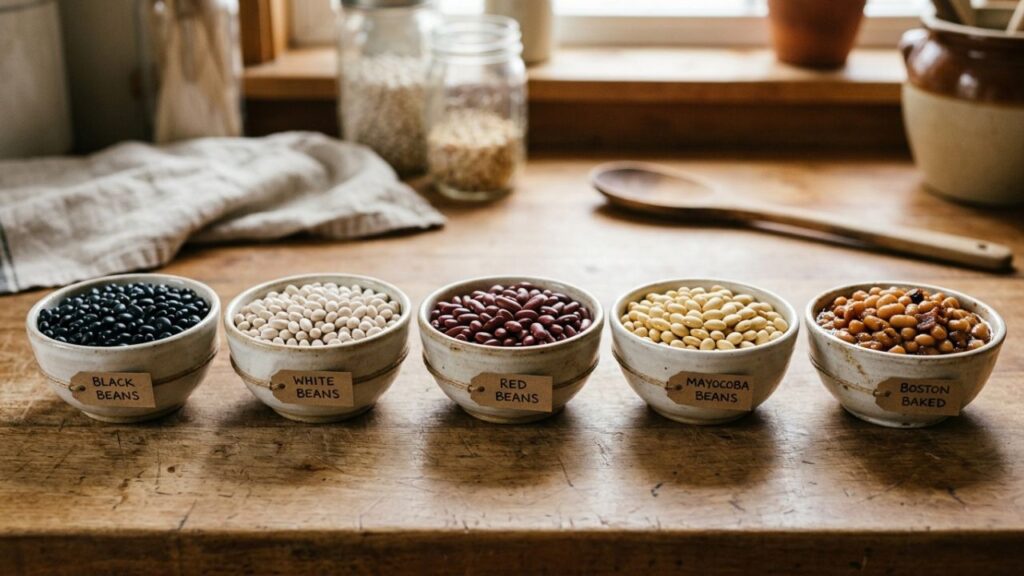
What Are the Different Types of Bravo Beans?
Bravo Beans come in different varieties, each with its own flavor, texture, and cooking uses. Black beans offer a rich, earthy taste for chili and soups, while white beans are mild and creamy for salads and purees. Mayocoba beans have a smooth, buttery texture, red beans work well in stews and rice dishes, and Boston baked beans provide a convenient sweet-and-savory option.
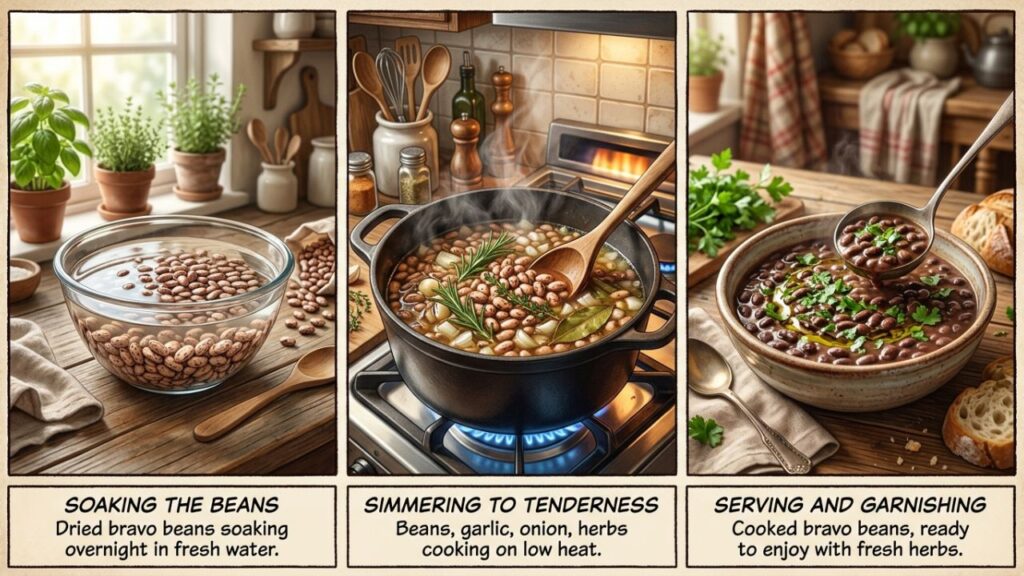
How to Cook Bravo Beans Perfectly
Step 1
Sort the dried Bravo Beans and remove any damaged beans or debris. Rinse them thoroughly and soak them before cooking so they soften properly and cook more evenly. For another hearty meal idea using a different main ingredient, explore the USDA Beef Stroganoff recipe.
Step 2
Drain the soaked beans and place them in a pot with fresh water or broth. Add onion, garlic, and bay leaves, then simmer gently until the beans become tender and creamy.
Step 3
For quicker preparation, use a pressure cooker according to the manufacturer’s instructions. This method can shorten cooking time while helping the beans maintain a soft and satisfying texture.
Step 4
For deeper flavor, slowly cook the beans with broth, vegetables, and herbs. Gentle cooking allows the ingredients to blend together and works especially well for soups, stews, and hearty side dishes.
Step 5
Taste the beans near the end of cooking and adjust the seasoning with salt, black pepper, fresh herbs, or a little lemon juice. Serve once the beans reach the desired tenderness and flavor.
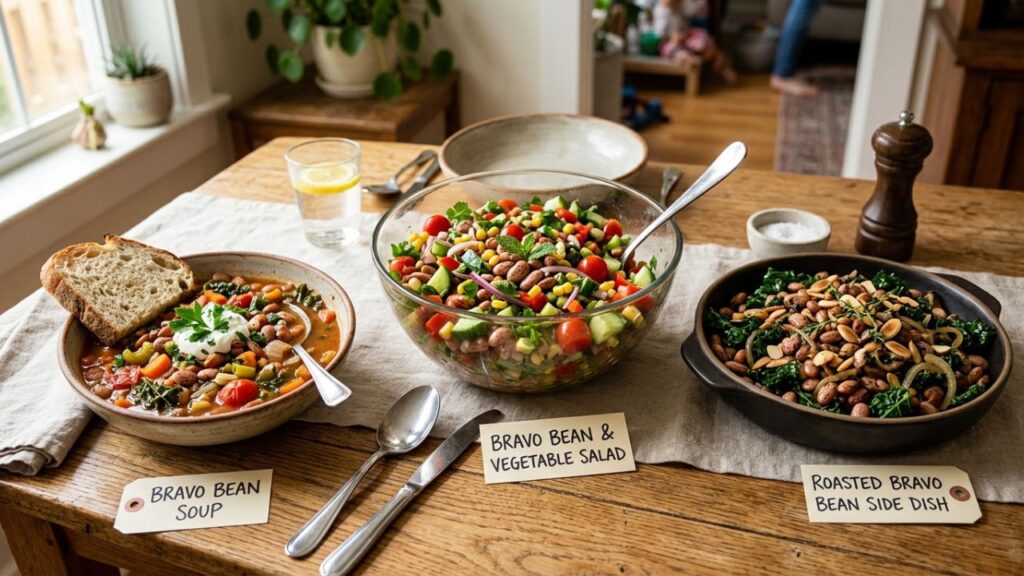
Everyday Cooking with Bravo Beans
| Cooking Idea | Simple Use |
|---|---|
| Hearty Soups & Stews | Add black or red Bravo Beans to soups, chili, and stews with vegetables, herbs, and spices. |
| Salads & Purees | Use white or Mayocoba beans in salads, dips, or creamy purees for a smooth texture. |
| Quick Sides & Snacks | Serve Boston baked beans with roasted vegetables or grains for an easy side dish. |
| Seasonal Dishes | Pair beans with fresh vegetables and light dressings in summer or root vegetables and warm broth in winter. |
| Holiday Meals | Add Bravo Beans to casseroles, savory pies, or stuffed vegetables for extra texture and flavor. |
| Leftover Ideas | Turn leftover beans into spreads, soups, wraps, or grain bowls for quick meals. |
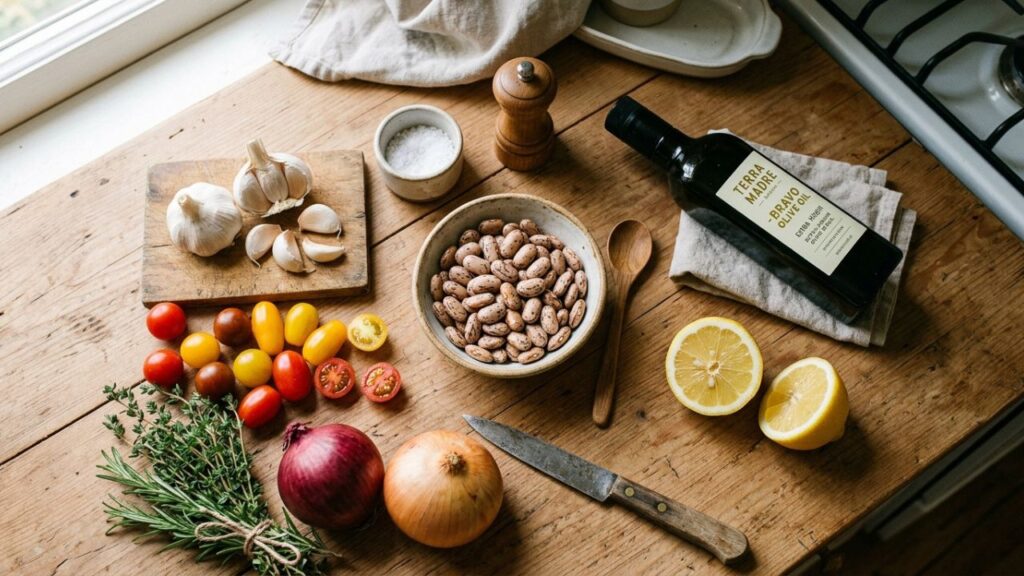
Prep Time: 10 minutes
Cook Time: 5 minutes
Total Time: 15 minutes
Servings: 4 servings
Ingredients
- 2 cups cooked Bravo Beans
- 1 cup cooked rice or quinoa
- 1 cup roasted or fresh vegetables
- 2 tablespoons fresh cilantro, rosemary, or thyme
- 1 teaspoon cumin
- 1 teaspoon smoked paprika
- ½ teaspoon black pepper
- 1 clove minced garlic
- 1 tablespoon lemon juice
- 1 tablespoon olive oil
Ingredient Alternatives
| Ingredient | Alternative |
|---|---|
| Bravo Beans | Black beans, white beans, or Mayocoba beans |
| Rice | Quinoa, couscous, or brown rice |
| Cilantro | Parsley or fresh basil |
| Rosemary | Thyme or dried Italian herbs |
| Cumin | Coriander powder |
| Smoked paprika | Regular paprika or chili powder |
| Fresh garlic | Garlic powder |
| Lemon juice | Lime juice or mild vinegar |
| Olive oil | Avocado oil or another mild cooking oil |
| Roasted vegetables | Fresh leafy greens, tomatoes, or cucumber |
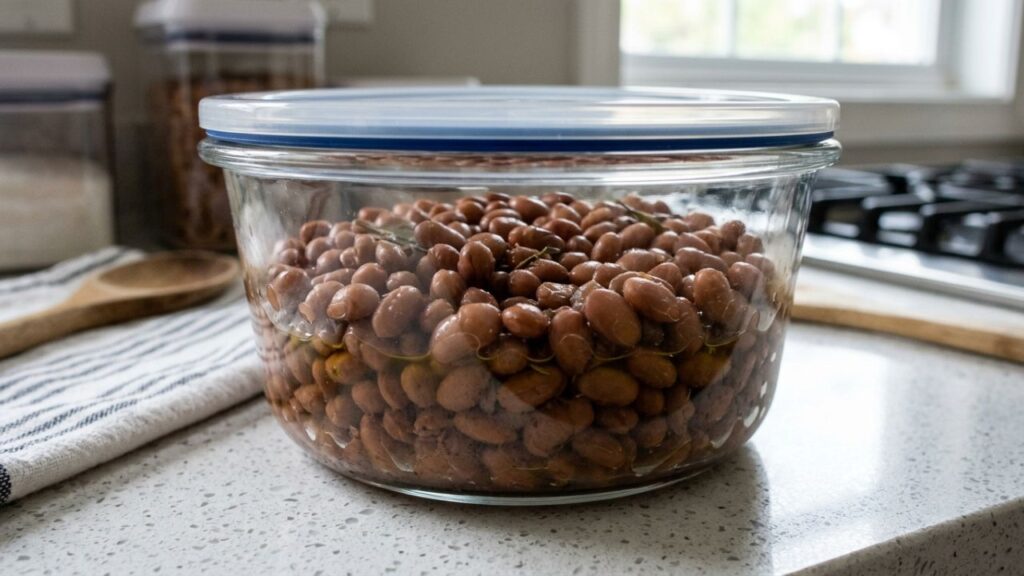
Storing and Reheating Bravo Beans
Reheating: Warm beans gently on the stove or in the microwave. Add a small splash of water or broth if they seem dry.
Batch Cooking: Prepare a larger batch and use the beans throughout the week in salads, soups, grain bowls, wraps, or as a simple side dish.
Proper Storage: Let cooked Bravo Beans cool before placing them in airtight containers. For official food-storage guidance, follow the USDA Food Safety and Inspection Service leftovers guidance.
Refrigeration: Store cooked beans in the refrigerator and use them within 3–4 days for the best quality.
Freezing: For longer storage, freeze beans in freezer-safe bags or containers for about 2–3 months.
Frequently Asked Questions About Bravo Beans
1. Can I use canned Bravo beans instead of dried ones?
Yes, canned beans are a convenient alternative to dried beans, especially when you’re short on time. Simply rinse them thoroughly to remove excess sodium and the canning liquid taste. They can be added directly to soups, salads, or stews, making meal preparation faster while still retaining their creamy texture and subtle flavor.
2. How long does it take to cook dried Bravo Beans?
After soaking overnight, dried beans usually take about 45–60 minutes to simmer until tender. Cooking times may vary depending on the age and size of the beans. Simmer gently to maintain their shape, and taste occasionally to ensure they reach the perfect creamy consistency.
3. Do Bravo Beans freeze well?
Absolutely! Cooked beans freeze very well when stored in airtight containers or freezer-safe bags. They can maintain their texture and flavor for 2–3 months. For best results, thaw them in the refrigerator overnight and reheat gently with a splash of water or broth to keep them creamy.
4. What flavors pair best with Bravo Beans?
They pair beautifully with garlic, onions, tomatoes, and fresh herbs such as cilantro, thyme, or rosemary. Adding a touch of lemon juice or vinegar can bring brightness to the dish. For richer or spicier flavors, smoked paprika, cumin, or chili flakes work perfectly, whether you’re making stews, soups, or bean salads.
5. Can I make a creamy puree with Bravo Beans?
Yes, you can blend cooked beans into a smooth and creamy puree. Adding olive oil, garlic, herbs, or a squeeze of lemon enhances the flavor. This puree is incredibly versatile and can be used as a dip, spread, or base for soups, sauces, or even pasta dishes.
6. Are Bravo Beans suitable for meal prep?
Definitely! Bravo Beans are perfect for meal prepping because they store well in the refrigerator for several days. Keep them in airtight containers, and you can easily add them to salads, soups, grain bowls, or even as a protein-rich side to multiple meals throughout the week.
Common Mistakes to Avoid
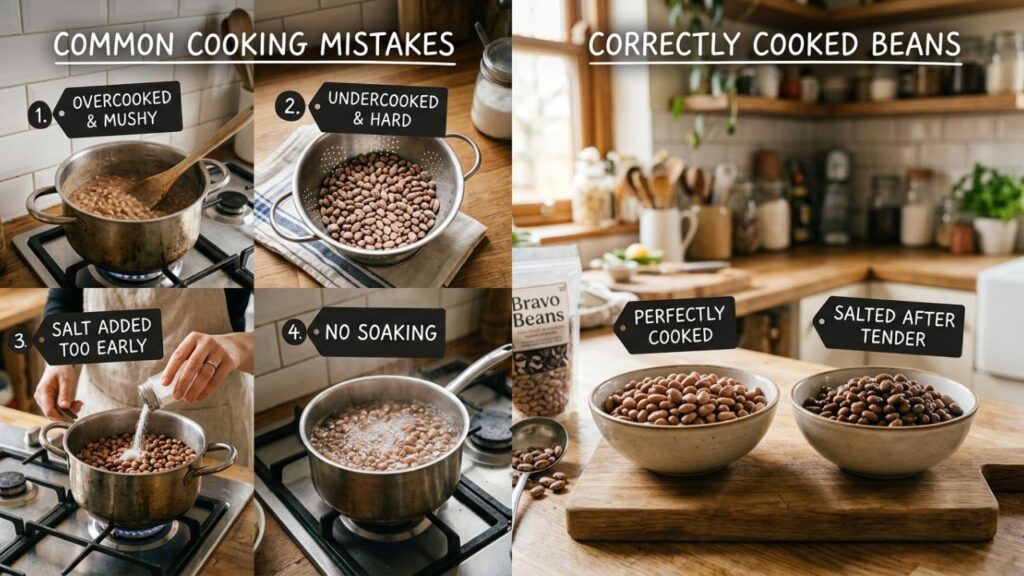
Poor Storage: Leaving cooked beans at room temperature for too long can affect their freshness and safety. Store leftovers properly after cooling.
Not Soaking Dried Beans: Skipping the soaking step can increase cooking time and may leave the beans unevenly cooked.
Using Too Much Salt: Adding excessive salt can overpower the natural flavor of Bravo Beans. Season gradually and taste as you cook.
Overcooking: Cooking beans for too long can make them mushy and cause them to lose their shape and pleasant texture.
Adding Acid Too Early: Ingredients such as lemon juice or vinegar are better added toward the end because adding them too early can affect how quickly the beans soften.
Conclusion
Mastering Bravo Beans can truly elevate everyday meals from simple to extraordinary. By paying attention to cooking techniques, seasoning, and texture, you can create dishes that are not only flavorful but also nutritious and satisfying. While I am not a personal doctor, consulting a licensed professional or referring to expert advice, such as Dr. John Doe’s, can be helpful for those managing heart health or diabetes.