How Can You Make Low Sodium Baked Beans Taste Amazing?

Baked beans have a comforting, homey charm that transcends seasons and meals. Yet, for those watching sodium intake, enjoying this classic dish can be tricky. Low sodium baked beans provide a satisfying solution: all the rich, tangy, and subtly sweet flavors without overwhelming saltiness. For those looking for more healthy and low-sodium ideas, check out How Can You Make Low-Sodium Hummus for a Healthy Snack? to complement your meals.

This dish matters not just for health-conscious eaters but for anyone who enjoys balanced, flavorful meals at home. By focusing on natural seasoning, aromatics, and slow-cooked techniques, you can create beans that feel indulgent but are heart-healthy. In my kitchen, I like to let the sauce simmer a little longer for deeper flavor, giving the beans a luscious, velvety texture that makes every bite comforting.

Low sodium baked beans appeal to a wide audience: families aiming for healthier meals, individuals managing blood pressure, or anyone curious about exploring classic recipes with a mindful twist. Beyond their health benefits, they also teach a valuable lesson in flavor layering, showing that salt isn’t the only path to taste.


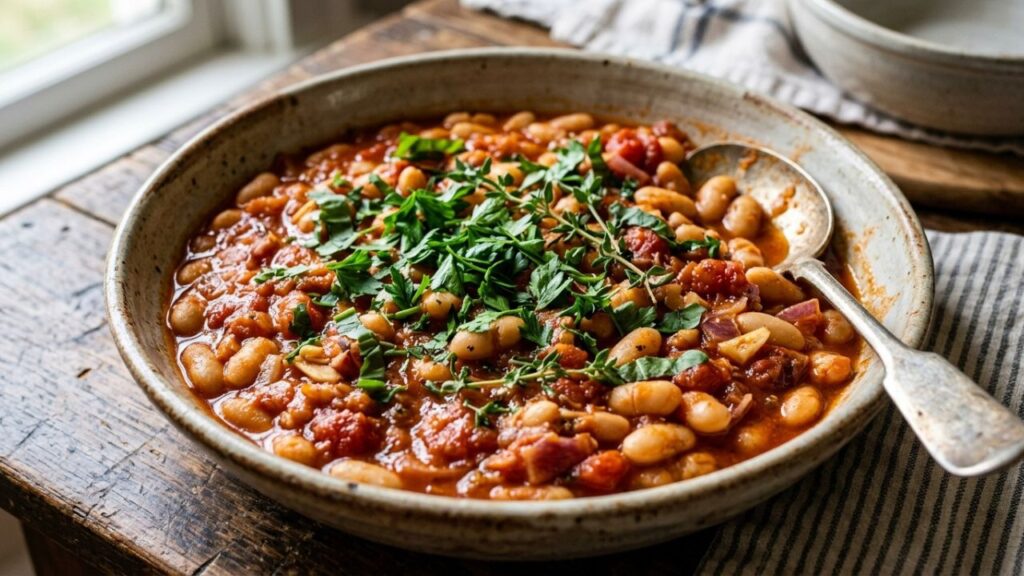
 Beans in tomato sauce with parsley.
Natural flavors and slow-cooked richness

What Are Low Sodium Baked Beans?

Low sodium baked beans are a healthier take on the classic baked bean dish. By reducing salt, this version focuses on natural flavors and slow-cooked richness. It provides the same comforting taste while being more heart-friendly.

According to Dr. Andrew Weil, a leading U.S. expert in integrative medicine, including low sodium baked beans in your diet can support heart health by lowering sodium intake. He emphasizes that their high fiber content promotes healthy digestion and helps maintain stable blood sugar levels. Additionally, the beans provide plant-based protein and essential minerals, making them a nutritious choice for everyday wellness.

Definition

Low sodium baked beans are a variation of the traditional recipe with significantly reduced salt content. They rely on aromatics, sweeteners, and spices to enhance flavor naturally. This approach maintains the dish’s comforting richness without over-reliance on sodium.

Key Ingredients

The main ingredients include dried or canned low-sodium beans such as navy, cannellini, or kidney beans. A tomato base—fresh, puréed, or low-sodium canned—provides acidity and richness. Aromatics like onions, garlic, and bell peppers, along with sweeteners and herbs, create layered flavors.

Culinary Background

Baked beans have deep roots in Native American and early colonial cuisine. Over centuries, they evolved into a staple comfort food enjoyed worldwide. The low sodium version preserves this heritage while making it suitable for modern dietary preferences.

Flavor Profile

Low sodium baked beans balance sweet, tangy, and umami notes, complemented by the earthy flavor of the beans. The texture is tender yet slightly firm, with a thick sauce that clings to each bean. This creates a satisfying bite with every spoonful.

Traditional Preparation

Traditionally, baked beans were slow-cooked in earthenware pots, often with molasses and cured meat. Today, low sodium recipes achieve similar depth of flavor through gentle simmering and careful seasoning. This method avoids relying on heavy salt for taste.


 Tender beans coated in thick sauce
Balanced flavors and comforting texture.

Why Low Sodium Baked Beans Work So Well

Flavor Balance

A successful low sodium baked bean recipe balances sweet, acidic, and umami flavors. Sweetness from molasses or maple syrup enhances the natural bean flavor, while vinegar or citrus lifts the richness. Umami comes from slow-cooked aromatics, tomatoes, and smoked paprika, giving the dish depth without added salt.

Texture Contrast

The tender beans in a slightly thick sauce create a comforting texture contrast. Each bite delivers both the creamy softness of the beans and the gentle coating of the rich sauce, offering a satisfying and hearty mouthfeel.

Cooking Techniques

Slow simmering is key, allowing flavors to meld naturally. Occasional stirring prevents the beans from sticking and ensures even cooking, while maintaining the beans’ integrity.

Everyday Meal Fit

Low sodium baked beans are versatile. They make a hearty breakfast side, complement weeknight dinners, or can be portioned into meal prep containers for convenient lunches. Their flavor and texture adapt well to different meals, making them a practical addition to any kitchen.


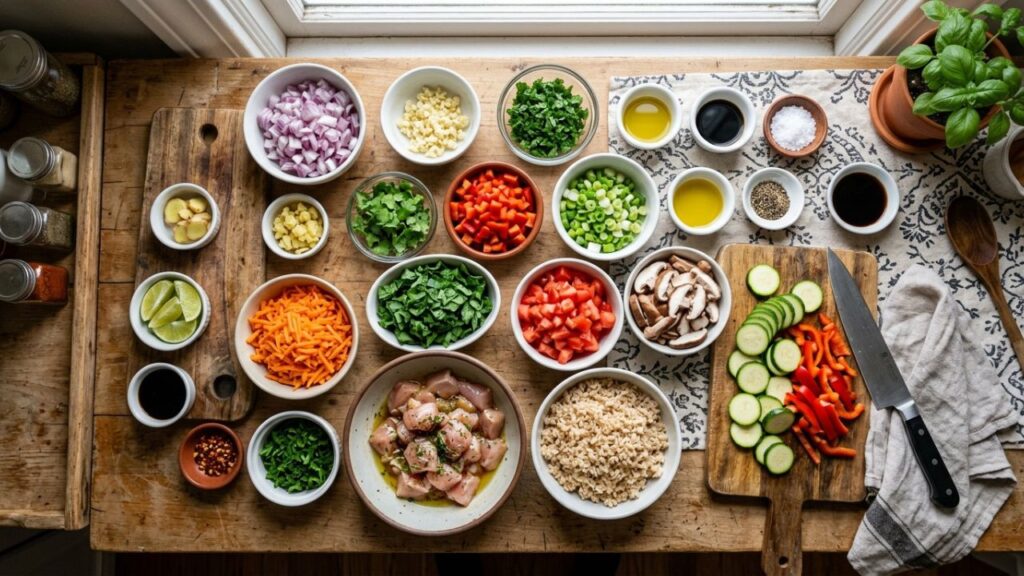
Beans, vegetables, and herbs on a cutting board.
Fresh ingredients ensure flavorful beans

Low Sodium Baked Beans Key Ingredients

Quality Indicators

Select firm, smooth, and uniform beans. Avoid wrinkled or broken beans for consistent cooking. Tomatoes should be bright in color and either thickly puréed or fresh diced. Aromatics like onions, garlic, and bell peppers should be crisp and fragrant for the best flavor.

Ingredient Substitutions

You can swap white beans with navy, cannellini, or great northern beans. Sweeteners like brown sugar, honey, or date syrup can replace maple syrup or molasses. Fresh tomatoes work beautifully in summer for a vibrant taste, while canned purée provides convenience in cooler months.

Seasonal Considerations

Use fresh summer tomatoes and peppers to enhance natural sweetness, while roasted root vegetables in winter add depth and savory richness. Adjusting ingredients seasonally keeps the dish fresh and flavorful year-round.

Budget-Friendly Alternatives

Dried beans are often cheaper than canned and can be soaked in advance for convenience. Pantry herbs such as dried thyme or oregano can replace fresh herbs if needed, while still maintaining robust flavor.

Pantry Staples That Enhance the Dish

Spices like mustard powder, smoked paprika, garlic and onion powder, or chili flakes can add warmth and complexity to the beans, even when keeping salt low.


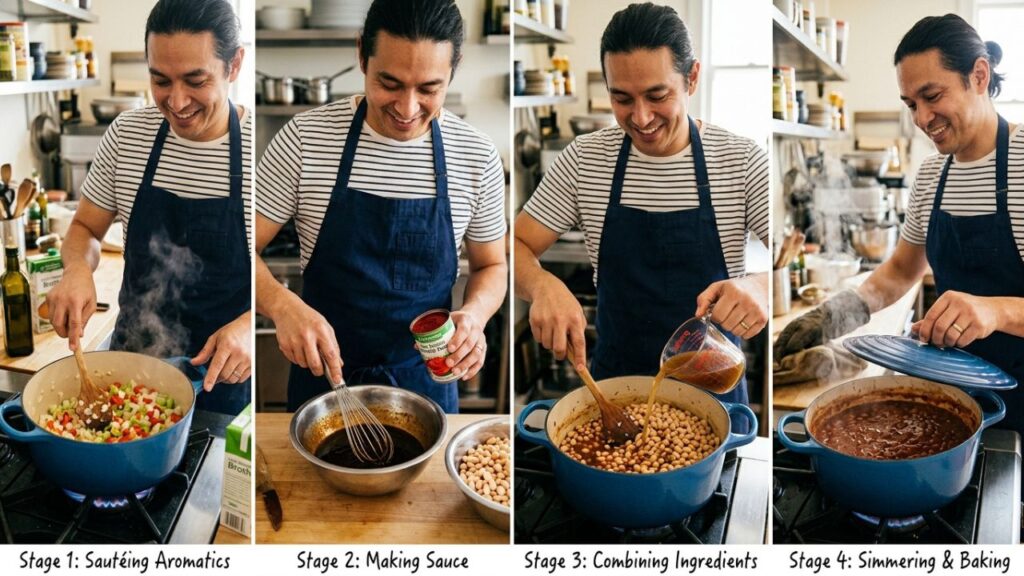
Low sodium baked beans cooking with sautéed vegetables in a pot.
Easy steps for tender, flavorful beans

How to Cook Low Sodium Baked Beans Step by Step

Soak the Beans

Soak dried beans overnight in cold water, or use a quick-soak method by boiling for two minutes and letting them sit for an hour. This step improves digestibility and reduces cooking time.

Cook Aromatics

Sauté onions, garlic, and bell peppers until softened and fragrant. This forms the flavor foundation of the sauce, releasing natural sweetness and umami. For more tips, see How Can Bravo Beans Help You Create Delicious Meals?.

Build the Sauce

Add tomato purée, your chosen sweetener, vinegar, and spices. Allow the mixture to simmer for 10–15 minutes to let the flavors meld before introducing the beans.

Combine Beans and Sauce

Drain the soaked beans and gently stir them into the sauce. Cover and simmer for 30–40 minutes until the beans are tender and fully infused with flavor.

Final Seasoning

Taste and adjust sweetness, acidity, and spices to your preference. A low sodium approach requires careful layering rather than heavy seasoning at the end.

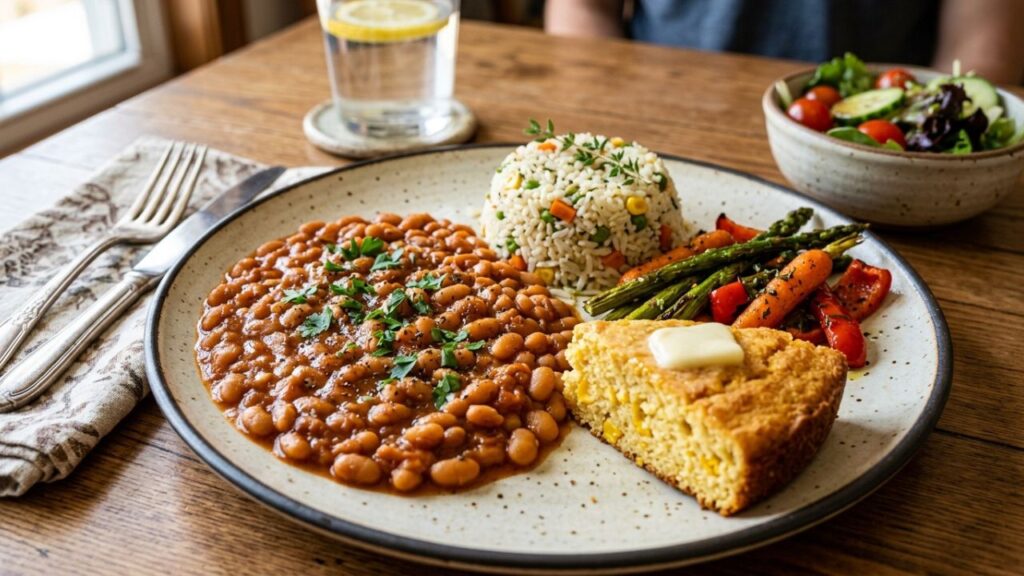
A bowl of low sodium baked beans garnished with herbs, ready to serve.
Pair with bread, salad, or protein

Best Serving Ideas for Low Sodium Baked Beans

Ideal Pairings

Low sodium baked beans are versatile and complement a variety of dishes. They pair wonderfully with crusty whole-grain bread or cornbread, adding a hearty element to breakfast or lunch. Serve alongside a fresh green salad or roasted vegetables for a balanced dinner, or include eggs or grilled chicken for added protein.

Plating Ideas

For a visually appealing presentation, serve baked beans in a shallow bowl with sauce spooned over the top. Garnish with fresh parsley, chives, or a drizzle of olive oil to enhance both color and flavor. Simple plating can elevate a humble dish into a meal that looks as good as it tastes.

Gathering-Friendly Serving

When entertaining, keep baked beans warm in a slow cooker. Offer a selection of toppings, such as diced onions, hot sauce, or shredded cheese, allowing guests to customize their servings. This makes the dish interactive and practical for larger gatherings.

Portion Tips

For small households or meal prep, plan portions carefully. Serve about ½ cup per person as a side dish or 1–1¼ cups as a main course, depending on other components of the meal. Adjust portions to suit appetites and ensure balanced nutrition.

Beans in a bowl with fresh herbs
High fiber, plant protein, and minerals

Health Benefits of Low Sodium Baked Beans

Nutritional Value

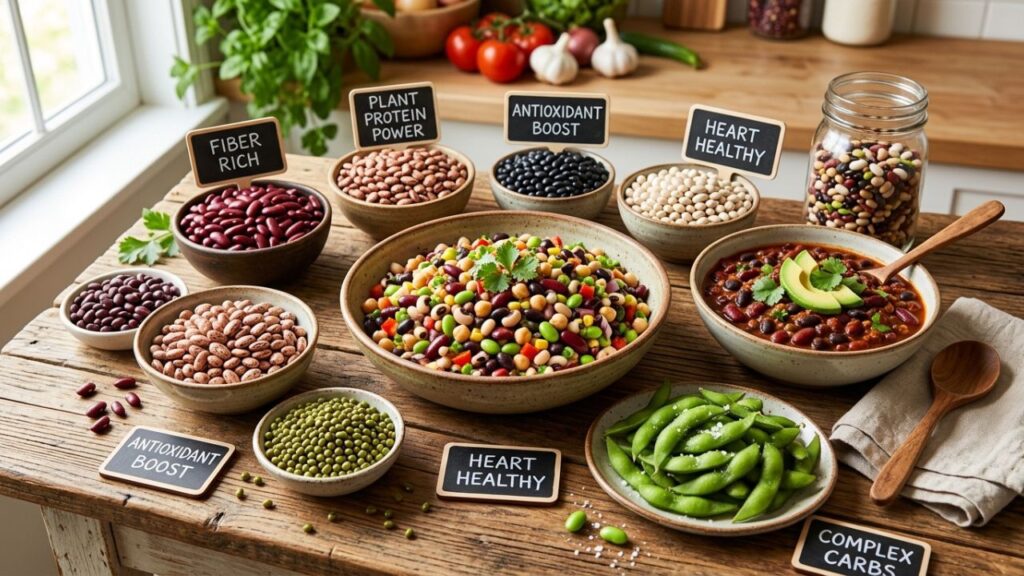
Low sodium baked beans are a powerhouse of nutrition. They are high in fiber, which supports healthy digestion and helps maintain stable blood sugar levels. They also provide a rich source of plant-based protein, making them a satisfying addition to vegetarian or vegan meals. Additionally, beans supply essential minerals such as magnesium, iron, and potassium, which contribute to overall wellness.

Heart Health

Reducing salt intake is key to maintaining healthy blood pressure, and low sodium baked beans are an excellent choice for heart-conscious eaters. The fiber in beans helps lower cholesterol levels, while the combination of natural flavors from herbs and spices enhances taste without relying on salt.

Digestive Benefits

Beans are well-known for promoting gut health. The soluble fiber content aids digestion, supports beneficial gut bacteria, and can contribute to a feeling of fullness. Regularly including beans in your meals can improve overall digestive function and nutrient absorption.

Protein Boost

Pairing low sodium baked beans with whole grains such as brown rice, quinoa, or whole-grain bread enhances their amino acid profile. This creates a complete plant-based protein source, perfect for those reducing animal protein intake while maintaining a balanced diet.


 Beans with roasted vegetables
Adapt beans for each season or holiday

Low Sodium Baked Beans Seasonal Variations

Spring/Summer Adjustments

In warmer months, fresh ingredients can enhance flavor. Add roasted cherry tomatoes and fresh basil for a bright, fragrant twist. You can also serve the beans chilled as part of a refreshing bean salad, ideal for light lunches or picnics.

Fall/Winter Comfort Variations

During colder months, heartier flavors work best. Mix in roasted root vegetables such as carrots, parsnips, or sweet potatoes. Serve the beans as a comforting side dish alongside roasted meats or baked dishes for a satisfying, cozy meal.

Holiday Adaptations

For holiday occasions, subtly incorporate warming spices such as cinnamon, nutmeg, or smoked paprika. These flavors add depth and complement seasonal dishes like roasted turkey or ham. The beans can be adapted to match festive meals while keeping sodium low.

Refreshing Leftovers

Leftover baked beans can be creatively transformed. Mash them slightly to use as a savory spread for sandwiches or toast. You can also stir them into soups or stews to boost protein and fiber content, giving new life to yesterday’s meal.


Beans in an airtight container
Preserve flavor and texture.

Low Sodium Baked Beans Storage & Reheating Tips

Proper Storage

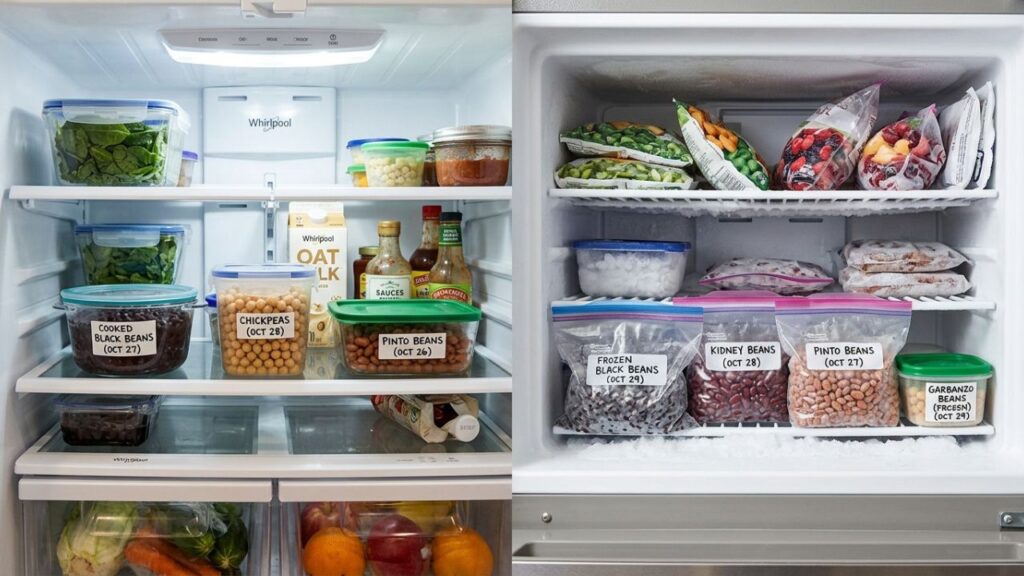
Store your low sodium baked beans in an airtight container to maintain freshness and prevent contamination. In the refrigerator, they will stay good for 4–5 days, making them ideal for meal prep or leftovers. For longer-term storage, place the beans in a freezer-safe container, where they can last up to 3 months without significant loss of flavor or texture.

Reheating Guidance

When reheating, do so gently on the stovetop or in the microwave to preserve the beans’ texture. If the sauce has thickened too much during storage, add a splash of water or broth to loosen it. Stir occasionally while warming to ensure even heat distribution and prevent sticking.

Food Safety Tips

Always allow the beans to cool to room temperature before storing to avoid condensation that can encourage bacterial growth. Reheat thoroughly before serving, ensuring the beans are hot throughout. Avoid repeatedly reheating the same portion to maintain both flavor and food safety.


Cook checking pot of beans.
Avoid overcooking and uneven seasoning

Common Mistakes to Avoid

Overcooking or Undercooking

Beans should be tender but still hold their shape. Overcooked beans become mushy and lose their appealing texture, while undercooked beans remain hard and can be difficult to digest. Check for doneness frequently during simmering.

Incorrect Seasoning Balance

Low sodium cooking requires careful layering of flavors. Taste as you go and adjust seasonings gradually. Overcompensating with salt can undo the benefits of this healthier recipe, so focus on herbs, spices, and natural sweetness to achieve depth.

Poor Ingredient Preparation

Proper preparation ensures consistent results. Chop vegetables evenly so they cook at the same rate, and rinse canned beans to remove excess sodium or preservatives. This small step makes a noticeable difference in the final flavor and texture.

Skipping Resting Time

After cooking, allow the beans to rest for a few minutes. This helps the flavors meld and the sauce thicken slightly, creating a richer, more harmonious taste. Skipping this step can result in a flatter, less satisfying dish.

Texture Issues

Simmer beans gently and avoid stirring too aggressively. Over-stirring can break the beans and make the sauce overly mushy, while too high a heat can cause uneven cooking. Maintaining a gentle simmer ensures a creamy, cohesive dish.


Frequently Asked Questions

1. Can I use canned beans?

Yes. Low sodium canned beans are a convenient option. Just be sure to rinse them thoroughly to remove any excess liquid or residual salt, which helps keep the flavor clean and the dish heart-healthy.

2. How can I thicken the sauce naturally?

Simmer the sauce uncovered to allow water to evaporate and concentrate flavors. You can also mash a few of the beans directly into the sauce for extra creaminess and a naturally thicker texture.

3. What sweetener works best?

Maple syrup, molasses, or brown sugar all enhance the natural earthiness of the beans while balancing acidity. Adjust the amount gradually to suit your taste without making the sauce overly sweet.

4. Can I make this vegan?

Absolutely. Simply skip any animal products like bacon or butter. Use vegetable stock and plant-based sweeteners to maintain a rich, savory flavor that’s fully vegan-friendly.

5. Do beans need soaking?

Dried beans benefit from soaking overnight or using a quick-soak method, which helps reduce cooking time and improve digestibility. Canned beans are ready to use but should be rinsed to remove excess sodium.

6. How can I boost flavor without salt?

Enhance the depth of flavor with smoked paprika, garlic, onion, vinegar, or fresh herbs. Layering these ingredients creates a rich, savory taste without relying on added salt.


Conclusion

Mastering low sodium baked beans is a simple yet rewarding way to enjoy a classic comfort dish with all the rich, savory flavors intact. By focusing on fresh ingredients, natural seasonings, and gentle simmering, you can create a dish that feels indulgent while remaining heart-healthy. Layering flavors with herbs, spices, and a touch of sweetness ensures each bite is balanced and satisfying.

While I am not a medical professional, if you have specific dietary concerns—such as managing blood pressure or heart health—consulting a healthcare provider like Dr. Andrew Weil is always a good idea. For additional tips on making flavorful, health-conscious meals, explore our guides on mindful cooking, ingredient swaps, and low-sodium strategies that keep taste at the forefront.


About the Author

Oliver Brooks is a passionate home cook and culinary blogger who enjoys exploring approachable, flavorful meals. He helps readers create dishes that are both healthy and satisfying, focusing on balance, texture, and accessible cooking.

Leave a Comment

Your email address will not be published. Required fields are marked *

Scroll to Top