
Low sodium hummus is a creamy and flavorful snack that offers the familiar richness of traditional hummus with less added salt. Its smooth texture and savory taste make it a versatile choice for snacks, light meals, lunch plates, or a fresh addition to everyday dishes. Homemade hummus can also be easily adjusted to suit different taste preferences.
Making low sodium hummus at home is simple and gives you better control over the overall flavor and seasoning. With an easy preparation method and mindful adjustments, you can enjoy a wholesome dip that feels satisfying without being overly salty. It pairs especially well with fresh vegetables, whole-grain foods, and other light sides, making it a practical choice for everyday eating.
What is Low Sodium Hummus?
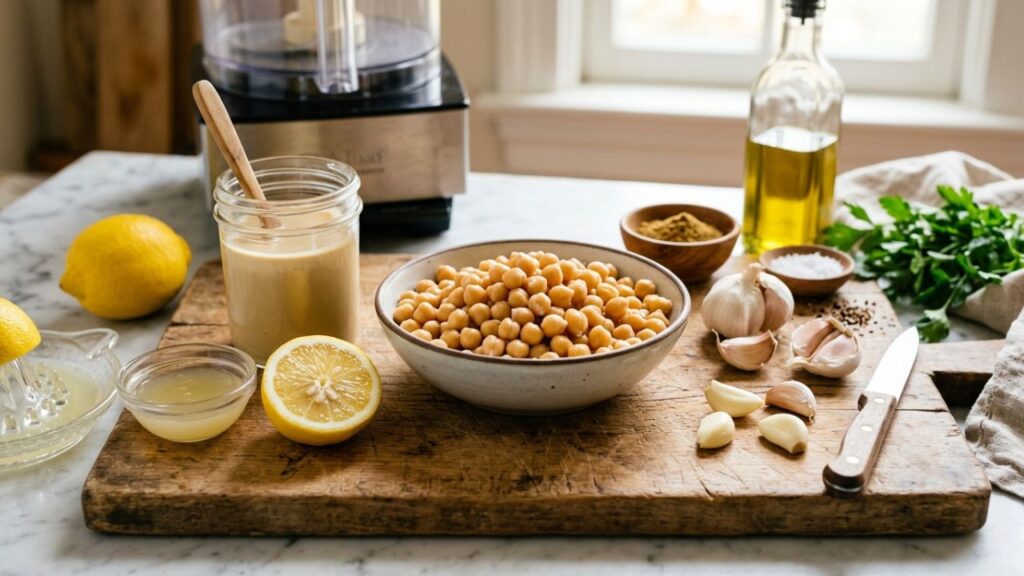
Low sodium hummus is a lighter version of classic hummus made by reducing or avoiding added salt while keeping its creamy texture and savory flavor. It remains a nutritious and satisfying dip, with chickpeas providing fiber and plant-based protein, while tahini and olive oil add richness. Preparing hummus at home also gives you better control over the ingredients and sodium content, making it an easy choice for a wholesome snack or light meal.
Prep Time: 10 minutes
Blending Time: 5 minutes
Total Time: 15 minutes
Servings: 4 servings
Ingredients
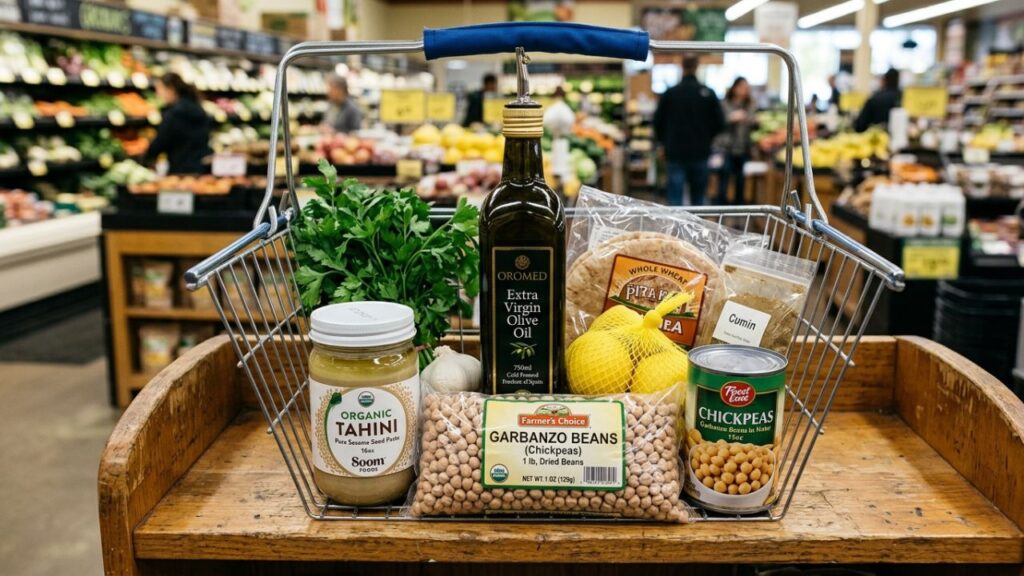
- 2 cups cooked chickpeas, preferably no-salt-added
- ¼ cup unsalted tahini
- 2 tablespoons extra virgin olive oil
- 1 clove garlic
- 2 tablespoons fresh lemon juice
- ¼ cup cold water, as needed
- ½ teaspoon ground cumin
- ¼ teaspoon black pepper
Ingredient Alternatives
| Ingredient | Alternative |
|---|---|
| Chickpeas | Dried chickpeas cooked without added salt |
| Unsalted tahini | Unsalted sunflower seed butter or almond butter |
| Extra virgin olive oil | Avocado oil |
| Fresh garlic | Garlic powder |
| Lemon juice | Fresh lime juice |
| Cold water | Unsweetened coconut milk |
| Ground cumin | Ground coriander |
| Black pepper | White pepper |
Step-by-Step Cooking Method
Step 1
If using dried chickpeas, soak them overnight in plenty of water, then cook them in fresh water for 1–2 hours until they become tender. Reserve some of the cooking liquid for blending. If using canned chickpeas, rinse them thoroughly before preparing the hummus. For safe preparation and handling of beans, follow the {“fallbackMarkdown”:”USDA’s Food Safety Basics
Step 2
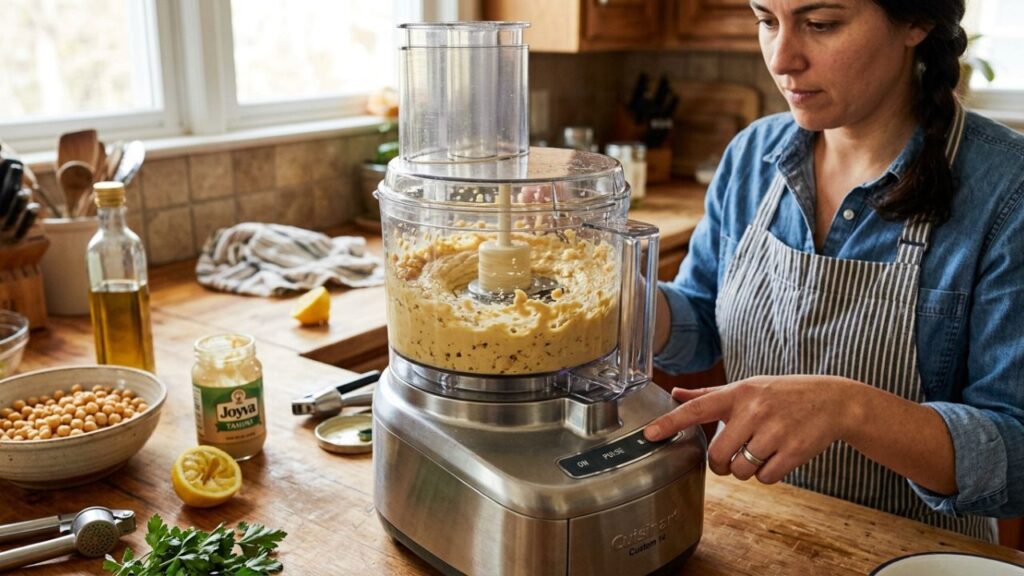
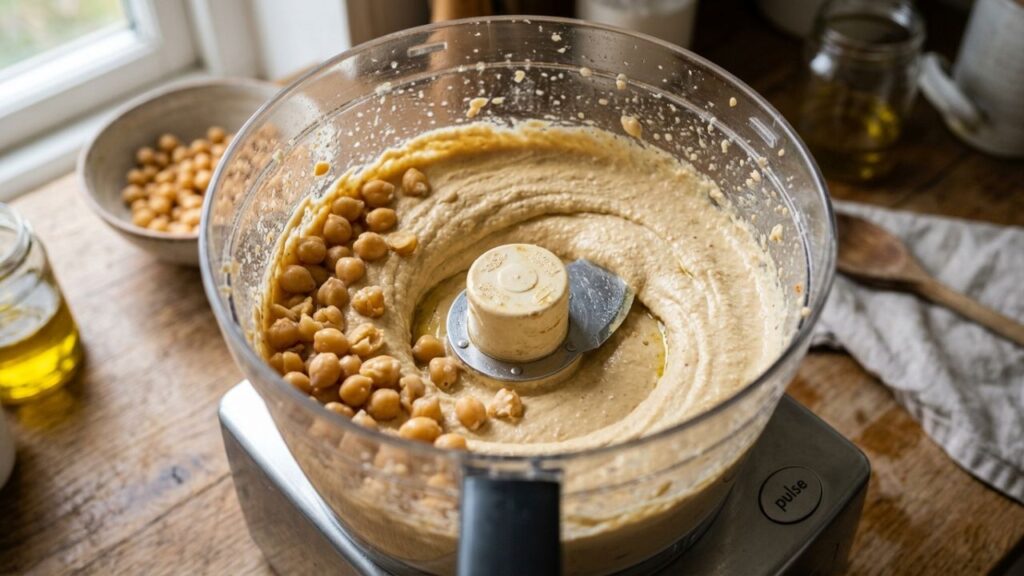
Add the prepared chickpeas, tahini, olive oil, garlic, and lemon juice to a food processor. Blend until the mixture becomes smooth and creamy. Add a little cold water or reserved chickpea liquid if the hummus is too thick.
Step 3
Taste the hummus and adjust the flavor as needed. Add cumin, smoked paprika, or a small amount of black pepper for extra depth without relying heavily on salt.
Step 4
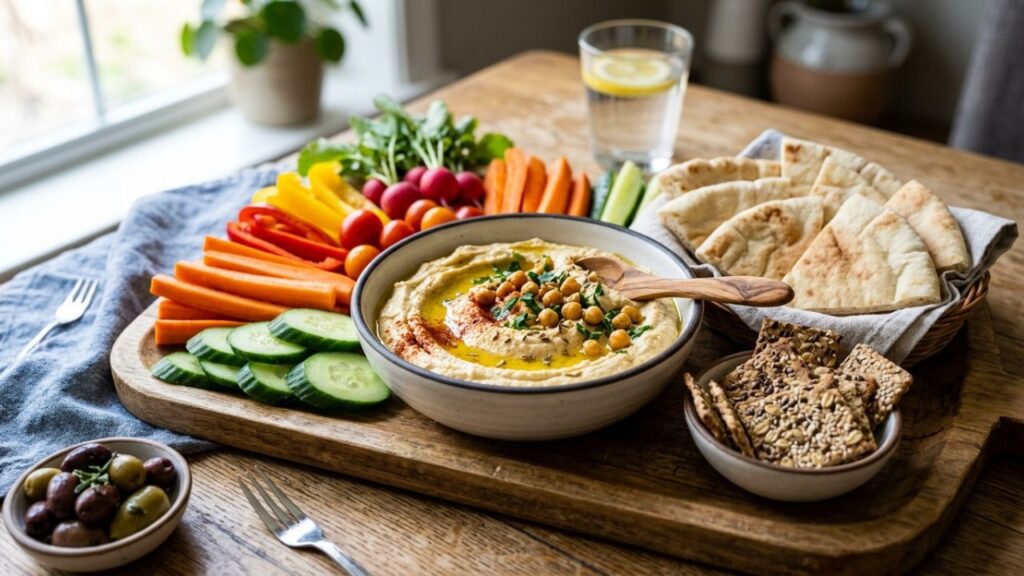
Transfer the smooth hummus to a serving bowl and spread it evenly. Finish with a light drizzle of olive oil and, if desired, garnish with fresh herbs, paprika, or roasted vegetables.
Creative Ways to Serve Low Sodium Hummus
| Serving Idea | Best For |
|---|---|
| Fresh vegetables | Cucumbers, carrots, and bell peppers provide a crisp contrast to creamy hummus. |
| Sandwiches and wraps | Use hummus as a flavorful alternative to mayonnaise or other heavy spreads. |
| Grain bowls | Add a spoonful of hummus for extra creaminess and savory flavor. |
| Pita bread | A classic pairing that works well for snacks, lunches, or light meals. |
| Crackers | A simple and convenient option for quick snacking. |
| Mezze platter | Serve with falafel, tabbouleh, fresh vegetables, and other Mediterranean-style sides. |
| Stecca bread | Pair with homemade bread for a satisfying and flavorful snack or light meal. |
Seasonal Twists on Low Sodium Hummus
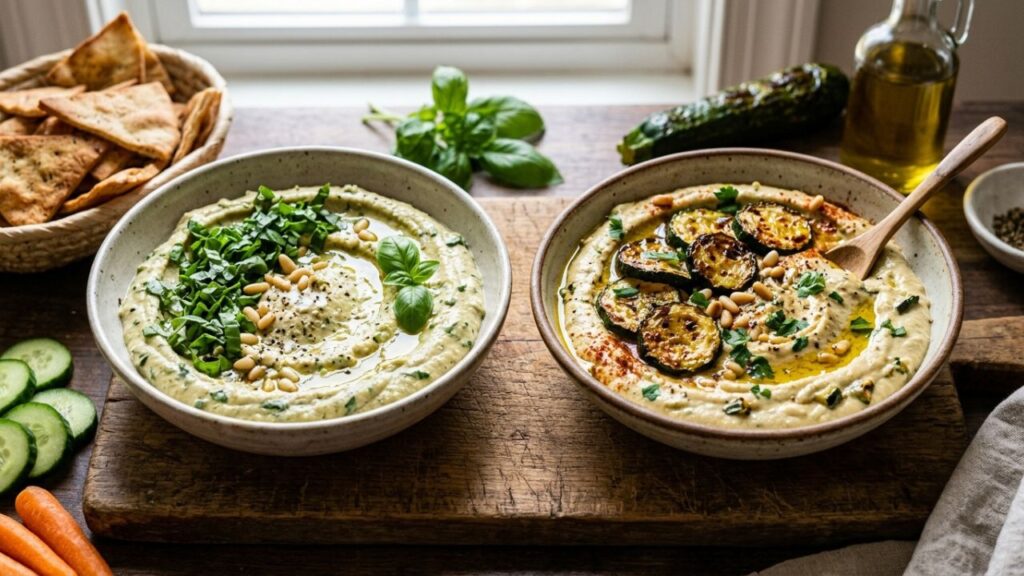
Refreshing Leftovers: Use leftover hummus as a sandwich spread or topping for baked potatoes and roasted vegetables. You can also blend it with a little yogurt or sour cream to make a creamy salad dressing.
Spring/Summer: Add fresh basil or mint for a bright, refreshing flavor. Roasted zucchini or eggplant can also give the hummus a seasonal touch.
Fall/Winter: Mix in roasted garlic, cumin, or a small amount of curry powder for a warmer and richer flavor.
Low Sodium Hummus Storage & Reheat Tips
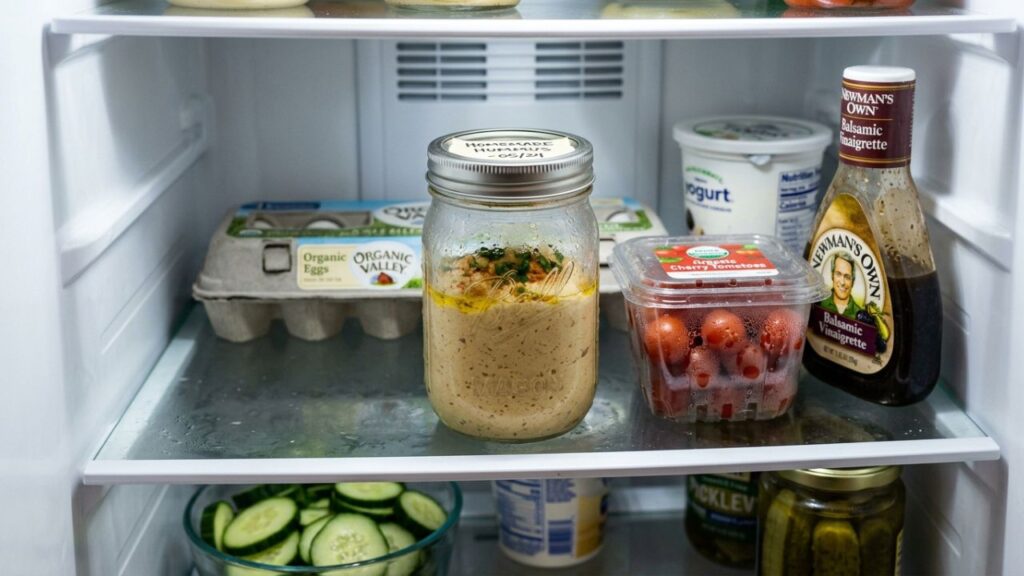
Reheating: Hummus is usually served cold, but if you prefer it warm, heat it gently on the stovetop over low heat or microwave it briefly. Stir occasionally to maintain its smooth texture. For safe storage and handling of prepared foods, follow USDA’s Leftovers and Food Safety guidance.
Storage: Store homemade hummus in an airtight container in the refrigerator and use it within 3–4 days for best quality. Keep it chilled until ready to serve.
Freezing: Hummus can be frozen in a freezer-safe container for longer storage. Leave a little space at the top, thaw it overnight in the refrigerator, and stir well before serving.
Common Mistakes to Avoid
Avoid under-blending the chickpeas, as this can leave the hummus grainy instead of smooth and creamy. Using too much oil can make the texture heavy, while skipping the rinsing step with canned chickpeas may add unnecessary sodium. Taste gradually and adjust the lemon, garlic, and seasonings to create a balanced flavor.
Frequently Asked Questions
1. What makes hummus low-sodium?
Low-sodium hummus reduces or eliminates added salt, using fresh ingredients like chickpeas, tahini, olive oil, and lemon juice instead of processed, salty components.
2. Can I use canned chickpeas for low-sodium hummus?
Yes, but make sure to choose canned chickpeas labeled “no salt added.” Rinse them thoroughly before using to reduce their sodium content.
3. How can I enhance the flavor of low-sodium hummus?
You can add fresh herbs like parsley or mint, spices like cumin or paprika, or a dash of lemon juice to elevate the flavor without adding extra salt.
4. How long does homemade low-sodium hummus last?
Store your low-sodium hummus in an airtight container in the fridge for up to 7 days. For longer storage, you can freeze it for up to 1 month.
5. Is low-sodium hummus healthy?
Yes, low-sodium hummus is heart-healthy, rich in fiber, plant-based protein, and healthy fats, making it a nutritious option for weight management and overall wellness.
Conclusion
Making low sodium hummus from scratch is not only a satisfying cooking experience, but also a great way to nourish your body with wholesome, heart-healthy ingredients. With just a few simple adjustments, you can enjoy a creamy, flavorful dip that supports both heart health and blood sugar regulation. Whether you’re new to cooking or a seasoned pro, creating homemade hummus is an easy way to incorporate healthier habits into your daily routine.