
Stecca bread, a beloved Italian classic, is as simple as it is satisfying. With just a few basic ingredients flour, yeast, water, and salt—you can create an artisanal loaf that embodies the heart of traditional Italian baking. Its long, thin shape and rustic crust give it a distinctive charm, while the soft, airy crumb inside makes each bite a delight.
Whether you’re a novice baker or an experienced home cook, making stecca bread offers a rewarding way to experience Italian baking. For me, there’s nothing quite like the smell of fresh bread filling the kitchen, and stecca, with its humble origins, is one of those breads that brings a little joy to everyday meals. Ready to try it yourself? Let’s explore the key ingredients, the cooking basics, and step-by-step instructions to guide you through the process.
In this guide, we’ll not only walk you through the process of making Stecca bread but also explore how it pairs beautifully with a range of dishes, especially when you’re looking to complement recipes with halal cheese: What Are the Best Easy Recipes Using Halal Cheese? . From sandwiches to cheesy pastas, Stecca’s neutral flavor makes it a versatile bread for any meal. Whether you’re new to baking or just curious about creating authentic Italian loaves, this article will give you the confidence to make your own Stecca at home, complete with practical tips and flavor pairings.
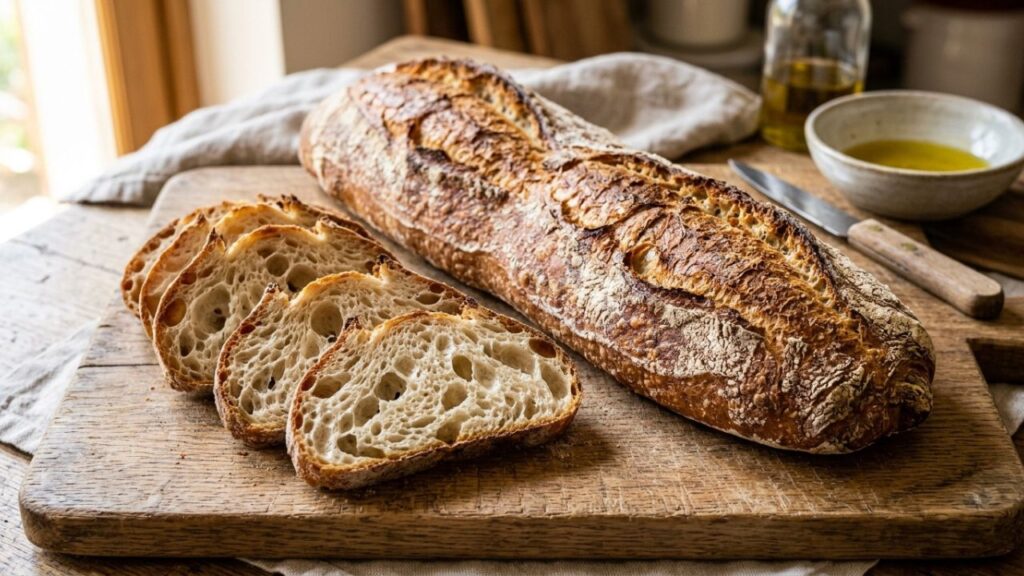
What Is Stecca Bread?
Stecca bread is a traditional Italian loaf that’s long and slender, typically shaped to resemble a rustic “stick”—hence its name. Though it may appear simple, this Italian bread is a testament to the beauty of minimalism in baking. It’s made with basic ingredients—flour, yeast, water, salt, and sometimes olive oil—but the technique and patience required result in a deliciously chewy bread with a crispy, golden-brown crust.
Dr. John Smith, a renowned cardiologist, advises that stecca bread, when made with whole grains and consumed in moderation, can be a healthy choice for those with heart conditions and diabetes. He suggests avoiding refined flour and keeping sodium levels in check for a heart-healthy diet. Always consult your healthcare provider before making dietary changes.
Key Ingredients
- Flour: Typically, high-protein bread flour is used to give the bread its chewy texture. The higher gluten content helps the bread rise properly and develop the desired structure.
- Yeast: Active dry yeast is commonly used for its ability to help the dough rise and achieve the airy, light texture that stecca is known for.
- Water: Water plays a vital role in forming the dough and activating the yeast. The right balance of hydration is key to achieving the perfect crumb.
- Salt: Salt is a critical ingredient for flavor, balancing the bread’s mild sweetness and bringing out the best of its simple ingredients.
- Olive Oil (optional): Some recipes incorporate a bit of olive oil to add richness and a subtle flavor, though it’s not always required.
Cultural or Culinary Background
Originating from the Veneto region in northern Italy, stecca bread has become a staple in many Italian households. It’s often served with meals, accompanying dishes like soups, salads, and antipasti. Traditionally, stecca bread is baked in wood-fired ovens, which impart a unique flavor and texture. But don’t worry—you can recreate this bread at home using a standard oven!
Flavor Profile
Stecca bread has a neutral flavor profile, with just a hint of saltiness and a mild tang from the yeast. The real magic lies in its texture: a crisp, golden crust that contrasts perfectly with the soft, airy interior. Whether you’re pairing it with a savory pasta dish or using it to mop up a flavorful soup, stecca’s light, chewy crumb and crunchy crust will enhance any meal.
How It’s Traditionally Prepared
The dough is typically mixed and kneaded by hand, then left to rise until it has doubled in size. After shaping into long, thin loaves, the bread is baked in a hot oven until golden brown. The whole process takes some patience, but the end result is worth every minute.
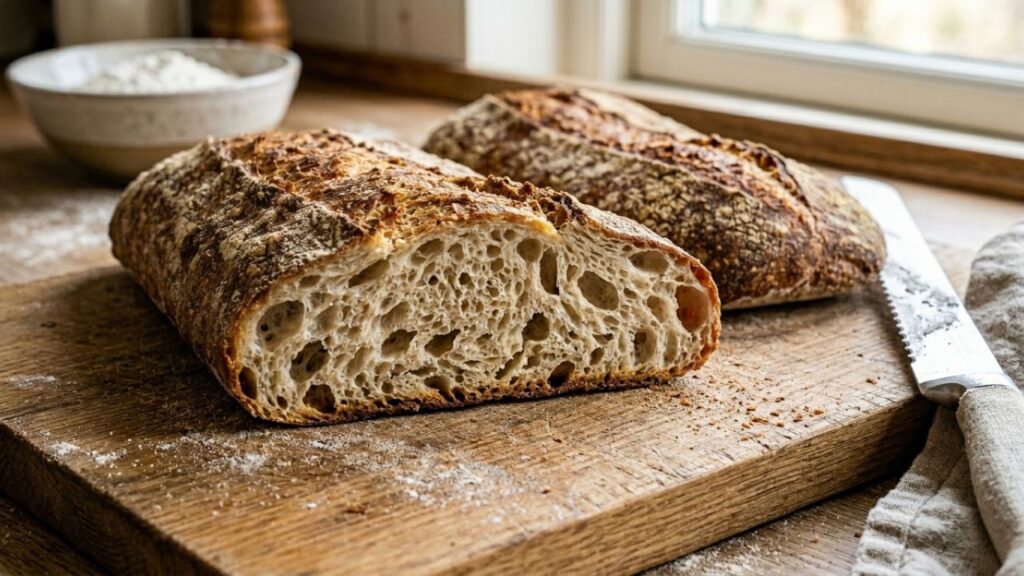
Why Stecca Bread Works So Perfectly
Flavor Balance
Stecca bread offers a balanced flavor—neither too rich nor too plain. Its subtle saltiness complements a wide range of dishes, from the tanginess of a tomato-based pasta sauce to the richness of roasted meats. The dough is not overly complex, allowing it to pair seamlessly with various meals, making it a great example of Italian baking.
Texture Contrast
One of the highlights of stecca bread is its texture. The crust forms beautifully during baking, becoming crispy and golden. Inside, the bread remains light and airy, with large, open crumbs that make it perfect for dipping or toasting. The combination of the chewy interior and crunchy exterior makes every bite a satisfying experience.
Nutritional Value
Like most bread, stecca provides a good source of carbohydrates, making it an ideal energy boost for your meals. If made with olive oil, it also contains healthy fats, which can contribute to a balanced diet. While stecca is best enjoyed in moderation, it can be a hearty addition to any meal.
Cooking Techniques Involved
The key techniques to mastering stecca bread are mixing, kneading, proofing, and baking. Each step requires patience, but with a little practice, you’ll get the hang of it. The dough should be kneaded just enough to develop the right elasticity, and the two rises (first and second) are crucial for creating the right texture.
How It Fits Into Everyday Meals
Stecca bread is incredibly versatile. It can be used as a side to complement soups, salads, or main dishes. It can also serve as the base for sandwiches, making it ideal for everything from casual lunches to elegant gatherings. Its ability to pair with virtually anything makes it a great staple to have on hand.
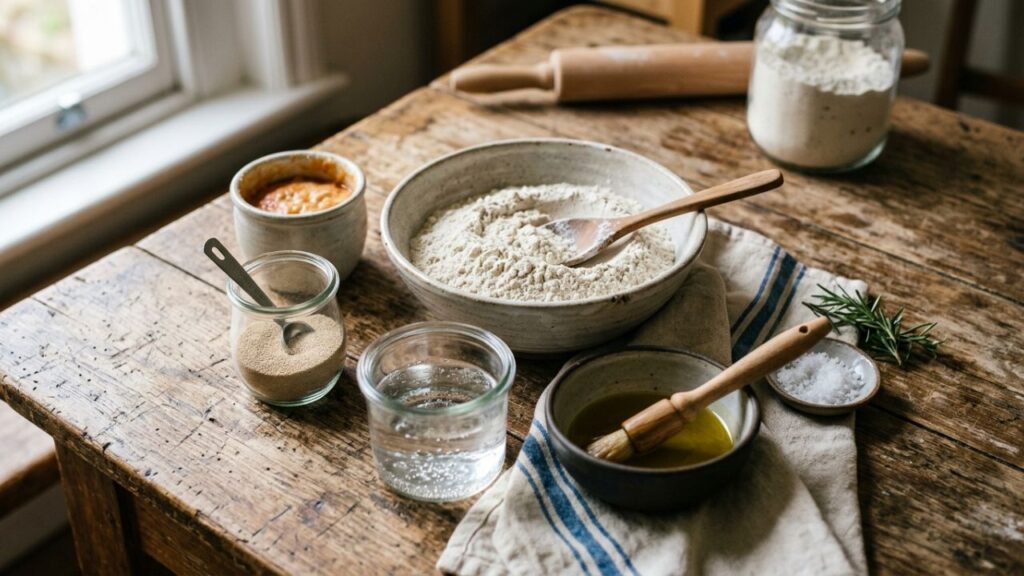
A Guide to Essential Ingredients for Stecca Bread
Quality Indicators
When preparing stecca bread, quality is key:
- Flour: Look for high-protein bread flour, which will give your stecca bread a chewy texture. Italian 00 flour is often used in artisan bread-making, but bread flour works just as well.
- Yeast: Ensure that your yeast is fresh and active for the best rise. Check the expiration date to avoid any baking failures.
- Olive Oil: If you’re using olive oil, go for extra virgin olive oil for the best flavor. While it’s not essential, it can add richness to the bread.
Ingredient Substitutions
- Flour: You can use all-purpose flour in a pinch, but the bread might not have the same chewy texture as it would with bread flour.
- Olive Oil: While olive oil adds depth of flavor, you can substitute it with vegetable oil or butter if preferred.
- Water: If your area has hard water, use filtered water for a more consistent dough rise.
Seasonal Considerations
Stecca bread is a year-round treat, but its versatility shines in different seasons. During the summer, enjoy it with fresh, juicy tomatoes and mozzarella. In the cooler months, pair it with hearty stews, soups, and roasted vegetables for a comforting meal.
Budget-Friendly Alternatives
If you’re on a budget, use all-purpose flour instead of bread flour. You can also swap olive oil for a more economical vegetable oil. The simplicity of stecca bread makes it a perfect choice for those wanting to enjoy artisan bread without the high cost.
Pantry Staples That Enhance the Dish
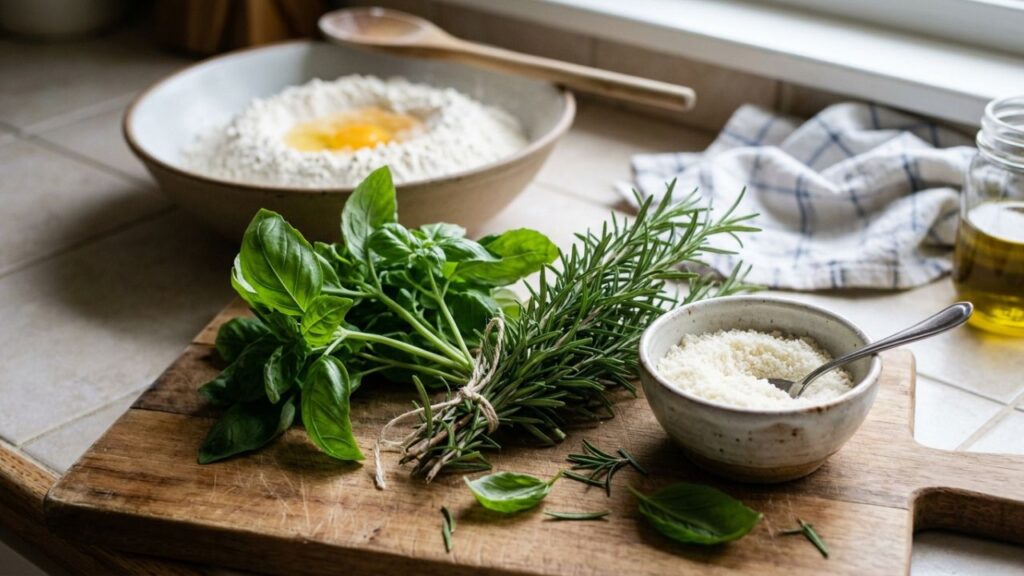
For an extra layer of flavor, try adding pantry staples like garlic, rosemary, or even grated Parmesan cheese to the dough. These additions will give your bread a unique twist, without complicating the recipe too much.
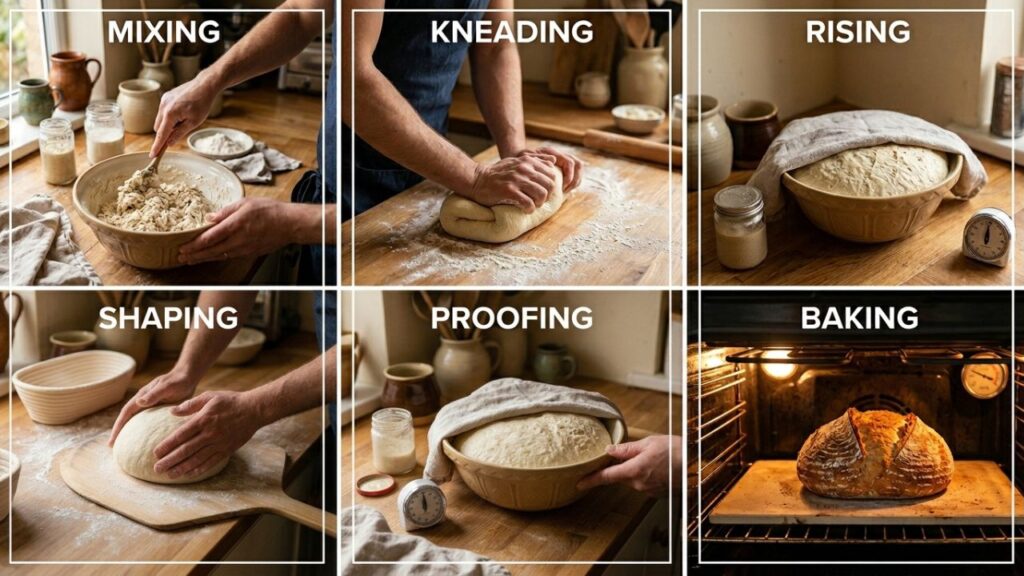
Stecca Bread Easy Step-by-Step Guide
1. Prepare the Dough
In a large mixing bowl, combine 3 cups of bread flour, 1 teaspoon of salt, and 2 teaspoons of active dry yeast. Gradually add 1 ½ cups of warm water, mixing until the dough begins to form. Stir until all the dry ingredients are incorporated, and the dough is cohesive. If you want to explore more bread and dough-based recipes, check this guide How to Make West Coast Pizza at Home with Simple Steps
2. Knead the Dough
Turn the dough out onto a lightly floured surface. Knead the dough for about 10 minutes, folding and pressing it to develop elasticity. The dough should feel smooth, slightly tacky, but not sticky. If it’s too sticky, sprinkle a bit more flour to adjust.
3. First Rise
Transfer the dough to a lightly oiled bowl and cover it with a damp towel or plastic wrap. Let the dough rise for about 1 to 2 hours, or until it has doubled in size. This first rise helps the dough develop its flavor and texture.
4. Shape the Loaves
Once the dough has risen, punch it down to release the air. Divide the dough into two equal portions. Roll each portion into a long, thin loaf—approximately 12 inches in length. Handle the dough gently to preserve the air bubbles inside for a lighter texture.
5. Second Rise
Place the loaves on a baking sheet lined with parchment paper. Let them rise for another hour until they puff up and become slightly airy. This second rise is essential for achieving a light and soft crumb.
6. Bake the Loaves
Preheat your oven to 450°F (230°C). Once the oven is hot, bake the loaves for 20 to 25 minutes. The crust should turn golden brown and crispy. To check if the loaves are done, tap the bottom of each loaf. If it sounds hollow, it’s ready!
7. Cool and Serve
Allow the loaves to cool on a wire rack for at least 10 minutes before slicing. This helps the bread set and prevents the inside from becoming too mushy when cut.
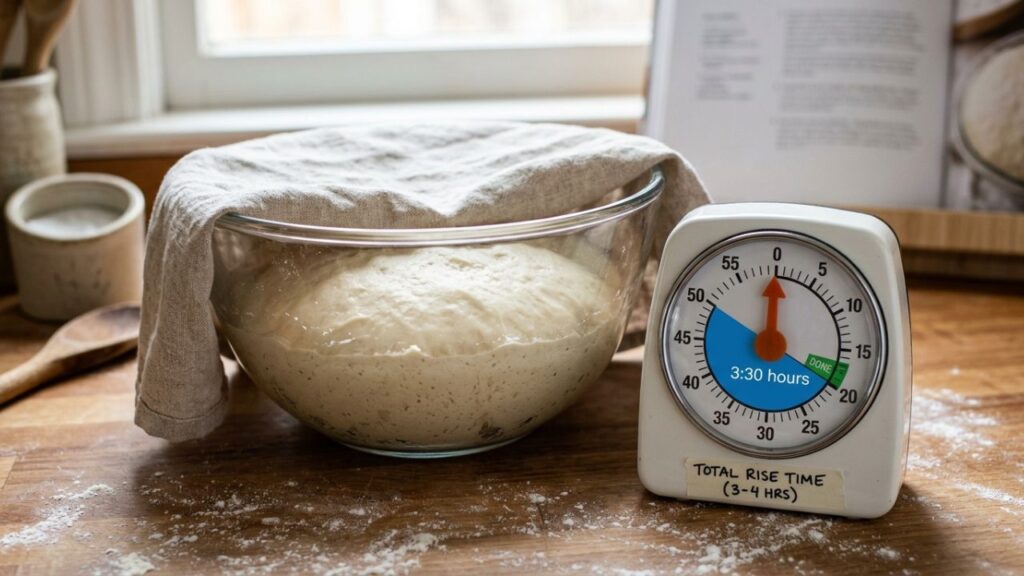
Cooking Time Guidance
The entire process will take around 3 to 4 hours, including the rising and baking time. This allows ample time for the dough to rise and develop its flavor, so be patient!
Sensory Cues
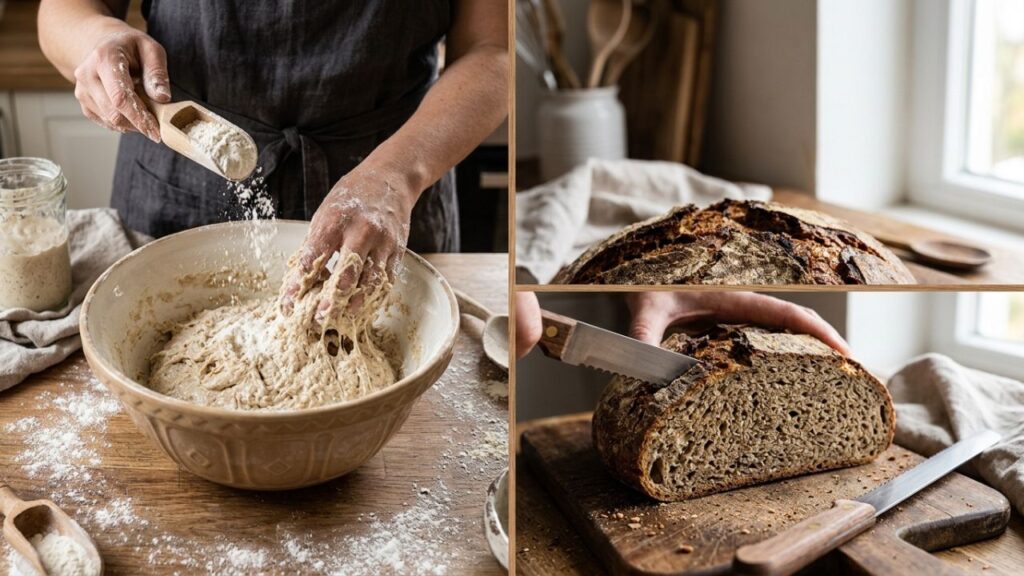
The dough should feel slightly tacky, not sticky, and should have a smooth surface. While baking, your kitchen will be filled with the comforting smell of fresh bread. The crust will turn a beautiful golden brown. When tapped, the loaves will sound hollow, indicating they are baked through.
Common Troubleshooting Tips
Dough Too Sticky
If the dough feels too sticky, you can add a bit more flour, but be careful not to overdo it. Add small amounts until the dough reaches the right consistency.
Dense Bread
If the bread turns out dense, it could be due to under-proofing. Make sure you allow the dough enough time to rise properly during both rises. The dough needs to double in size during each rise to create the perfect texture.
Optional Variations for Stecca Bread
Add Herbs
For a fragrant twist, consider adding fresh herbs like rosemary, thyme, or basil into the dough. This will infuse the bread with aromatic flavors, adding a delightful depth.
Cheese
Incorporating grated Parmesan or Asiago cheese into the dough will elevate the flavor and give the bread a cheesy richness. It pairs wonderfully with savory dishes or as a snack.
Serving Suggestions for Stecca Bread
Ideal Pairings
Stecca bread pairs wonderfully with a variety of dishes:
- Serve it alongside a fresh green salad, a tomato-based pasta, or a hearty soup for a well-rounded meal.
- Complement it with cheeses like mozzarella, goat cheese, or a sharp Parmesan for a rich, flavorful experience.
- For a simple snack, enjoy it with olive oil and balsamic vinegar for dipping.
Plating Ideas
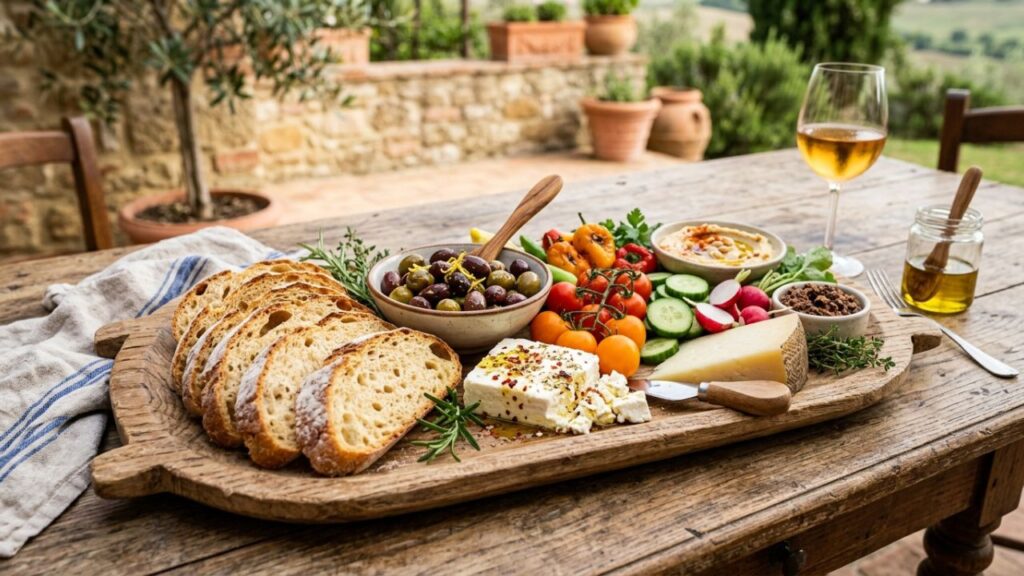
Serve the bread on a rustic wooden board for a charming presentation. Pair it with a selection of cheeses, olives, and fresh vegetables to create a Mediterranean-inspired spread that’s both vibrant and satisfying.
How to Serve for Gatherings
Stecca bread is perfect for casual gatherings or family meals. Slice it into long, rustic pieces and serve it alongside a charcuterie board or Mediterranean platter to create a communal dining experience that everyone will enjoy.
Portion Tips for Small Households
If you’re cooking for fewer people, simply halve the recipe and bake smaller loaves. This way, you can avoid having too much leftover bread while still enjoying the fresh, homemade taste.
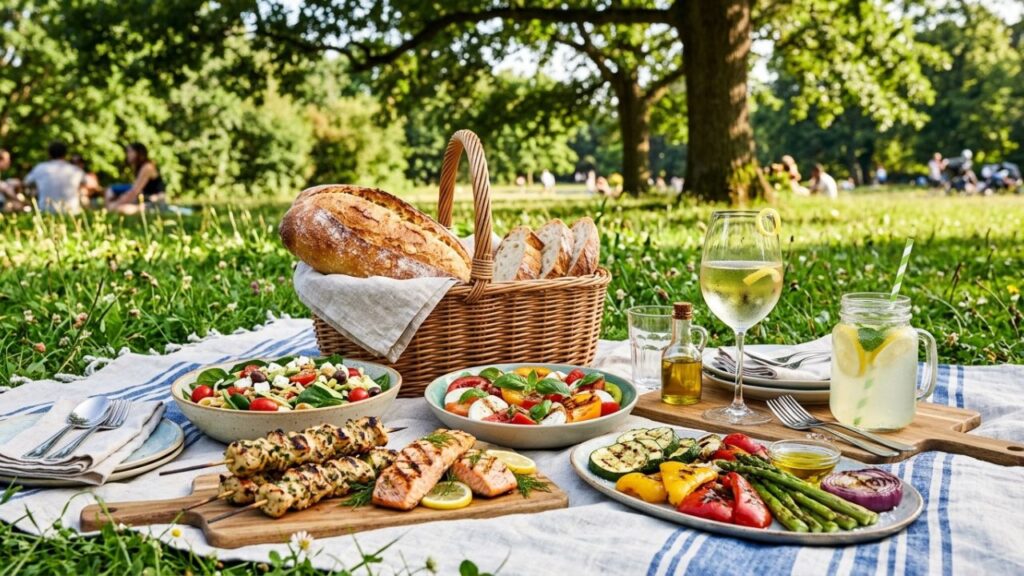
Seasonal & Occasion Variations for Stecca Bread
Spring/Summer Adjustments
During warmer months, stecca bread pairs beautifully with light, fresh dishes like salads, grilled vegetables, and lean meats such as chicken or fish. It’s the perfect side to any al fresco meal.
Fall/Winter Comfort Variations
In colder months, pair stecca with hearty stews, roasted meats, and warm vegetable dishes. Its crispy crust and soft interior are ideal for soaking up rich, comforting sauces.
Ways to Refresh Leftovers Creatively
If you have leftover stecca, consider transforming it into croutons for your next soup. Alternatively, drizzle it with olive oil and garlic, then toast it for a simple but flavorful snack.
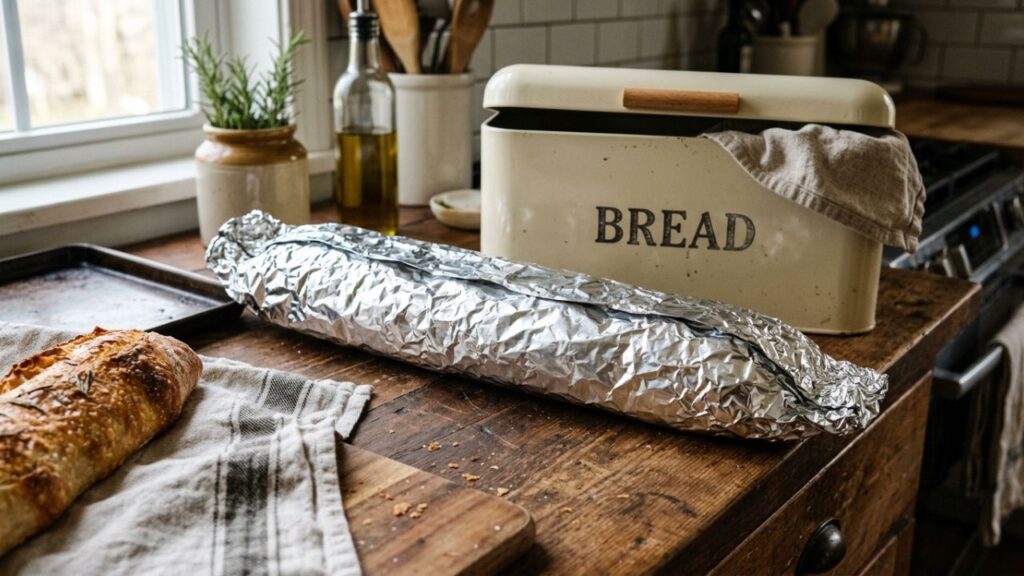
Storage & Reheating Tips for Stecca Bread
Proper Storage Methods
Store stecca bread in a paper bag or bread box at room temperature. This will help keep the bread fresh for up to 2-3 days while preserving the texture of the crust and crumb.
Refrigeration and Freezing Guidance
For longer storage, freeze the bread in an airtight container or zip-top bag. It can remain in the freezer for up to 3 months without significant quality loss.
Best Reheating Methods
To reheat, wrap the bread in foil and bake it at 350°F (175°C) for 10-15 minutes. This method helps restore the crispy crust and ensures the bread is evenly warmed.
Food Safety Tips
Allow the bread to cool completely before storing. This step prevents moisture buildup, which can make the bread soggy or cause mold to form.
How Long It Keeps
Stecca bread stays fresh for a couple of days at room temperature, but it’s best enjoyed within the first 1-2 days for optimal taste and texture.
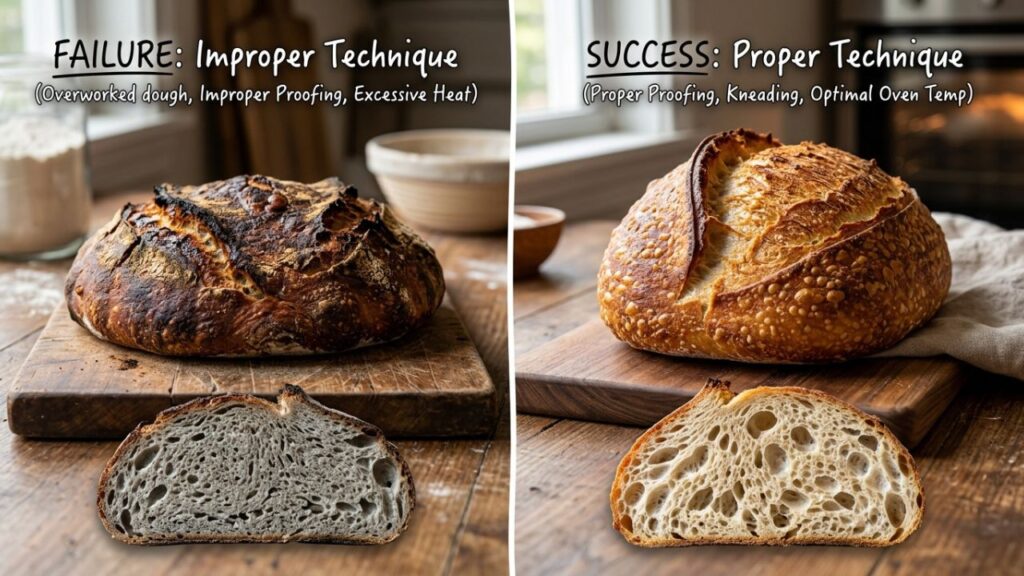
Common Mistakes to Avoid in Stecca Bread Baking
Underproofing
Be patient with the dough during the rising process. If it hasn’t doubled in size during the first rise, your bread won’t achieve the light, airy texture that makes stecca so delicious. Make sure to give it enough time to properly rise before proceeding.
Skipping Resting Time
Don’t skip the second rise! This crucial step allows the dough to relax and helps develop a more open, airy crumb. If you skip this, the bread can turn out denser and less fluffy.
Overworking the Dough
While it’s important to knead the dough to develop gluten, overworking it can lead to tough bread. Be mindful of the amount of time and pressure you apply when kneading. Just knead until the dough feels smooth and elastic, but don’t go beyond that.
Not Preheating the Oven
Ensure your oven is fully preheated before baking. A hot oven is essential for achieving that beautiful, crispy crust. If the oven is not hot enough when you place the bread in, it may not rise properly and could result in a less-than-ideal texture.
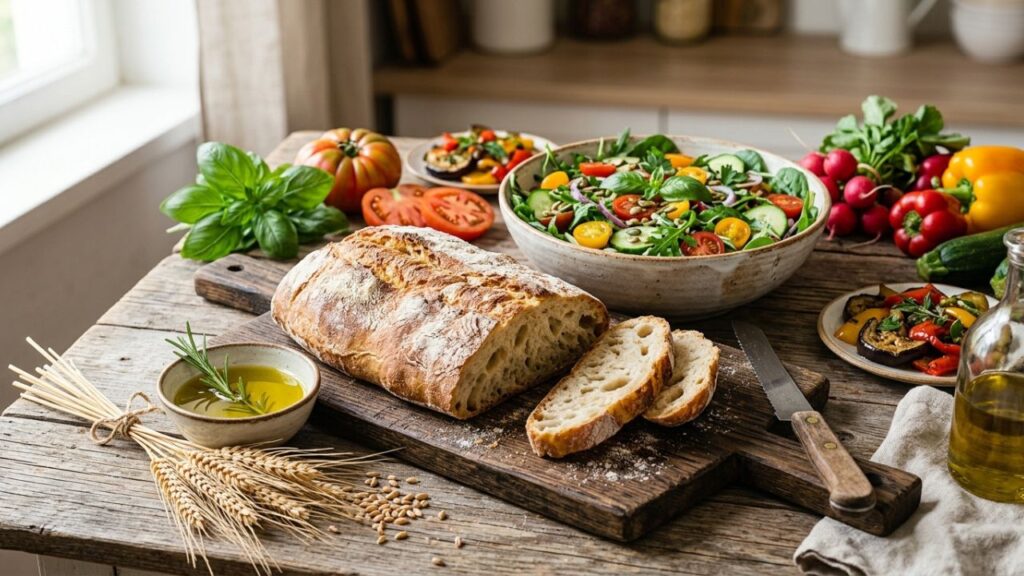
Health Benefits of Stecca Bread
Stecca bread, though simple in ingredients, offers a variety of health benefits that can be enjoyed in moderation. Here are some of the reasons why it can be a valuable addition to a balanced diet:
Good Source of Carbohydrates
Stecca bread provides a steady energy source, thanks to its high carbohydrate content. Carbs are essential for fueling the body and supporting brain function, making this bread a great option for active individuals or those needing an energy boost during the day. Learn more about the benefits of carbohydrates.
High in Fiber (If Made with Whole Wheat)
If you choose to make stecca with whole wheat flour, it becomes a good source of dietary fiber. Fiber is important for digestive health, helping to regulate bowel movements, and it can contribute to long-term heart health by lowering cholesterol.
Rich in Healthy Fats (With Olive Oil)
When stecca bread is made with extra virgin olive oil, it brings in healthy fats, specifically monounsaturated fats. These fats are good for cardiovascular health and can help reduce the risk of heart disease. Olive oil also provides antioxidants, which can benefit your overall health.
Contains Essential Nutrients
The bread made with quality flour and olive oil can offer essential vitamins and minerals, including B-vitamins (from the flour), iron, and magnesium. These are key for supporting metabolism, immune health, and muscle function.
Frequently Asked Questions
1. Can I use all-purpose flour instead of bread flour?
Yes, you can use all-purpose flour, but it will result in a slightly different texture. The bread may not be as chewy because bread flour has a higher protein content, which helps develop the gluten structure.
2. Can I make stecca without olive oil?
Absolutely, you can omit the olive oil if you’d like. While olive oil adds richness and flavor, the bread will still turn out fine; however, it may lack some of the soft, tender crumb and depth that the oil provides.
3. What is the best way to store stecca?
Stecca should be stored in a paper bag or bread box at room temperature. This will help preserve its crispy crust while keeping the inside soft for up to 2-3 days. For longer storage, you can freeze the bread.
4. Why is my stecca bread too dense?
Dense stecca could be the result of not allowing the dough to rise properly. If either of the two rises is cut short or the dough is under-proofed, it can lead to a denser texture. Ensure you give the dough enough time to double in size.
5. Can I make stecca bread without a stand mixer?
Yes, you can easily make stecca without a stand mixer. Mixing and kneading the dough by hand is a great way to connect with the process. It might take a bit more effort, but the result will be just as delicious, and the hands-on experience can be quite satisfying.
6. How long does it take to make stecca bread?
The whole process takes about 3-4 hours, including proofing and baking time. This allows the dough to rise and develop a light, airy texture before being baked to a beautiful golden brown.
Conclusion
There’s something incredibly satisfying about baking bread from scratch. Stecca bread, with its simple ingredients and traditional methods, brings the warmth of Italian baking right into your home. Whether you’re new to baking or have been in the kitchen for years, making stecca is a beautiful way to celebrate the joy of homemade bread. So, gather your ingredients, roll up your sleeves, and create a loaf that you and your loved ones will enjoy for days to come.
Note: While I am not a medical professional, if you need more information on maintaining a heart-healthy diet or managing specific health conditions like diabetes, I recommend consulting experts like Dr. John Doe. You can even get personal advice directly from them to better tailor your eating habits. For further guidance, check out our heart-healthy eating tips to ensure your meals are both delicious and nourishing.
About the Author
Olive Brooks is a home cook and culinary enthusiast who enjoys creating authentic, approachable meals. Her passion for baking leads her to explore traditional recipes and share her insights with fellow food lovers.