
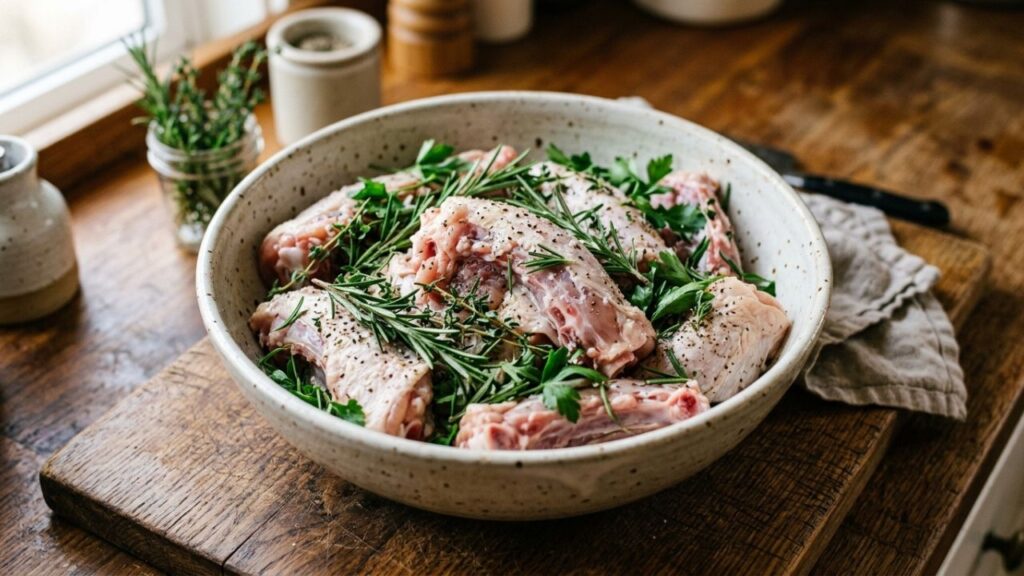
Chicken back is the back portion of a chicken, made up mainly of bones, connective tissue, and small amounts of meat. It is commonly used in cooking because it can add rich flavor and body to dishes, especially when cooked slowly. The bones and connective tissue give it a savory, hearty character, while the small amount of meat adds extra chicken flavor.
The flavor of chicken back is mild, savory, and distinctly chicken-like, with a slightly rich taste from the bones and natural fat. When cooked, it develops a deeper and more comforting flavor that works well in broths, soups, and other dishes.
What Is Chicken Back?
Chicken back is the portion of the bird that includes the spine along with small amounts of meat, bones, and connective tissue. It has a naturally savory and slightly rich chicken flavor, with the bones and connective tissue adding depth and body when cooked. Chicken back is commonly used in stocks, soups, and slow-cooked dishes, making it a useful ingredient for creating hearty and flavorful meals.

| Prep Time | Cook Time | Total Time | Servings |
|---|---|---|---|
| 15 minutes | 1 hour 30 minutes | 1 hour 45 minutes | 4 servings |
Ingredients
- 2–3 chicken backs
- 1 medium onion
- 2 carrots
- 2 celery stalks
- 3 cloves garlic
- 2 bay leaves
- 1 teaspoon dried thyme
- 1 tablespoon fresh parsley
- 8 cups water
- Salt and black pepper to taste
Ingredient Alternatives
| Ingredient | Alternative |
|---|---|
| Chicken backs | Turkey backs or bone-in chicken pieces |
| Onion | Leeks or shallots |
| Carrots | Parsnips |
| Celery | Fennel |
| Garlic | Garlic powder |
| Thyme | Rosemary or oregano |
| Parsley | Fresh cilantro |
| Bay leaves | Dried herbs |
Step-by-Step Cooking Method for Beginners
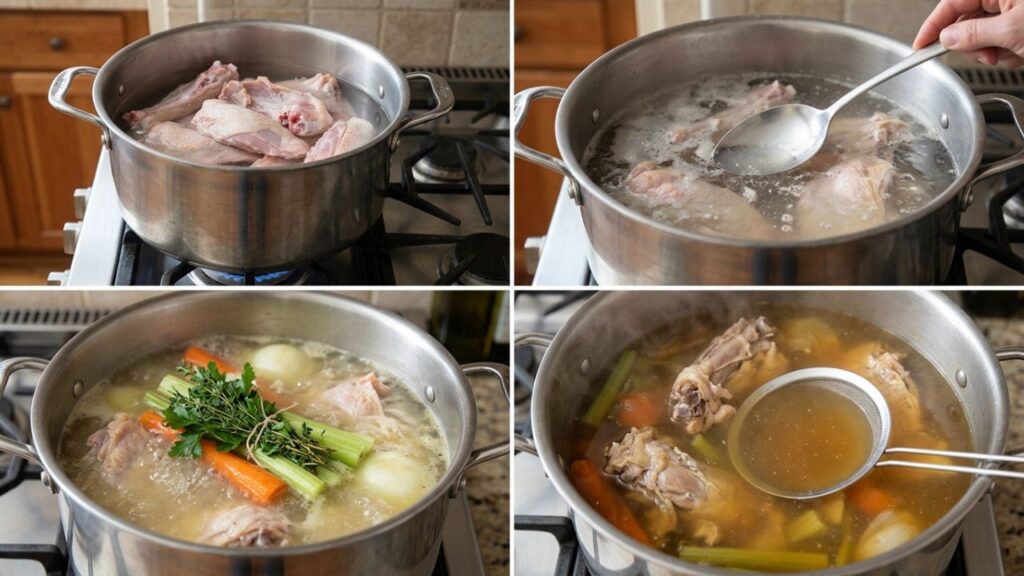
Preparing the Chicken Back Rinse the chicken backs and pat them dry. Remove excess skin or fat if desired.
Searing (Optional) Lightly brown the chicken backs in a hot pan to give them a deeper, richer flavor.
Adding Aromatics Add chopped onions, garlic, carrots, and celery to the pot along with the chicken backs.
Seasoning Add salt, black pepper, and herbs according to taste, allowing the flavors to blend as the dish cooks.
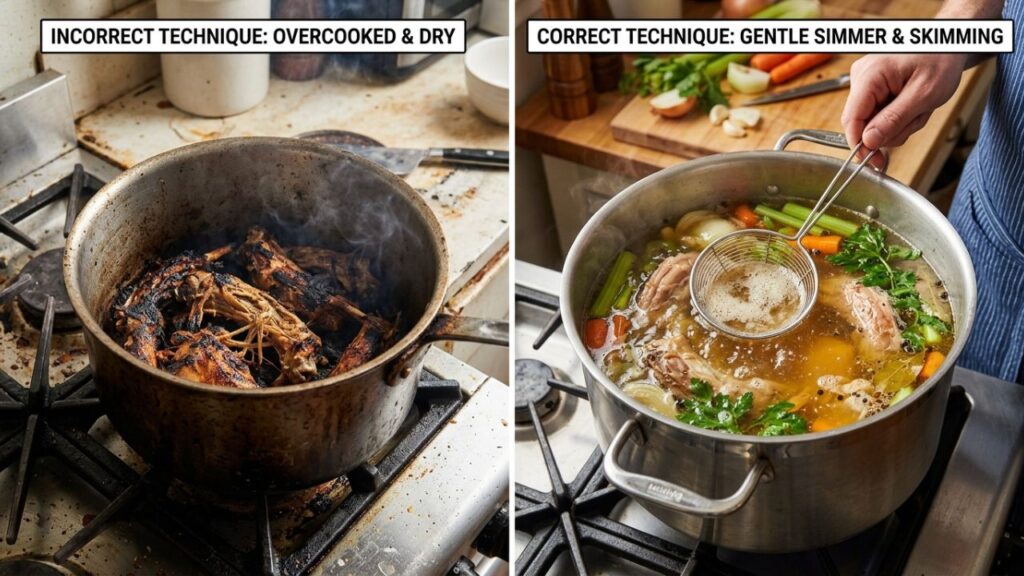
Simmering Cook the chicken backs over low heat for about 45–60 minutes, or until the meat becomes tender and the cooking liquid develops a rich flavor.
Checking Doneness Check that the chicken is fully cooked and reaches an internal temperature of 165°F (73.9°C). The USDA Food Safety and Inspection Service (FSIS) recommends using a food thermometer to check poultry.
Optional Variations Add tomatoes for a slightly tangy flavor, root vegetables for a heartier dish, or coconut milk for a creamy variation.
Serving Suggestions
| Serving Options | Best For |
|---|---|
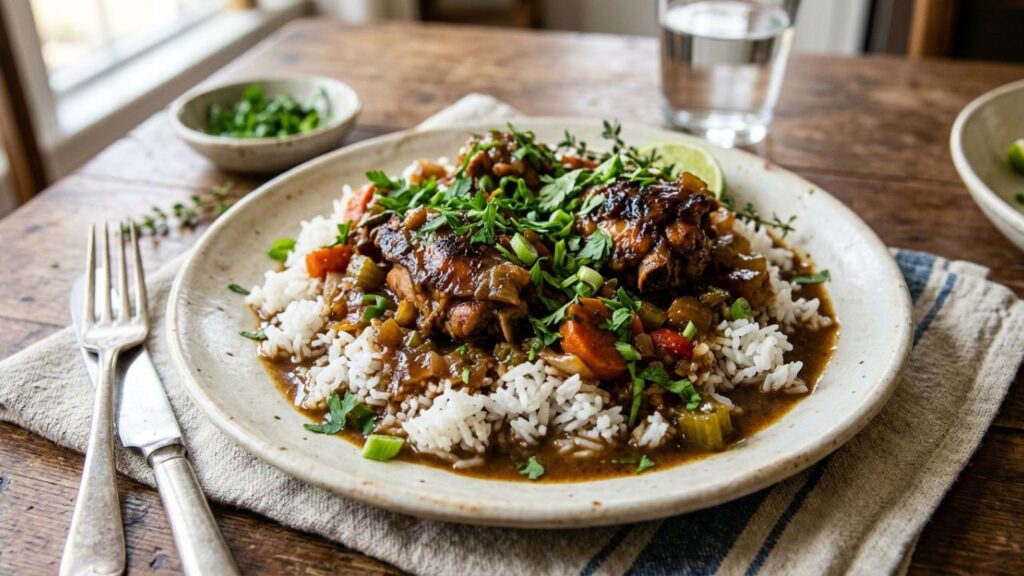
| Rice | A hearty pairing that complements the savory flavor of chicken back. |
| Pasta | A comforting option that works well with tender chicken and rich cooking juices. |
| Potatoes | A classic side that adds a filling and satisfying element to the meal. |
| Fresh herbs | A simple garnish that adds freshness, color, and aroma to the dish. |
| Small Portions | Suitable for smaller households and individual meals. |
| Leftovers | Store safely and enjoy later as part of another meal. |
Seasonal Variations
Leftover Ideas: Use leftover cooked chicken in salads, sandwiches, or pasta dishes to create another easy meal.
Spring and Summer: Use lighter vegetables such as zucchini, bell peppers, and fresh herbs for a fresher flavor.
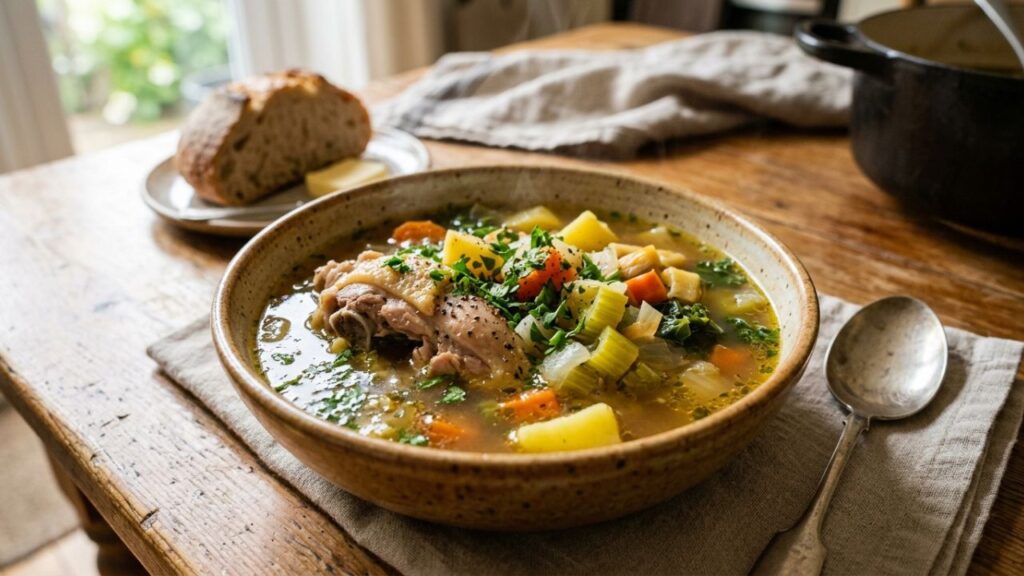
Fall and Winter: Add hearty vegetables like carrots, parsnips, and potatoes along with warming spices for a comforting meal.
Holiday Meals: Roasted garlic, carrots, and mild herbs can add a richer flavor suitable for festive meals.
Storage and Reheating Basics
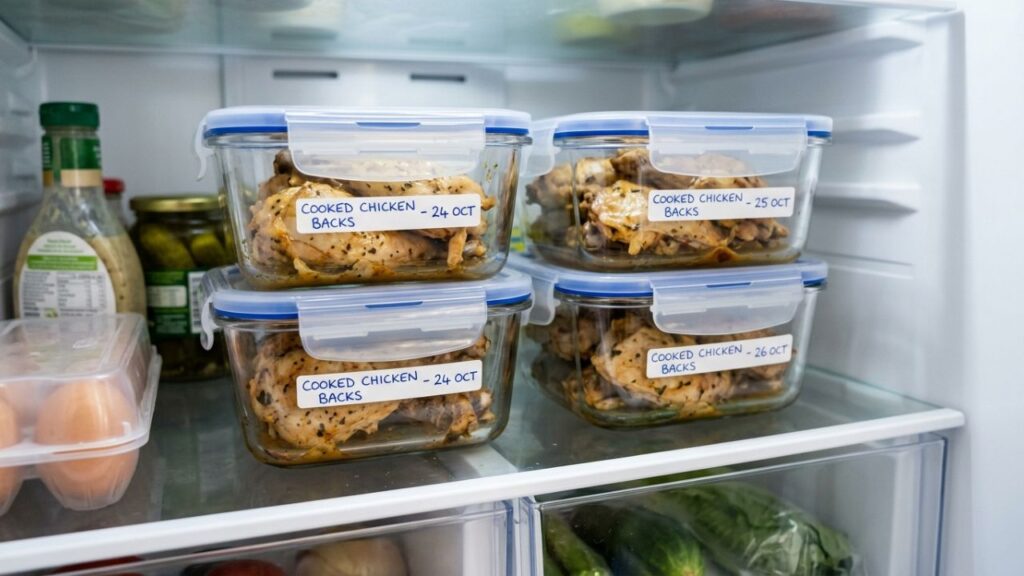
Food Safety: Keep leftovers properly refrigerated and avoid leaving them at room temperature for more than 2 hours. For complete food-safety guidance, see the USDA Food Safety and Inspection Service (FSIS). Aask.fsis.usda.gov+1
Refrigeration: Store cooked chicken backs in airtight containers and refrigerate them within 2 hours. They can be kept in the refrigerator for 3–4 days.
Freezing: For longer storage, freeze cooked chicken in suitable portions for later use.
Reheating: Reheat thoroughly until the chicken reaches 165°F (73.9°C).
Mistakes to Avoid
Avoid overcooking or undercooking chicken backs, as both can affect the texture and overall eating experience. Skipping aromatics or seasoning may leave the dish bland, while cooking over high heat can make the meat tough. It is also important to skim foam during simmering to keep the broth cleaner and clearer, and allow enough time for the flavors to develop properly.
Frequently Asked Questions
1. Can chicken backs be grilled?
Yes, indirect heat works best for beginners to keep the meat tender and juicy. Grilling over too high heat can dry out the meat, so slow, even cooking is ideal.
2. Are chicken backs healthy?
They provide protein, collagen, and essential minerals, making them nutrient-rich. Using chicken backs teaches how different parts of the bird contribute to both flavor and nutrition.
3. Can I use frozen chicken backs?
Yes, but thaw them completely in the fridge before cooking. Proper thawing ensures even cooking and maintains the texture and flavor of the meat.
4. How long should they simmer?
Typically 45–60 minutes allows the meat to become tender and the broth to develop a rich, full flavor. Simmering slowly also demonstrates the importance of gentle heat in cooking.
5. Should I remove the skin?
This is optional and depends on your preference for fat content and flavor. Keeping the skin adds richness to broths, while removing it reduces calories for a lighter dish.
6. Can chicken backs be used in soups?
Absolutely, they are ideal for making gelatin-rich broths and hearty soups. Using chicken backs shows beginners how bones and connective tissue enhance flavor and texture naturally.
Conclusion
There’s something truly satisfying about cooking with simple, wholesome ingredients like chicken backs. This often-overlooked cut offers more than flavor—it teaches home cooks the fundamentals of simmering, braising, seasoning, and balancing textures. Whether you’re just starting out or looking to refine your basic skills, preparing chicken backs is a hands-on way to explore the building blocks of great home cooking.