
Chicken back is an often-overlooked cut that brings both flavor and value to the kitchen. For those wanting to understand the basics of cooking, this humble part of the bird offers a perfect starting point. With its mix of meat, bones, and connective tissue, chicken back enhances stocks, soups, and slow-cooked dishes, providing a great lesson in how flavors and textures evolve with time. In my own kitchen, I enjoy letting chicken backs simmer with aromatics, watching how such a simple ingredient can elevate a dish. For more protein-packed recipe ideas, check out How to Make Meatball Nirvana at Home?
Using chicken back allows beginners and home cooks to explore how to maximize flavor from every ingredient and practice simple cooking techniques like simmering and braising. It also helps understand the role of fat, collagen, and bones in building taste. This guide explains the basics of chicken back, including preparation, cooking methods, and health considerations, all with practical insights for learning and experimentation.
In this guide, I’ll show you how to make the most of chicken back in your cooking. By simmering or braising this humble cut, you’ll learn how bones, meat, and connective tissue develop rich flavor and texture. Using chicken back is a simple way for home cooks to practice techniques and understand how every ingredient can enhance a dish.
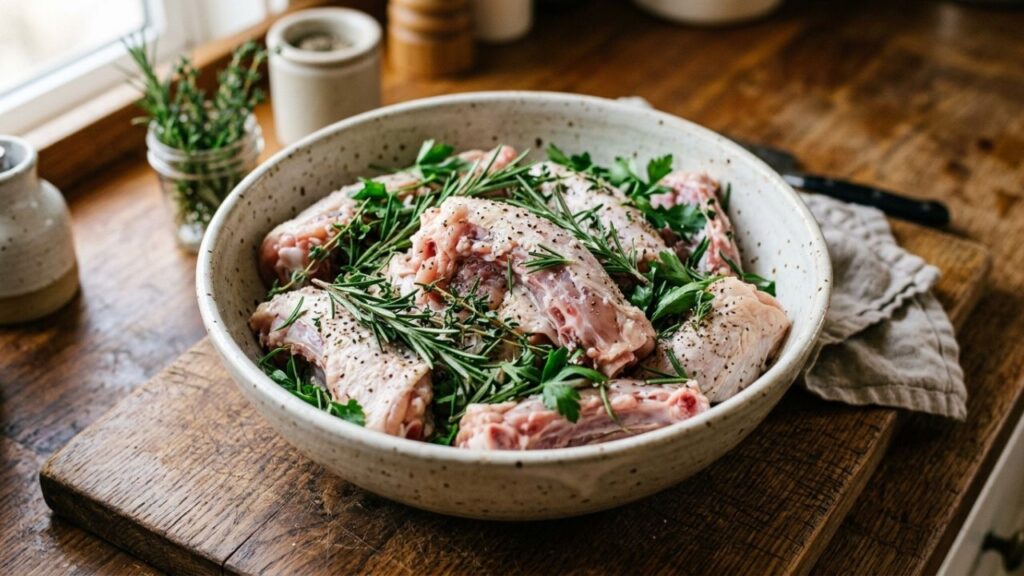
What Is Chicken Back?
Chicken back is the portion of the bird that includes the spine and small amounts of surrounding meat. It is prized for its natural flavor and gelatin-rich connective tissue, making it ideal for learning the fundamentals of how ingredients contribute to both flavor and texture in cooking.
According to Dr. Michael Greger, a U.S.-based physician and nutrition expert, chicken backs can be part of a healthy diet due to their protein and mineral content, but people with high cholesterol or heart conditions should limit skin and fat. They are generally suitable for healthy adults and home cooks learning basic cooking techniques.
Understanding Chicken Back as an Ingredient
Chicken backs are most often used in stock-making, soups, and slow-cooked dishes. They provide a hands-on lesson in how bones and cartilage release gelatin, how fat enhances flavor, and how cooking time and method influence texture.
Flavor Profile and Culinary Use
Chicken backs have a naturally savory, umami-rich taste that pairs well with herbs, spices, and vegetables. This makes them perfect for experimenting with basic flavor-building techniques while learning how ingredients combine to create a well-rounded dish.
Traditional and Basic Preparation Techniques
Most preparations involve gentle cooking methods such as simmering in water or broth, slow-roasting to extract flavor, or braising with vegetables and seasonings. Understanding these basics is fundamental for beginners developing essential cooking skills.
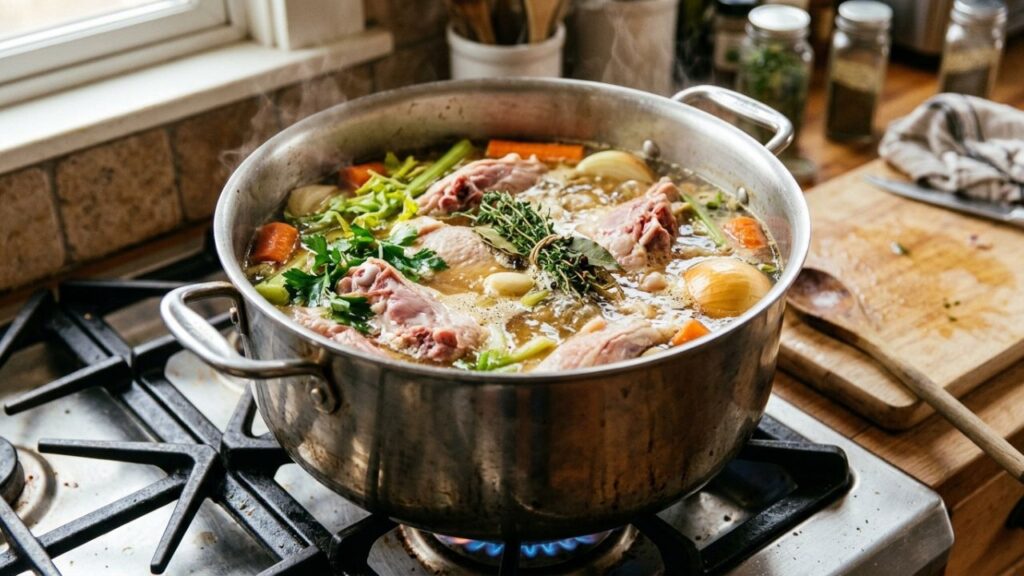
Why Chicken Back Works in Basic Cooking
Flavor Development Through Cooking
Chicken backs are excellent for teaching essential flavor principles. Slow cooking extracts gelatin from the bones, aromatics build layers of flavor, and simmering gently ensures balanced umami without overpowering the dish. These are fundamental cooking techniques.
Texture Principles
The combination of tender meat, slight chew, and gelatin offers a natural lesson in texture contrast. Beginners can learn how texture plays a crucial role in the overall eating experience and how different cooking methods affect it.
Everyday Application for Ingredient Learning
Chicken backs are ideal for practicing how to make flavorful broths, balancing seasoning, and understanding portioning for meals. Working with this ingredient provides practical insights into everyday cooking techniques.
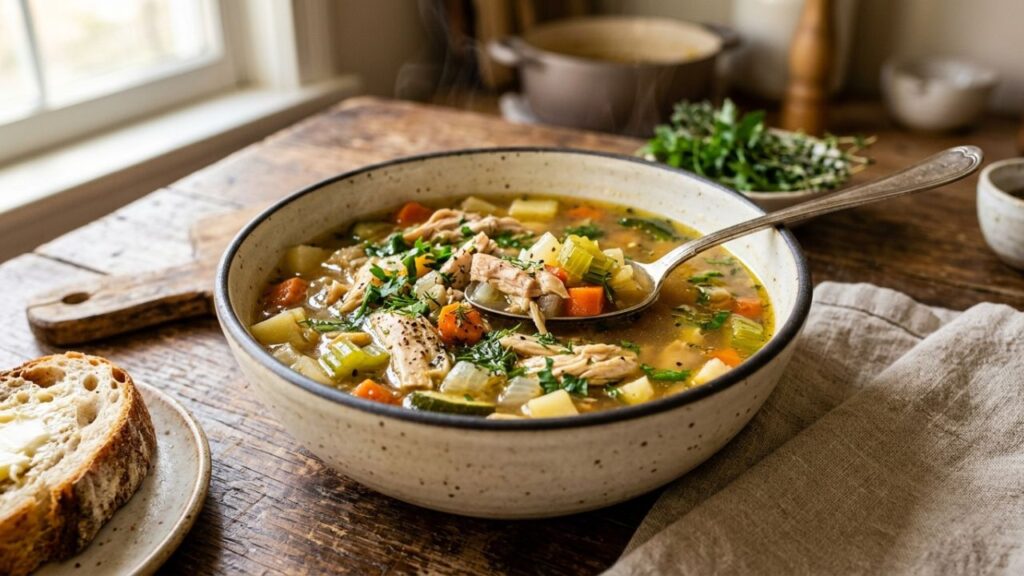
Health Basics of Chicken Back
Nutritional Components
Chicken backs are rich in protein, collagen, and essential minerals like calcium and phosphorus. Using them helps beginners learn about nutrient density and how different components of an ingredient contribute to health and flavor.
Basic Dietary Considerations
For lighter dishes, excess fat can be skimmed, and adding vegetables boosts fiber content. Pairing with whole grains can create a well-balanced meal, reinforcing basic nutrition concepts in everyday cooking.
Learning from a Health Perspective
Cooking with chicken backs provides a practical lesson in how fat, protein, and collagen contribute to both flavor and nutrition. This hands-on experience teaches beginners to consider health alongside culinary technique.

Chicken Back Ingredient Guide
Selecting Quality Ingredients
When choosing chicken backs, look for firm, pink flesh with minimal odor. Avoid pieces that appear discolored or slimy, as selecting quality ingredients is fundamental to achieving good flavor and learning proper ingredient evaluation.
Simple Ingredient Substitutions
If chicken backs aren’t available, turkey backs or other bone-in chicken parts can be used for similar flavor and texture. Understanding substitutions helps beginner cooks adapt recipes and develop flexibility with ingredients in the kitchen.
Complementary Ingredients
Onions, garlic, celery, and carrots are excellent aromatics to pair with chicken backs, while herbs such as thyme, parsley, and bay leaves enhance the dish. Learning to combine aromatics, herbs, and spices teaches how ingredients work together to build balanced flavor.
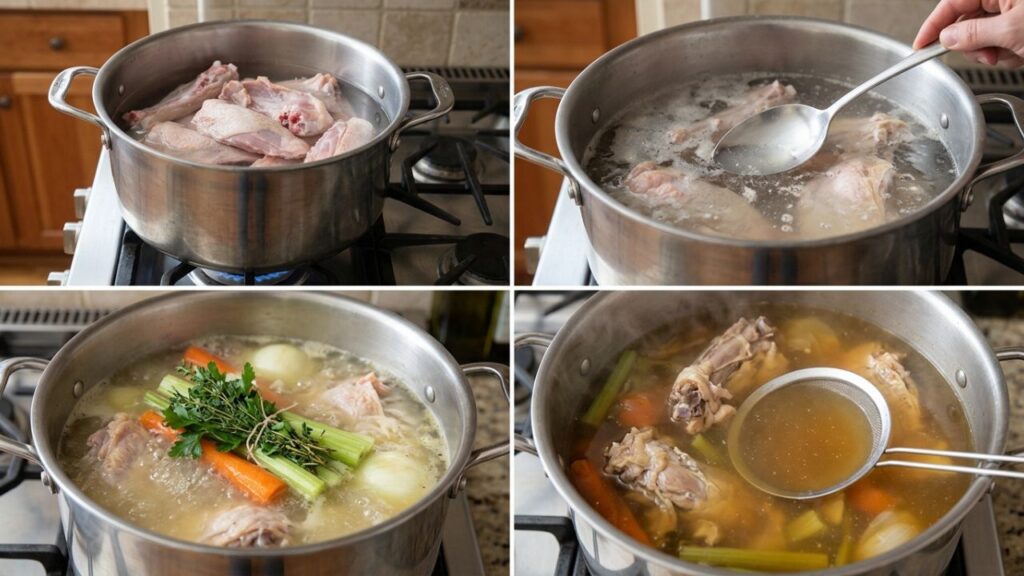
Step-by-Step Cooking Method for Beginners
Preparing the Chicken Back
Start by rinsing the chicken backs and patting them dry to remove excess moisture. Removing excess skin or fat if desired teaches basic preparation techniques and helps maintain a clean, controlled cooking process.
Searing (Optional)
Lightly brown the chicken backs in a hot pan to develop additional flavor. This demonstrates the Maillard reaction, giving beginners insight into how high-heat searing transforms the surface of proteins. For more tips on cooking protein-rich dishes and mastering flavor development, see How to Make the Most of Half Beef in Recipes.
Adding Aromatics
Incorporate chopped onions, garlic, carrots, and celery to the pan or pot. This step reinforces the principle that aromatics form the foundational flavor base for many classic dishes.
Seasoning
Season gradually with salt, pepper, and herbs. Introducing seasoning in stages teaches the importance of balancing flavors rather than relying on a single adjustment at the end.
Simmering
Cook the chicken backs over low heat for 45–60 minutes until the meat is tender and the broth rich. This slow cooking process helps beginners understand how gentle heat affects both meat texture and flavor extraction.
Checking Doneness
Ensure the meat is tender and the broth has developed a full, rich flavor. Checking doneness encourages cooks to develop sensory skills like assessing texture, aroma, and appearance.
Optional Variations
You can add tomatoes for a touch of acidity, include root vegetables for extra substance, or stir in coconut milk for a creamy texture. These variations demonstrate how basic ingredient adjustments can create different flavor profiles while teaching creativity in the kitchen.
Serving and Meal Ideas
Pairing Basics
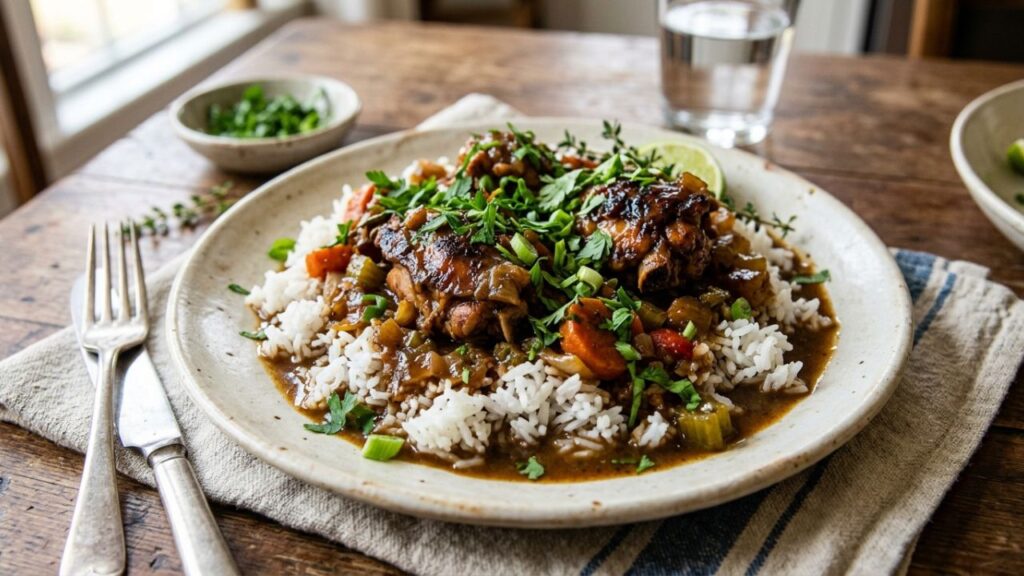
Chicken backs pair well with rice, pasta, or potatoes, and garnishing with fresh herbs enhances presentation. Learning to pair ingredients teaches beginners the principles of complementary flavors and appealing plating.
Portioning Tips
Prepare single portions for small households and store leftovers safely for future meals. Understanding portioning reinforces basic meal planning, efficient ingredient use, and proper kitchen organization.
Seasonal Variations
Spring and Summer
During warmer months, lighter vegetables like zucchini, bell peppers, and fresh herbs complement chicken backs beautifully. This is a great opportunity to learn about ingredient freshness and how seasonal produce affects both flavor and texture.
Fall and Winter
Hearty root vegetables such as carrots, parsnips, and potatoes, combined with warming spices like paprika or nutmeg, create comforting dishes. Cooking with seasonal ingredients teaches how flavors can be adjusted to match the time of year.
Holiday Meals
Adding roasted garlic, carrots, and mild herbs enriches the flavor for festive occasions. This shows how basic ingredients can be elevated for special meals while practicing thoughtful ingredient selection.
Leftover Ideas
Cooked chicken backs can be repurposed in salads, sandwiches, or pasta sauces. Learning to creatively reuse ingredients not only minimizes waste but also reinforces understanding of flavor balance and texture in new dishes.
Storage and Reheating Basics
Refrigeration
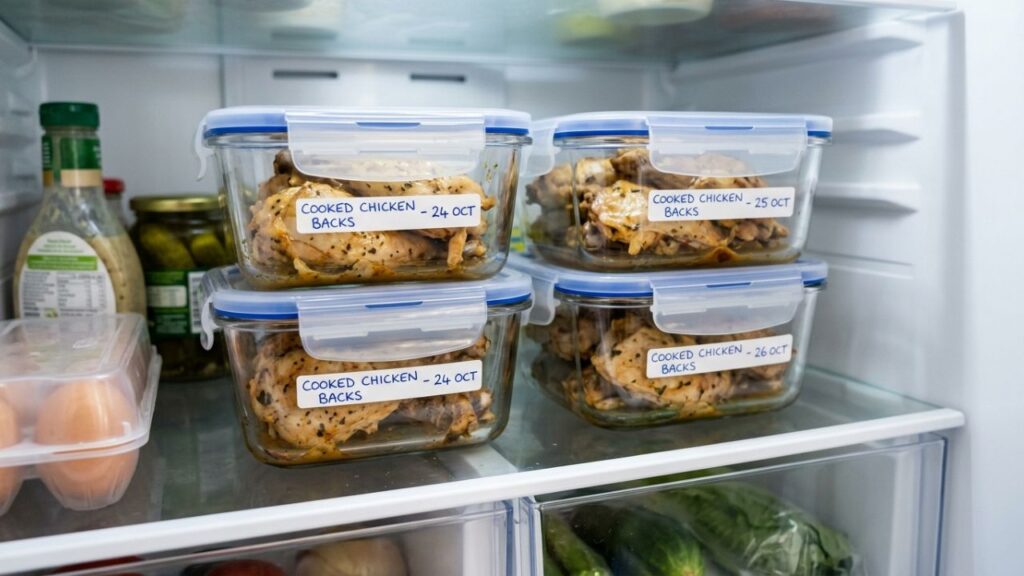
Store cooked chicken backs in airtight containers for up to three days in the refrigerator. This teaches proper food storage, which is a key foundation in safe and effective cooking.
Freezing
Chicken backs can be frozen for two to three months when portioned into meal-sized containers. Freezing demonstrates the principles of preservation while maintaining texture and flavor for later use.
Reheating
Warm gently over low heat to maintain tenderness and prevent the meat from drying out. This reinforces the importance of temperature control in cooking and ensures the dish tastes as intended.
Food Safety
Always ensure that reheated chicken backs reach an internal temperature of 165°F (74°C). Practicing safe cooking and reheating techniques is essential to prevent foodborne illnesses and teaches proper kitchen hygiene.
Common Mistakes to Avoid
Overcooking or Undercooking
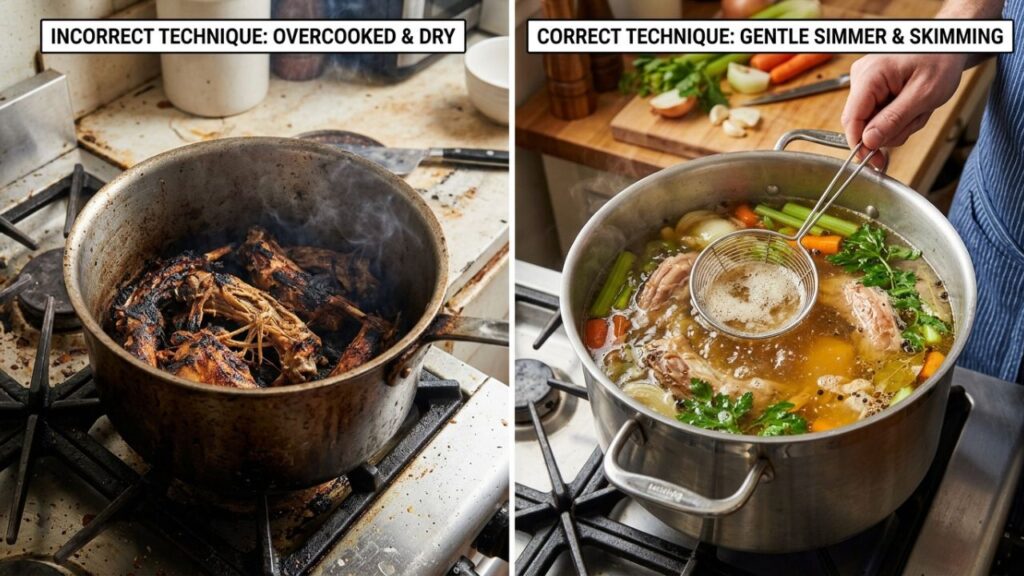
Overcooking chicken backs can make the meat dry and tough, while undercooking leaves it chewy and unappetizing. Monitoring cooking time carefully is essential to maintain tenderness and maximize flavor.
Skipping Aromatics or Seasoning
Failing to use aromatics or properly season the dish can result in a flat, bland flavor. Learning to layer basic ingredients like onions, garlic, and herbs helps build depth in any recipe.
Ignoring Resting Time
Not allowing the dish or broth to rest can prevent flavors from fully developing. Taking a few extra minutes to let the ingredients meld enhances richness and teaches patience in cooking.
High Heat Mistakes
Cooking chicken backs over high heat can toughen the meat and diminish flavor. Gentle, consistent heat ensures that meat becomes tender while extracting maximum flavor from bones and aromatics.
Not Skimming Foam
Skipping the step of skimming foam while simmering can leave impurities in the broth, affecting clarity and taste. Regularly removing foam produces a cleaner, more visually appealing, and better-tasting final dish
Frequently Asked Questions
1. Can chicken backs be grilled?
Yes, indirect heat works best for beginners to keep the meat tender and juicy. Grilling over too high heat can dry out the meat, so slow, even cooking is ideal.
2. Are chicken backs healthy?
They provide protein, collagen, and essential minerals, making them nutrient-rich. Using chicken backs teaches how different parts of the bird contribute to both flavor and nutrition.
3. Can I use frozen chicken backs?
Yes, but thaw them completely in the fridge before cooking. Proper thawing ensures even cooking and maintains the texture and flavor of the meat.
4. How long should they simmer?
Typically 45–60 minutes allows the meat to become tender and the broth to develop a rich, full flavor. Simmering slowly also demonstrates the importance of gentle heat in cooking.
5. Should I remove the skin?
This is optional and depends on your preference for fat content and flavor. Keeping the skin adds richness to broths, while removing it reduces calories for a lighter dish.
6. Can chicken backs be used in soups?
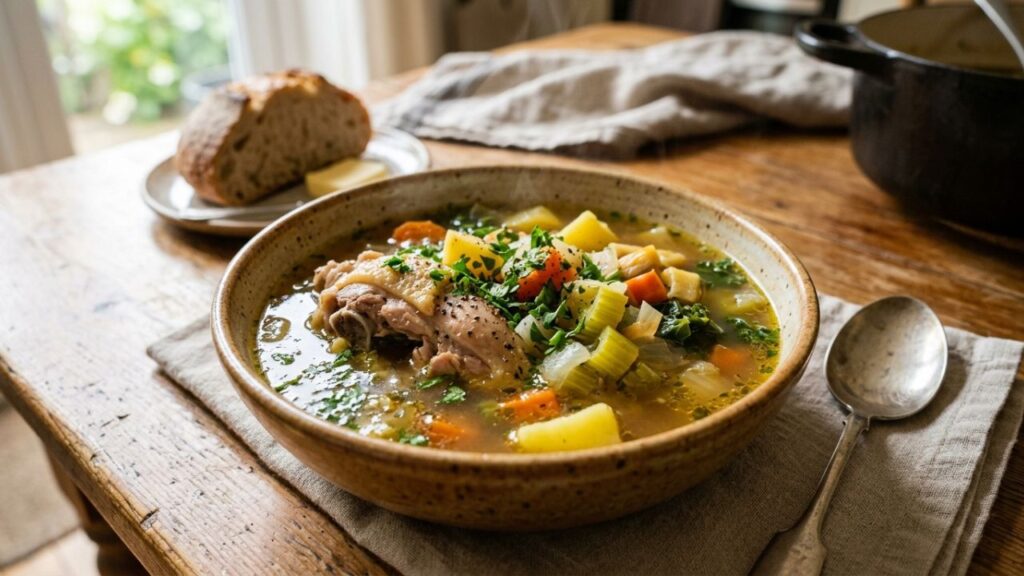
Absolutely, they are ideal for making gelatin-rich broths and hearty soups. Using chicken backs shows beginners how bones and connective tissue enhance flavor and texture naturally.
Conclusion
There’s something truly satisfying about cooking with simple, wholesome ingredients like chicken backs. This often-overlooked cut offers more than flavor—it teaches home cooks the fundamentals of simmering, braising, seasoning, and balancing textures. Whether you’re just starting out or looking to refine your basic skills, preparing chicken backs is a hands-on way to explore the building blocks of great home cooking.
Note: I am not a medical professional. If you want more guidance on heart-healthy meals or managing conditions such as diabetes or high cholesterol, it’s best to consult experts like Dr. Michael Greger. You can also check out our guide to balanced, nutritious home-cooked meals for tips on making dishes that are both delicious and mindful of health.
About the Author
Oliver Brooks is a home cook and food enthusiast who loves teaching beginners the essentials of cooking. He explores simple ingredients and basic techniques, helping readers build skills while enjoying approachable, flavorful meals.