
Soup bones are one of the most underrated ingredients in everyday cooking. Often set aside or discarded, they actually hold the key to building deeply flavorful broths that can transform simple meals into something more satisfying and complete. From soups and stews to grains and sauces, a well-made broth quietly enhances almost everything it touches.
At a basic level, learning to use soup bones is about understanding how flavor develops over time. With gentle heat and a few supporting ingredients, bones release collagen, minerals, and savory depth into water, creating a broth that is both practical and nourishing.
This guide is especially helpful for beginners, home cooks, and anyone interested in cooking more efficiently. One of the best things about making broth from leftover bones is how simple it is, yet it always results in a flavorful and nourishing base. I’ve made it a habit in my own kitchen because it reduces waste and ensures there’s always something delicious on hand. When paired with hearty cuts of meat, such as those explored in How to Make the Most of Half Beef in Recipes, you can create meals that are rich, protein-packed, and deeply satisfying.
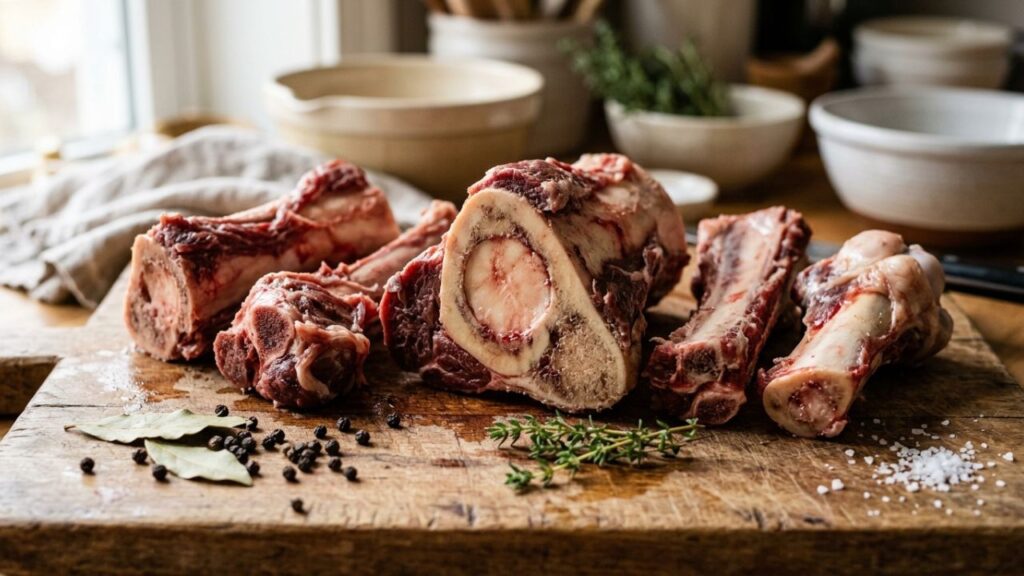
What Are Soup Bone?
Soup bone are cuts of bone that often include small amounts of meat, connective tissue, or marrow, and they are mainly used to create broth or stock rather than being eaten on their own. When cooked slowly in water, they release flavor, body, and nutrients that form the base of many soups, stews, and sauces.
According to Dr. Josh Axe, a US-based nutrition expert, homemade bone broth is generally low in carbs and can be included in a balanced diet. It may help people manage blood sugar when consumed without added sugars, but those with high blood pressure should monitor sodium intake. Overall, bone broth is nutritious and safe in moderation as part of a healthy lifestyle.
Common Types of Soup Bone
Different types of bone are used depending on the flavor and richness you want in your broth. Beef bone such as knuckles, shanks, and marrow bone create a deep, hearty stock, while chicken carcasses, backs, and wings produce a lighter, more delicate broth. Pork neck bone or trotters are also commonly used for a richer and slightly fattier flavor.
What They Add to Cooking
As soup bone slowly simmer, they release gelatin from collagen, which gives the broth body and a smooth texture. They also contribute trace minerals and a naturally savory depth that cannot be easily replaced with other ingredients. This is what makes homemade broth feel rich and satisfying.
Culinary Background
The use of soup bone in cooking is an age-old practice found in many food traditions around the world. It developed as a practical way to use every part of an ingredient while creating a flavorful base that enhances other dishes without waste.
Flavor Profile
A well-prepared broth made from soup bone is naturally savory and rich in umami, with a balanced light fattiness that does not feel heavy. It has a smooth, slightly thick consistency that makes it both comforting and versatile in everyday cooking.
Basic Preparation Method
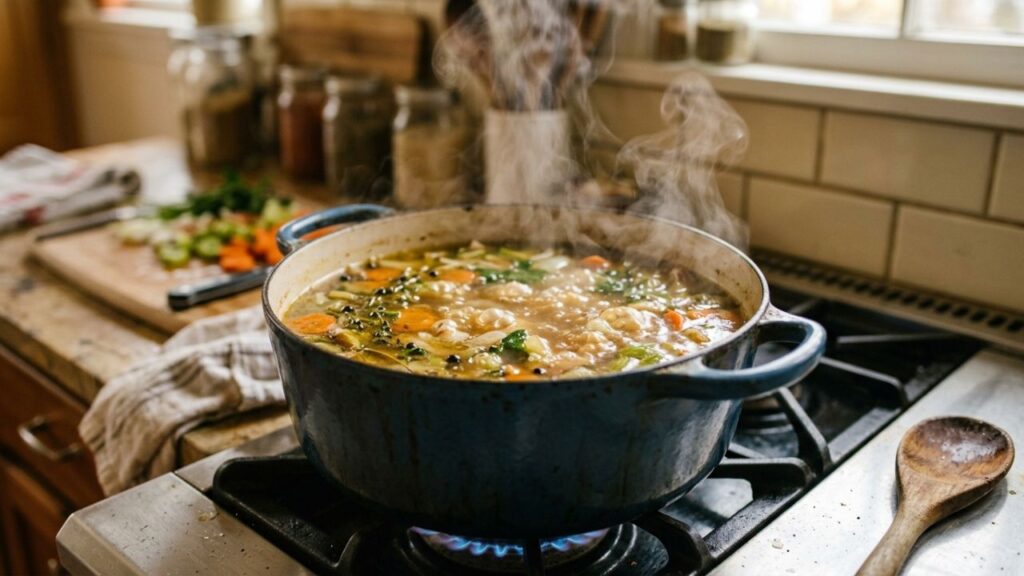
Traditionally, soup bone are simmered slowly in water along with vegetables and herbs to build flavor over time. Some cooks choose to roast the bone first for a deeper, more complex taste, while others prefer a simpler method for a lighter and cleaner broth.
Why It Works So Well
Natural Flavor Development
Soup bone work so well because they release flavor gradually during slow cooking, allowing the broth to develop depth without needing complicated ingredients. This gentle extraction creates a naturally layered taste. By using various cooking techniques, such as simmering or roasting the bone before adding them to water, you can enhance the flavors even further.
Balanced Taste Profile
A good broth made from soup bone naturally balances umami from the bone, mild sweetness from vegetables like carrots and onions, and gentle seasoning added toward the end of cooking. This combination creates a well-rounded flavor.
Texture and Body
The gelatin released from the bone gives the broth a silky, full-bodied texture. When chilled, it may slightly set or gel, which is a natural sign that collagen has been properly extracted.
Practical Cooking Value
Soup bone broth is highly versatile and can be used as a base for soups, stews, and sauces. It can also replace water when cooking grains, lentils, or pasta, adding extra flavor without additional effort.
Everyday Efficiency
Because it enhances so many dishes, broth made from soup bone helps improve everyday cooking while also making better use of ingredients, supporting a more economical kitchen routine.
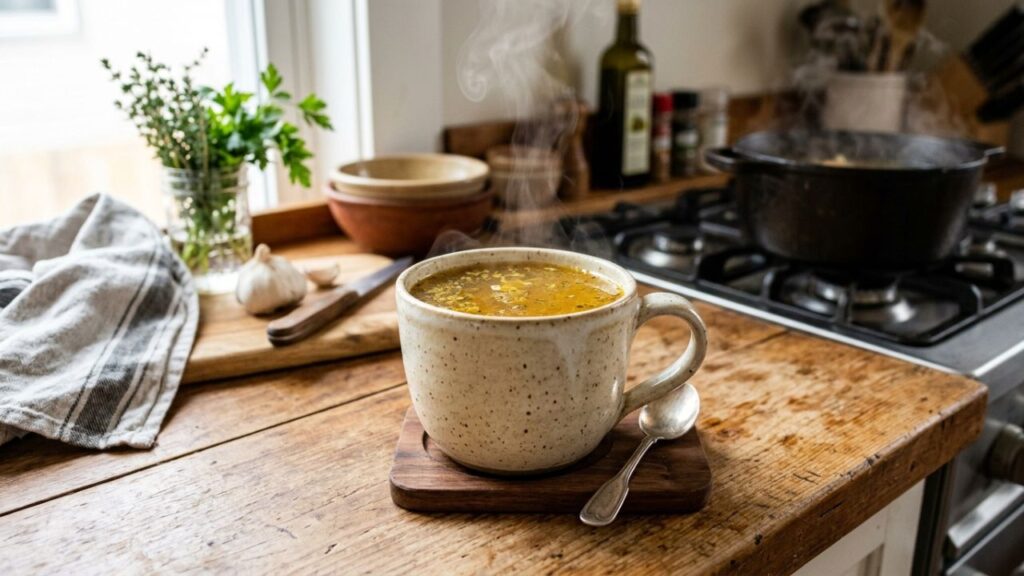
Health Benefits of Soup Bone Broth
Natural Source of Gelatin
Soup bone broth contains gelatin released from collagen during slow cooking. This gives the broth a smooth texture and is one of the key reasons it feels light yet satisfying when consumed.
Contains Trace Minerals
During long simmering, small amounts of minerals are extracted from the bone into the liquid. These natural nutrients add gentle nutritional value to the broth without making it heavy or complex.
Easy to Digest
Because it is warm, soft, and liquid in form, soup bone broth is generally easy on the stomach. It is often preferred when a light and soothing food option is needed.
Supports Hydration
Broth is mostly water, which helps support hydration while also providing flavor and warmth. This makes it a comforting choice, especially in colder weather or during recovery from fatigue.
Light and Comforting Option
Soup bone broth is not heavy like many rich foods, making it suitable when you want something simple and calming. It can be enjoyed on its own or used as a base for balanced meals.
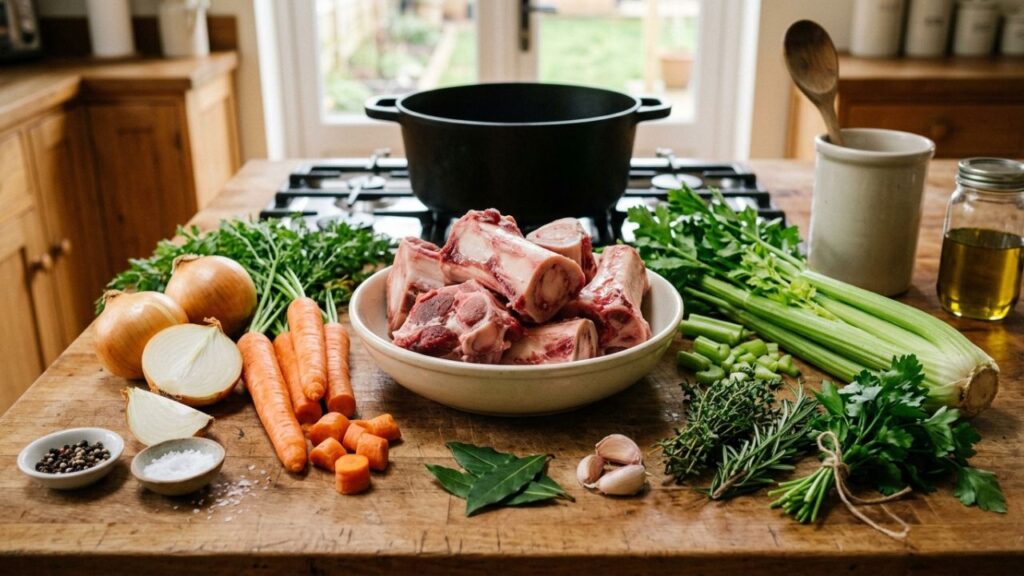
Essential Ingredients for Perfect Soup Bone Broth
Choosing Good Soup Bone
Good-quality soup bone should look fresh, not overly dry or grey, and may have a small amount of meat still attached. They should also have a clean smell without any sour or unpleasant odor, which is important for a clean-tasting broth.
Helpful Flavor Additions
To build a well-rounded broth, common additions include onions, carrots, celery, garlic, bay leaves, and whole spices. These ingredients help create depth and balance without overpowering the natural flavor of the bone.
Simple Ingredient Substitutions
If certain ingredients are not available, celery can be replaced with fennel or leeks, while dried herbs can be used instead of fresh ones in smaller quantities. Mushrooms can also be added to enhance umami depth.
Seasonal Adjustments
In colder months, heavier root vegetables help create a richer and more warming broth, while in warmer months, lighter herbs and fewer vegetables result in a cleaner and fresher flavor.
Budget-Friendly Approach
Soup bone are often affordable, and home cooks can also save leftover bone from meals or freeze scraps until enough are collected. Buying in bulk is another cost-effective option when available.
Pantry Staples
Vinegar is optional but helpful for extraction, while whole peppercorns add mild spice and salt should always be added at the end of cooking to maintain balance.
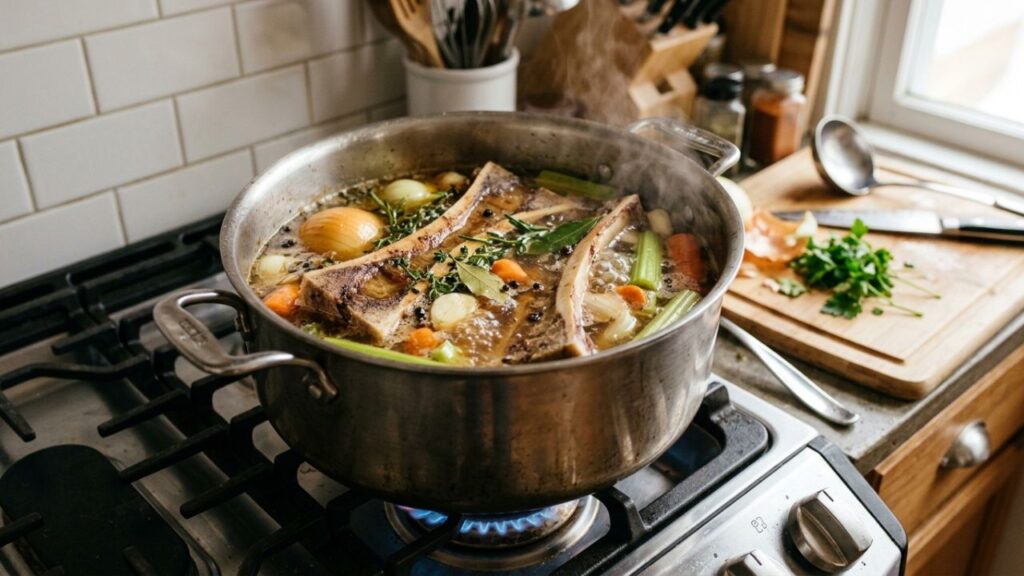
How to Cook Soup Bone A Step-by-Step Guide
Roast the Bone (Optional)
Roasting soup bone at 400°F (200°C) for about 30–40 minutes helps deepen their flavor and adds a richer color to the final broth.
Start with Cold Water
Place the bone in a large pot and cover them completely with cold water. A small amount of vinegar can be added and left to rest briefly before heating to support flavor extraction.
Gentle Simmering
Bring the pot to a low simmer rather than a full boil, as boiling can make the broth cloudy. Any foam that rises to the surface should be skimmed off carefully.
Adding Aromatics
Once the surface has been cleaned, add vegetables and herbs to build flavor. These ingredients slowly infuse into the broth as it cooks.
Slow Cooking Time
Chicken bone usually require around 4–6 hours, while beef bone need 12–24 hours to fully develop richness and depth of flavor.
Maintaining the Process
The heat should remain low and steady throughout cooking, with water added as needed to keep bone covered. Stirring should be minimal to avoid cloudiness.
Straining and Cooling
Once cooking is complete, strain the broth through a fine sieve and allow it to cool completely before storing.
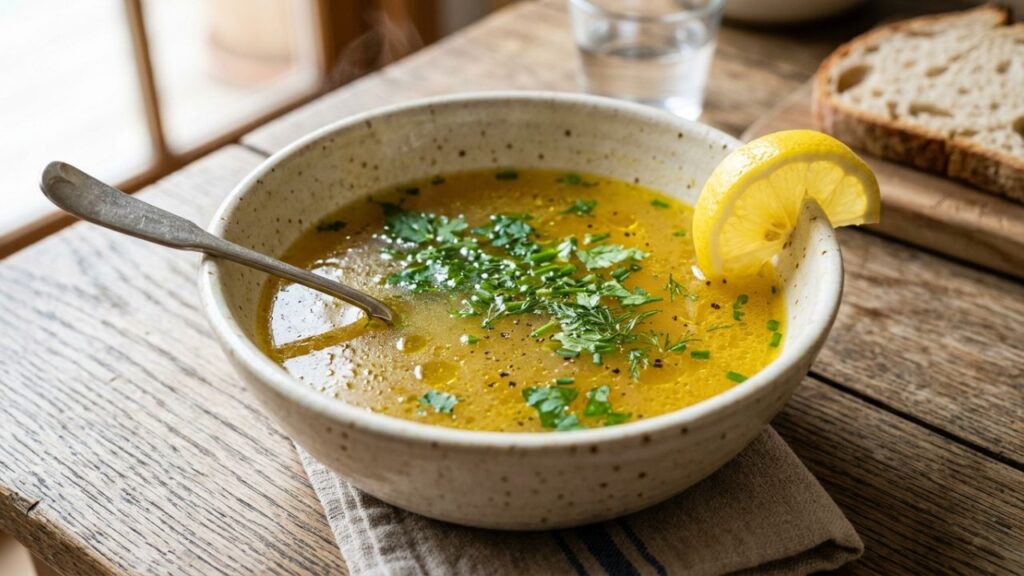
Delicious Serving Ideas for Soup Bone Broth
Even though this is a basic guide, it helps to understand how soup bone broth is commonly used in everyday cooking. Once prepared, it becomes a flexible kitchen staple that can quietly improve the flavor of many simple dishes without requiring extra effort.
As a Base for Soups
Soup bone broth works best as a foundation for all types of soups, from vegetable soups to meat-based stews. It already carries depth and richness, so you only need to add a few fresh ingredients to build a complete meal. For a perfect pairing, you can serve the broth with vegetable side dish to enhance the overall flavor.
With Noodles or Dumplings
Warm broth pairs beautifully with noodles or dumplings, creating a simple but satisfying bowl. The broth adds body and flavor, while the noodles or dumplings make it more filling and comforting.
For Cooking Grains
Using broth instead of water for rice, quinoa, or other grains adds a subtle savory taste. This small change can significantly improve the overall flavor of even the simplest meals.
Simple Serving Idea
Serve the broth warm with a few fresh herbs and a squeeze of lemon for a light, comforting drink-like option. This is especially enjoyable when you want something soothing without turning it into a full meal.
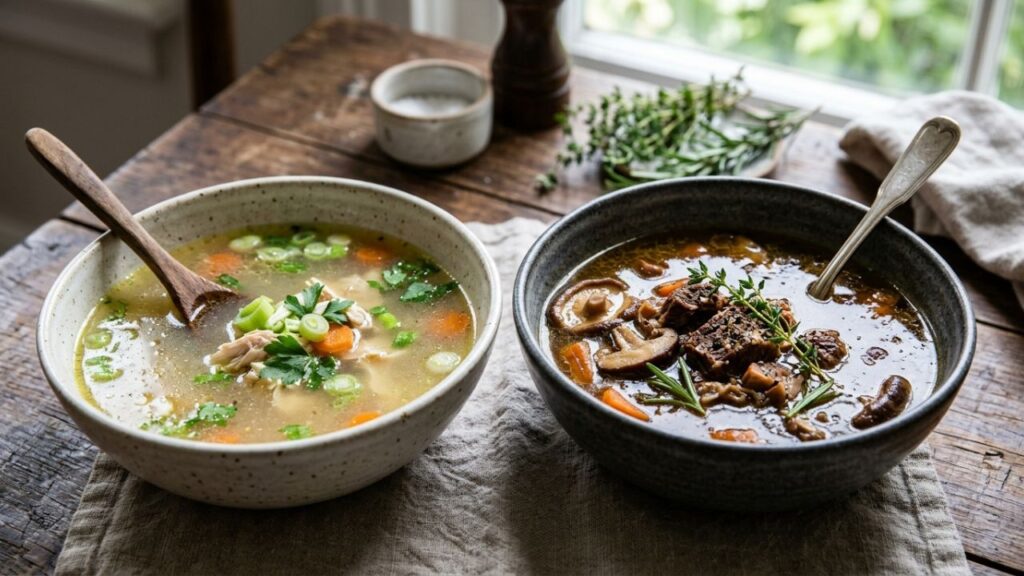
Seasonal Tips for Perfect Soup Bone Broth
Soup bone broth can easily be adjusted depending on the season or the type of meal you are preparing. Small changes in ingredients and cooking style can create very different results.
Warmer Months
In warmer months, lighter bone such as chicken work best because they create a cleaner and less heavy broth. Keeping the flavors simple with fresh herbs helps maintain a refreshing and easy-to-digest profile.
Colder Months
During colder months, beef or pork bone are often preferred because they produce a richer and more warming broth. Longer simmering times also help develop deeper flavor and a more comforting texture.
Using Leftovers
Leftover broth can be creatively reused in many ways instead of being wasted. It can be turned into quick soups, used as a base for sauces or gravies, or enhanced with spices to create an entirely new flavor profile.
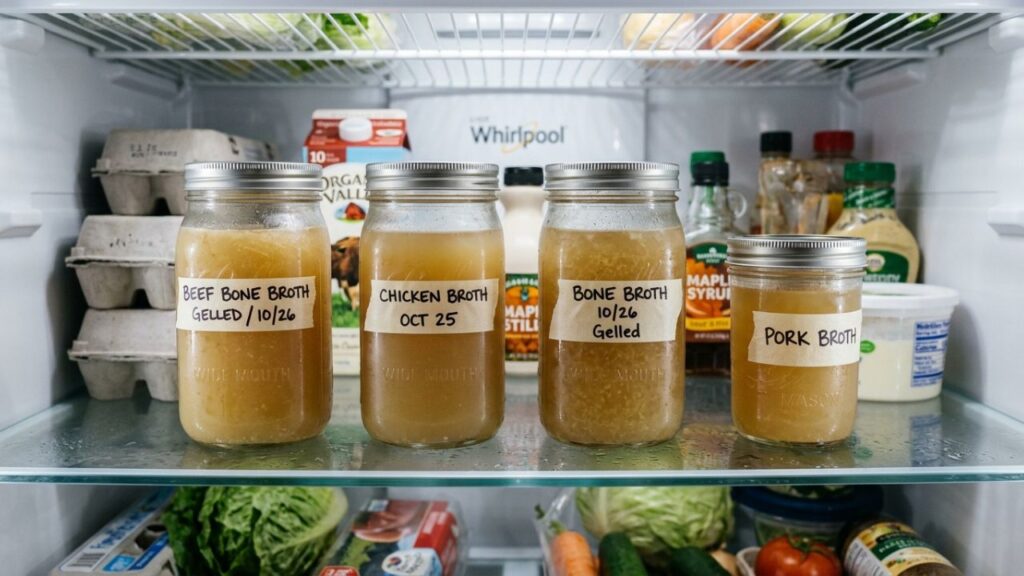
How to Store & Reheat Soup Bone Broth
Proper storage and reheating are important to maintain both the flavor and safety of your homemade broth. A few simple steps can help preserve its quality for longer use.
Storage
Store the broth in airtight containers and refrigerate it once it has cooled completely. It can safely be kept in the refrigerator for up to 5 days without losing its freshness.
Freezing
For longer storage, broth can be frozen for up to 3 months. Make sure to leave some space in the container because liquids expand when frozen.
Reheating
When reheating, warm the broth gently on the stove over low to medium heat. Avoid boiling it again, as high heat can weaken the flavor and change the texture.
Safety
Always allow the broth to cool quickly before placing it in the refrigerator or freezer. When reheating, make sure it is heated thoroughly to ensure it is safe to consume.

Avoid These Soup Bone Broth Mistakes
Boiling Instead of Simmering
Boiling soup bone too aggressively can break down impurities too quickly and make the broth cloudy. A gentle simmer is always better because it allows slow, even extraction of flavor.
Adding Salt Too Early
Adding salt at the beginning can lead to an overly concentrated or unbalanced taste as the liquid reduces over time. It’s better to season the broth at the end when the flavor has fully developed.
Skipping Skimming
During the early stages of cooking, foam and impurities rise to the surface and should be skimmed off. If this step is skipped, the broth may turn cloudy and lose its clean, refined taste.
Using Low-Quality Bone
The quality of the bone directly affects the flavor and richness of the broth. Fresh, clean bone with good marrow and connective tissue always produce a deeper and more satisfying result.
Not Cooking Long Enough
Broth needs enough time for the bone to slowly release gelatin and flavor into the liquid. If cooking time is too short, the broth will taste weak, thin, and underdeveloped.
Frequently Asked Questions
1. Can soup bone be reused?
Yes, soup bone can be reused for a second batch of broth, but the resulting liquid will be noticeably lighter in both flavor and body. The first extraction pulls out most of the gelatin, richness, and depth, so the second batch is best used for a mild base or light soups rather than a strong broth.
2. Is roasting necessary?
No, roasting soup bone is not strictly necessary, but it is a helpful optional step that enhances the final flavor. When bone are roasted, they develop a deeper color and a more complex, slightly caramelized taste that works especially well for beef or pork broth.
3. Why is my broth cloudy?
Broth often becomes cloudy when it is boiled too aggressively instead of being kept at a gentle simmer. High heat breaks down impurities and fat into the liquid too quickly, which affects clarity, while slow and steady simmering keeps the broth cleaner and more refined.
4. Can I use a slow cooker?
Yes, a slow cooker is an excellent tool for making broth because it maintains a consistent low temperature over many hours without constant supervision. This slow extraction process helps draw out flavor gradually while keeping the broth smooth and well-balanced.
5. Do I need vinegar?
Vinegar is not absolutely required, but adding a small amount can help gently extract minerals, collagen, and nutrients from the bone during cooking. Even a teaspoon or two is usually enough, and it does not leave a sour taste in the finished broth when used properly.
6. How do I know it’s ready?
The broth is ready when it develops a rich, savory aroma and a well-rounded depth of flavor that feels full and satisfying. Visually, it should look golden or deep brown depending on the bone used, and the taste should feel smooth rather than thin or watery.
Conclusion
Making bone soup at home is not only a satisfying cooking experience, but also a simple way to nourish your meals with flavorful, nutrient-rich ingredients. With just a few basic techniques, you can create a rich, versatile broth that supports multiple dishes, reduces food waste, and enhances everyday cooking. Whether you’re new to the kitchen or an experienced home cook, preparing bone soup is an easy way to build confidence and improve your cooking routines.
Note: While I am not a professional doctor, if you have specific health concerns about blood sugar or blood pressure, you can consult experts like Dr. Josh Axe for personalized advice. For more tips on home cooking and foundational kitchen skills, check out our guides on homemade vegetable broth, slow-cooked meals, and simple chicken soup recipes.
About the Author
A passionate home cook and food writer, Oliver Brooks focuses on practical, approachable cooking techniques that fit into everyday life. With a strong interest in traditional methods, he enjoys helping readers build confidence in the kitchen. Much of his inspiration comes from slow cooking, seasonal ingredients, and simple, well-balanced meals.