
Japonica Rice for Sushi is an essential choice for creating authentic and delicious homemade sushi. This premium short-grain rice from Japan is valued for its naturally sticky texture and subtly sweet flavor, making it ideal for sushi rolls and a perfect complement to fresh fish, crisp vegetables, and other flavorful fillings.
Making sushi at home can seem challenging, especially when it comes to achieving the right rice texture. Choosing high-quality Japonica Rice can make a noticeable difference, helping create sushi that holds together well while offering a soft, satisfying texture and delicate flavor. Whether you are preparing classic rolls or exploring new sushi combinations, Japonica Rice provides a reliable foundation for enjoyable homemade sushi.
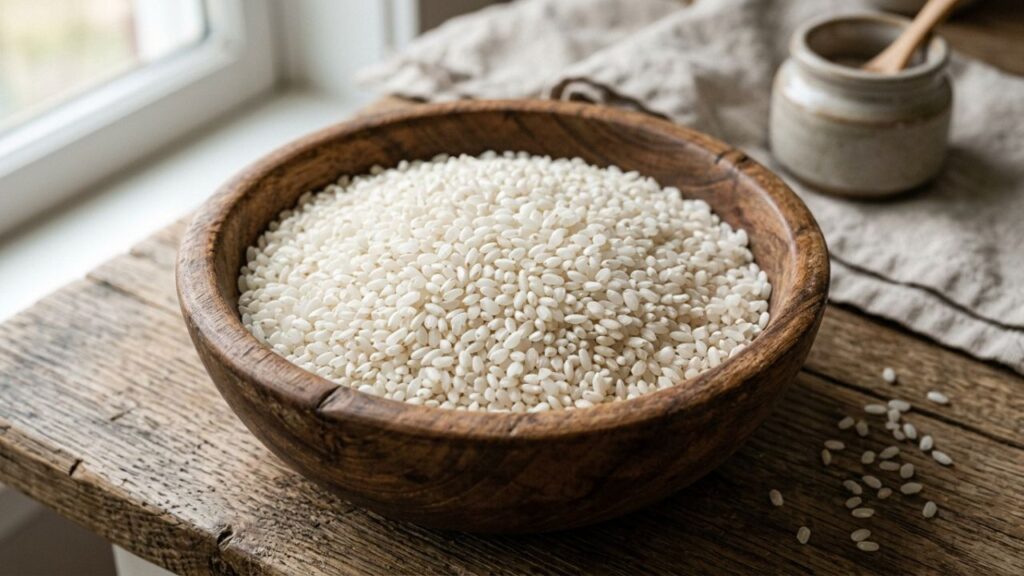
What Is Japonica Rice for Sushi?
Japonica Rice for Sushi is a short-grain rice known for its soft, slightly sticky texture and subtle sweet flavor. Traditionally used in Japanese cuisine, it is especially suitable for sushi because the grains hold together well without becoming overly dense. Its mild taste and pleasant texture complement fresh fish, vegetables, and other sushi toppings, making it a popular choice for preparing authentic-style sushi at home.
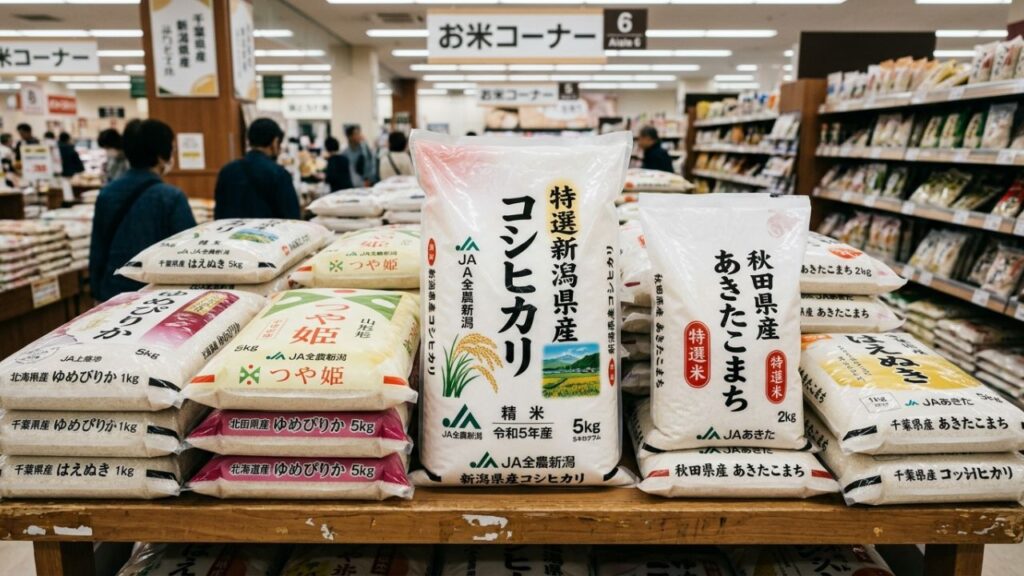
Japonica Rice for Sushi
| Prep Time | Cook Time | Total Time | Servings |
|---|---|---|---|
| 10 minutes | 20 minutes | 30 minutes | 4 servings |
Ingredients
- 2 cups Japonica Rice for Sushi
- 2½ cups water
- 3 tablespoons rice vinegar
- 1 tablespoon sugar
- ½ teaspoon salt
Ingredient Alternatives
| Ingredient | Alternative |
|---|---|
| Japonica Rice for Sushi | Calrose rice or another short-grain rice |
| Rice vinegar | Mild white vinegar or apple cider vinegar |
| Sugar | A small amount of honey or another mild sweetener |
| Salt | Fine sea salt or kosher salt |
| Water | Filtered or bottled water |
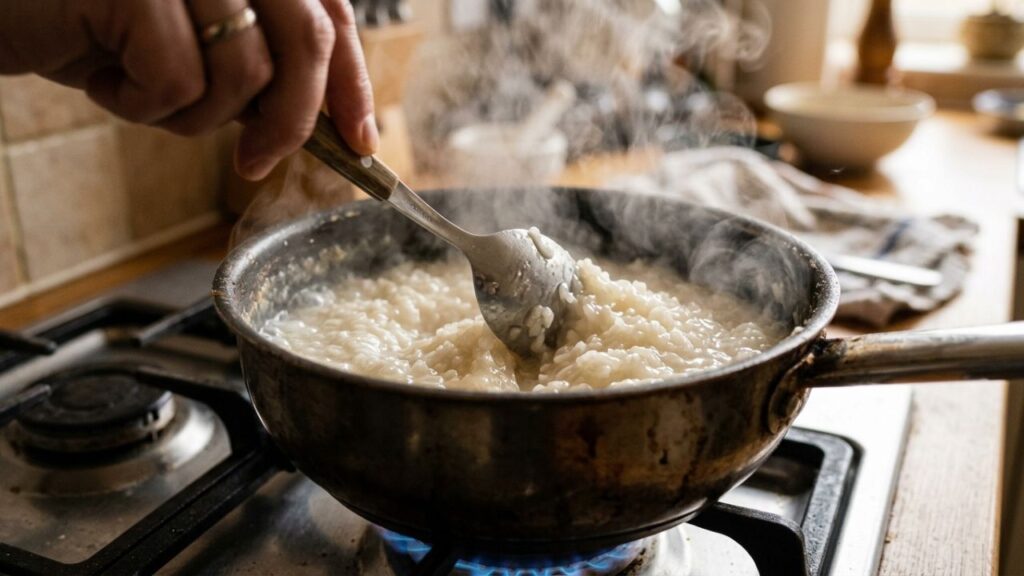
Japonica Rice Cooking Steps
Step 1: Rinse the Japonica Rice for Sushi under cold water, gently swirling and draining it 3–4 times until the water becomes mostly clear. This helps remove excess starch and prevents the rice from becoming overly gummy.
Step 2: Soak the rinsed Japonica Rice for Sushi in clean water for about 20–30 minutes. This allows the grains to absorb water evenly and helps create a more consistent texture.
Step 3: Cook the Japonica Rice for Sushi until the grains become tender and sticky, then let it rest for about 10 minutes. This resting time allows the rice to finish steaming and develop its ideal texture.
Step 4: Gently mix the cooked rice with rice vinegar, sugar, and salt while it is still warm. Avoid stirring too aggressively so the grains remain soft and intact.
Step 5: Allow the seasoned Japonica Rice for Sushi to cool slightly before using it for sushi rolls or other dishes. Handle the rice gently to maintain its soft and slightly sticky texture.
Step 6: If the rice becomes too sticky, rinse the grains more thoroughly next time. If it seems too dry, a small amount of water and brief steaming can help improve the texture.
Step 7: Follow basic food-safety practices when preparing Japonica Rice for Sushi, including keeping hands and surfaces clean, avoiding cross-contamination, and refrigerating perishable foods promptly. For detailed guidance, see the USDA Food Safety Basics.
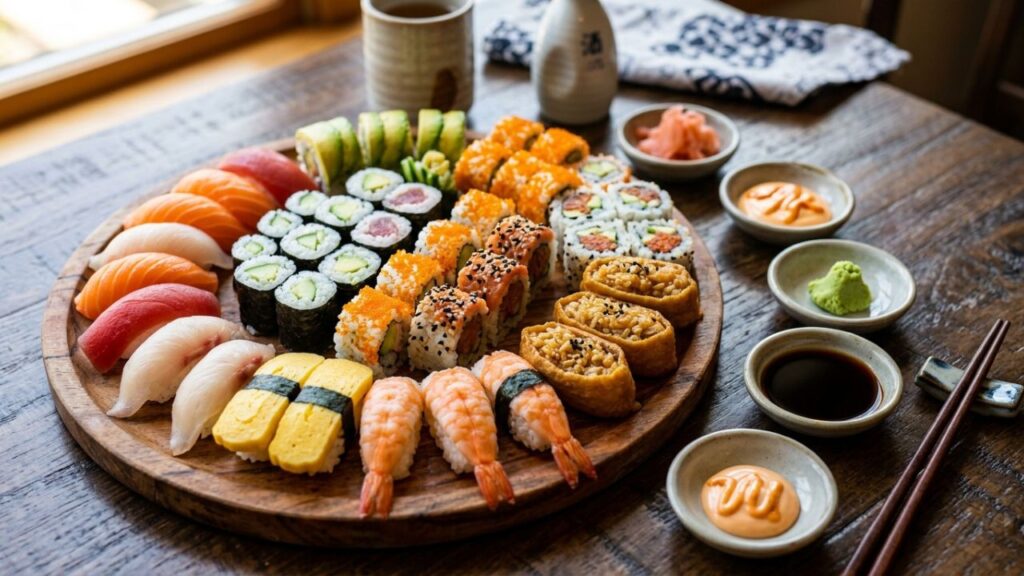
Japonica Rice Serving Ideas
| Serving Idea | Simple Use |
|---|---|
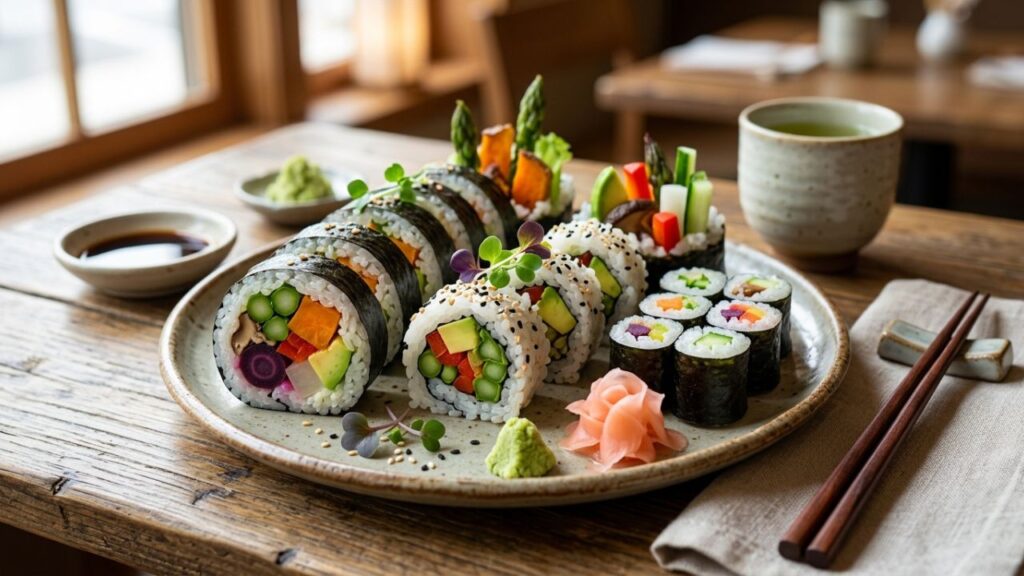
| Ideal Pairings | Serve sushi with pickled ginger, wasabi, and soy sauce. Miso soup, seaweed salad, and fresh vegetables also complement the meal. |
| Portion Control | Serve moderate portions of sushi with fresh vegetables or light sides for a balanced meal and enjoyable serving. |
| Plating for Gatherings | Arrange sushi rolls neatly on a wooden board or serving platter. Add colorful garnishes such as thinly sliced radish or carrot ribbons for an attractive presentation. |
| Drink Pairings | Serve sushi with light green tea or sparkling water. These drinks complement the subtle flavors of the rice and toppings. |
| Family-Friendly Serving | Offer simple sushi rolls with familiar fillings such as avocado, cucumber, or cooked seafood to make them more appealing to children and picky eaters. |
Japonica Rice Seasonal & Event Variations
Quick Weeknight Meals: Use pre-cooked vegetables or canned tuna to make a simple sushi bowl when you need a quick and convenient meal.
Spring & Summer: Pair Japonica Rice for Sushi with fresh vegetables such as cucumber, asparagus, and avocado. Serve it chilled or at a cool temperature for a light, refreshing meal.
Fall & Winter: Add roasted root vegetables or mushrooms for a warmer, more comforting combination. Slightly warm rice works well for hearty rice bowls.
Creative Leftovers: Turn leftover sushi rice into rice salads, fried rice, or simple hand rolls. A little rice vinegar can help refresh the flavor.
Holiday & Celebrations: Add colorful ingredients such as bell peppers, edamame, or smoked salmon to create attractive and festive sushi for gatherings.
Japonica Rice Storage & Reheat Tips
Health Tip: Food Safety: Do not leave cooked sushi rice at room temperature for too long. Prompt refrigeration and proper food handling help reduce the risk of foodborne illness, especially when serving children, older adults, or people with weakened immune systems.
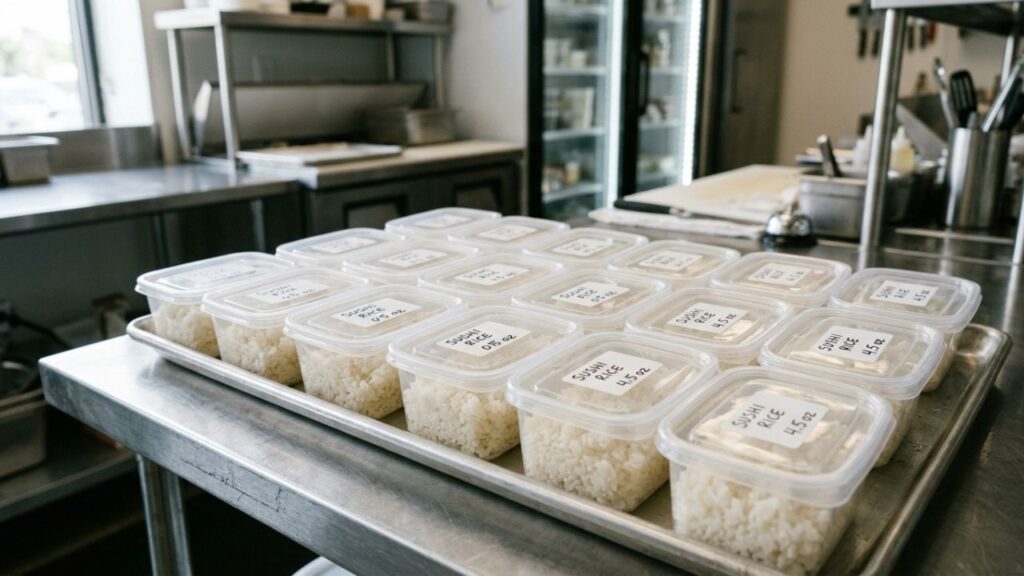
Proper Refrigeration: Cool cooked Japonica Rice for Sushi promptly and transfer it to an airtight container before refrigerating. Avoid leaving cooked rice at room temperature for extended periods.
Gentle Reheating: Reheat the rice gently using steam or a microwave with a damp cloth. This helps restore moisture and keeps the grains soft without making them dry.
Portioning for Storage: Divide the rice into smaller portions before refrigerating. This makes it easier to reheat only what you need and helps reduce repeated exposure to air.
Leftover Storage: Store leftover Japonica Rice for Sushi safely in the refrigerator and use it within the recommended timeframe. For detailed guidance on storing and handling leftovers, see the USDA Leftovers and Food Safety.
Mistakes to Avoid
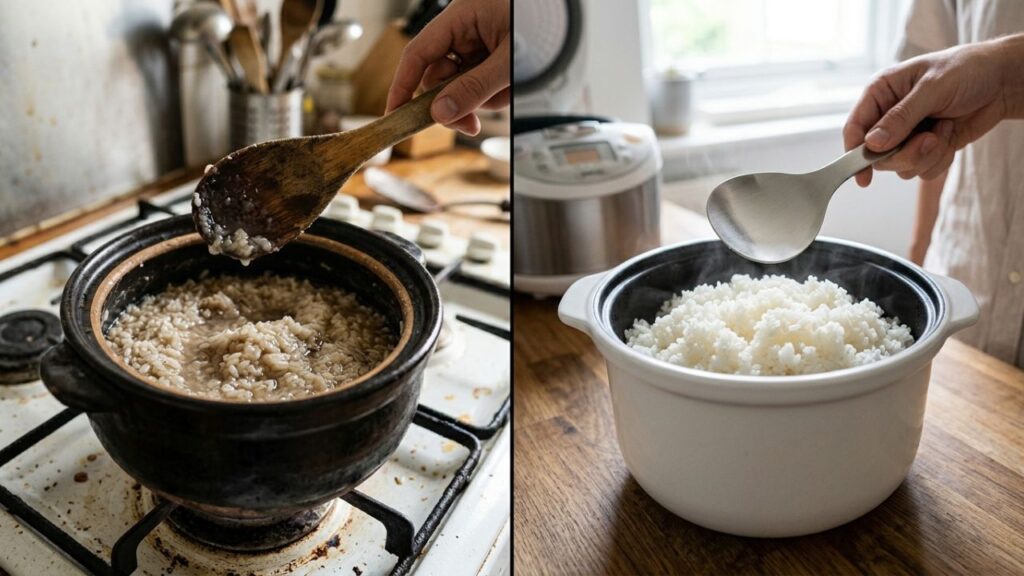
Avoid overcooking, undercooking, or skipping the rinsing and resting steps, as these can affect the texture of Japonica Rice for Sushi. Use the right balance of vinegar, sugar, and salt, and handle the grains gently to prevent them from becoming mushy. Let the rice cool slightly before shaping so it holds together neatly and is easier to work with.
Frequently Asked Questions
1. Can I Use Long-Grain Rice for Sushi?
No, long-grain rice is not suitable for sushi because it doesn’t stick together properly, which can lead to loose, falling-apart rolls. Short-grain or Japonica rice provides the necessary stickiness and texture for shaping sushi neatly.
2. How Much Rice Vinegar Per Cup of Rice Is Needed?
A typical ratio is 1–2 tablespoons of rice vinegar per cup of cooked rice, adjusted to taste. Using less sugar can make the rice more suitable for people monitoring their sugar intake while still maintaining the classic sushi flavor.
3. Is Japonica Rice Safe for People With Diabetes?
Yes, Japonica rice can be part of a balanced meal for people with diabetes when consumed in moderation. Its slowly digesting starch helps maintain steadier blood sugar levels. Pair it with fiber-rich vegetables, lean protein, or healthy fats for optimal results.
4. Can I Make Sushi Rice Ahead of Time?
Yes, sushi rice can be prepared ahead of time, but it should be consumed within 1–2 days and kept refrigerated. Reheat gently using a damp cloth or steam to restore moisture. Avoid leaving rice at room temperature for long periods to prevent bacterial growth.
5. How Do I Prevent Rice From Being Too Sticky or Dry?
To achieve perfect sushi rice, rinse it thoroughly to remove excess starch, soak it before cooking, and follow the correct water-to-rice ratio. Folding the rice gently while cooling helps preserve texture and prevents it from becoming overly sticky or dry.
6. Is Japonica Rice Gluten-Free and Heart-Healthy?
Yes, plain Japonica rice contains no gluten, making it safe for gluten-sensitive diets. When paired with vegetables, fish, and healthy fats, it supports balanced nutrition and contributes to heart-healthy meals.
Conclusion
Mastering Japonica rice can transform homemade sushi from ordinary to impressive. Focusing on the right texture, careful seasoning, and gentle handling ensures meals that are flavorful, balanced, and satisfying. While I am not a personal doctor, consulting a licensed professional or referencing expert content like Dr. David Ludwig’s can provide guidance for those managing blood sugar or heart health.