
Pit ham is one of those comforting dishes that instantly makes a meal feel warm and welcoming. Slow cooking allows the meat to become tender while developing a deep savory flavor that works beautifully for family dinners, seasonal gatherings, and relaxed weekend meals. Its rich texture and smoky aroma make it a favorite for people who enjoy hearty home-cooked food without overly complicated preparation.
One of the reasons pit ham remains popular is its versatility in the kitchen. It can be prepared with simple herbs and spices for a traditional flavor or paired with sweet glazes and sauces for a more balanced finish. For those looking to explore other hearty beef options, you can also check out How to Make the Most of Half Beef in Recipes, which offers tips on maximizing flavor and efficiency in everyday cooking. Because many pit hams are already partially cured or smoked, they offer dependable flavor even for beginner home cooks.
In this guide, you’ll learn simple ways to make the most of pit ham in everyday cooking, including how to pair it with vegetables, grains, and proteins for balanced meals. With a little planning, each portion can be transformed into something flavorful, nourishing, and practical for busy days.
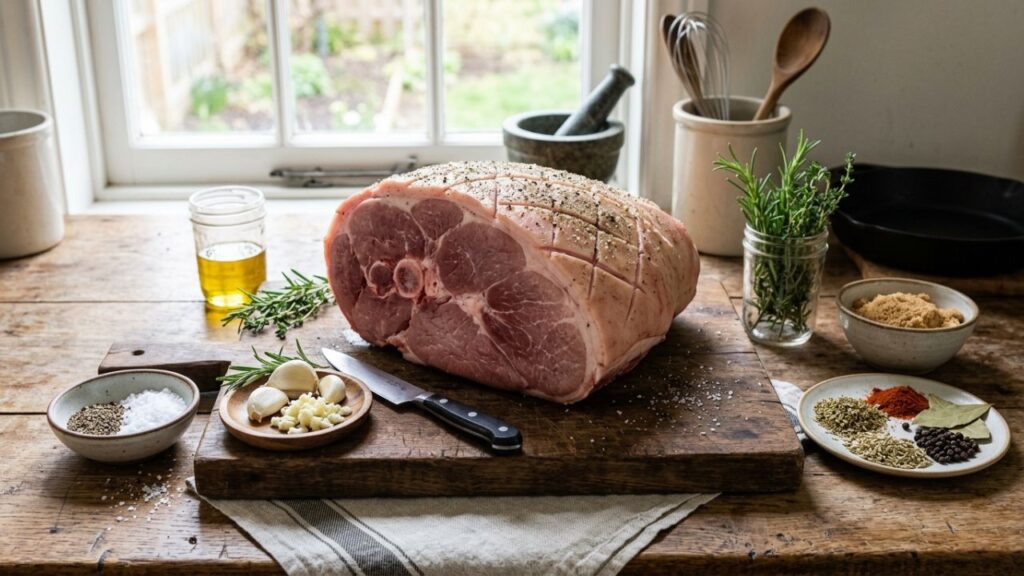
What Is Pit Ham?
Pit ham is a slow-cooked ham traditionally prepared over indirect heat using a smoker, roasting pit, or covered grill. The low cooking temperature allows the meat to cook gradually while retaining moisture and developing a rich smoky flavor. Most pit hams come from the hind leg of the pig and are commonly cured, smoked, or both before cooking.
According to U.S. nutrition expert Dr Joy Bauer, pit ham can be enjoyed in moderation as part of a balanced diet. She advises that it provides good protein and essential nutrients like iron and B vitamins, but it should be paired with fresh vegetables and whole foods because it can be high in sodium.
Key Ingredients Often Used
Is commonly prepared with ingredients that bring balance to its naturally savory and smoky flavor. Brown sugar, mustard, garlic, black pepper, paprika, onion powder, and fresh herbs like rosemary or thyme are often used to create depth and warmth in the final dish. Many home cooks also add broth, honey, or fruit-based glazes to keep the meat moist while adding subtle sweetness during slow cooking.
Culinary Background
Pit-style ham cooking comes from traditional slow-cooking methods where meat was prepared over indirect heat for long periods. This technique became popular because it allowed tougher cuts to become tender while building deep smoky flavor through gradual cooking. Over time, pit ham became strongly connected with family meals, seasonal gatherings, and comforting home-style cooking traditions.
Flavor Profile
Pit ham has a rich savory taste with mild saltiness and noticeable smokiness from the curing or smoking process. Slow cooking helps soften the texture while allowing the seasoning and glaze to blend naturally into the meat. Depending on the ingredients used, the flavor can also include sweet, tangy, earthy, or lightly spicy notes that make each bite more balanced and satisfying.
Traditional Preparation
Traditional pit ham is usually cooked slowly over indirect heat using a smoker, covered grill, or oven-style roasting method. The low temperature allows the fat to render gradually while keeping the inside moist and tender throughout the cooking process. Many cooks finish the ham with a glaze during the final stage so the outer layer develops a slightly caramelized texture and deeper flavor.
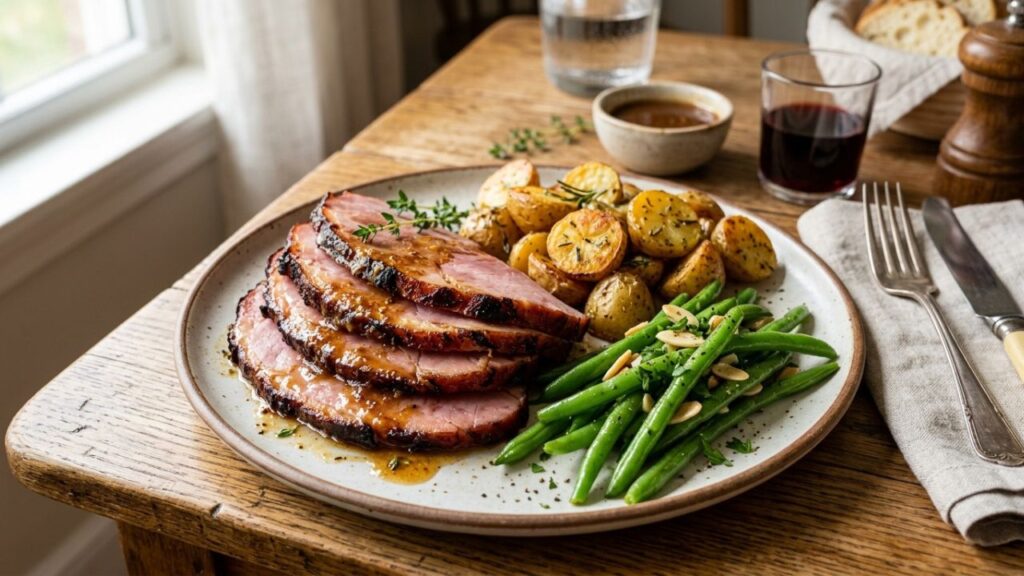
Why It Works So Well
Pit ham remains a reliable favorite because it combines comforting flavor with simple cooking techniques. The slow cooking process transforms a large cut of meat into something deeply satisfying and easy to serve for different occasions. Its versatility also makes it suitable for both casual weeknight dinners and larger family gatherings.
Flavor Balance
A well-cooked offers a balanced combination of salty, smoky, sweet, and savory elements. The cured meat provides depth while glazes or spice rubs add complexity without overwhelming the natural flavor. Ingredients like mustard, honey, or citrus can also introduce mild acidity that helps balance the richness of the dish.
Texture Contrast
The outer layer of pit ham often develops a lightly caramelized surface while the inside remains soft and juicy. This contrast creates a more satisfying eating experience with every slice and prevents the dish from feeling too heavy. Serving pit ham with crisp vegetables or creamy side dishes also adds more texture variation to the meal.
Nutritional Benefits
Pit ham provides a good source of protein along with nutrients like iron, zinc, and several B vitamins. These nutrients help support energy production and contribute to a balanced meal when paired with vegetables and lighter side dishes. Because ham can contain sodium, thoughtful portioning and balanced serving choices are especially helpful.
Cooking Techniques
The success of pit ham depends largely on slow cooking, moisture retention, and proper seasoning balance. Cooking the meat gradually allows the texture to stay tender while helping the flavors develop naturally over time. Resting the ham after cooking also plays an important role because it helps preserve moisture before slicing.
Everyday Meal Appeal
Pit ham works especially well for everyday meals because it can easily feed both small households and larger groups. Fresh slices are satisfying for dinner while leftovers can be transformed into sandwiches, soups, pasta dishes, or breakfast meals. This flexibility makes pit ham practical for meal planning throughout the week.
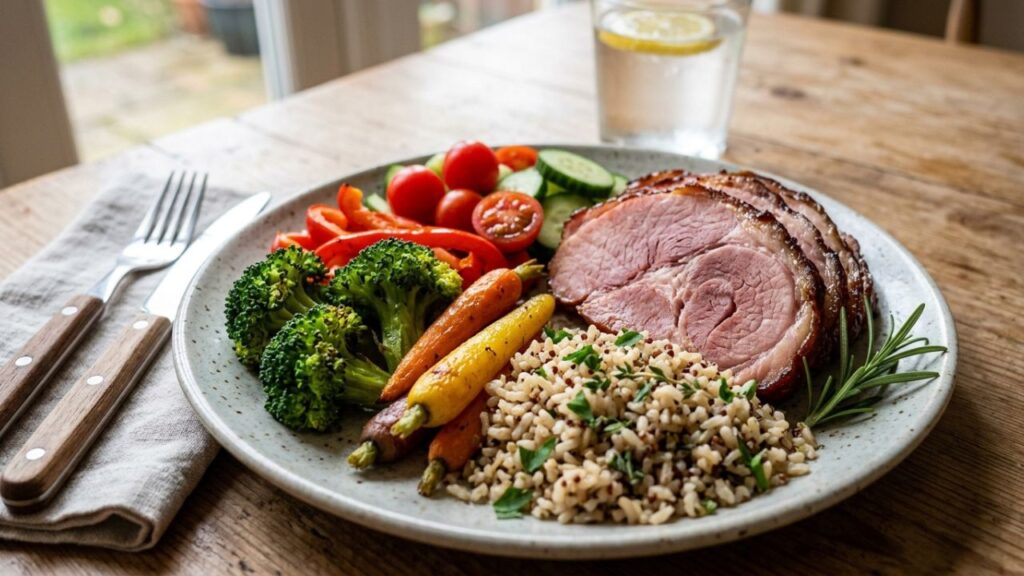
Health Benefits of Pit Ham
Rich Source of Protein
Pit ham is a good source of high-quality protein, which helps support muscle growth, repair, and overall body strength. Including it in balanced meals can help keep you fuller for longer, making it useful for energy throughout the day. When paired with vegetables or whole grains, it becomes part of a more complete and satisfying meal.
Provides Essential Vitamins and Minerals
Pit ham contains important nutrients such as iron, zinc, and B vitamins that support energy production and healthy body function. These nutrients play a role in maintaining blood health, immunity, and metabolism. Eating pit ham in moderation can contribute to meeting daily nutritional needs as part of a varied diet.
Supports Energy and Satiety
Because of its protein and fat content, pit ham can help maintain steady energy levels and reduce frequent hunger between meals. It provides a feeling of fullness that can support portion control when balanced with lighter side dishes. This makes it a practical option for hearty, satisfying meals.
Considerations for Sodium Intake
Pit ham can be higher in sodium due to curing or seasoning, so it is best enjoyed in balanced portions. Pairing it with fresh vegetables, salads, and low-sodium sides can help maintain a healthier overall meal. Being mindful of portion size allows you to enjoy the flavor without overdoing salt intake.
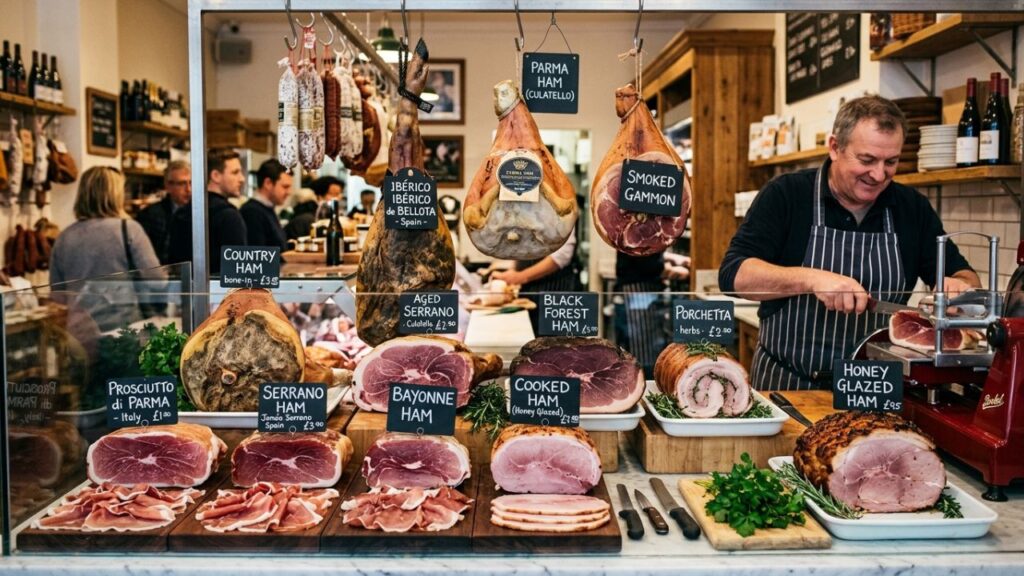
Ingredients Guide for Pit Ham
Choosing good ingredients can greatly improve both the flavor and texture of pit ham. A quality ham should look moist without appearing overly processed or watery. Paying attention to freshness, marbling, and seasoning ingredients helps create a more balanced final dish.
Selecting the Right Pit Ham
Look for a ham with a rosy pink color, firm texture, and moderate fat coverage that can help maintain moisture during cooking. Bone-in hams often provide richer flavor while boneless options are easier to carve and serve. Choosing the right size also helps prevent unnecessary leftovers or uneven cooking.
Ingredient Substitutions
Simple ingredient substitutions can still produce excellent results without changing the overall character of the dish. Honey can be replaced with maple syrup or brown sugar, while Dijon mustard works well in place of standard mustard. Fresh herbs can also be swapped with dried herbs when needed, especially during colder seasons.
Seasonal Considerations
During fall and winter, warm spice glazes with cinnamon, paprika, or cloves create a deeper comforting flavor profile. In spring and summer, lighter herb-based seasoning with citrus or fresh thyme provides a fresher and brighter finish. Seasonal adjustments help pit ham feel suitable throughout the entire year.
Budget-Friendly Alternatives
Smaller shoulder cuts or half hams can offer similar flavor while remaining more affordable for smaller households. Buying larger cuts during seasonal sales can also save money while providing enough leftovers for future meals. Freezing extra portions helps reduce waste and makes meal preparation easier later.
Pantry Staples That Enhance Flavor
Common pantry ingredients like garlic powder, onion powder, smoked paprika, olive oil, black pepper, and broth can add depth without overpowering the meat. Brown sugar and mild mustard also help create balanced glaze flavors during cooking. Keeping these staples available makes preparing pit ham more convenient and consistent.
Cooking Method for Pit Ham
Prepare the Ham
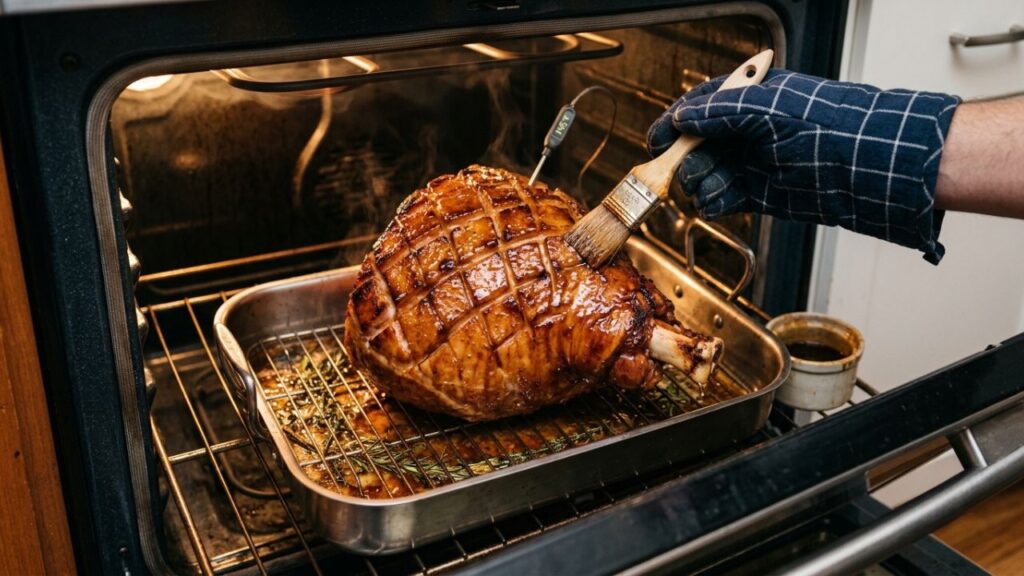
Preheat the oven or smoker to 300°F and remove the ham from its packaging before patting it dry with paper towels. Drying the surface helps the seasoning adhere more evenly and improves browning during cooking. Lightly scoring the outer layer in a crisscross pattern can also help the glaze settle into the meat more effectively. For more tips on making the most of large cuts of meat, see. How to Cook Beef Knuckle Bones for Rich, Flavorful Broth.
Season and Add Moisture
Place the ham into a roasting pan and pour broth or water into the bottom to help maintain moisture during cooking. Mix the glaze ingredients together and brush part of the mixture evenly over the surface of the ham. As the seasoning warms, the aroma should begin smelling savory, slightly sweet, and smoky.
Cook Slowly
Cover the ham loosely with foil and cook it slowly for approximately 15 to 18 minutes per pound. Slow cooking allows the meat to heat evenly without becoming dry or overly firm. The outer layer should gradually darken while the inside remains juicy and tender.
Glaze the Ham
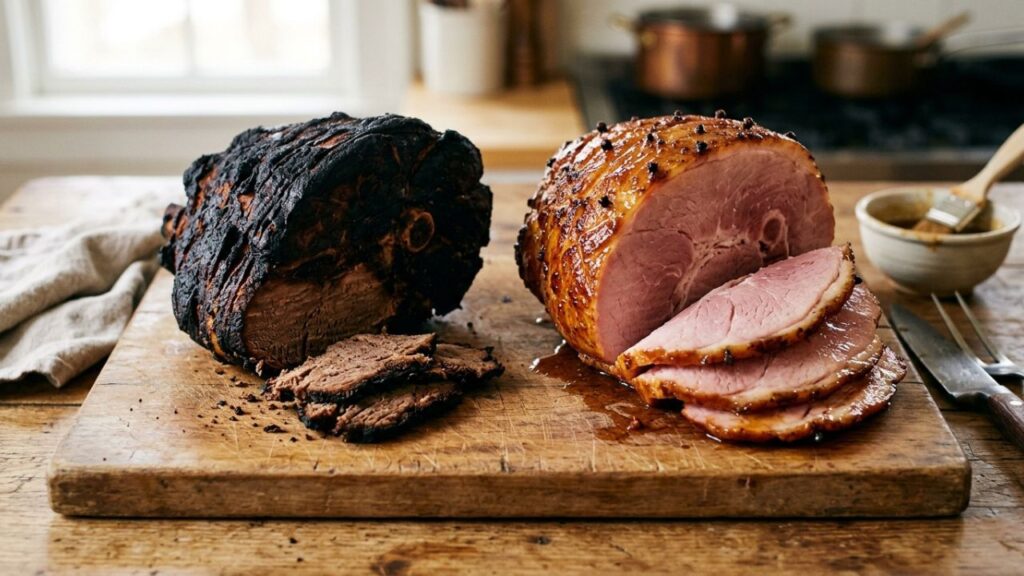
During the final stage of cooking, remove the foil and brush additional glaze over the ham every 10 to 15 minutes. This repeated glazing process helps build richer flavor while encouraging a glossy caramelized surface. Watching the ham carefully during this stage helps prevent burning or excessive browning.
Check Temperature
For pre-cooked pit ham, the internal temperature should reach 140°F before serving. Using a thermometer helps ensure the meat is heated properly without overcooking it. The ham should smell rich and savory while feeling tender when sliced.
Rest Before Slicing
Allow the ham to rest for at least 15 minutes before carving to help preserve moisture throughout the meat. Slicing immediately after cooking can cause valuable juices to escape too quickly. Resting creates cleaner slices and improves the overall texture of each serving.

Serving Suggestions for Pit Ham
Ideal Pairings
Roasted potatoes, green beans, cornbread, macaroni and cheese, steamed carrots, and fresh coleslaw all pair naturally with pit ham. These side dishes help create a balance between rich and lighter textures while complementing the savory flavor of the meat. Mild sauces or fruit chutneys can also add a refreshing contrast.
Beverage Pairings
Refreshing drinks like iced tea, sparkling apple cider, or citrus-infused water pair especially well with pit ham because they help balance its richness. Lighter beverages keep the meal feeling fresh and enjoyable without overpowering the flavors of the food. Warm seasonal drinks can also work nicely during colder months.
Plating Ideas
Serving pit ham on a large platter with roasted vegetables and fresh herbs creates a warm and inviting presentation. Slightly overlapping slices help the dish look fuller while keeping the meat moist for serving. Wooden serving boards or rustic plates can also enhance the comforting homemade appearance.
Serving for Gatherings
Pit ham works particularly well for family gatherings because it can feed several people without requiring constant attention during cooking. Planning portion sizes ahead of time helps ensure everyone is served comfortably while still leaving room for side dishes. Bone-in hams generally require slightly larger serving portions than boneless cuts.
Small Household Tips
For smaller households, leftover pit ham can easily become several additional meals throughout the week. Thin slices work well in sandwiches, soups, breakfast dishes, or pasta recipes without requiring much extra preparation. Freezing portions in smaller containers also helps reduce waste and saves time later.

Seasonal or Occasion Variations
Spring and Summer
Spring and summer pit ham recipes feel lighter and fresher because they use bright ingredients like citrus, lemon, and orange that balance the richness of the meat. Fresh herbs such as thyme, parsley, and basil add a clean aroma that works perfectly for warm-weather meals. It is often served with salads, grilled vegetables, or corn, making it ideal for outdoor dining and simple family gatherings.
Fall and Winter
In fall and winter, pit ham shifts toward deeper and warmer flavors that feel comforting and hearty. Spices like cinnamon, cloves, and smoked paprika add warmth and enhance the savory taste of the meat. It is commonly paired with mashed potatoes, roasted vegetables, or baked casseroles, creating a filling and cozy meal for colder days.
Holiday Adaptations
Pit ham is a popular holiday choice because it can serve a large group with very little effort while cooking slowly in the background. This allows more time to prepare side dishes and enjoy the occasion without stress. It pairs well with classic holiday foods like mashed potatoes, stuffing-style dishes, and roasted vegetables for a complete festive meal.
Casual Weeknight Meals
For everyday dinners, pit ham works well in smaller portions that can be quickly turned into simple meals like sandwiches, rice bowls, or vegetable plates. Its already rich flavor reduces the need for extra seasoning, making cooking faster and easier. This makes it a practical option for busy weeknights when time is limited but a satisfying meal is still needed.
Creative Leftovers
Leftover pit ham can easily be transformed into new meals such as breakfast hash, soups, pasta bakes, or fried rice, giving it a completely different flavor experience. These ideas help reduce food waste while keeping meals interesting throughout the week. With a little creativity, leftovers can feel just as enjoyable as the main dish.
Storage & Reheating Tips for Pit Ham
Proper Storage
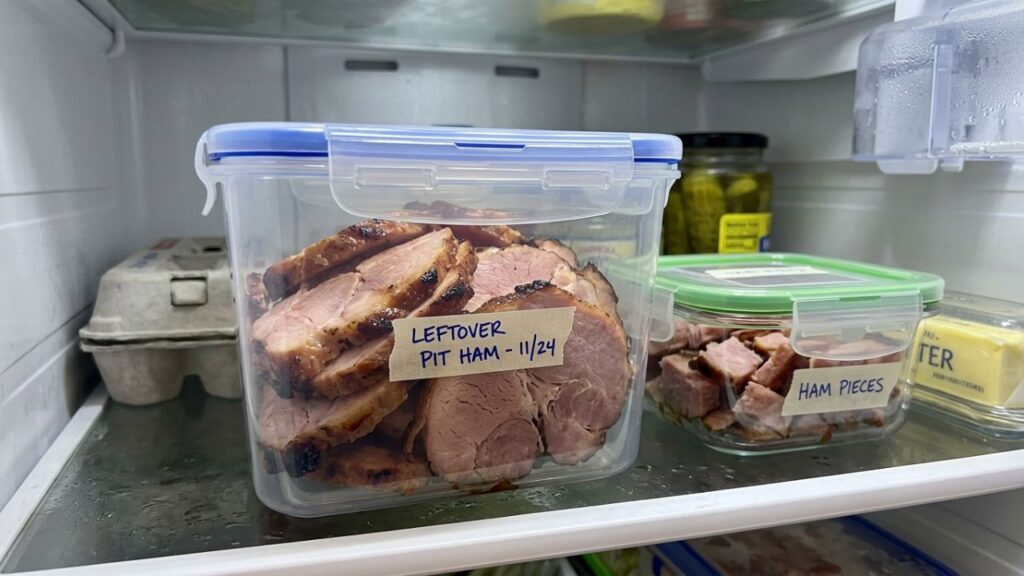
Cooked pit ham should be stored in airtight containers or tightly wrapped in foil once it has completely cooled to maintain freshness and moisture. Proper storage helps prevent it from drying out and keeps the flavor intact for later use. When handled correctly, it stays tender and ready for multiple meals throughout the week.
Refrigeration
Pit ham should always be refrigerated within two hours after cooking to ensure food safety and freshness. When properly stored in the fridge, it usually remains good for three to five days without losing quality. Keeping it sealed tightly helps maintain both texture and flavor for future use.
Freezing Guidance
Freezing pit ham is a great way to extend its shelf life while preserving taste and texture for later meals. It should be divided into portions and stored in airtight freezer-safe containers or bags to avoid freezer burn. When properly frozen, it can last up to two months and still taste good after reheating.
Best Reheating Methods
The best way to reheat pit ham is slowly at low temperature to keep it moist and tender without drying it out. Using the oven with foil and a small amount of broth works especially well for preserving juiciness. Stovetop reheating or microwave heating with a damp cover can also work when done gently.
Food Safety Tips
Pit ham should only be reheated once for the portion you plan to eat to maintain both safety and quality. Reheating the same food multiple times can reduce texture and increase risk of spoilage. Handling leftovers properly ensures the ham remains safe, flavorful, and enjoyable.
Common Mistakes to Avoid
Overcooking
Overcooking pit ham, especially during reheating, can quickly dry out the meat and make it tough instead of tender. Since most pit ham is already cooked, it only needs gentle warming at low heat. Careful temperature control is the key to keeping it juicy and flavorful.
Poor Seasoning Balance
Using too much sweetness or salt can overpower the natural savory flavor of pit ham and make it less enjoyable. A balanced combination of sweet, salty, and slightly tangy flavors works best to enhance its richness. Thoughtful seasoning ensures a well-rounded and pleasant taste.
Skipping Resting Time
Skipping resting time after cooking causes the juices to escape too quickly when slicing, leading to drier meat. Allowing the ham to rest helps the moisture redistribute evenly throughout the meat. This simple step greatly improves tenderness and overall flavor.
Insufficient Moisture
Not adding enough moisture during cooking can cause pit ham to become dry and less enjoyable. Broth, water, or covered cooking methods help maintain steam and protect the meat. Even small amounts of liquid make a noticeable difference in texture.
Uneven Slicing
Cutting pit ham too early or without proper resting can lead to uneven slices and messy presentation. Allowing it to cool slightly makes slicing easier and more precise. Clean, even cuts improve both appearance and serving quality.
Frequently Asked Questions
1. Can I cook pit ham in a regular oven?
Yes, pit ham can be cooked in a regular kitchen oven without special equipment. Slow cooking at a moderate temperature keeps the meat tender while letting flavors develop. Covering the ham loosely with foil helps retain moisture and prevents the surface from drying out.
2. How do I keep pit ham moist?
To keep pit ham moist, maintain gentle heat and add moisture while cooking. Pour broth, water, or juice into the roasting pan to create steam, and let the ham rest before slicing so the juices settle back into the meat.
3. Should pit ham be glazed?
A glaze is optional but enhances flavor and appearance. Sweet or savory glazes, such as brown sugar, honey, or mustard, create a lightly caramelized surface. Apply the glaze toward the end of cooking to prevent burning and achieve a glossy finish.
4. Can pit ham be frozen after cooking?
Yes, cooked pit ham freezes well for future meals. Cool completely before placing in airtight containers or freezer-safe bags to maintain freshness. Properly stored portions can last up to two months and taste great when reheated carefully.
5. What sides go well with pit ham?
Pit ham pairs well with sides that balance its smoky flavor. Roasted vegetables, mashed potatoes, cornbread, salads, green beans, and casseroles work great. Fruit-based sauces or mild mustard can add freshness and contrast to the richness.
6. How do I know when pit ham is ready?
For pre-cooked pit ham, heat until the internal temperature reaches 140°F. A meat thermometer ensures proper doneness while keeping the meat tender. The ham should smell rich, have a warm center, and a lightly caramelized outer layer when ready to serve.
Conclusion
Pit ham remains a reliable and satisfying centerpiece for home-cooked meals because it combines deep flavor with straightforward preparation. With patient cooking, balanced seasoning, and thoughtful serving, this classic dish can feel equally suitable for quiet family dinners or larger seasonal gatherings.
While I’m not a nutritionist, Joy Bauer suggests that ham can be enjoyed in moderation as part of a healthy eating pattern, especially when balanced with fresh, whole foods. By enjoying pit ham thoughtfully, you can combine rich taste with mindful eating in everyday meals.
About the Author
Oliver Brooks is a passionate home cook and food writer who enjoys exploring practical, flavor-forward recipes for everyday kitchens. With a focus on approachable techniques and seasonal cooking, he aims to help readers create meals that feel comforting without feeling complicated. Much of his inspiration comes from slow weekend cooking and shared family dinners around the table.