
Beef cheek rolls are the kind of comforting dish that rewards patience. Beef cheeks, once considered a lesser-used cut, have become appreciated for their deep flavor and remarkably tender texture when cooked slowly. Rolled with herbs, aromatics, and savory fillings, they create a rich and satisfying meal that feels equally suitable for a cozy family dinner or a relaxed weekend gathering.
What makes this dish especially appealing is its balance of rustic simplicity and refined flavor. Beef cheeks contain connective tissue that gradually breaks down during slow cooking, creating a silky, melt-in-the-mouth texture that many home cooks love. The slow braising process also builds layers of flavor in the sauce, making every bite deeply savory without needing complicated techniques. For another delicious recipe and inspiration, check out How to Make Meatball Nirvana at Home.
This guide shows how to make slow-cooked beef cheek rolls in a simple and easy way at home. You’ll learn how to use basic ingredients and slow cooking methods to bring out deep, rich flavor and tender texture. It helps you understand small cooking tips that improve taste without making the process complicated. This recipe is a practical option for comforting family meals, relaxed weekend cooking, or make-ahead meal prep.
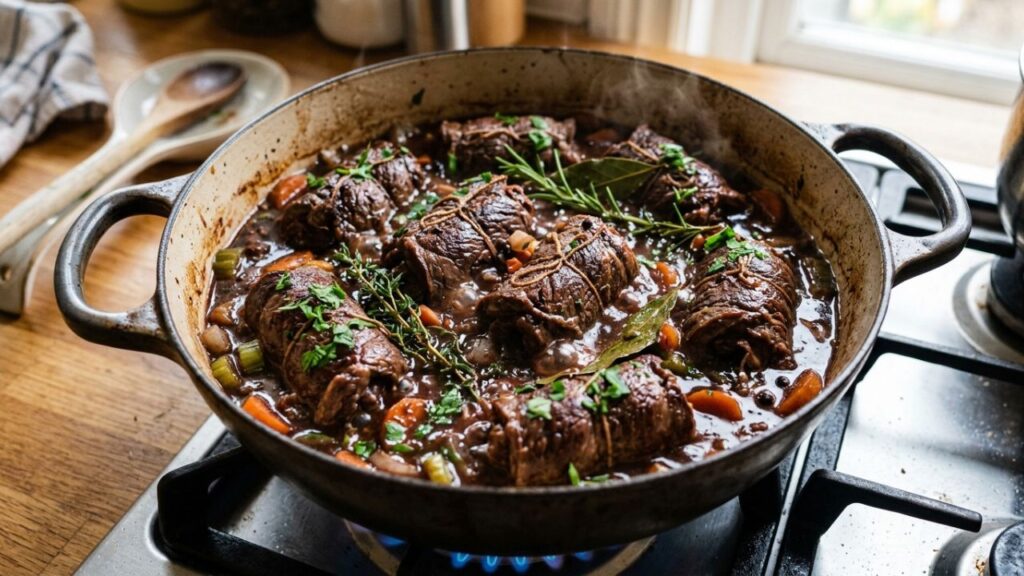
What is Beef Cheek Rolls?
Beef cheek rolls are made by braising beef cheeks that have been flattened, seasoned, filled, and rolled before cooking slowly in a flavorful liquid. The result is a tender beef dish with concentrated flavor and a soft, succulent texture.
According to Dr. Michael Greger, a U.S. physician known for his work in nutrition, slow-cooked beef cheek rolls can be enjoyed in moderation as part of a balanced diet when paired with vegetables or whole grains. He emphasizes that adding more plant-based foods alongside protein-rich meals can support better heart health and overall nutrition balance. Preparing the dish with fresh ingredients and slow cooking methods also helps maintain flavor while avoiding excessive use of unhealthy fats.
The Cut of Meat
Beef cheeks come from the facial muscles of cattle, which naturally work hard and therefore contain a large amount of connective tissue. While this may make them tough initially, slow cooking transforms them into one of the richest and most flavorful cuts available.
Traditional Ingredients
Typical ingredients include beef cheeks, garlic, onion, fresh herbs, carrots, celery, tomato paste, beef stock, olive oil, salt, and black pepper. Some recipes also use broth or cooking liquid to deepen the flavor during braising.
Culinary Background
This style of cooking has roots in several culinary traditions, especially European slow-braised dishes where economical cuts are transformed through careful cooking. Similar preparations appear in Italian, French, and Spanish home kitchens.
Flavor and Texture
The flavor profile is deeply savory with strong umami notes. Depending on the filling and sauce, the dish can also carry earthy, slightly sweet, or herbaceous qualities. Traditionally, the rolls are browned first to build flavor before being braised slowly for several hours.
Why It Works So Well
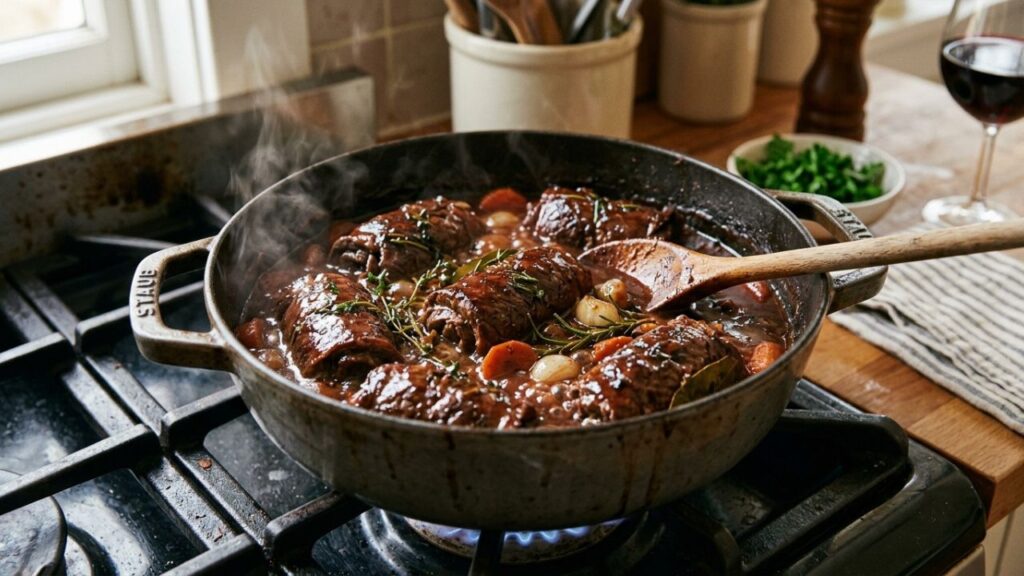
One reason beef cheek rolls are so satisfying is their balance of texture and flavor. The meat becomes exceptionally soft while the sauce thickens naturally from the collagen released during cooking.
Rich Flavor Balance
A good beef cheek roll recipe combines several flavor elements, including the deep umami richness from beef and stock, natural sweetness from onions and carrots, acidity from tomatoes, and freshness from herbs. Using careful cooking techniques to layer these flavors ensures the dish stays comforting and rich without becoming too heavy.
Tender Texture
The texture is one of the biggest highlights. Properly cooked beef cheeks should feel fork-tender while still holding their shape. Pairing them with creamy mashed potatoes, crusty bread, or roasted vegetables adds welcome contrast to the softness of the meat.
Easy Slow-Cooking Process
Although the cooking time is long, the active preparation is fairly manageable. Much of the process involves slow simmering, making it ideal for weekend cooking or preparing meals ahead of time.
Health Benefits of Beef Cheek Rolls
Beef cheek rolls can be part of a balanced homemade meal when served with vegetables and moderate portions. Since the dish relies on slow braising rather than deep frying, the flavors develop naturally without needing excessive oil or processed ingredients.
Protein and Nutritional Value
Beef cheeks are naturally rich in protein, iron, and zinc, which support energy levels and overall wellness. Protein helps support muscle maintenance and keeps meals satisfying for longer periods.
Beef cheeks also contain vitamin B12 and iron, nutrients that play important roles in energy production and healthy blood circulation.
Collagen and Texture Benefits
Beef cheeks are rich in collagen, which not only enhances the texture of the meat but may also support joint and skin health when included in a balanced diet. Slow cooking gently breaks down this collagen, resulting in a silky, tender texture that makes the dish especially comforting.
Slow Cooking and Balanced Flavor
This cooking method allows flavors to develop gradually, producing a rich taste without the need for excessive artificial flavorings or heavy sauces. Preparing the dish at home also provides better control over salt and ingredient quality, ensuring a wholesome and balanced meal.
Ingredients Guide for Beef Cheek Rolls
Choosing the right ingredients has a major impact on the final dish because slow-cooked recipes depend heavily on depth of flavor and ingredient quality. Fresh ingredients help create a richer sauce, more balanced texture, and a more satisfying final result.
Selecting Fresh Beef Cheeks
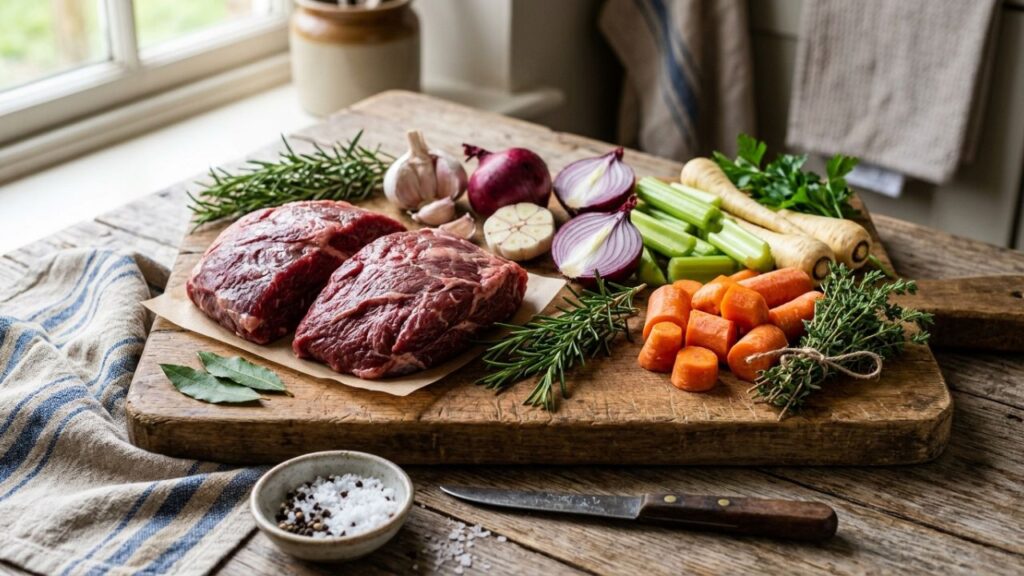
When choosing beef cheeks, pick ones that are deep red, slightly moist, and well-trimmed for a clean appearance. A neutral smell is ideal—never sour or unpleasant—and a bit of connective tissue is normal, as it contributes to tenderness and a silky texture during slow cooking.
Fresh Vegetables and Herbs
Onions, garlic, carrots, and celery create the foundation of the braising sauce, offering natural sweetness and aroma throughout cooking. Herbs like thyme, rosemary, and parsley complement the dish by adding freshness and balance without overpowering the rich flavor of the beef.
Ingredient Substitutions
If certain ingredients are unavailable, simple substitutions can still produce excellent results while maintaining the comforting character of the dish. Beef stock can replace cooking liquids, mushrooms can add earthy depth, and vegetables like parsnips or leeks can work beautifully depending on the season and personal preference.
Budget-Friendly Cooking Tips
Beef cheeks are often more affordable than premium beef cuts, making them a practical option for home cooks who want rich flavor without spending excessively. Buying ingredients seasonally or shopping from local butchers can also help reduce overall cost while improving freshness.
Pantry Staples That Help
Pantry staples such as tomato paste, olive oil, bay leaves, black pepper, and garlic help create layers of flavor throughout the cooking process. These simple ingredients may seem basic, but together they contribute significantly to the depth and balance of the finished dish.
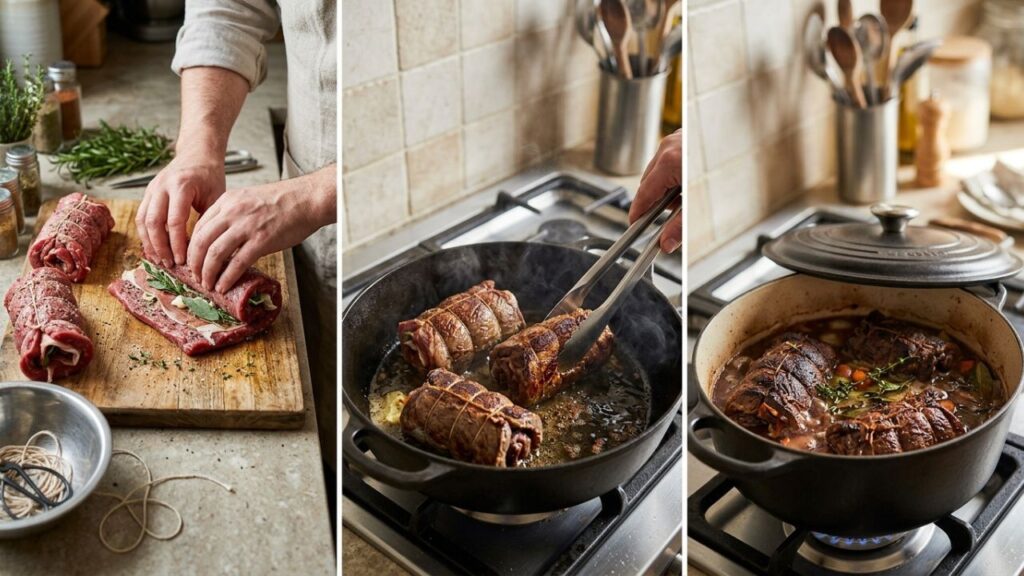
Step-by-Step Cooking Method
Preparing slow-cooked beef cheek rolls takes time, but the process itself is straightforward and rewarding. The key is allowing each stage of cooking to build flavor gradually while keeping the meat tender and moist. For another delicious idea, check out How Can You Cook Halal Bacon for Crispy, Flavorful Results?.
Prepare the Beef
Begin by trimming excess membrane from the beef cheeks if needed so the rolls cook more evenly and develop a softer texture. Flatten the beef gently using a meat mallet, then season generously with salt and black pepper to ensure every layer carries flavor throughout the cooking process.
Prepare the Filling
Prepare a simple filling using garlic, fresh herbs, sautéed onions, and breadcrumbs if desired for additional texture and flavor. Spread the filling evenly across the beef cheeks before rolling them tightly and securing them carefully with kitchen twine or toothpicks.
Brown the Beef Rolls
Heat olive oil in a heavy pot or Dutch oven and brown the beef rolls slowly on all sides until they develop a deep golden crust. This caramelization stage is important because it creates a rich savory flavor that strengthens the overall depth of the final sauce.
Build the Sauce
Remove the beef rolls briefly while onions, carrots, celery, and garlic cook in the same pot to absorb the browned flavors left behind. Stir in tomato paste until slightly darkened, then pour in stock or broth while scraping the bottom of the pan to release all the flavorful bits.
Slow Cook Until Tender
Return the beef rolls to the pot and add enough liquid to partially cover them before cooking slowly over low heat for several hours. The meat should eventually become fork-tender, while the sauce thickens naturally into a rich and glossy consistency.
Sensory Cooking Tips
The dish is ready when the aroma smells deeply savory, the sauce develops a silky texture, and the meat can be pierced effortlessly with a fork. If the sauce becomes too thin near the end of cooking, simmering uncovered for a few extra minutes usually helps concentrate the flavors naturally.
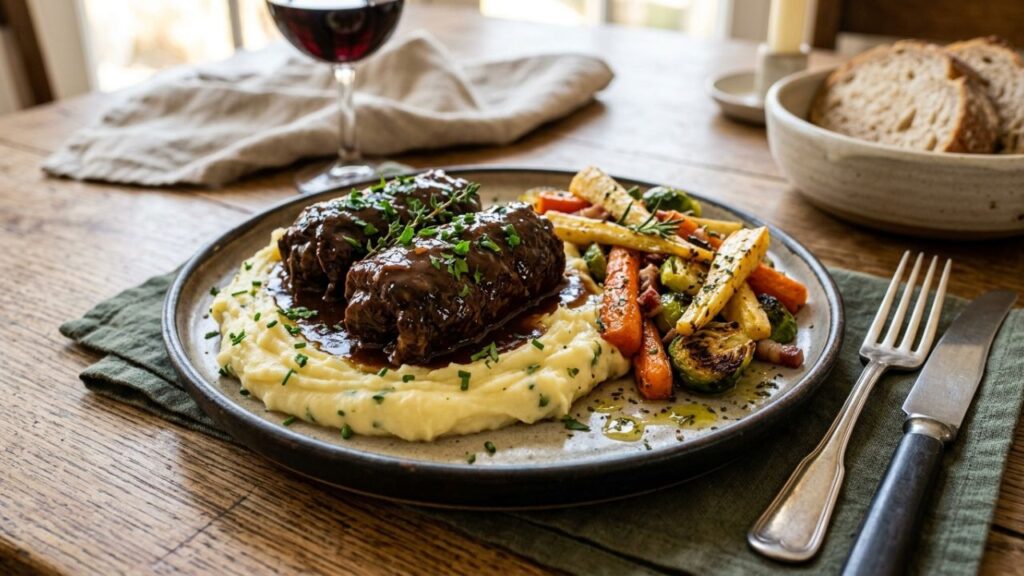
Serving Suggestions for Beef Cheek Rolls
Beef cheek rolls pair beautifully with comforting side dishes and balanced accompaniments that complement the richness of the meat and sauce.
Best Side Dishes
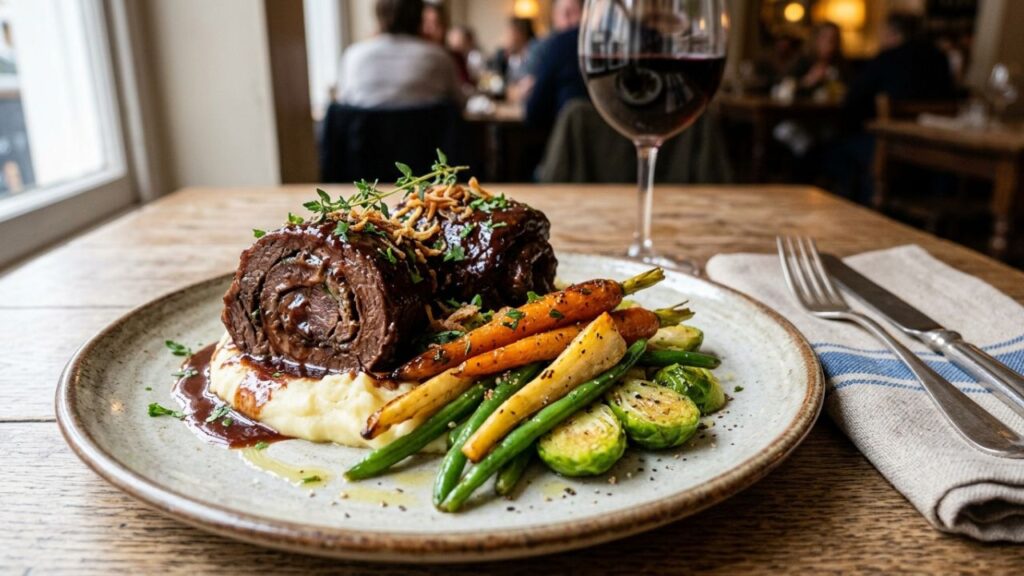
Creamy mashed potatoes remain one of the most popular pairings because they absorb the savory sauce so well and create a soft contrast to the tender beef. Roasted vegetables, buttered noodles, soft polenta, or warm crusty bread also work wonderfully alongside the dish.
Garnishes and Finishing Touches
Fresh parsley or a spoonful of reduced braising sauce can brighten the presentation while adding freshness to the final plate. For lighter meals, serving the beef cheek rolls with green vegetables or crisp salads can help balance the richness of the slow-cooked meat.
Serving for Gatherings
For family dinners or casual gatherings, sliced beef cheek rolls arranged neatly on a serving platter create a rustic but elegant presentation. The dish also works especially well for meal preparation because the flavors often become even richer after resting overnight.
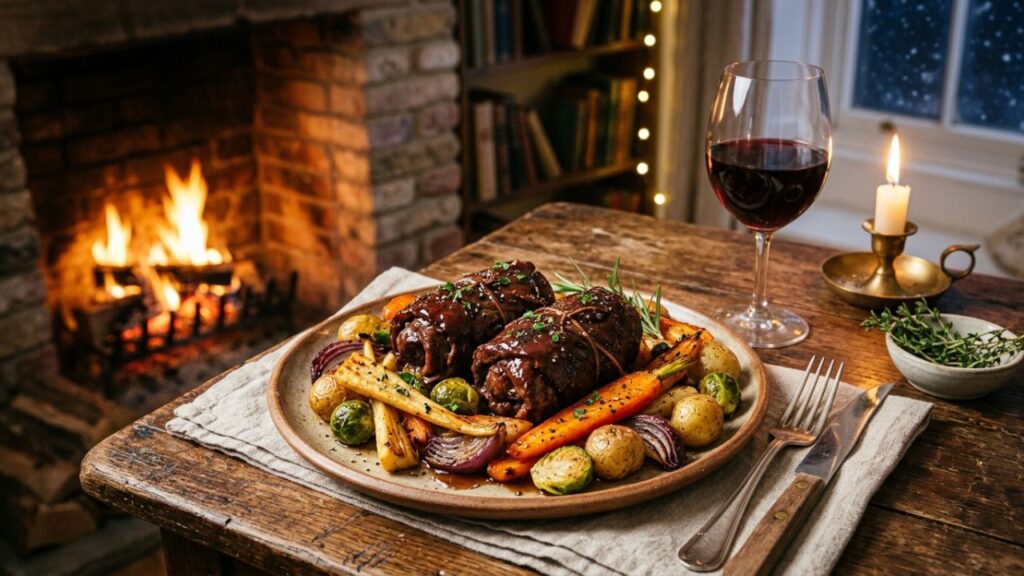
Seasonal or Occasion Variations
Beef cheek rolls can easily be adjusted throughout the year depending on the season, available ingredients, or the style of meal you want to create.
Fall and Winter Comfort Meals
During colder months, beef cheek rolls pair especially well with root vegetables, creamy polenta, and herb-rich sauces flavored with rosemary and thyme. These comforting additions help create a warm and hearty meal that feels perfect for chilly evenings.
Spring and Summer Adjustments
For spring and summer meals, lighter accompaniments such as grilled asparagus, fresh peas, or lemon herb salad can make the dish feel fresher and less heavy while still maintaining its comforting flavor.
Holiday and Family Dinner Ideas
The recipe adapts beautifully for holidays or relaxed family gatherings because the slow-cooked presentation feels both comforting and refined. A slightly thicker sauce and careful plating can help the dish feel more elegant for special occasions.
Creative Leftover Ideas
Leftover beef cheek rolls can be transformed into rich pasta sauces, shredded beef sandwiches, savory pie fillings, or flavorful rice bowls. This flexibility makes the recipe practical and useful even beyond the first serving.
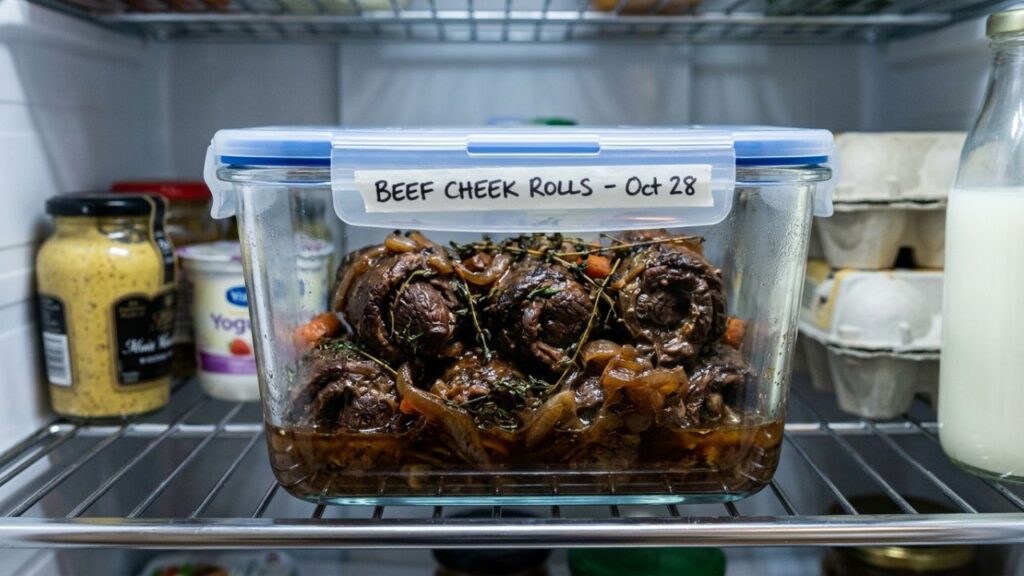
Storage & Reheating Tips
Proper storage helps preserve both the flavor and texture of slow-cooked beef cheek rolls, especially since the sauce continues developing flavor over time.
Proper Storage Methods
Allow the dish to cool fully before transferring it into airtight containers for refrigeration or freezing. Keeping some sauce with the meat helps maintain moisture and prevents the beef from drying out during storage.
Refrigeration and Freezing
Beef cheek rolls can usually be refrigerated safely for up to four days while still maintaining good texture and flavor. For longer storage, freezing works very well when the dish is sealed properly with enough sauce to protect the meat.
Best Reheating Methods
Gentle reheating works best because high heat may dry out the meat or reduce tenderness. Using a covered skillet over low heat or reheating slowly in the oven helps preserve both texture and flavor, while adding a little stock can loosen thickened sauce if necessary.
Food Safety Tips
Always ensure leftovers are reheated thoroughly until hot throughout before serving again. Avoid leaving cooked beef at room temperature for extended periods, especially after reheating.
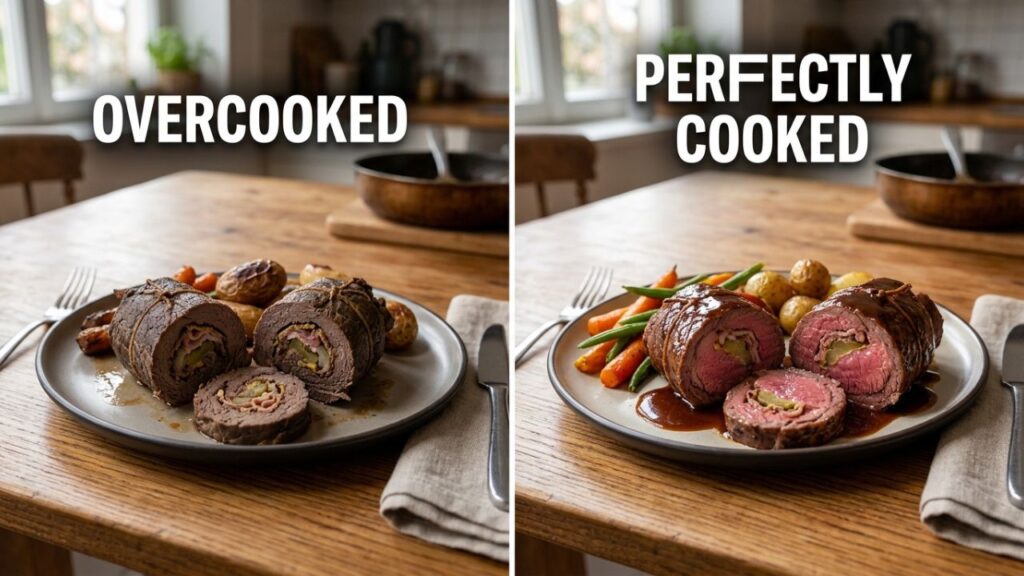
Common Mistakes to Avoid
Even though slow-cooked beef cheek rolls are relatively straightforward to prepare, a few common mistakes can affect the final texture and flavor of the dish.
Cooking at High Heat
Cooking at excessively high temperatures is one of the most common mistakes because rapid boiling can tighten the meat fibers and prevent the beef cheeks from becoming tender. Gentle simmering allows the connective tissue to break down slowly and naturally.
Skipping the Browning Step
Skipping the browning stage can reduce the depth of flavor in the finished dish because caramelization creates important savory notes. Taking a few extra minutes to brown the beef properly can make a noticeable difference in the richness of the sauce.
Underseasoning the Dish
Another issue is underseasoning during cooking because long braising times can soften flavors if seasoning is not adjusted gradually. Adding salt, herbs, and pepper in layers helps maintain balance throughout the entire dish.
Not Cooking Long Enough
Some home cooks remove the beef from heat too early before the connective tissue has fully softened. Beef cheeks require patience, and allowing extra cooking time is often the key to achieving the signature fork-tender texture.
Thin Sauce Problems
If the sauce feels too thin near the end of cooking, simmering uncovered briefly is usually more effective than adding excessive thickener. This method naturally concentrates flavor while improving the consistency of the sauce.
Frequently Asked Questions
1. Can beef cheeks be cooked in a slow cooker?
Yes, beef cheeks cook exceptionally well in a slow cooker because the low and steady heat helps break down the connective tissue gradually. This slow cooking process creates a tender texture and allows the rich flavors of the sauce, herbs, and vegetables to fully develop over several hours.
2. How long should beef cheeks cook?
Beef cheeks usually require about three to four hours in the oven at a low temperature or around seven to eight hours in a slow cooker on low heat. The exact cooking time may vary depending on the size of the beef cheeks and the cooking method used, but the meat should always become fork-tender before serving.
3. Can I make beef cheek rolls ahead of time?
Yes, beef cheek rolls are an excellent make-ahead meal because the flavors continue developing as the dish rests. Many home cooks find that the sauce becomes richer and more balanced after being refrigerated overnight and reheated the following day.
4. What does beef cheek taste like?
Beef cheek has a rich, savory flavor that becomes deep and comforting when slow-cooked properly. The texture is soft and silky, similar to slow-braised beef, with a melt-in-the-mouth quality that makes the dish especially satisfying.
5. Can I freeze leftovers?
Yes, slow-cooked beef cheek rolls freeze very well when stored in airtight containers along with their sauce. Keeping the sauce with the meat helps preserve moisture and texture, making reheated portions taste fresh and flavorful even after freezing.
6. Why are my beef cheeks still tough?
If beef cheeks still feel tough after cooking, they usually need more time at low heat for the connective tissue to fully break down. Slow cooking requires patience, and allowing the meat to simmer gently for longer often results in the tender texture the dish is known for.
Conclusion
Beef cheek rolls are a comforting and flavorful dish that combines rich taste with simple, home-style cooking. With slow preparation, balanced seasoning, and the right ingredients, this recipe works well for both family dinners and meal prep.
While I’m not a medical professional, Dr. Michael Greger emphasizes that balanced meals including lean proteins and plenty of vegetables can support overall health and long-term wellness. By enjoying beef cheek rolls in moderation and pairing them with wholesome sides, you can create a satisfying and nourishing meal that fits well into a healthy lifestyle.
About the Author
Oliver Brooks is a passionate home cook and food writer who enjoys exploring slow-cooked comfort meals and approachable seasonal recipes. With a focus on balanced flavors and practical cooking techniques, he aims to help readers create satisfying dishes without unnecessary complication. Much of his inspiration comes from weekend cooking, rustic ingredients, and the simple pleasure of sharing homemade meals with family and friends.