
Beef cheek rolls are a comforting and flavorful dish known for their rich taste and remarkably tender texture. Beef cheeks are a unique cut of meat that becomes soft and succulent when cooked slowly, making them an excellent choice for hearty, satisfying meals. Their deep, savory flavor and tender consistency make this dish suitable for cozy family dinners, weekend gatherings, or special occasions. With the right cooking approach, beef cheek rolls offer a delicious combination of traditional comfort and an appealing presentation.
This guide explores what makes beef cheek rolls special and how slow cooking helps develop their rich flavor and melt-in-your-mouth texture. You’ll learn about the qualities that make this dish stand out, along with useful insights into achieving a tender and satisfying result at home. Whether you’re preparing a comforting meal for your family or looking for something distinctive to serve at a gathering, beef cheek rolls are a delicious option worth exploring.
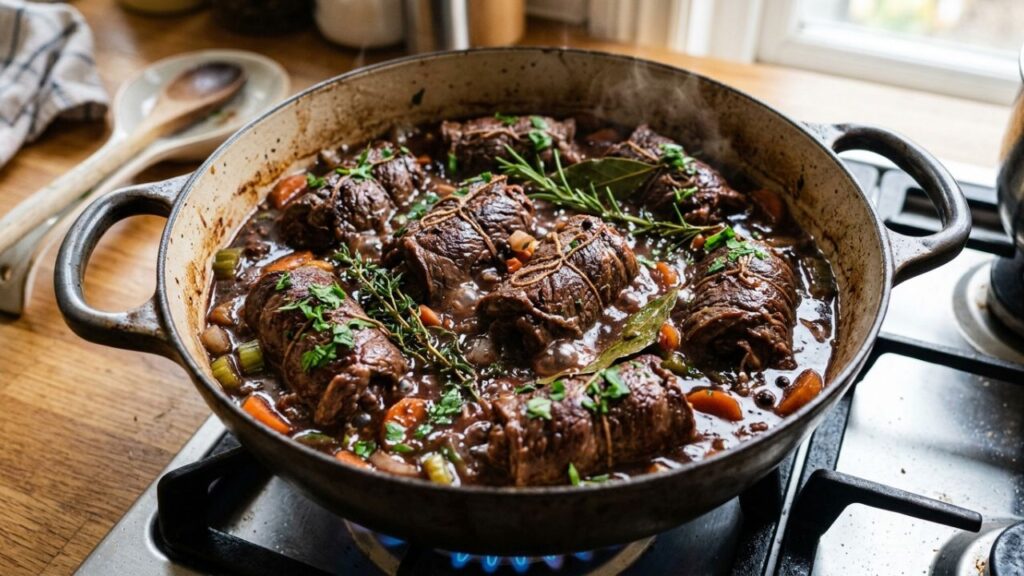
What is Beef Cheek Rolls?
Beef cheek rolls are a traditional slow-cooked dish made by rolling beef cheeks and braising them until tender and flavorful. Beef cheeks contain connective tissue that softens during slow cooking, creating a succulent texture and rich, savory taste. Often prepared with aromatic flavors and a flavorful cooking liquid, this dish reflects European cooking traditions, particularly French, Italian, and Spanish cuisine. Its tender texture and deep flavor make beef cheek rolls a comforting choice for family meals and special occasions.
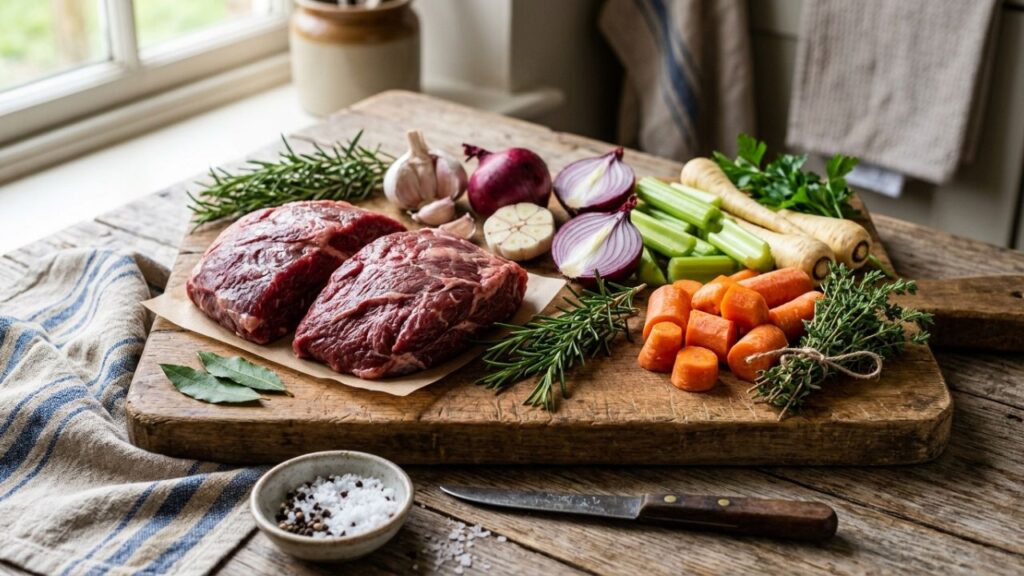
Preparation Time
- Preparation time: 20 minutes
- Cooking time: 3–4 hours
- Resting time: 5–10 minutes
- Total time: Approximately 3 hours 25 minutes to 4 hours 30 minutes
- Servings: 4 people
Ingredients
Salt and black pepper, to taste
4 beef cheeks, trimmed
2 tablespoons olive oil
1 large onion, chopped
2 carrots, chopped
2 celery stalks, chopped
3 garlic cloves, minced
2 tablespoons tomato paste
3 cups beef stock
2 sprigs fresh thyme
1 sprig rosemary
2 bay leaves
Alternative Ingredients
| Original Ingredient | Alternative |
|---|---|
| Beef cheeks | Beef chuck or boneless short ribs |
| Olive oil | Vegetable oil or avocado oil |
| Beef stock | Beef broth |
| Carrots | Parsnips |
| Celery | Leeks |
| Fresh thyme | Dried thyme or oregano |
| Fresh rosemary | Dried rosemary |
| Tomato paste | Crushed tomatoes |
| Fresh garlic | Garlic powder |
| Bay leaves | Omit if unavailable or add extra thyme for aroma |
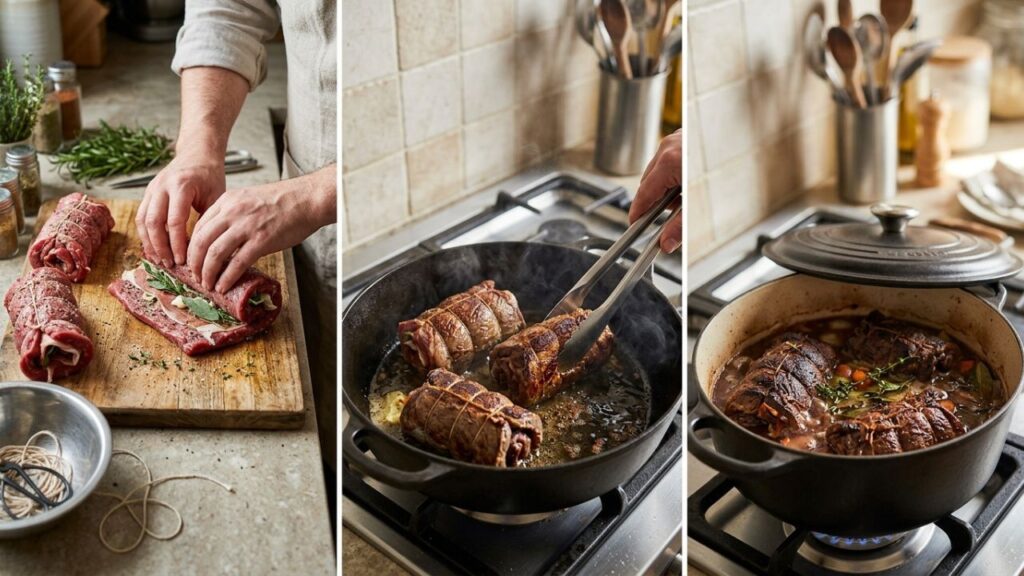
Step-by-Step Cooking Method
Step 1: Clean and trim the beef cheeks, removing excess tough tissue. Pat them dry with paper towels and season with salt and black pepper.
Step 2: Heat olive oil in a heavy pan over medium-high heat. Brown the beef cheeks for 3–4 minutes per side until they develop a rich, golden-brown crust.
Step 3: Remove the beef and sauté chopped onion, carrots, celery, and garlic for 5–7 minutes until softened. Stir in the tomato paste and cook for another minute.
Step 4: Return the beef cheeks to the pan and add beef stock, thyme, rosemary, and bay leaves. Cover and cook in an oven at 325°F (163°C) for approximately 3–4 hours, until the meat is fork-tender. For safe meat-handling guidance, consult the USDA Food Safety and Inspection Service .
Step 5: Remove the beef cheeks and let them rest briefly. If desired, simmer the cooking liquid until it thickens into a rich sauce, then serve the tender beef with the sauce and your favorite side dishes.
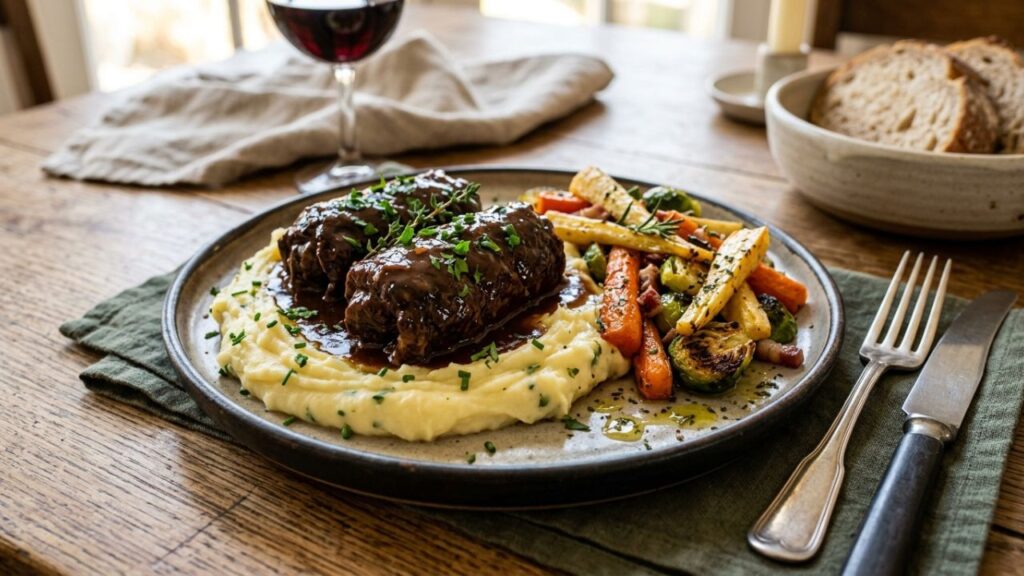
Serving Suggestions for Beef Cheek Rolls
| Serving Option | Best For |
|---|---|
| Creamy mashed potatoes | Absorbing the rich braising sauce and complementing the tender beef. |
| Roasted vegetables | Adding a sweet, savory flavor and hearty texture. |
| Buttered noodles | Creating a simple, comforting side dish. |
| Soft polenta | Providing a creamy base for the flavorful beef and sauce. |
| Warm crusty bread | Soaking up the delicious cooking juices. |
| Fresh parsley | Adding color and freshness to the finished dish. |
| Green vegetables | Balancing the richness of the slow-cooked meat. |
| Crisp green salad | Providing a light, refreshing contrast. |
| Reduced braising sauce | Enhancing the beef’s deep flavor and presentation. |
| Sliced beef cheek rolls on a platter | Serving an attractive, rustic meal at family dinners or gatherings. |
Seasonal or Occasion Variations
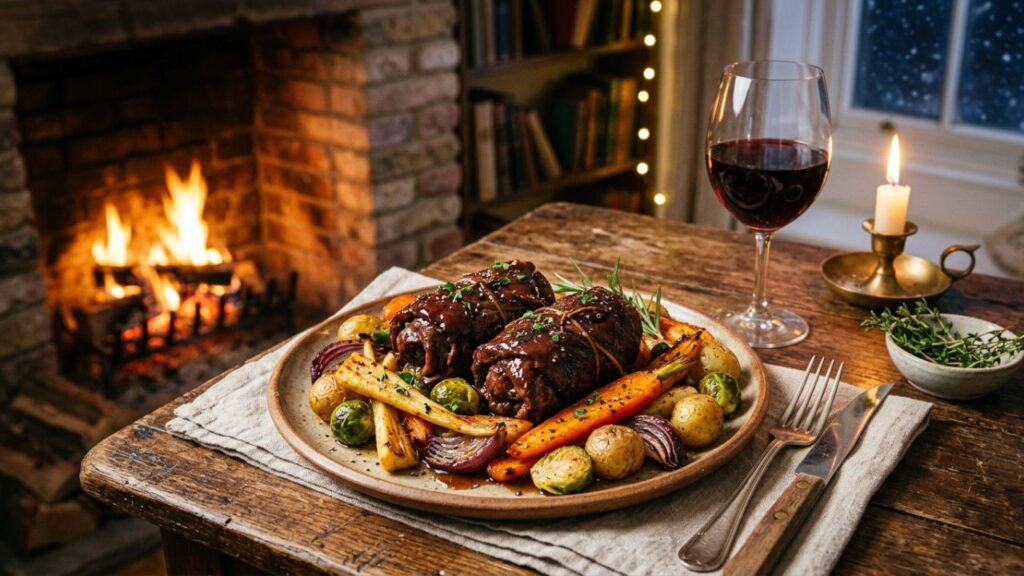
– Fall and Winter: Serve beef cheek rolls with root vegetables, creamy polenta, and rosemary or thyme sauce for a hearty, comforting meal.
– Spring and Summer: Pair the beef with grilled asparagus, fresh peas, or a lemon herb salad for a lighter seasonal combination.
– Holiday and Family Dinners: Arrange the beef cheek rolls neatly with a rich sauce and roasted vegetables for an elegant presentation.
– Creative Leftovers: Use leftover beef in pasta sauces, shredded beef sandwiches, savory pies, or rice bowls for delicious next-day meals.
Storage & Reheating Tips
Food Safety: Refrigerate leftovers within 2 hours and reheat to 165°F (74°C). For more details, see the USDA Leftovers and Food Safety Guide .
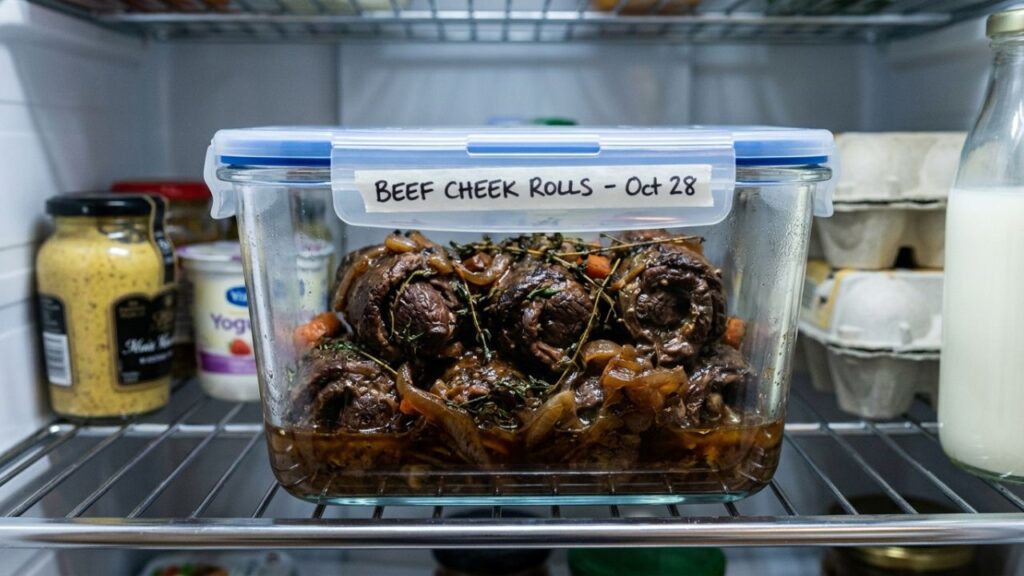
Proper Storage: Allow beef cheek rolls to cool slightly, then store them with some sauce in an airtight container.
Refrigeration: Keep leftovers in the refrigerator at 40°F (4°C) or below for 3–4 days.
Freezing: Freeze in an airtight container with sauce for 2–3 months for the best quality.
Reheating: Warm gently in a covered skillet over low heat or in the oven. Add a little beef stock if needed.
Common Mistakes to Avoid
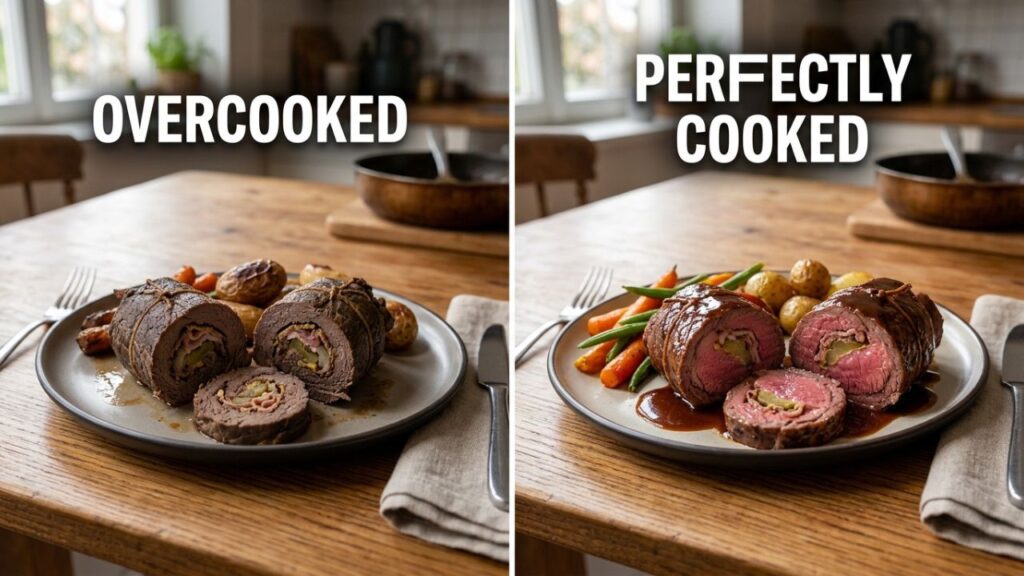
Preparing tender beef cheek rolls requires patience and attention to detail. Cooking at excessively high heat can make the meat tough, while skipping the browning step may reduce the depth of flavor. It’s also important to season the dish properly and allow enough cooking time for the connective tissue to soften. If the sauce is too thin, simmer it uncovered until it reaches the desired consistency. These small details help create tender beef, a rich sauce, and a more satisfying final dish.
Frequently Asked Questions
1. Can beef cheeks be cooked in a slow cooker?
Yes, beef cheeks cook exceptionally well in a slow cooker because the low and steady heat helps break down the connective tissue gradually. This slow cooking process creates a tender texture and allows the rich flavors of the sauce, herbs, and vegetables to fully develop over several hours.
2. How long should beef cheeks cook?
Beef cheeks usually require about three to four hours in the oven at a low temperature or around seven to eight hours in a slow cooker on low heat. The exact cooking time may vary depending on the size of the beef cheeks and the cooking method used, but the meat should always become fork-tender before serving.
3. Can I make beef cheek rolls ahead of time?
Yes, beef cheek rolls are an excellent make-ahead meal because the flavors continue developing as the dish rests. Many home cooks find that the sauce becomes richer and more balanced after being refrigerated overnight and reheated the following day.
4. What does beef cheek taste like?
Beef cheek has a rich, savory flavor that becomes deep and comforting when slow-cooked properly. The texture is soft and silky, similar to slow-braised beef, with a melt-in-the-mouth quality that makes the dish especially satisfying.
5. Can I freeze leftovers?
Yes, slow-cooked beef cheek rolls freeze very well when stored in airtight containers along with their sauce. Keeping the sauce with the meat helps preserve moisture and texture, making reheated portions taste fresh and flavorful even after freezing.
6. Why are my beef cheeks still tough?
If beef cheeks still feel tough after cooking, they usually need more time at low heat for the connective tissue to fully break down. Slow cooking requires patience, and allowing the meat to simmer gently for longer often results in the tender texture the dish is known for.
Conclusion
Beef cheek rolls are a comforting and flavorful dish that combines rich taste with simple, home-style cooking. With slow preparation, balanced seasoning, and the right ingredients, this recipe works well for both family dinners and meal prep.