
Side pork doesn’t always get the attention it deserves. While bacon tends to take the spotlight, side pork offers a rich pork flavor and satisfying texture that makes it a great choice for hearty, comforting meals. It’s an appealing option for home cooks who enjoy simple, flavorful dishes and want to try a cut that offers plenty of natural flavor.
In my own kitchen, I’ve found that side pork rewards a slow and thoughtful approach. Cooking it gently allows the natural fat to render while the meat becomes tender and flavorful, creating a satisfying texture without complicated techniques. This guide explores what side pork is, what makes it unique, and the simple principles that help bring out its best flavor and texture at home.
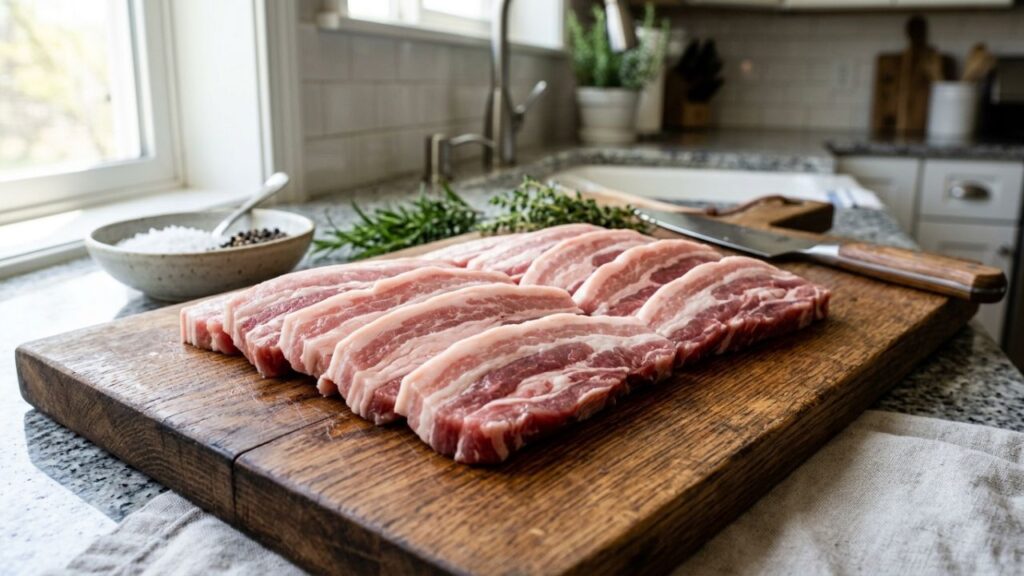
What Is Side Pork?
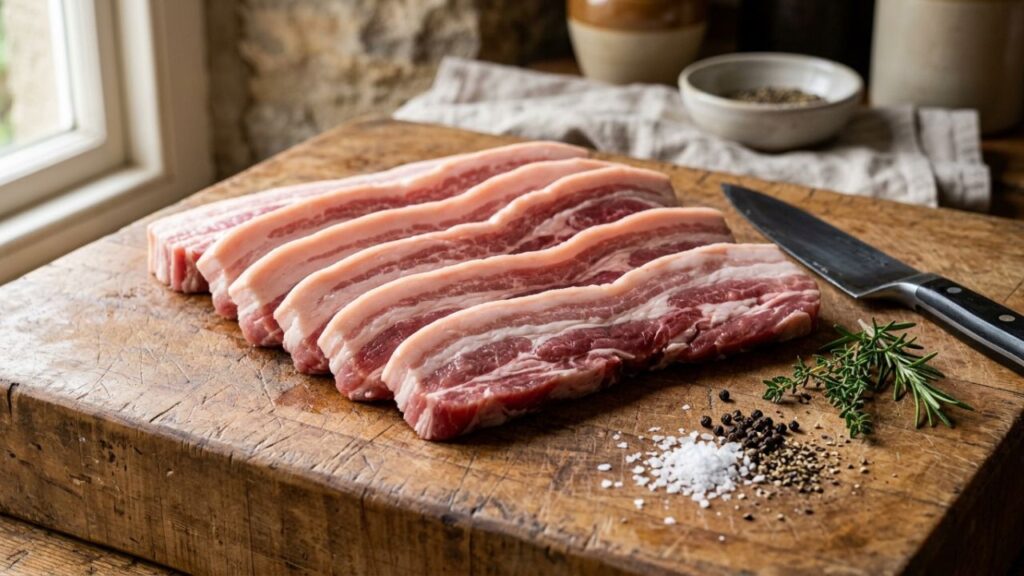
Side pork comes from the belly of the pig, the same area used to make bacon, but it is fresh and uncured rather than smoked, salted, or processed. It has a rich, savory pork flavor with a satisfying balance of meat and fat, and when cooked slowly, the fat renders to create a tender, flavorful texture. Side pork has long been used in rustic and farmhouse cooking and can be prepared by roasting, braising, or pan-frying, making it a versatile choice for simple, hearty meals.
| Prep Time | Cook Time | Total Time | Servings |
|---|---|---|---|
| 10 minutes | 35 minutes | 45 minutes | 4 servings |
Ingredients
- 1½–2 lb fresh side pork, cut into pieces
- 1 teaspoon salt
- 1 teaspoon black pepper
- 1 teaspoon garlic powder
- ½ teaspoon dried thyme
- ½ teaspoon dried oregano
- 2 cloves garlic, minced
- 1 tablespoon vinegar
- 1 teaspoon honey or brown sugar
Ingredient Alternatives
| Ingredient | Alternative |
|---|---|
| Side pork | Fresh pork belly |
| Salt | Sea salt |
| Black pepper | White pepper |
| Garlic powder | Fresh minced garlic |
| Dried thyme | Fresh thyme |
| Dried oregano | Fresh oregano |
| Vinegar | Lemon juice |
| Honey | Brown sugar |
| Fresh garlic | Garlic powder |
Step-by-Step Cooking Method for Side Pork
Step 1
Pat the side pork dry with a paper towel to remove excess moisture and help it brown properly. If the pieces are large, cut them into smaller, even portions for more consistent cooking.
Step 2
Season the pork with salt and black pepper. Garlic powder or smoked paprika can also be added for extra flavor, but keep the seasoning simple so the natural richness of the pork remains the focus.
Step 3
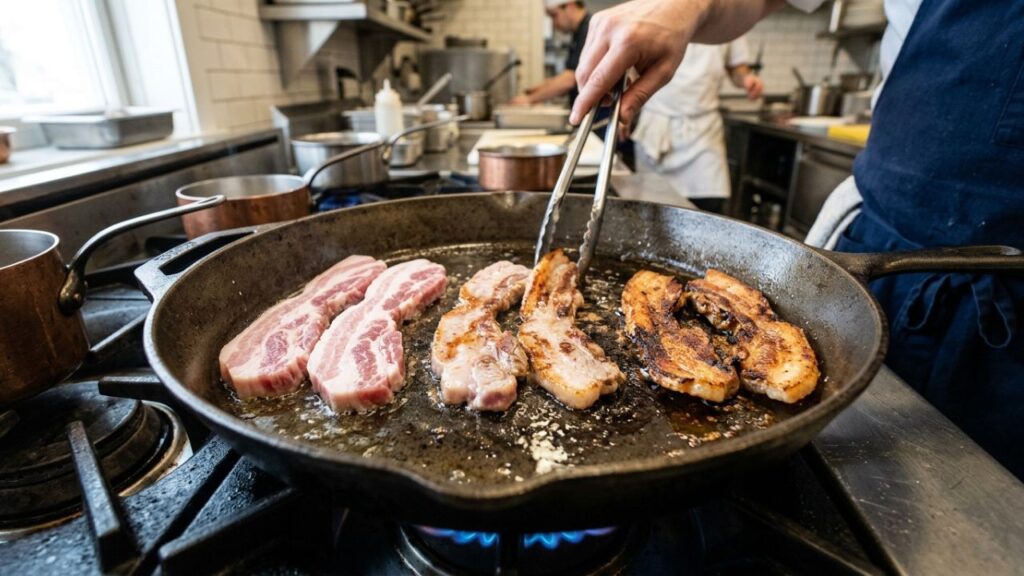
Heat a skillet over medium heat and carefully add the pork without overcrowding the pan. Cook slowly, turning the pieces occasionally as the fat renders and the outside develops a golden-brown color. For oven cooking, place the seasoned pork on a baking tray and cook at a moderate temperature until tender and lightly crisp.
Step 4
The finished side pork should have a golden-brown exterior and a tender, juicy interior. The rendered fat should appear soft and glossy rather than hard or chewy. For official guidance on safe pork cooking and handling, visit the USDA Food Safety and Inspection Service (FSIS).
Serving Suggestions for Side Pork
| Serving Suggestions | Best For |
|---|---|
| Fresh vegetables | Lightly seasoned or steamed vegetables help balance the richness of side pork. |
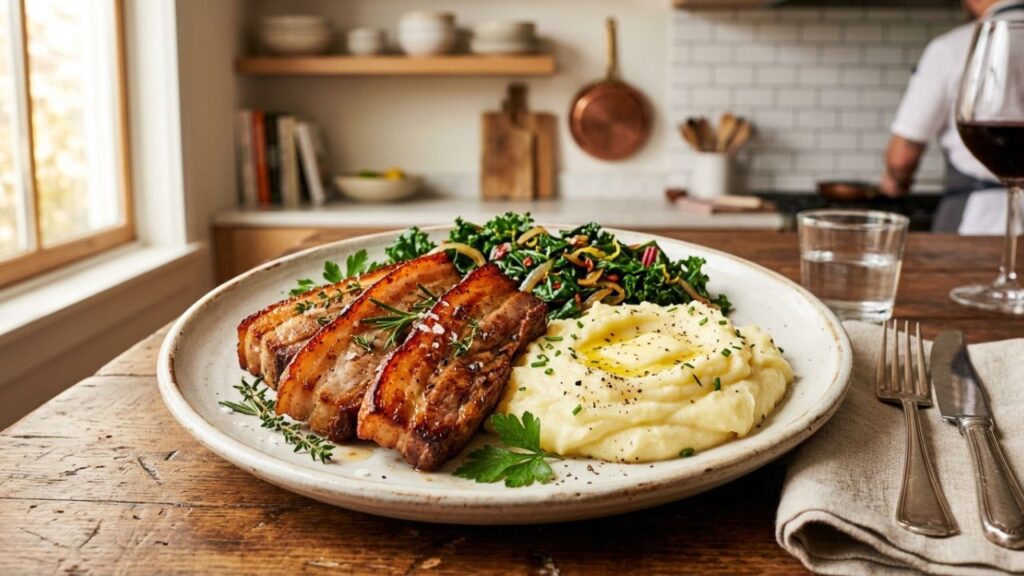
| Mashed potatoes | A creamy and comforting side that pairs well with the savory pork. |
| Plain rice | A simple, filling option that complements the deep flavor of the meat. |
| Pickles or vinegar-based salads | The acidity helps cut through the richness and refresh the palate. |
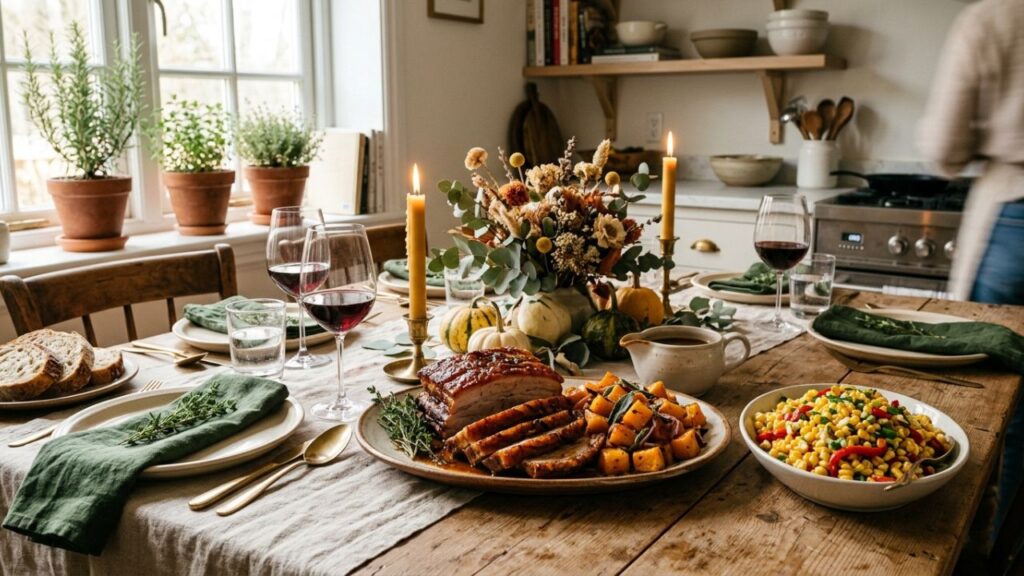
| Simple presentation | Slice the cooked pork evenly and arrange it with colorful vegetables or greens. |
| Family-style serving | Place pre-sliced pork on a shared platter alongside several side dishes for gatherings. |
| Smaller portions | Side pork is rich and filling, so moderate portions are usually enough. |
Seasonal or Occasion Variations
Leftover Ideas: Use leftover side pork in sandwiches, fried rice, soups, or stews to add extra richness and flavor.
Spring and Summer: Use lighter cooking methods such as grilling and pair side pork with fresh salads, grilled vegetables, or citrus-based sides.
Fall and Winter: Try slow-cooking or braising side pork with root vegetables or adding it to hearty stews for a warm, comforting meal.
Special Occasions: Add a simple honey, mustard, or soy-based glaze to give the pork extra depth and a festive touch.
Storage & Reheating Tips
Food Safety: Reheat leftovers to 165°F (74°C). For official USDA guidance, see the USDA Food Safety and Inspection Service (FSIS).
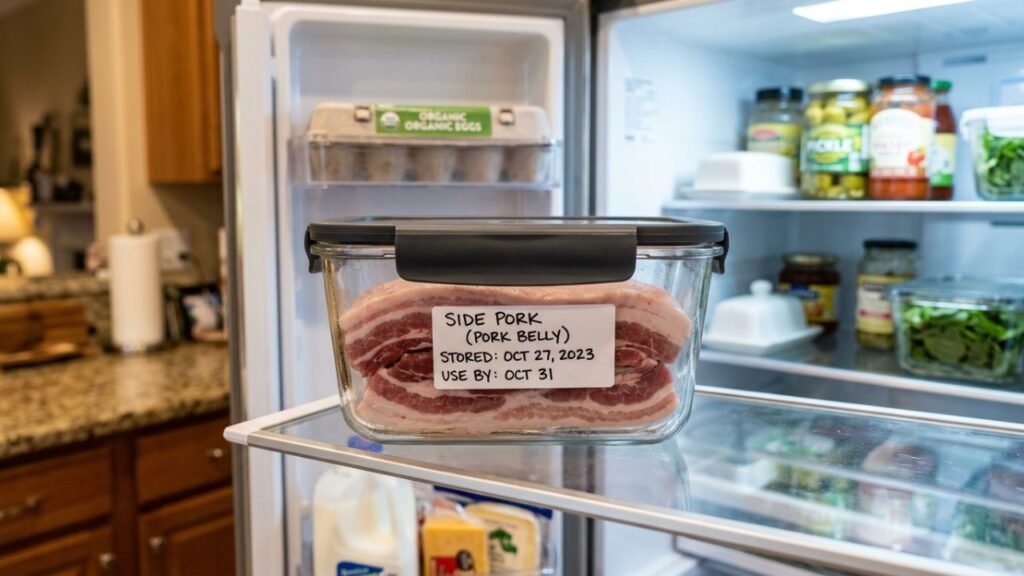
Storage: Allow cooked side pork to cool, then transfer it to an airtight container and refrigerate promptly. Use within 3–4 days for best quality.
Freezing: Cooked side pork can be frozen for longer storage. Divide it into meal-sized portions, wrap tightly, place in a freezer-safe bag or container, remove excess air, and label with the date. For best quality, use within 2–3 months.
Thawing: Thaw frozen side pork overnight in the refrigerator before reheating.
Reheating: Reheat gently in a skillet over low heat or in the oven until heated thoroughly. Avoid high heat to prevent the meat from drying out.
Common Mistakes to Avoid
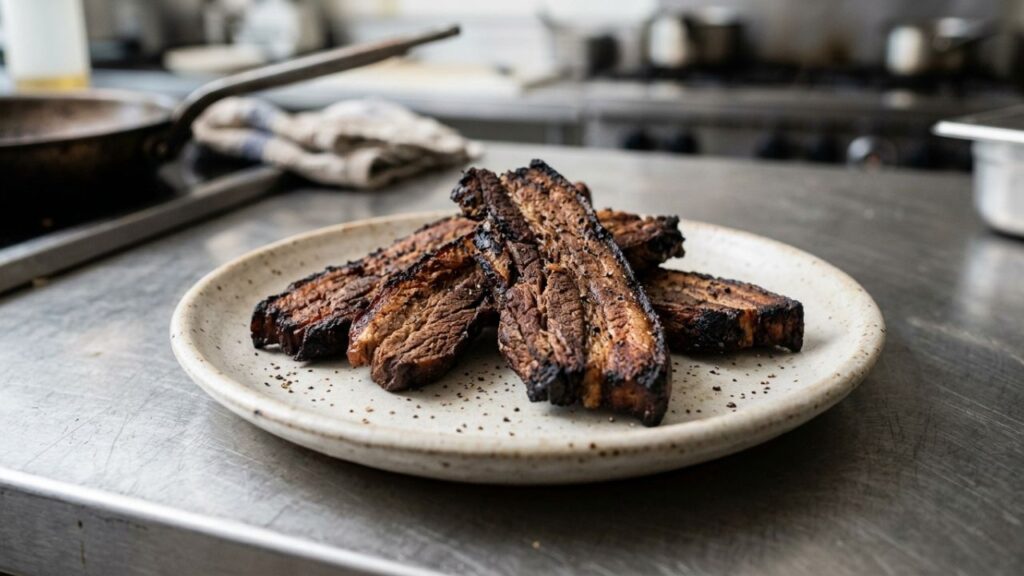
Avoid overcooking side pork by using steady, moderate heat, as excessive heat can make the meat dry and chewy. Proper seasoning and preparation are also important because fresh side pork needs enough flavor and should be patted dry before cooking for better browning. Finally, allow the pork to rest briefly after cooking so the juices can settle and the meat stays tender, moist, and flavorful.
Frequently Asked Questions
1. What is the difference between side pork and bacon?
Side pork is fresh and uncured, which means it has not been smoked or preserved with salt. Bacon, on the other hand, is cured and often smoked, giving it a stronger and more distinct flavor.
2. Do I need to marinate?
Marinating is not required, especially if you prefer a natural flavor. However, using a marinade can enhance the taste and add extra depth depending on your recipe.
3. How long should I cook it?
The cooking time varies based on the method you choose, such as pan-frying or roasting. In general, it should be cooked until the meat is tender and the fat has fully rendered.
4. Can it be grilled?
Yes, it can be grilled, but it requires careful heat control. Cooking over lower heat helps prevent burning while allowing the fat to melt properly.
5. Why is it tough?
Tough meat is usually the result of insufficient cooking time or heat that is too high. Cooking it slowly at a moderate temperature helps break down the fat and improve tenderness.
6. Can I cook it in advance?
Yes, it can be prepared ahead of time and stored for later use. When reheating, use gentle heat to maintain its texture and prevent it from drying out.
Conclusion
Cooking side pork at home is a simple and rewarding way to enjoy a rich, comforting meal with family or friends. When it is cooked with care and balanced with fresh vegetables or lighter sides, it becomes both flavorful and satisfying without feeling too heavy.