
Kurobuta sausage is a premium pork sausage made from Berkshire pigs, a breed known for its rich marbling, juicy texture, and naturally deep flavor. The combination of tender meat and balanced fat gives this sausage a richer taste than many standard varieties, making it suitable for both simple meals and more special dishes.
Kurobuta sausage can be grilled, pan-fried, sautéed, or added to hearty recipes where its savory flavor can stand out. With proper heat control and cooking time, it develops a nicely browned exterior while remaining juicy inside. It also pairs well with vegetables, rice, potatoes, sauces, and fresh herbs for a variety of homemade meals.
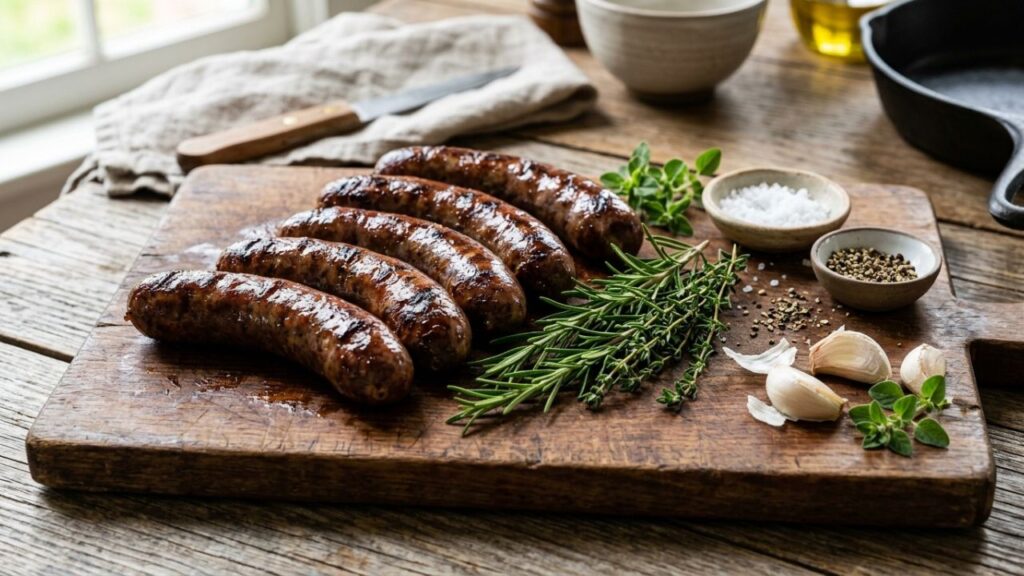
What Is Kurobuta Sausage?
Kurobuta sausage is made from Berkshire pork, a breed known for its rich marbling, tender texture, and juicy meat. The sausage typically combines finely ground pork with seasonings such as garlic, black pepper, fennel, thyme, or sage, creating a deep savory flavor with subtle sweet and herbal notes. Traditionally associated with both English Berkshire pork and the Japanese term “Kurobuta,” this premium sausage can be grilled, pan-fried, or roasted and is often enjoyed for its rich, buttery texture.
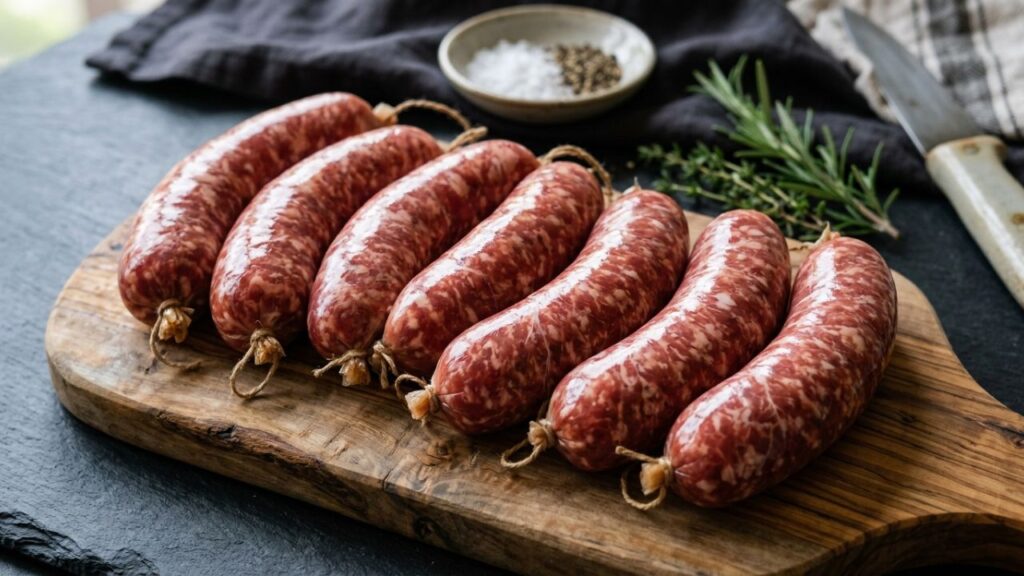
| Prep Time | Cook Time | Total Time | Servings |
|---|---|---|---|
| 5 minutes | 10–12 minutes | 15–17 minutes | 4 servings |
Ingredients
- 8 Kurobuta sausages
- 1 tablespoon olive oil
- 1 tablespoon Dijon mustard
- 1 tablespoon honey
- 1 teaspoon apple cider vinegar
- 1 teaspoon fresh thyme
- ½ teaspoon black pepper
- Fresh parsley, for serving
Ingredient Alternatives
| Ingredient | Alternative |
|---|---|
| Kurobuta sausage | Duroc or Tamworth pork sausage |
| Olive oil | Avocado oil |
| Dijon mustard | Whole-grain mustard |
| Honey | Maple syrup |
| Apple cider vinegar | White wine vinegar |
| Fresh thyme | Fresh rosemary |
| Black pepper | White pepper |
| Fresh parsley | Fresh cilantro |
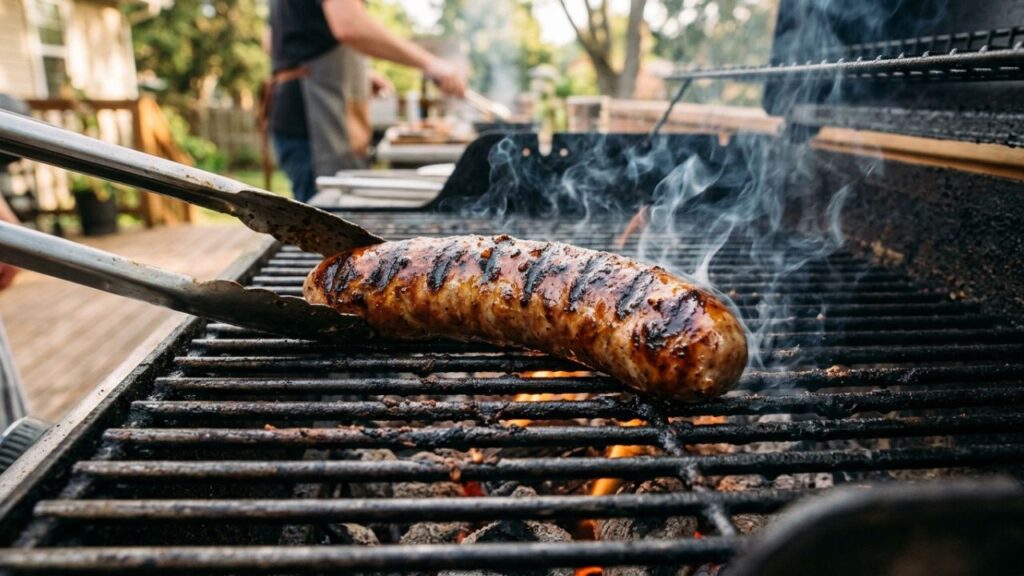
Kurobuta Sausage Cooking Method
Step 1
Remove the Kurobuta sausages from their packaging and pat them dry if needed. Avoid piercing the casing so the natural juices and fat remain inside during cooking.
Step 2
Preheat the grill to medium-high heat and place the sausages on the grates. Cook for about 6–8 minutes per side, turning occasionally, until evenly browned and the internal temperature reaches 160°F (71°C). For official food-safety guidance, follow the United States government USDA Safe Minimum Internal Temperature Chart.
Step 3
Heat a small amount of olive oil in a skillet over medium heat. Add the sausages and cook for 10–12 minutes, turning frequently so all sides brown evenly.
Step 4
Preheat the oven to 375°F (190°C) and arrange the sausages on a parchment-lined baking sheet. Roast for 25–30 minutes, turning them halfway through for even browning.
Step 5
Remove the sausages from the heat and let them rest for a few minutes before serving. This helps the juices settle and keeps the texture moist and flavorful.
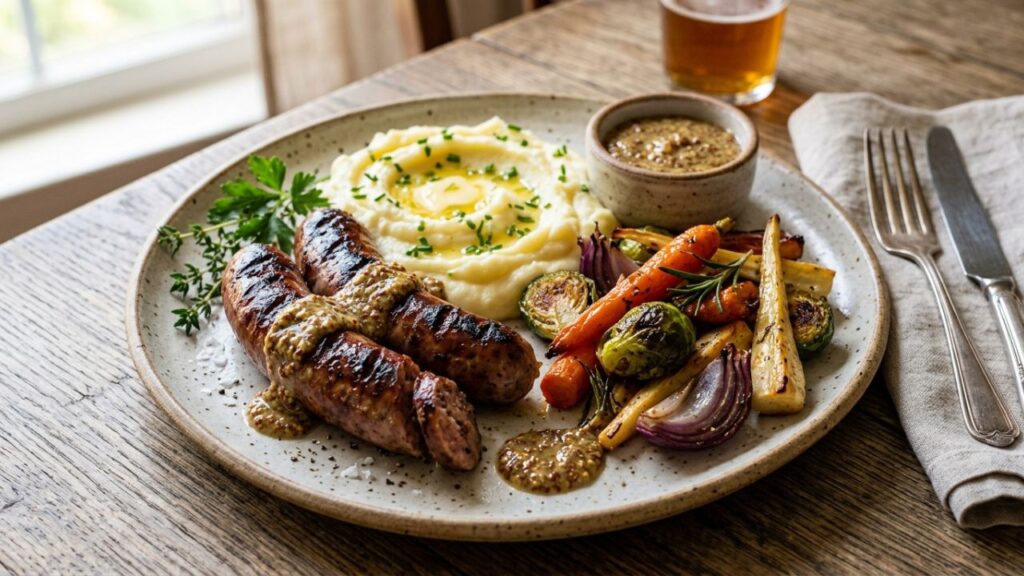
Kurobuta Sausage Serving Ideas
| Serving Option | Suggestions |
|---|---|
| Ideal Pairings | Roasted vegetables, creamy mashed potatoes, sautéed spinach or kale, and fresh apple slaw. |
| Plating Ideas | Serve whole sausages on a rustic board, or slice them and arrange over colorful vegetables or creamy polenta. |
| Gatherings | Add to a charcuterie-style spread with mustard, pickles, and fresh bread, or serve in sausage-and-peppers dishes and pasta. |
| Portion Tips | 1–2 sausages per person is generally a satisfying serving. Slice them when serving a larger group or adding them to soups and stews. |
| Drink Pairings | A crisp white wine or another refreshing beverage can complement the sausage’s rich, savory flavor. |
Seasonal or Occasion Variations
Leftover Ideas: Chop leftover sausage into breakfast hash, frittatas, pasta dishes, or rice bowls for a quick second meal.
Spring & Summer: Grill Kurobuta sausage and serve it with fresh seasonal salads, grilled vegetables, or a tangy vinaigrette.
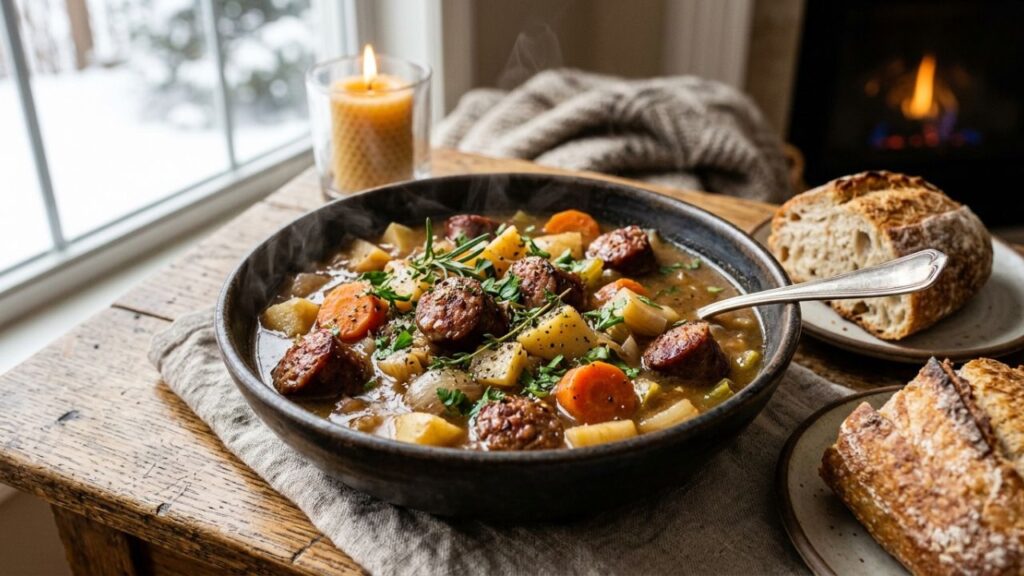
Fall & Winter: Add it to hearty stews, casseroles, soups, or braised dishes for a rich and comforting meal.
Holidays: Include sliced sausage on a charcuterie board or serve it alongside roasted meats and seasonal sides.
Casual Meals: Pair it with baked beans, pasta, rice, or simple vegetables for an easy everyday meal.
Storage & Reheating Tips
Storage Time: Keep cooked sausage refrigerated for 3–4 days or freeze it for longer storage while maintaining proper packaging.
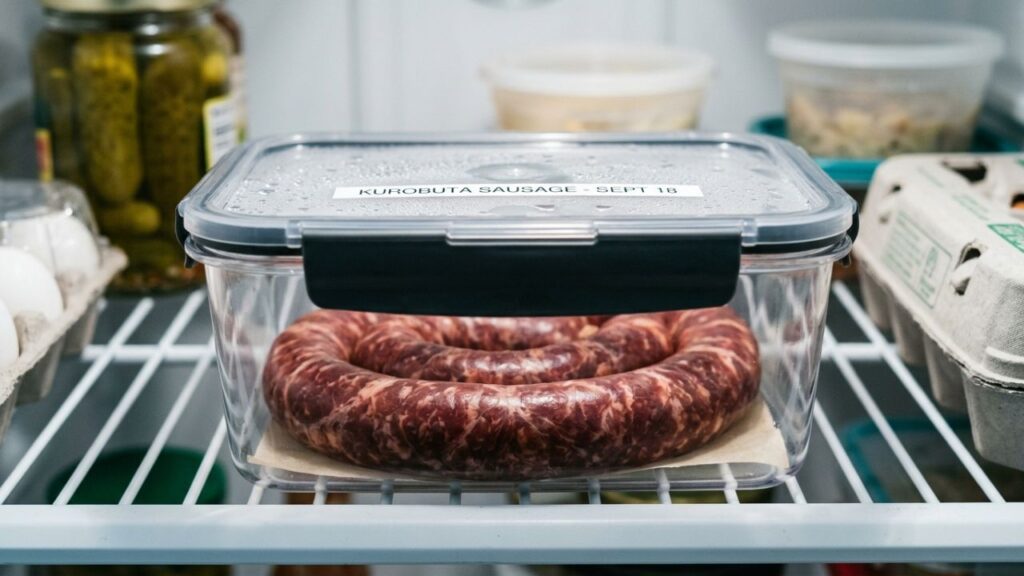
Proper Storage: Store leftover Kurobuta sausage in an airtight container and refrigerate it promptly. For best quality, use refrigerated leftovers within 3–4 days. For safe handling and storage, follow the official website of the United States government USDA Leftovers and Food Safety.
Freezing: Wrap sausages tightly in freezer-safe packaging and place them in a freezer bag or container. Label with the date and thaw overnight in the refrigerator before reheating.
Reheating: Warm the sausages gently in a skillet over low heat or in an oven at 350°F (175°C) until heated through. This helps maintain their moisture and texture.
Food Safety: For raw sausage, cook to an internal temperature of 160°F (71°C). When reheating leftovers, heat them to 165°F (74°C) for safe serving.
Common Mistakes to Avoid
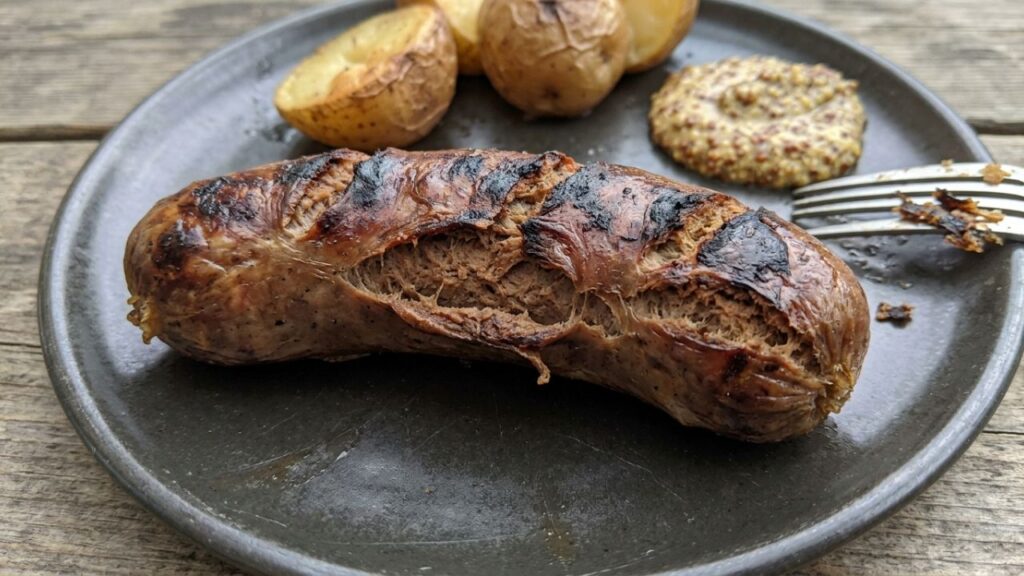
Avoid overcooking Kurobuta sausage, as excessive heat can reduce its naturally juicy and tender texture. Using too much seasoning may also overpower the sausage’s rich pork flavor, so keep the seasoning balanced. After cooking, let the sausages rest for a few minutes so the juices can settle and the texture remains moist and flavorful.
Frequently Asked Questions
1. What makes Kurobuta sausage different from regular sausage?
Kurobuta sausage is made from Berkshire pork, which has more marbling, making it juicier and more flavorful than regular sausage.
2. Can I Use This Sausage in Regular Sausage Recipes?
Absolutely! Kurobuta sausage can be substituted for regular sausage in most recipes, but it will add a richer flavor and a more tender texture.
3.How Do I Cook This Sausage for the Best Results?
The best way to cook Kurobuta sausage is by grilling, pan-frying, or roasting it. Each method brings out its natural juiciness and rich flavor.
4. Is Kurobuta sausage good for meal prep?
Yes! Kurobuta sausage is great for meal prep. It holds up well when refrigerated and can be reheated easily without losing its flavor.
5. How can I use leftover Kurobuta sausage?
Leftover Kurobuta sausage can be added to breakfast hashes, pasta dishes, or used in sandwiches for an easy and delicious meal.
6. Can I freeze Kurobuta sausage?
Yes, you can freeze Kurobuta sausage for up to 3 months. Just make sure to wrap it tightly to prevent freezer burn.
Conclusion
Cooking with Kurobuta sausage at home is a satisfying way to create rich, flavorful meals that bring family and friends together. By balancing the sausage with fresh vegetables and pairing it with simple sides, you ensure every bite is both indulgent and satisfying.