How Can You Cook with Kurobuta Sausage for Maximum Flavor?

When it comes to high-quality, flavorful meats, few ingredients compare to Kurobuta sausage. Made from Berkshire pigs, which are known for their rich marbling and tender texture, Kurobuta sausage brings a whole new level of taste to your cooking. Whether you’re grilling, sautéing, or incorporating it into hearty stews, this premium sausage can elevate a wide range of dishes.

As a home cook, I’ve found Kurobuta sausage to be an absolute treat to work with. Its balance of savory, slightly sweet, and umami flavors makes it a versatile ingredient for various meals, from simple breakfasts to sophisticated dinner parties. Plus, its texture—juicy yet firm—provides a satisfying bite that pairs wonderfully with a variety of sides and sauces. How Can You Cook Mangalitsa Pork to Bring Out Its Full Flavor?

In this guide, we’ll explore everything you need to know about cooking with Kurobuta sausage. From understanding its flavor profile to practical tips on preparation and storage, this article will give you the tools you need to fully enjoy this unique and delicious ingredient.

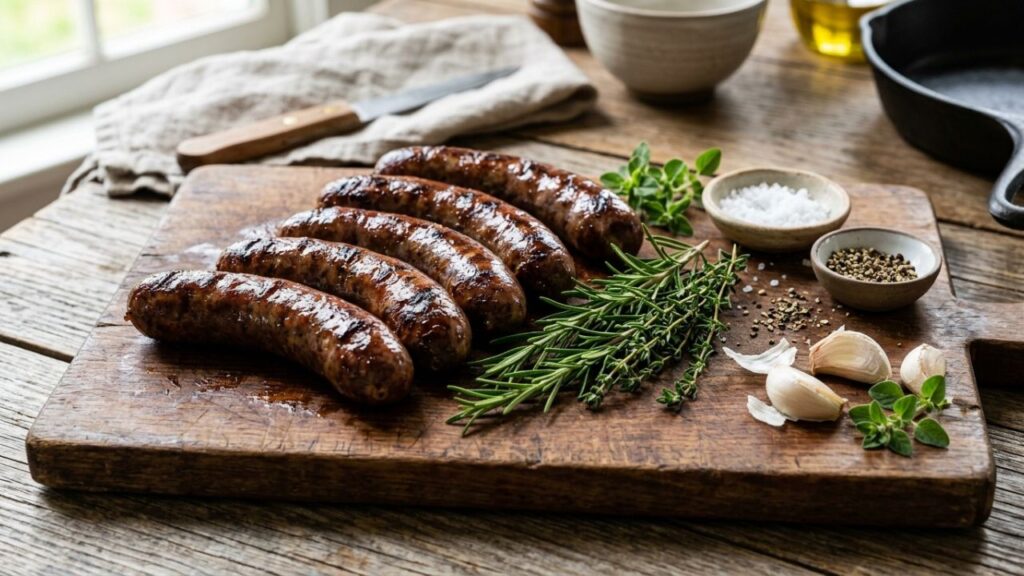
Kurobuta sausages with herbs on a cutting board
Made from Berkshire pigs, known for rich, succulent flavor

What Is Kurobuta Sausage?

Kurobuta sausage is made from the meat of Berkshire pigs, an ancient breed originating in England. These pigs are renowned for their marbled fat, which results in tender, juicy meat with a distinctive flavor. In the case of sausage, the rich pork flavor is complemented by carefully selected seasonings and spices, resulting in a savory product that is both satisfying and indulgent.

Dr. Emily Carter, a registered dietitian, advises enjoying Kurobuta sausage in moderation due to its high-fat content. “While it’s packed with protein and essential vitamins, balance is key,” she explains. Pairing it with fresh vegetables can help create a well-rounded, nutritious meal. 

Key Ingredients

The ingredients for Kurobuta sausage can vary, but common seasonings include garlic, black pepper, fennel seeds, thyme, and sometimes sage. The meat itself is finely ground, making it perfect for a range of cooking methods, from grilling to pan-frying.

Cultural or Culinary Background

Berkshire pigs have a long history in both England and Japan (where the breed is known as “Kurobuta,” meaning “black pig”). The sausages made from this pork are considered a delicacy in various countries, especially in Europe and Asia. Their unique marbling creates an exceptional sausage that’s richer and juicier than other varieties, which is why it’s often favored by chefs and home cooks alike.

Flavor Profile

Kurobuta sausage has a deep, rich flavor with a perfect balance of sweet, savory, and slightly nutty notes. The pork’s high marbling gives it a buttery mouthfeel, making it far more succulent than conventional sausages. The seasonings used in the sausage provide a subtle herbaceous background, but the natural taste of the pork is always the star.

How It’s Traditionally Prepared

While the preparation methods can vary, Kurobuta sausage is often grilled, pan-fried, or roasted. It can be used as the star of a dish or incorporated into more complex meals, such as pasta or risotto. Regardless of the method, Kurobuta sausage is best enjoyed when cooked to perfection, allowing the flavors to develop and the juices to be released.

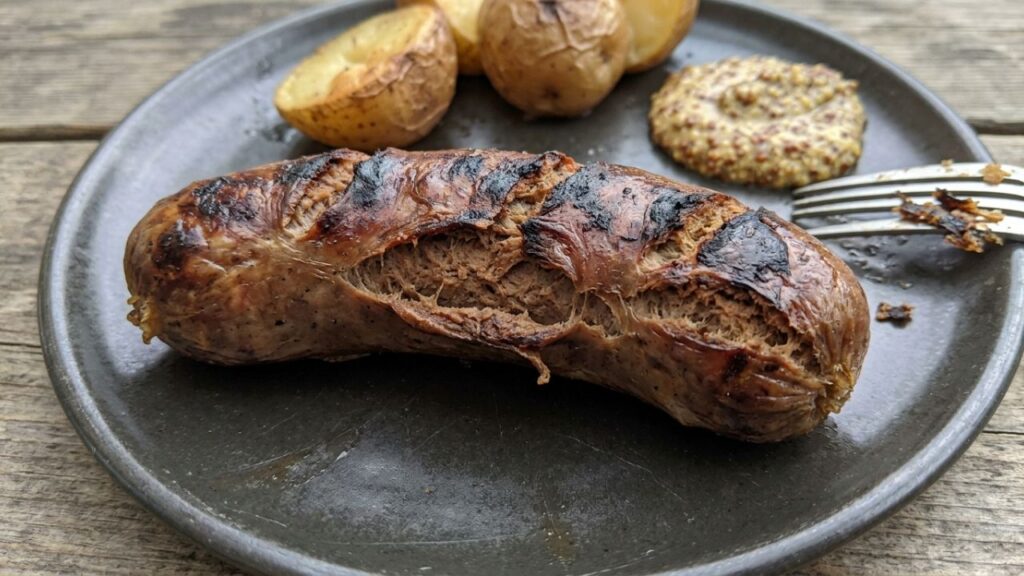
Grilled Kurobuta sausage with golden brown exterior.
Perfect for grilling, pan-frying, or roasting with great flavor.

Why Kurobuta Sausage Works So Well

Flavor Balance

One of the most appealing aspects of Kurobuta sausage is its ability to balance multiple flavors. The natural sweetness of the pork harmonizes with savory seasonings like garlic and pepper, while the slightly fatty texture ensures that each bite is satisfying. Its umami-rich profile makes it a perfect addition to a wide variety of dishes, enhancing the overall flavor without overwhelming it.

Texture Contrast

The texture of Kurobuta sausage is another standout feature. The finely ground meat, combined with the marbled fat, results in a sausage that is juicy and tender yet firm enough to hold its shape when cooked. Whether you’re grilling it or slicing it for a pasta, it maintains a delightful bite that makes each dish feel hearty and substantial.

Nutritional Value

While Kurobuta sausage is indulgent due to its rich fat content, it does offer some nutritional benefits. Pork is a good source of protein, essential vitamins (like B12), and minerals (such as iron and zinc). The quality of Kurobuta pork also tends to be superior, meaning it’s more flavorful and likely raised in healthier conditions than many mass-produced sausages.

Cooking Techniques Involved

Kurobuta sausage can be prepared using a variety of techniques, each bringing out a different aspect of its flavor and texture. Grilling imparts a smoky char, while pan-frying caramelizes the sausage and crisps the skin. Slow roasting helps the sausage retain its juices and develop a deeper, more concentrated flavor. Each method is effective depending on your desired result.

How It Fits Into Everyday Meals

Kurobuta sausage is an incredibly versatile ingredient. It’s suitable for both casual family dinners and more formal gatherings. Use it for breakfast with scrambled eggs, pair it with mashed potatoes for a hearty dinner, or add it to soups and stews for extra flavor. It’s perfect for any meal that calls for rich, flavorful protein.

Kurobuta sausage with veggies
Rich in protein and essential nutrients

Health Benefits of Kurobuta Sausage

Kurobuta sausage is not only delicious but also offers several nutritional benefits. While it’s a richer option due to its higher fat content, it provides essential nutrients that contribute to a balanced diet when enjoyed in moderation.

Protein Content

Kurobuta sausage is a great source of protein, which is crucial for muscle building, tissue repair, and overall body function.

Vitamins and Minerals

This premium sausage contains vital vitamins like B12 and important minerals such as iron and zinc, which are essential for energy production and a healthy immune system.

Fat Profile

While higher in fat compared to leaner cuts, Kurobuta sausage’s fat is well-marbled, which enhances its flavor and tenderness. The key is moderation, balancing indulgence with nutrient-dense foods.

Health Considerations

Due to its rich fat content, Kurobuta sausage should be enjoyed as part of a well-rounded diet rather than consumed regularly. Opt for smaller portions or pair it with lighter, vegetable-forward dishes to balance out the richness.

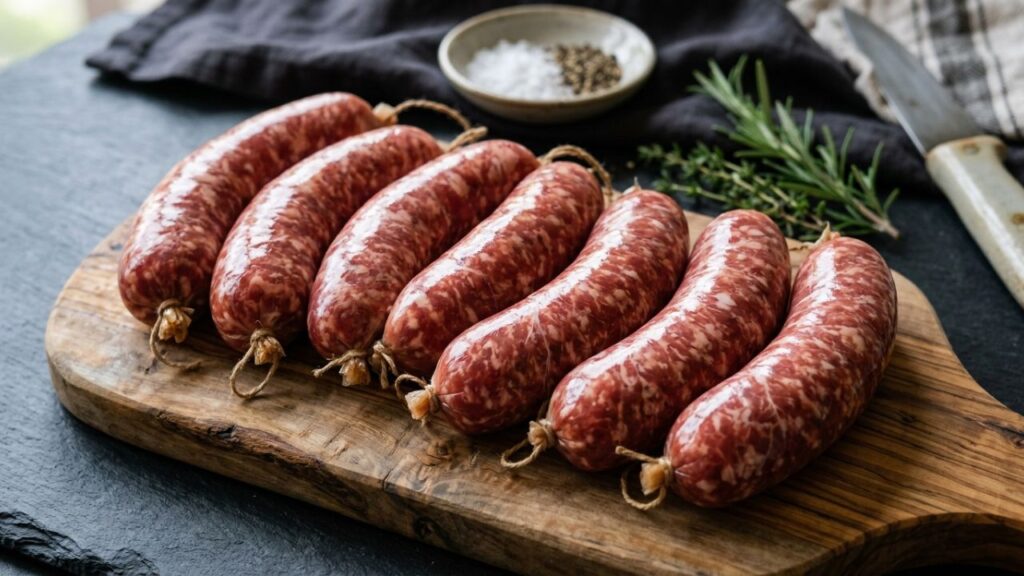
High-quality Kurobuta sausages showcasing firm texture
Look for sausages made from 100% Berkshire pork for best results

Kurobuta Sausage for Ingredients Guide

Quality Indicators

When shopping for Kurobuta sausage, quality is key. Look for sausages made from 100% Berkshire pork for the best flavor and texture. The sausage should feel firm yet tender to the touch, with a slightly glossy appearance that indicates freshness. A high-quality sausage will have a well-balanced mix of meat and fat, which is crucial for achieving that melt-in-your-mouth texture.

Ingredient Substitutions

If you can’t find Kurobuta sausage, consider substituting with other high-quality sausages, such as those made from heritage breeds like Duroc or Tamworth pigs. These sausages offer a similar richness, although they may not have the same level of marbling.

Seasonal Considerations

Kurobuta sausage is available year-round, but the best time to enjoy it is during cooler months, when its rich flavors pair perfectly with hearty, comforting dishes. It also works wonderfully in holiday meals, such as Thanksgiving or Christmas, when you’re looking for a special ingredient to elevate your menu.

Budget-Friendly Alternatives

While Kurobuta sausage can be on the pricier side, you can still enjoy a similar flavor profile with more affordable sausages made from well-raised pork. Look for sausages labeled “heritage breed” or “pasture-raised” for a more budget-friendly yet still high-quality option.

Pantry Staples That Enhance the Dish

To elevate your Kurobuta sausage dishes, keep a few pantry staples on hand, such as mustard, honey, fresh herbs, and high-quality vinegars. These ingredients can help balance the richness of the sausage and add layers of flavor to your meals.

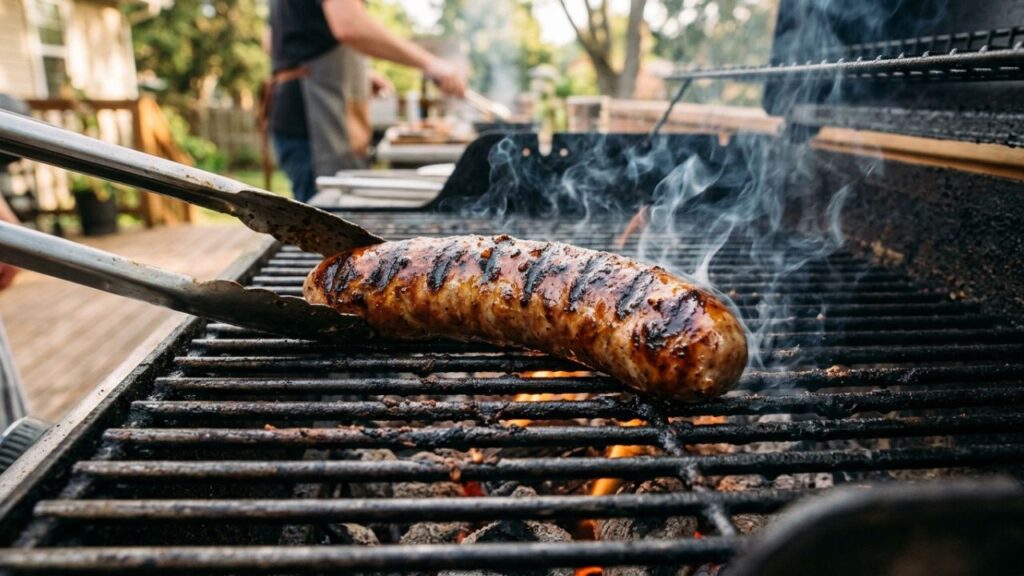
Grilled sausage with smoky char marks and a juicy, tender interior.
Grilling brings out a smoky char, enhancing flavor and texture.

Kurobuta Sausage Cooking Method

Grilling Kurobuta Sausage

Preheat your grill to medium-high heat. Place the sausages on the grill and cook for 6–8 minutes on each side, turning occasionally to ensure even cooking. The sausages are done when they are golden brown and the internal temperature reaches 160°F (71°C). How to Make the Most of Half Beef in Recipes.

Pan-frying Kurobuta Sausage

Heat a little olive oil in a skillet over medium heat. Add the sausages and cook for about 10–12 minutes, turning frequently to ensure all sides are crisped and browned. Remove from the pan and let rest for a few minutes before serving.

Roasting Kurobuta Sausage

Preheat your oven to 375°F (190°C). Place the sausages on a baking sheet lined with parchment paper. Roast for 25–30 minutes, turning halfway through. The sausages should be golden and cooked through.

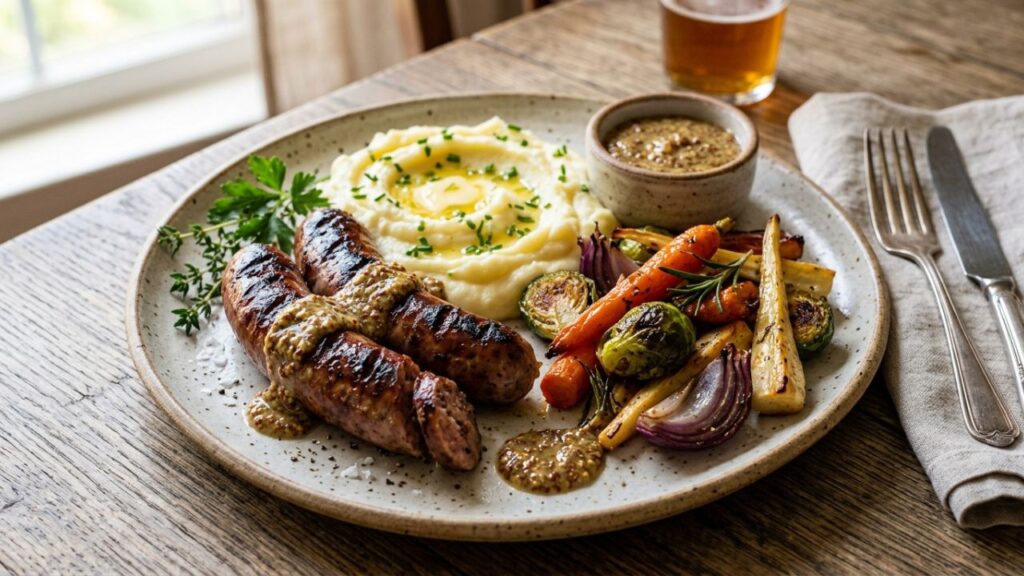
Grilled sausage served with roasted vegetables and creamy mashed potatoes
Pair with roasted vegetables and mashed potatoes for a balanced meal

Kurobuta Sausage Serving Ideas

Ideal Pairings

Kurobuta sausage pairs wonderfully with a variety of sides, including:

  • Roasted vegetables
  • Creamy mashed potatoes
  • Sautéed greens like spinach or kale
  • Fresh apple slaw

For drinks, try a light beer or a crisp white wine like Sauvignon Blanc, which complements the sausage’s richness.

Plating Ideas

Serve Kurobuta sausage on a rustic wooden board for a more casual, family-style presentation. For a more refined look, slice the sausages and plate them with a colorful vegetable medley or atop a bed of creamy polenta.

How to Serve for Gatherings

For larger gatherings, Kurobuta sausage works beautifully in a charcuterie-style spread, served with mustard, pickles, and fresh bread. It also shines in dishes like sausage and peppers or sausage pasta.

Portion Tips for Small Households

Kurobuta sausage is rich and hearty, so one or two sausages per person is usually plenty. Slice them thinly if you’re serving multiple people, or use them in smaller dishes like soups or stews.

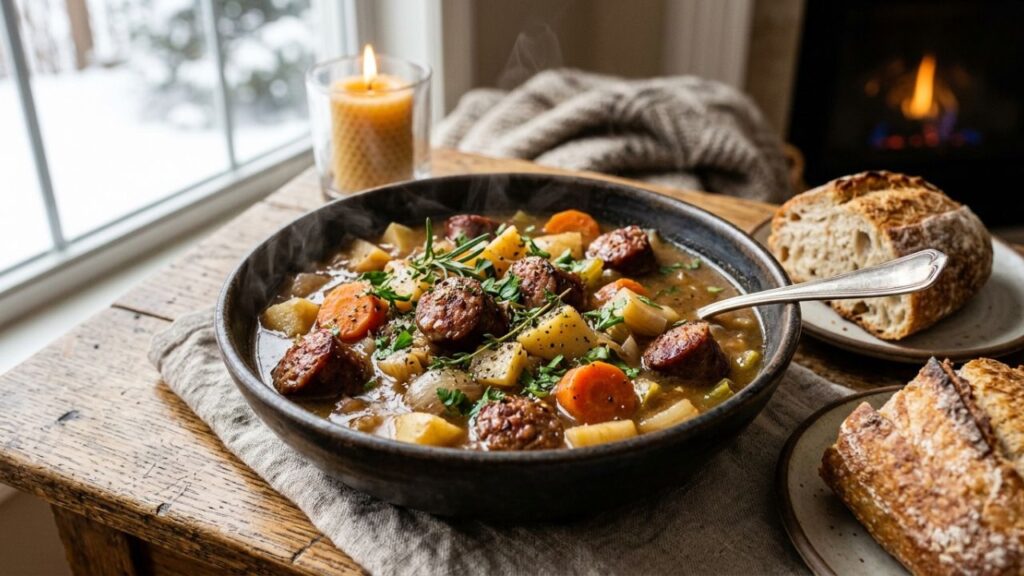
In a hearty winter stew with root vegetables and fresh herbs.
Kurobuta sausage shines in stews, perfect for colder months

Seasonal or Occasion Variations

Spring/Summer Adjustments

During warmer months, Kurobuta sausage shines when grilled and paired with fresh, seasonal salads or grilled vegetables. A tangy vinaigrette complements its richness perfectly.

Fall/Winter Comfort Variations

In colder months, consider using Kurobuta sausage in stews or casseroles. Its rich flavor adds depth to hearty soups and braises, making it the ideal comfort food.

How to Adapt for Holidays or Casual Meals

For holiday meals, serve it on a charcuterie board or alongside roasted meats. For casual meals, pair with quick sides like baked beans or simple pasta dishes for a balanced, flavorful meal.

Ways to Refresh Leftovers Creatively

Leftover Kurobuta sausage can be used in breakfast hash, added to a frittata, or incorporated into a hearty pasta dish for lunch.

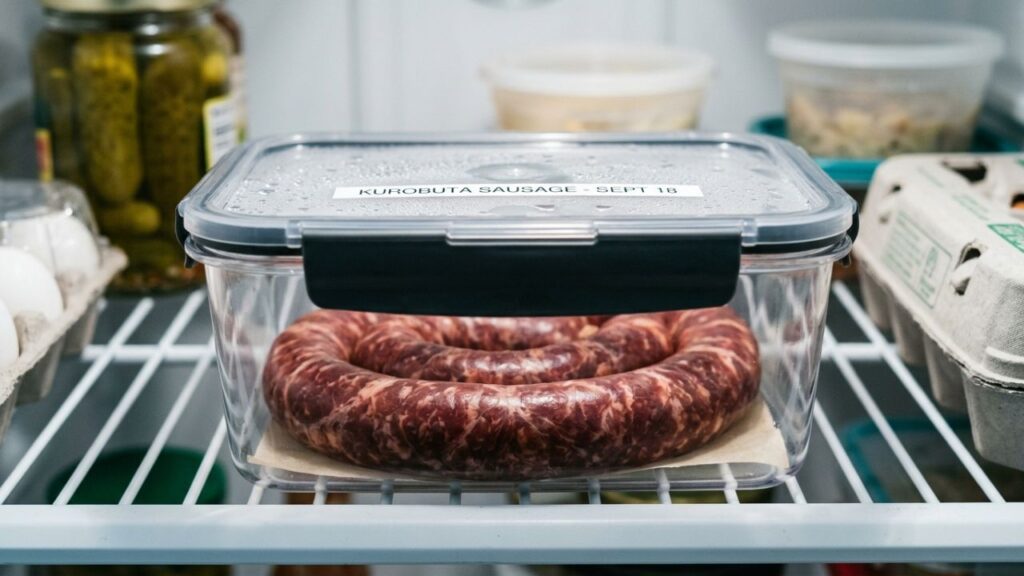
Cooked meat stored in an airtight container to maintain freshness.
Store in an airtight container for up to 3 days in the fridge.

Storage & Reheating Tips

Proper Storage Methods

Store leftover sausage in an airtight container in the fridge for up to 3 days. For longer storage, wrap it tightly and freeze for up to 3 months to maintain freshness.

Refrigeration and Freezing Guidance

If freezing, wrap the sausages tightly in plastic wrap or aluminum foil, then place them in a freezer-safe bag. Thaw them overnight in the fridge before reheating.

Best Reheating Methods

To reheat, place the sausages in a skillet over low heat or warm them in the oven at 350°F (175°C) until heated through. This ensures the sausage retains its juicy texture and flavor.

Food Safety Tips

Always ensure that sausages are cooked to an internal temperature of 160°F (71°C) to ensure they are safe to eat. This helps prevent any foodborne illness while preserving the flavor and quality of the sausage.

How Long It Keeps

Cooked sausage can be stored in the refrigerator for up to 3 days and frozen for up to 3 months. Make sure to store it properly in airtight containers to maintain freshness.

Overcooked meat showing a dry texture and lack of juiciness
Avoid overcooking to retain tenderness and flavor.

Common Mistakes to Avoid

Overcooking Kurobuta Sausage

Kurobuta sausage is known for its rich, juicy texture, which shines when cooked properly. Overcooking it can cause the sausage to lose its tenderness, making it dry and less flavorful. To preserve its succulent qualities, it’s essential to cook it to the perfect level of doneness.

Incorrect Seasoning

Don’t overpower the natural flavors of the sausage with excessive spices. A little goes a long way, so keep the seasoning balanced to enhance the pork’s richness.

Skipping Resting Time

Let the sausages rest for a few minutes after cooking to allow the juices to redistribute, keeping the meat moist and tender.

Texture Issues

If the sausages are too dry, they may have been overcooked. Ensure they are cooked gently to retain their moisture and tenderness.

Frequently Asked Questions

1. What makes Kurobuta sausage different from regular sausage?

Kurobuta sausage is made from Berkshire pork, which has more marbling, making it juicier and more flavorful than regular sausage.

2. Can I Use This Sausage in Regular Sausage Recipes?

Absolutely! Kurobuta sausage can be substituted for regular sausage in most recipes, but it will add a richer flavor and a more tender texture.

3.How Do I Cook This Sausage for the Best Results?

The best way to cook Kurobuta sausage is by grilling, pan-frying, or roasting it. Each method brings out its natural juiciness and rich flavor.

4. Is Kurobuta sausage good for meal prep?

Yes! Kurobuta sausage is great for meal prep. It holds up well when refrigerated and can be reheated easily without losing its flavor.

5. How can I use leftover Kurobuta sausage?

Leftover Kurobuta sausage can be added to breakfast hashes, pasta dishes, or used in sandwiches for an easy and delicious meal.

6. Can I freeze Kurobuta sausage?

Yes, you can freeze Kurobuta sausage for up to 3 months. Just make sure to wrap it tightly to prevent freezer burn.

Conclusion

Cooking with Kurobuta sausage at home is a satisfying way to create rich, flavorful meals that bring family and friends together. By balancing the sausage with fresh vegetables and pairing it with simple sides, you ensure every bite is both indulgent and satisfying.

I’m not a nutritionist, but if you’re looking for more advice on making your meals healthier while maintaining flavor, experts like Dr. Emily Carter, can offer great insights. For more tips on creating balanced and flavorful dishes, explore our Healthy Eating Guides for inspiration and practical ideas.


About the Author

Oliver Brooks is a home cook and passionate food blogger who loves helping readers discover new ingredients and cooking techniques. When he’s not in the kitchen, he enjoys exploring local farmers’ markets and experimenting with seasonal produce. 

Leave a Comment

Your email address will not be published. Required fields are marked *

Scroll to Top