
Cooking a Pikes Peak Roast at home is a hearty and satisfying experience that combines rich beef flavor with a tender, juicy texture. It is a comforting choice for family dinners, weekend meals, and special gatherings. With simple seasonings and slow cooking, this flavorful roast can become the centerpiece of a delicious homemade meal.
Its appeal comes from the easy preparation and inviting presentation, making it suitable for both casual and festive occasions. The golden-brown crust, savory aroma, and tender interior create a warm and comforting dining experience. Whether served with roasted vegetables or creamy mashed potatoes, Pikes Peak Roast brings classic homemade flavor to the table.
What Is Pikes Peak Roast?
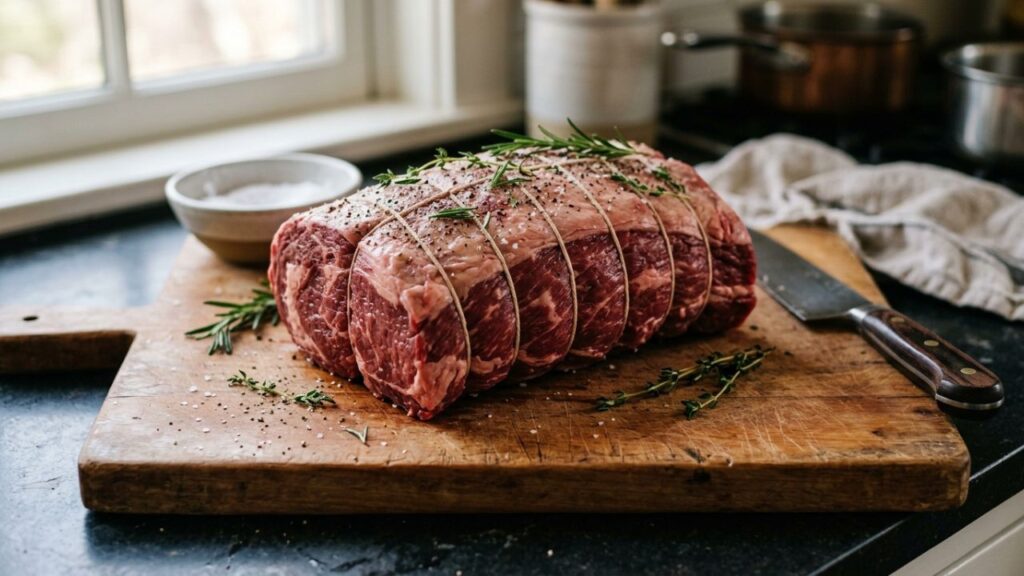
Pikes Peak Roast is a flavorful beef roast, usually taken from the shoulder or chuck area, known for its rich marbling and robust taste. It is seasoned with garlic, herbs, onions, olive oil, salt, and pepper, then seared and slow-cooked until tender. The slow roasting creates a delicious caramelized crust while keeping the inside juicy and soft. It is often served with root vegetables and savory sauce, making it a comforting family meal.
| Prep Time | Cook Time | Total Time | Servings |
|---|---|---|---|
| 15 minutes | 3 hours | 3 hours 15 minutes | 6 servings |
Ingredients
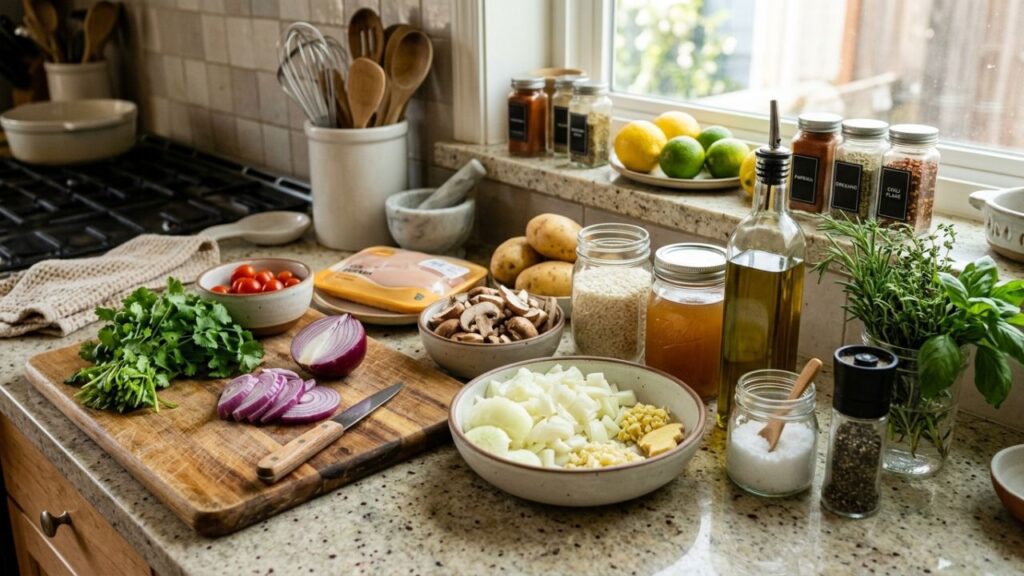
- 3–4 lb Pikes Peak Roast
- 2 tablespoons olive oil
- 1 teaspoon salt
- 1 teaspoon black pepper
- 1 teaspoon garlic powder
- 1 teaspoon smoked paprika
- 1 teaspoon dried thyme
- 1 teaspoon dried rosemary
- 1 medium onion, sliced
- 4 cloves garlic, minced
- 3–4 carrots, chopped
- 3–4 potatoes, chopped
- 2 cups beef broth
- 1 tablespoon Dijon mustard
Ingredient Alternatives
| Ingredient | Alternative |
|---|---|
| Pikes Peak Roast | Chuck roast or shoulder roast |
| Olive oil | Vegetable oil |
| Black pepper | White pepper |
| Garlic powder | Fresh minced garlic |
| Smoked paprika | Regular paprika |
| Dried thyme | Fresh thyme |
| Dried rosemary | Fresh rosemary |
| Onion | Shallots |
| Carrots | Parsnips |
| Potatoes | Sweet potatoes or baby potatoes |
| Beef broth | Chicken broth |
| Dijon mustard | Yellow mustard |
Step-by-Step Cooking Method
Step 1
Remove the Pikes Peak Roast from the refrigerator and pat it dry with paper towels. Season it evenly with salt, black pepper, garlic powder, paprika, thyme, and rosemary.
Step 2
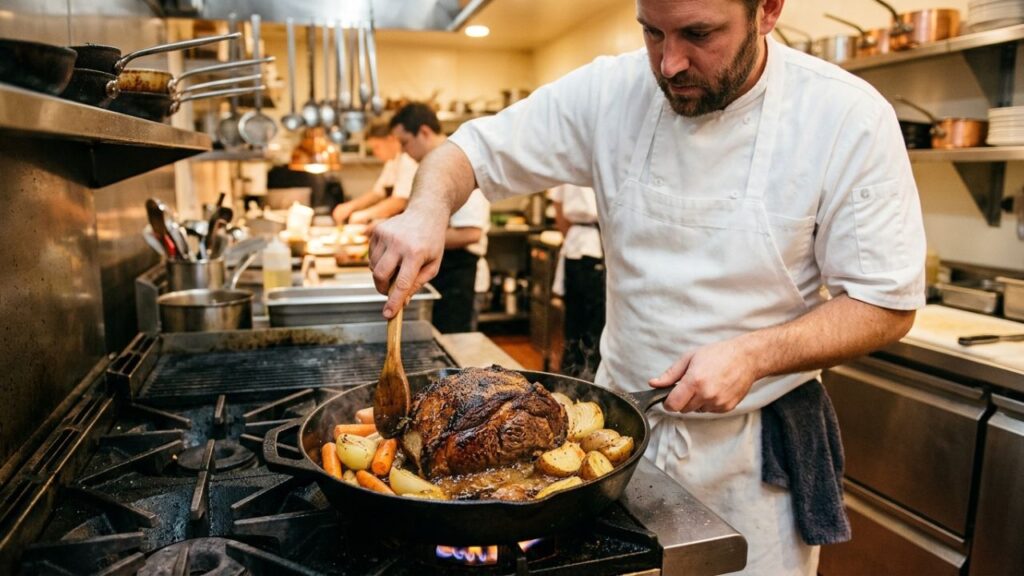
Heat olive oil in a heavy skillet or Dutch oven over medium-high heat. Sear the roast on all sides until a golden-brown crust forms. Add the onions and garlic for extra flavor.
Step 3
Preheat the oven to 325°F (163°C). Add the beef broth, carrots, and potatoes to the roasting pan. Cover and cook slowly until the roast is tender and reaches a safe internal temperature. For accurate food-safety temperatures, refer to the USDA Safe Minimum Internal Temperature Chart.
Step 4
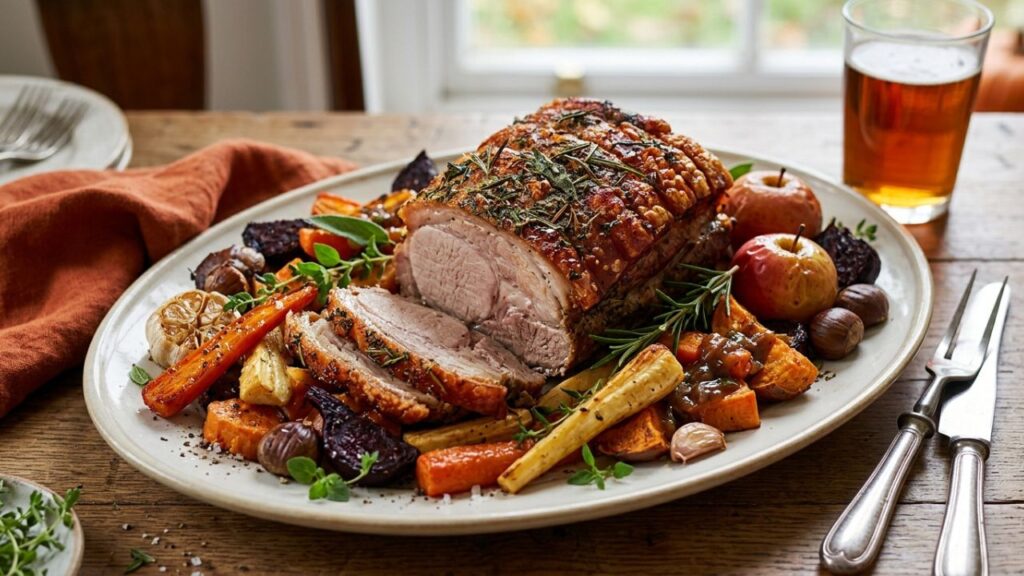
Remove the roast from the oven and loosely cover it with foil. Let it rest for 15–20 minutes before slicing. Serve warm with the roasted vegetables and pan juices.
Serving Suggestions
| Serving Suggestions | Best For |
|---|---|
| Roasted or mashed potatoes | A comforting side that pairs well with the rich, tender roast. |
| Green beans | A fresh and crisp option that balances the hearty beef. |
| Carrots | A naturally sweet side that adds color and flavor to the meal. |
| Brussels sprouts | A savory roasted vegetable that complements the beef beautifully. |
| Pan juices or light gravy | Adds extra moisture and rich flavor to each slice. |
| Family-style presentation | Slice the roast and arrange it with vegetables on a large serving platter. |
| Leftovers | Use leftover roast in sandwiches, salads, or soups for another easy meal. |
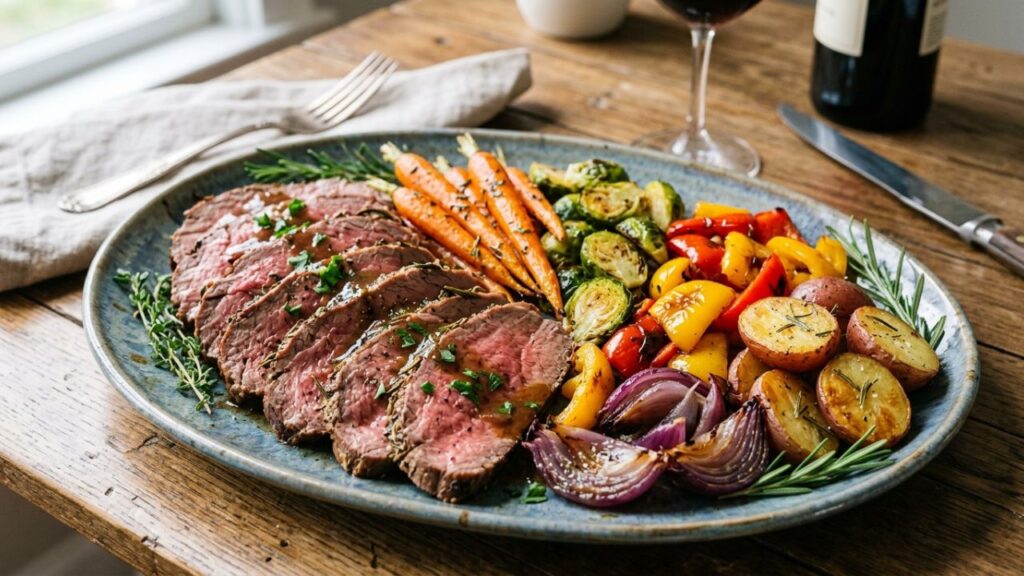
Seasonal and Occasion Variations
Refreshing Leftovers: Use thin slices in sandwiches or wraps, or add chopped leftovers to soups and stews for an easy weeknight meal.
Spring and Summer: Use lighter vegetables such as zucchini, bell peppers, or asparagus. Add a touch of lemon for a fresh, bright flavor.
Fall and Winter: Include root vegetables like sweet potatoes, parsnips, or carrots. Rich sauces and gravies work especially well.
Holiday Adjustments: Add warming spices such as smoked paprika or a hint of clove. Serve with cranberry or apple chutney for a festive touch.
Storage and Reheating
Food Safety: Reheat leftovers to an internal temperature of 165°F. For official food-safety guidance, see the USDA Food Safety and Inspection Service (FSIS).
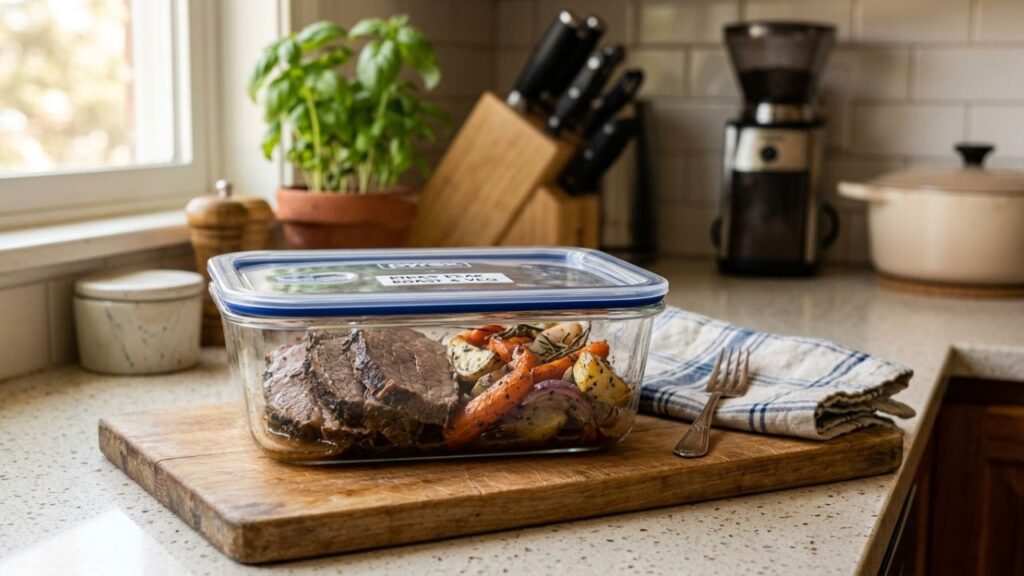
Storage Guidance: Refrigerate cooked roast within 2 hours in an airtight container. Use within 4 days for best quality.
Freezing Tips: Cool the roast before wrapping it tightly in foil or placing it in a freezer-safe bag. Label with the date and freeze for up to 3 months.
Thawing: Thaw frozen roast safely in the refrigerator overnight before reheating.
Reheating Tips: Reheat in a 300°F oven, covered with foil, to help retain moisture. For quicker reheating, use the microwave on medium power and cover the meat.
Common Mistakes to Avoid
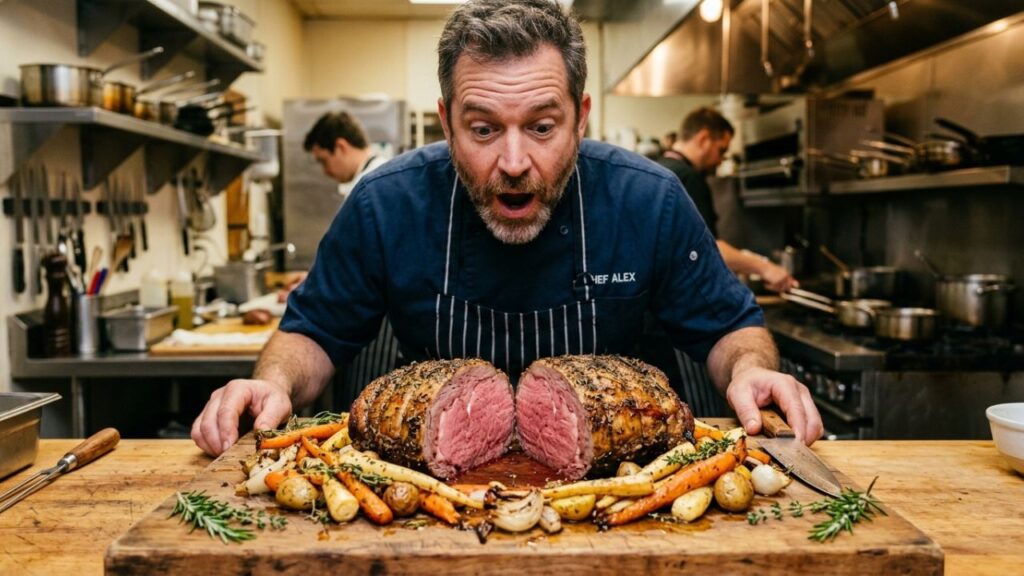
Avoid overcooking or undercooking the roast by using a meat thermometer to check the internal temperature. Always let the roast rest for 15–20 minutes after cooking so the juices can redistribute and keep the meat tender. Pat the meat dry before searing and season it properly with herbs, garlic, salt, and pepper for a flavorful, caramelized crust.
Frequently Asked Questions
1. How long should a Pikes Peak Roast cook?
A 3–5 pound roast usually takes 2–3 hours at 325°F. Use a meat thermometer to check doneness, and let it rest 15–20 minutes before slicing to keep it juicy.
2. What is the best way to season it?
Season with salt, pepper, and fresh herbs like rosemary and thyme. Adding garlic and onions enhances the natural flavors and creates a fragrant crust.
3. Can I use a different cut of beef?
Yes, shoulder or chuck roasts are great alternatives. They have similar marbling and become tender when slow-cooked or roasted.
4. How do I know when it’s done?
Check the internal temperature: 135–140°F for medium-rare, 145°F for medium. The meat should have a caramelized exterior and slightly pink, juicy interior.
5. Can I cook it in a slow cooker?
Sear the roast first, then cook on low for 6–8 hours with broth and vegetables. This produces a tender, flavorful roast with minimal hands-on time.
6. How should leftovers be stored?
Store in an airtight container in the fridge for up to four days. For longer storage, wrap tightly and freeze for up to three months, reheating gently to preserve moisture.
Conclusion
Cooking a Pikes Peak Roast at home is a satisfying way to bring family and friends together around a hearty, flavorful meal. Balancing the meat with fresh vegetables and using herbs to enhance natural flavors ensures every bite is both delicious and wholesome.