
Side pork is one of those cuts that often doesn’t get the attention it deserves. While bacon tends to take the spotlight, side pork offers a more natural, unprocessed alternative with a deep pork flavor and satisfying texture. It’s a great choice for home cooks who enjoy making hearty, comforting meals without relying on heavily processed ingredients, such as How to Cook a Perfect Pikes Peak Roast at Home for another flavorful option.
In my own kitchen, I’ve found that side pork rewards a slow and thoughtful approach. The balance of meat and fat becomes especially enjoyable when it is cooked gently, allowing the fat to render and the meat to turn soft and flavorful. It doesn’t need complicated seasoning—just proper cooking and a bit of patience.
In this guide, you’ll learn what side pork is and how to cook it in a way that brings out its best texture and flavor. From basic preparation to simple cooking methods, everything is explained in a practical, easy-to-follow way that works for everyday home cooking.
What Is Side Pork?
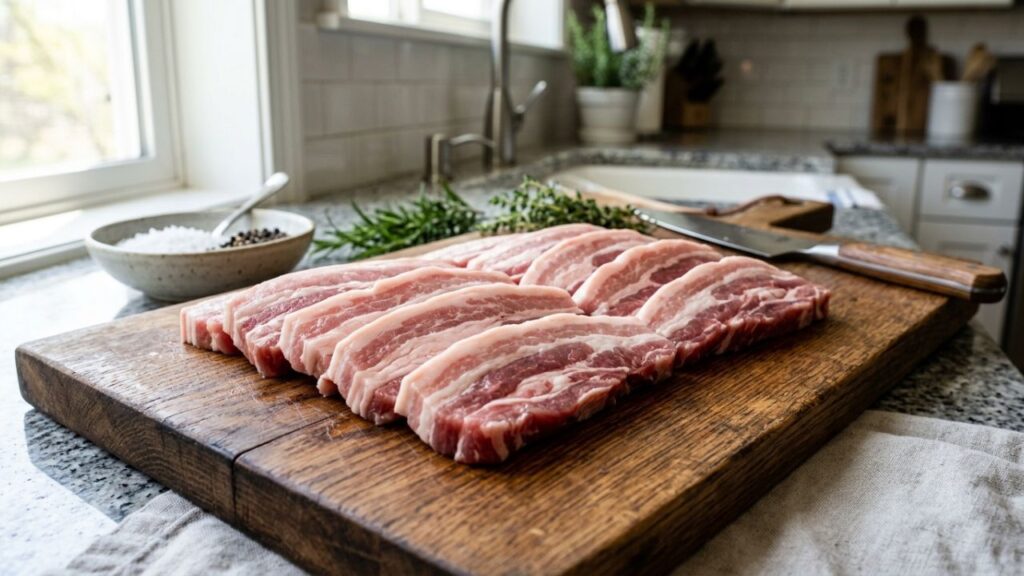
Side pork comes from the belly of the pig, the same cut used to make bacon. The key difference is that side pork is fresh and uncured, meaning it hasn’t been smoked, salted, or processed. This gives it a clean, natural pork flavor that can be adapted to many recipes.
Dr. Andrew Collins advises that side pork should be eaten in moderation due to its high fat content, especially for those watching heart health. He recommends pairing it with vegetables, salads, and whole grains to create a balanced meal. He also suggests healthier cooking methods like grilling or baking instead of frying to reduce excess fat intake.
Key Ingredients
At its simplest, side pork requires very little. The cut itself is the focus, often enhanced with salt, pepper, and a few supporting seasonings like garlic or herbs.
Culinary Background
Historically, side pork has been a staple in rustic and farmhouse cooking. Before modern curing methods became widespread, cooks relied on fresh cuts like this for daily meals. It remains popular in traditional cuisines where slow cooking and simple seasoning are valued.
Flavor Profile
The flavor is rich and savory, with a subtle sweetness from the fat. When cooked slowly, the fat renders down and creates a smooth, almost buttery texture that balances the meat.
Traditional Preparation
Side pork is commonly pan-fried, roasted, or braised. In many kitchens, it’s cooked low and slow to ensure tenderness, though it can also be crisped quickly in a hot pan for a different texture.
Why It Works So Well with Side Pork
Flavor Balance
Side pork naturally balances savory and slightly sweet notes due to its fat content, making it a delicious dish that is adaptable to a wide range of flavors, from acidic sauces to mild spices.
Texture Contrast
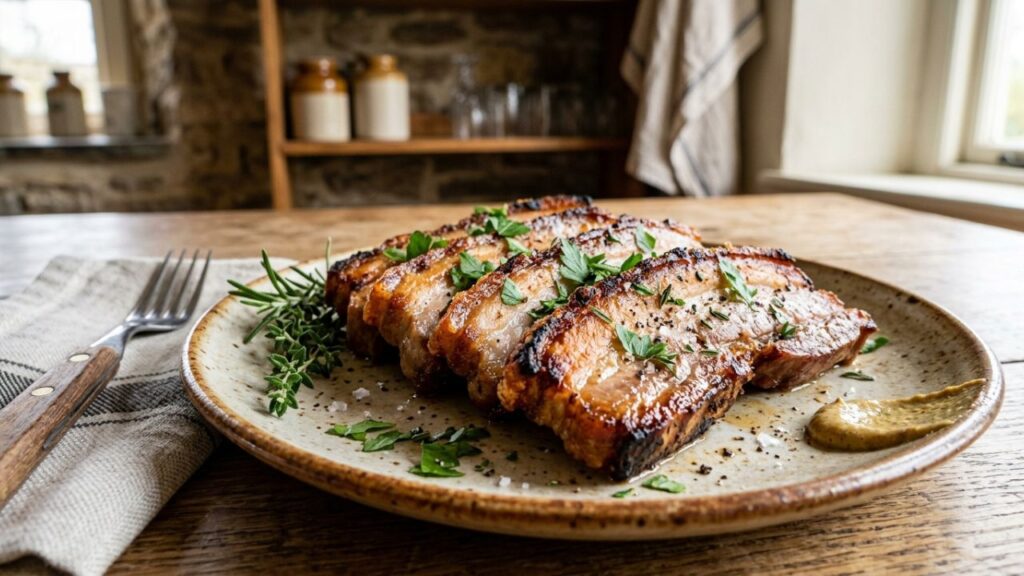
When cooked properly, it offers a satisfying contrast between crispy edges and a soft, tender interior. The rendered fat plays a key role in creating that texture.
Nutritional Perspective
While side pork is rich and should be enjoyed in moderation, it provides protein and energy. Pairing it with vegetables or grains helps create a more balanced meal.
Cooking Techniques
The cut responds well to multiple cooking methods, especially those that allow gradual fat rendering. Slow roasting and controlled pan-frying are particularly effective.
Everyday Use
Side pork fits easily into daily cooking. It can be part of breakfast, added to soups, or served as a main dish with simple sides.
Health Benefits of Side Pork
Nutritional Value
Side pork is a rich source of protein and energy, making it a filling ingredient in meals. It also contains essential fats that help provide satiety and long-lasting energy, especially when eaten in balanced portions. However, because it is naturally high in fat, it is best enjoyed in moderation as part of a varied diet.
Energy and Satiety
The combination of protein and fat in side pork helps keep you full for longer periods. This makes it a useful option for hearty meals, especially when paired with vegetables or whole grains that add fiber and balance.
Cooking Method Impact
How you cook side pork can affect its overall health profile. Methods like grilling, baking, or slow roasting allow excess fat to render out, making the final dish lighter compared to deep-frying. Choosing gentler cooking techniques can help you enjoy the flavor while keeping it more balanced.
Balanced Eating Approach
Side pork works best when combined with nutrient-rich sides such as fresh salads, steamed vegetables, or legumes. This balance helps offset its richness and creates a more complete and wholesome meal.
Portion Awareness
Because side pork is naturally rich, portion control is important. Small servings can still deliver strong flavor and satisfaction without overloading the meal with excess fat.
Ingredients Guide for Side Pork
Quality Indicators
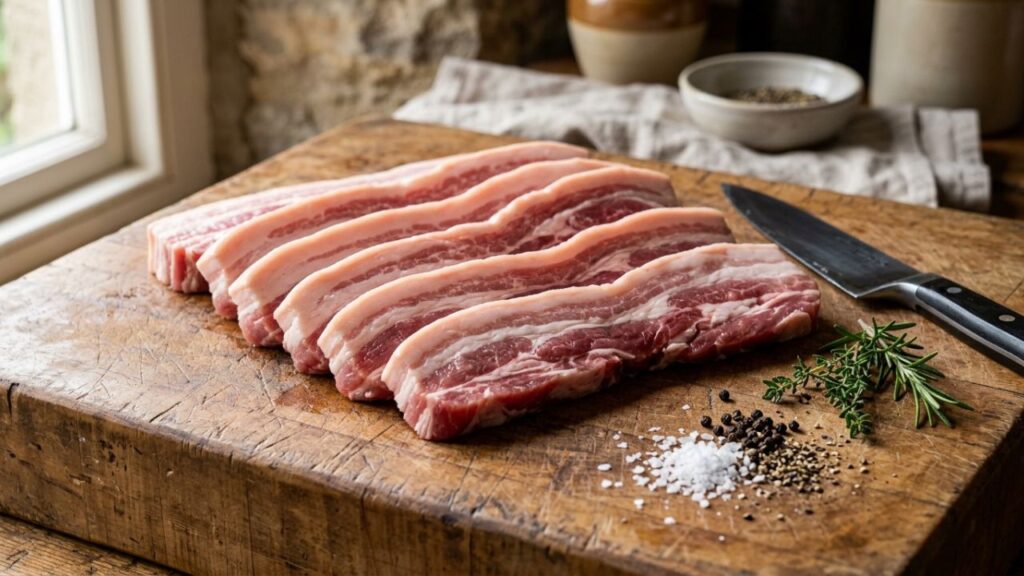
When choosing side pork, the most important thing is the balance between meat and fat. Good-quality side pork should have a natural pink color in the meat and firm, white fat that looks clean and even. The texture should feel fresh and slightly firm when touched. Avoid any cuts that have a strong, sour, or unpleasant smell, as this is a clear sign that the meat is not fresh.
Substitutions
If side pork is not available, bacon is the closest alternative, though it will bring a smoky and cured flavor that changes the overall taste of the dish. Pancetta can also be used, but it is usually seasoned and cured, so it won’t give the same clean, fresh pork flavor that side pork naturally offers. When substituting, it’s helpful to adjust salt levels since processed options are already salted.
Seasonal Considerations
Side pork is available throughout the year, making it a flexible ingredient for any season. However, it is especially popular during colder months when people tend to prefer richer, more comforting meals. Its hearty texture and warming flavor make it ideal for winter-style cooking.
Budget-Friendly Options
One of the advantages of side pork is that it is often more affordable than many processed pork products. Because it is less processed, you can get a good-quality cut without paying premium prices. This makes it a practical choice for home cooks who want flavor and value together.
Pantry Enhancers
Side pork works beautifully with simple pantry ingredients. Garlic, onion, black pepper, and dried herbs like thyme or oregano enhance its natural richness without overpowering it. A small splash of vinegar can cut through the fat, while a hint of sweetness from honey or brown sugar can create a balanced flavor profile.
Step-by-Step Cooking Method for Side Pork
Preparation
Begin by patting the side pork dry using a paper towel. This step is important because removing excess moisture helps the meat brown properly. If the cut is large, slice it into smaller, even pieces so it cooks more evenly and is easier to handle. For a deeper understanding of pork cuts, you can explore How Can You Cook Mangalitsa Pork to Bring Out Its Full Flavor?.
Seasoning
Season the pork generously with salt and black pepper. You can also add simple spices like garlic powder or smoked paprika depending on your taste. However, it’s best not to over-season, as side pork has a naturally rich flavor that shines with minimal seasoning.
Cooking Process
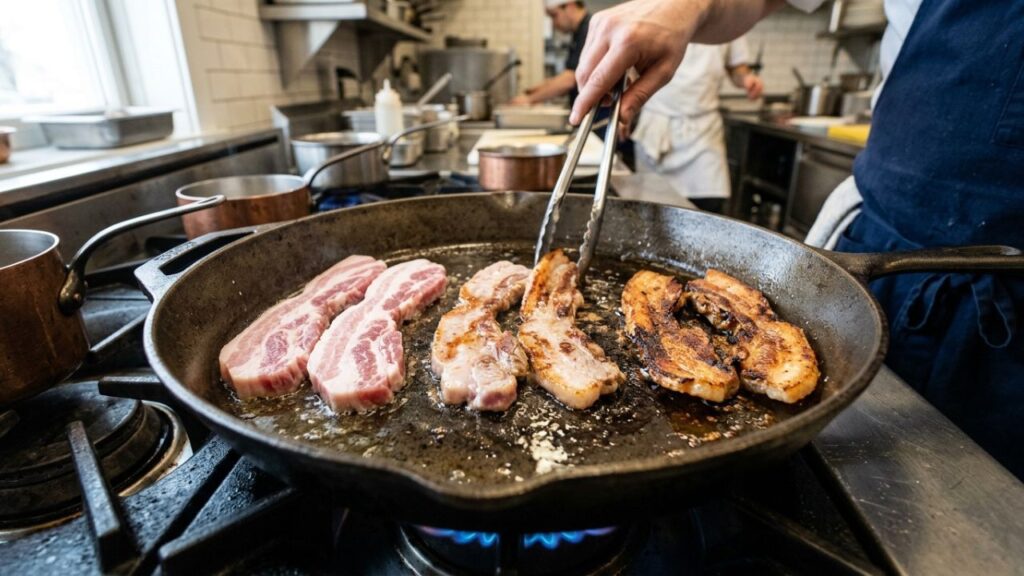
Heat a skillet over medium heat and place the side pork pieces carefully without overcrowding the pan. As it cooks, you’ll notice the fat slowly beginning to render. Turn the pieces occasionally so they brown evenly on all sides.
If using an oven, place the seasoned pork on a baking tray and cook at a moderate temperature until the fat softens and the surface turns golden and slightly crisp. Slow cooking is key to achieving tenderness.
Sensory Cues
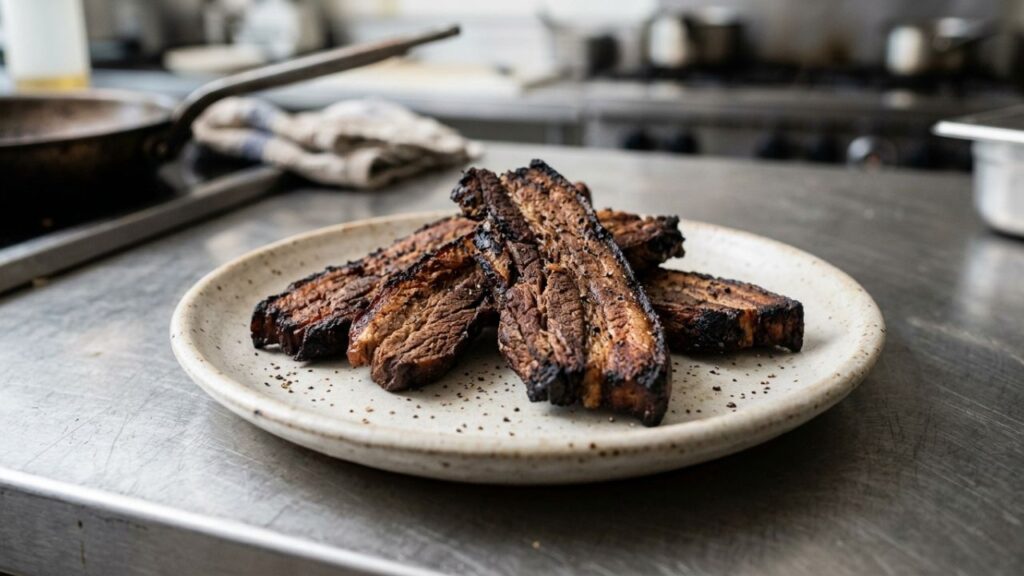
Properly cooked side pork will have a golden-brown exterior with a soft, tender interior. The aroma should be rich, savory, and slightly sweet from the rendered fat. The texture should feel juicy rather than dry, and the fat should look soft and glossy rather than hard or chewy.
Serving Suggestions for Side Pork
Pairings
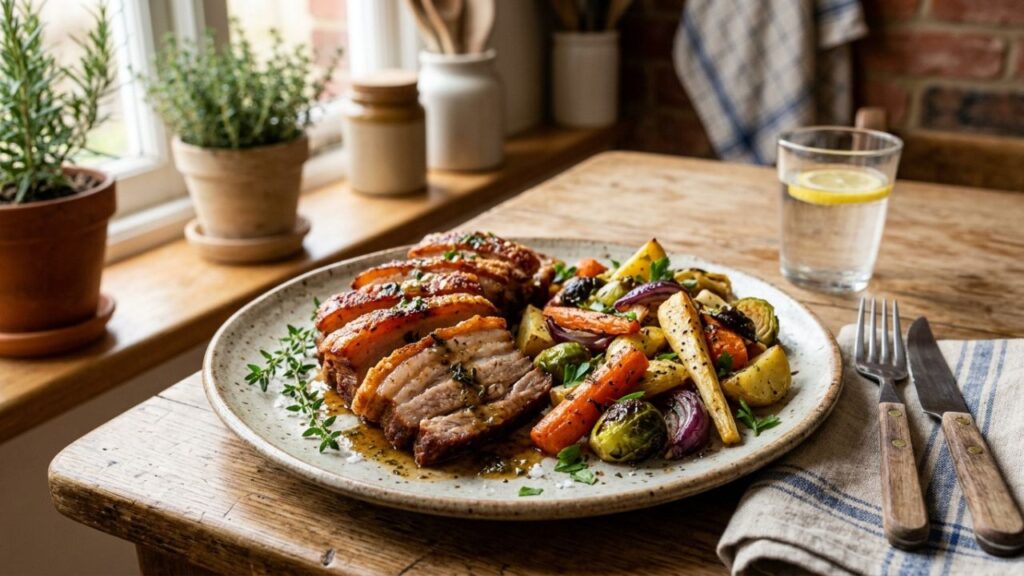
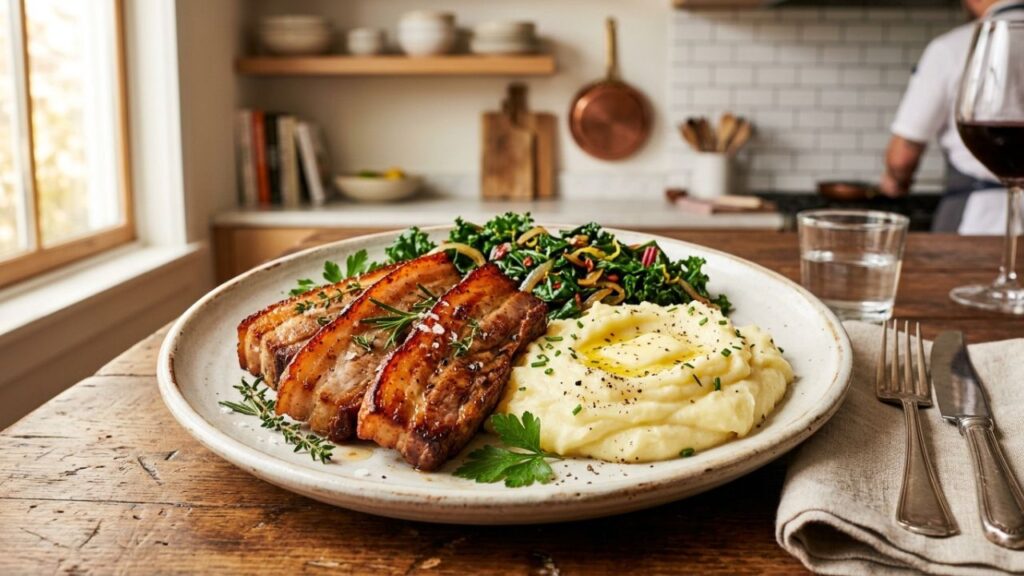
Side pork pairs best with simple, fresh side dishes that balance its richness. Lightly seasoned vegetables, steamed greens, mashed potatoes, or plain rice all work well to complement its deep flavor. Acidic sides like pickles or vinegar-based salads also help cut through the fat.
Presentation
For serving, slice the cooked side pork into even pieces and arrange it neatly on a plate. Adding colorful vegetables or greens around it creates a visually appealing contrast. Keeping the presentation simple allows the dish itself to stand out.
Serving for Gatherings
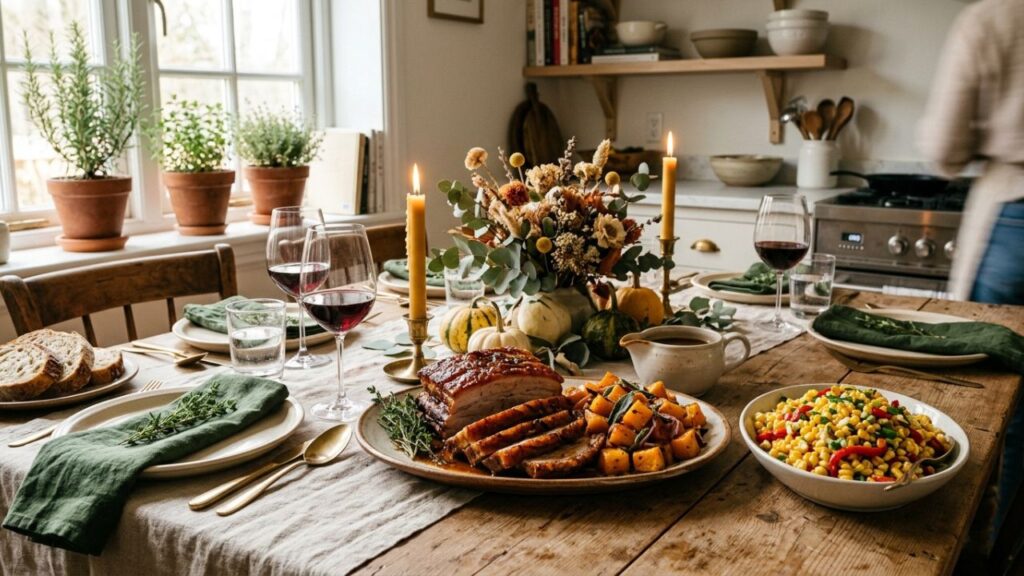
When serving a group, side pork works well as part of a larger spread. It can be placed on a shared platter alongside multiple side dishes, allowing guests to build their own plates. Pre-slicing it also makes serving easier and more organized.
Portion Tips
Because side pork is rich and filling, smaller portions are often enough. For small households, it’s better to cook only what is needed and store the rest for later use. This helps maintain freshness and avoids waste.
Seasonal or Occasion Variations
Spring and Summer
During warmer months, lighter cooking methods like grilling work especially well. Pair side pork with fresh salads, grilled vegetables, or citrus-based sides to keep the meal feeling balanced and refreshing.
Fall and Winter
In colder seasons, side pork shines in slow-cooked or braised dishes. Cooking it with root vegetables or in a hearty stew creates a warm, comforting meal that feels satisfying and rich.
Special Occasions
For gatherings or festive meals, side pork can be elevated with a simple glaze made from honey, mustard, or soy-based sauces. This adds depth without overpowering its natural flavor.
Leftover Ideas
Leftover side pork is highly versatile. It can be sliced into sandwiches, added to fried rice, or mixed into soups and stews for extra richness. Even small amounts can enhance the flavor of everyday meals.
Storage & Reheating Tips
Storage
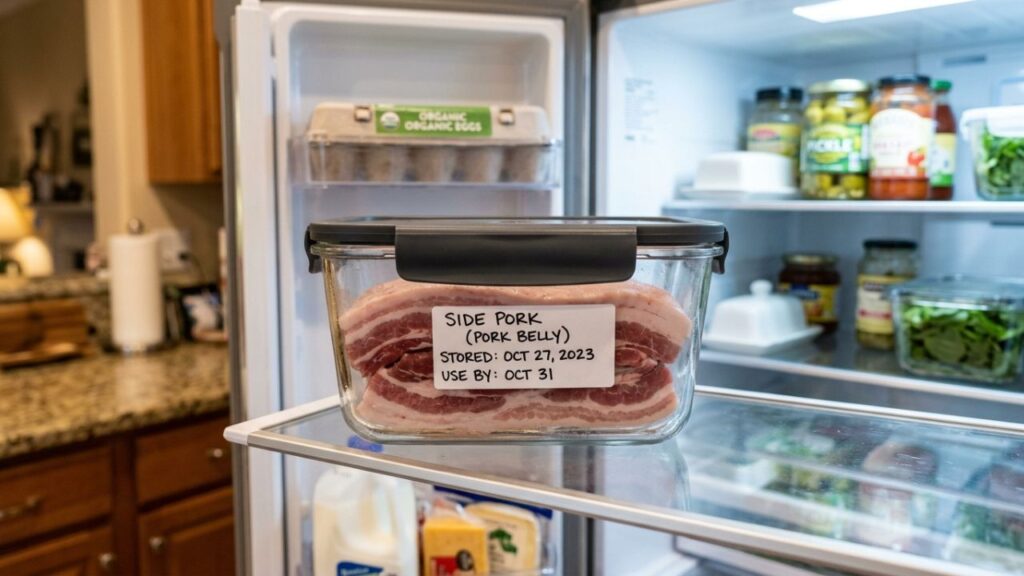
Allow the cooked meat to cool completely at room temperature before storing it. Once it has cooled, transfer it into an airtight container to maintain freshness and prevent it from absorbing other fridge odors. Properly stored, it will keep well in the refrigerator for a few days without losing much of its flavor or texture.
Freezing
If you want to store it for a longer period, freezing is a great option. It’s best to divide it into smaller, meal-sized portions before freezing so you can thaw only what you need later. Wrap each portion tightly or place it in a freezer-safe container to protect it from freezer burn and preserve its quality.
Reheating
When reheating, take your time and use low, gentle heat. A skillet on low heat works best, allowing the meat to warm through slowly while keeping its texture intact. Avoid using high heat, as it can quickly dry out the meat and make the fat unpleasantly tough instead of tender and soft.
Food Safety
Always ensure that reheated side pork is heated evenly and thoroughly before serving. It’s important not to reheat the same portion multiple times, as this can reduce both the flavor and overall quality of the meat. Proper handling helps maintain both taste and safety.
Common Mistakes to Avoid
Overcooking
One of the most common mistakes when cooking side pork is using too much heat or cooking it for too long. This can cause the fat to render out too quickly and leave the meat dry, chewy, and less enjoyable. Slow and controlled cooking always produces better results.
Underseasoning
Since side pork is fresh and uncured, it does not come with built-in seasoning like bacon. This means it relies heavily on salt, pepper, and other spices to develop flavor. If you skip proper seasoning, the final dish may taste flat and underwhelming.
Poor Preparation
Skipping simple preparation steps, such as patting the meat dry before cooking, can affect how well it browns in the pan. Excess moisture prevents proper searing, which reduces both flavor and texture quality.
Skipping Rest Time
After cooking, side pork benefits from a short resting period. This allows the juices to redistribute throughout the meat, keeping it moist and flavorful. Cutting into it immediately can cause those juices to escape, resulting in a drier bite.
Texture Issues
Cooking side pork too quickly or unevenly often leads to inconsistent texture—some parts may be tough while others are overly soft. A steady, moderate heat ensures the fat renders properly and the meat stays tender throughout.
Frequently Asked Questions
1. What is the difference between side pork and bacon?
Side pork is fresh and uncured, which means it has not been smoked or preserved with salt. Bacon, on the other hand, is cured and often smoked, giving it a stronger and more distinct flavor.
2. Do I need to marinate?
Marinating is not required, especially if you prefer a natural flavor. However, using a marinade can enhance the taste and add extra depth depending on your recipe.
3. How long should I cook it?
The cooking time varies based on the method you choose, such as pan-frying or roasting. In general, it should be cooked until the meat is tender and the fat has fully rendered.
4. Can it be grilled?
Yes, it can be grilled, but it requires careful heat control. Cooking over lower heat helps prevent burning while allowing the fat to melt properly.
5. Why is it tough?
Tough meat is usually the result of insufficient cooking time or heat that is too high. Cooking it slowly at a moderate temperature helps break down the fat and improve tenderness.
6. Can I cook it in advance?
Yes, it can be prepared ahead of time and stored for later use. When reheating, use gentle heat to maintain its texture and prevent it from drying out.
Conclusion
Cooking side pork at home is a simple and rewarding way to enjoy a rich, comforting meal with family or friends. When it is cooked with care and balanced with fresh vegetables or lighter sides, it becomes both flavorful and satisfying without feeling too heavy.
I am not a medical professional, but if you are looking for more guidance on balanced eating, you can consult experts like Dr. Andrew Collins. For more helpful cooking ideas and everyday meal inspiration, you can also explore our Healthy Cooking Guides for practical tips and recipes.
About the Author
A home cook and food writer, Oliver Brooks has a passion for approachable meals and enjoys exploring traditional ingredients and practical cooking techniques. With a focus on flavor and simplicity, they aim to help readers build confidence in the kitchen and create meals that feel both comforting and rewarding.