
A quarter cow gives home cooks access to a wide selection of beef cuts, making it possible to prepare everything from quick steaks and burgers to slow-cooked roasts and hearty stews. Instead of relying on the same few cuts, you can explore different textures, flavors, and cooking methods throughout the year.
With a little planning, a quarter cow can also make meal preparation more organized and flexible. Knowing how to store different cuts and choosing the right cooking method for each one helps you turn the variety into practical, flavorful meals for everyday cooking.
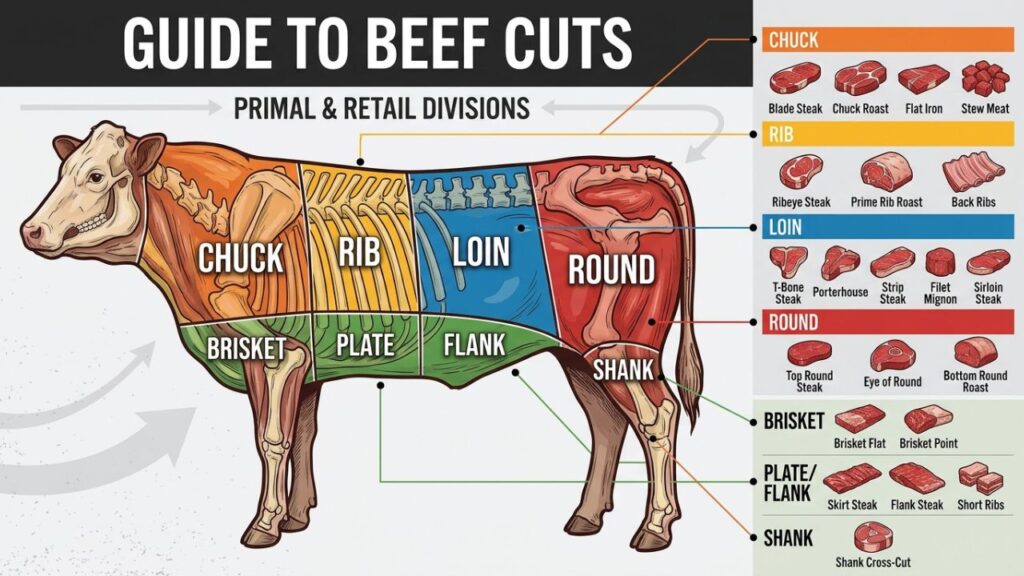
What Is a Quarter Cow?
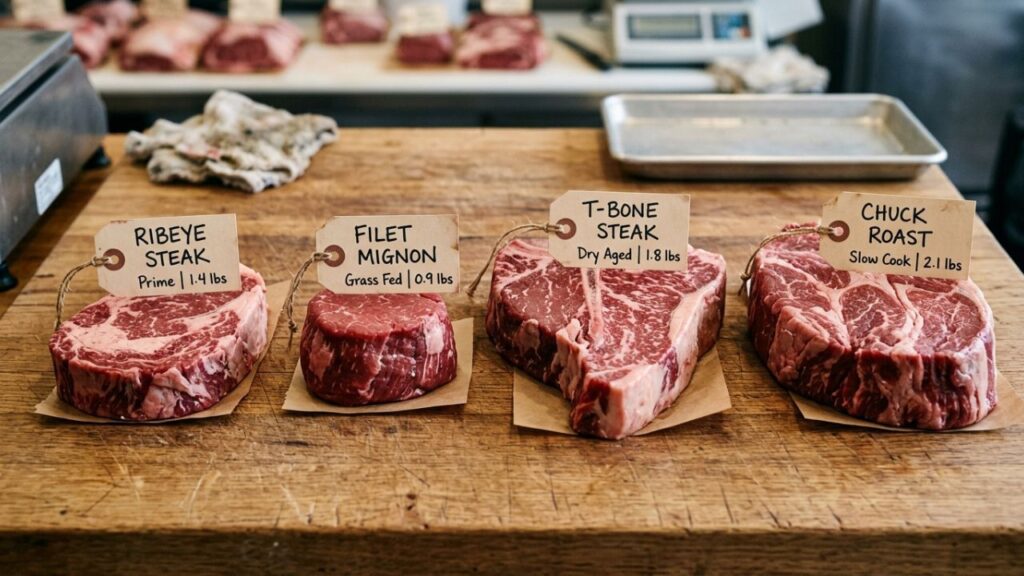
A quarter cow is one-fourth of a whole beef animal and typically provides a variety of cuts, including steaks, roasts, ground beef, and stew meat. Each cut has different levels of tenderness and flavor, so choosing the right cooking method is important for good results. Tender cuts generally work well with grilling or pan-searing, while tougher cuts benefit from slow cooking or braising. This variety allows home cooks to prepare many different meals from one purchase.
| Prep Time | Cook Time | Total Time | Servings |
|---|---|---|---|
| 15 minutes | Varies by cut | Varies | 4 servings |
Ingredients
- 1 beef steak or suitable quarter-cow cut
- 1 tablespoon olive oil
- 1 teaspoon salt
- 1 teaspoon black pepper
- 1 teaspoon garlic powder
- 1 teaspoon dried thyme
- 2 cloves garlic, minced
- ½ medium onion, sliced
- Fresh parsley or rosemary for garnish
Ingredient Alternatives
| Ingredient | Alternative |
|---|---|
| Ribeye | Sirloin or strip steak |
| Olive oil | Avocado oil |
| Salt | Kosher or sea salt |
| Black pepper | Cracked black pepper |
| Garlic powder | Fresh minced garlic |
| Dried thyme | Fresh thyme or rosemary |
| Onion | Shallots |
| Fresh parsley | Fresh cilantro or chives |
Step-by-Step Cooking Method
Step 1
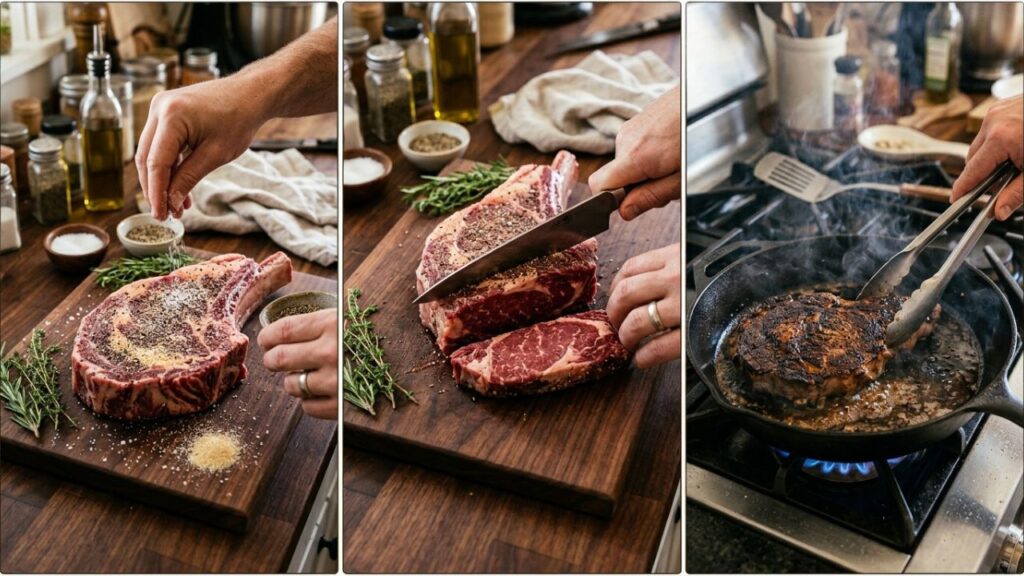
Bring steaks to room temperature before cooking, then season them lightly with salt and black pepper. Sear over medium-high heat until the desired doneness is reached, then allow the steaks to rest before slicing. For safe beef cooking temperatures, follow the USDA guidance on cooking beef safely.
Step 2
For roasts and tougher cuts, brown all sides first to develop a deeper flavor. Add broth, onions, garlic, and herbs, then braise or slow-cook until the meat becomes tender and easy to pull apart.
Step 3
Cook ground beef in a skillet over medium heat until browned and fully cooked. Add onions, garlic, or herbs while cooking to build more flavor, then use the beef for tacos, pasta sauces, casseroles, or bowls.
Step 4
Avoid cutting steaks immediately after cooking, as resting helps retain their juices. When serving larger cuts, slice the meat against the grain to create a more tender bite.
Step 5
Match the cooking method to the cut for better results. Tender steaks generally need quicker cooking, while tougher cuts benefit from longer cooking at lower temperatures.
Serving Suggestions
| Serving Idea | How to Serve |
|---|---|
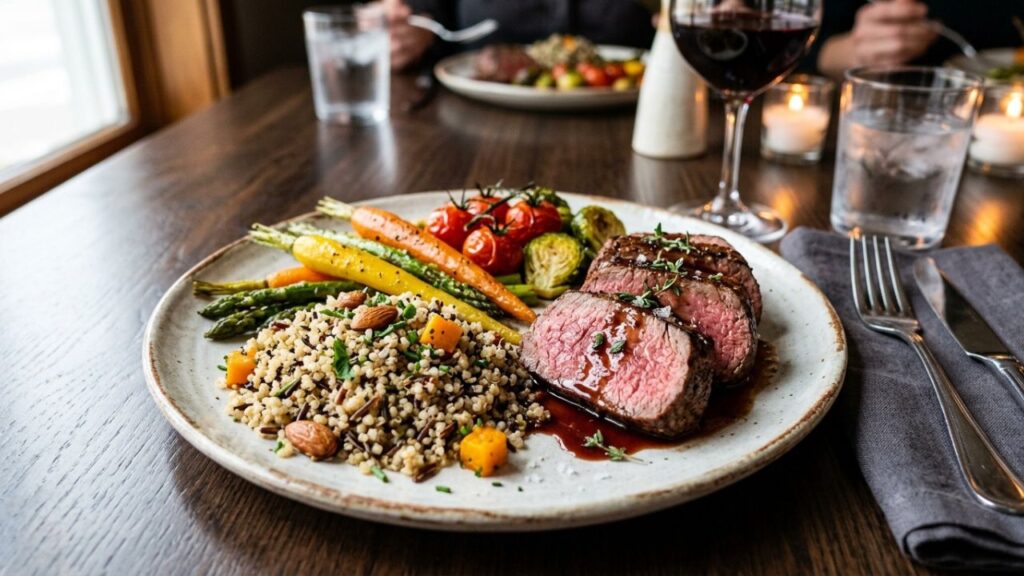
| Ideal Pairings | Serve beef with roasted vegetables, mashed potatoes, or fresh green salads to balance its rich flavor and texture. |
| Presentation Tips | Slice roasts against the grain and finish with fresh herbs, a small pat of butter, or a light pan sauce. |
| For Gatherings | Carve larger roasts at the table and let guests choose their preferred portions for a relaxed, family-style meal. |
| Leftover Ideas | Turn leftover beef into tacos, sandwiches, salads, or grain bowls with fresh sauces and herbs for a different meal. |
Seasonal or Occasion Variations
Family Meal Ideas: Plan different cuts throughout the week, using steaks for quick dinners and tougher cuts for slow-cooked meals when more preparation time is available.
Spring & Summer: Grill sirloin or ribeye over high heat and serve with fresh seasonal vegetables and light sauces for a bright, flavorful meal.
Fall & Winter: Use chuck, brisket, or other roasting cuts in slow-cooked dishes with potatoes, carrots, and other root vegetables for comforting meals.
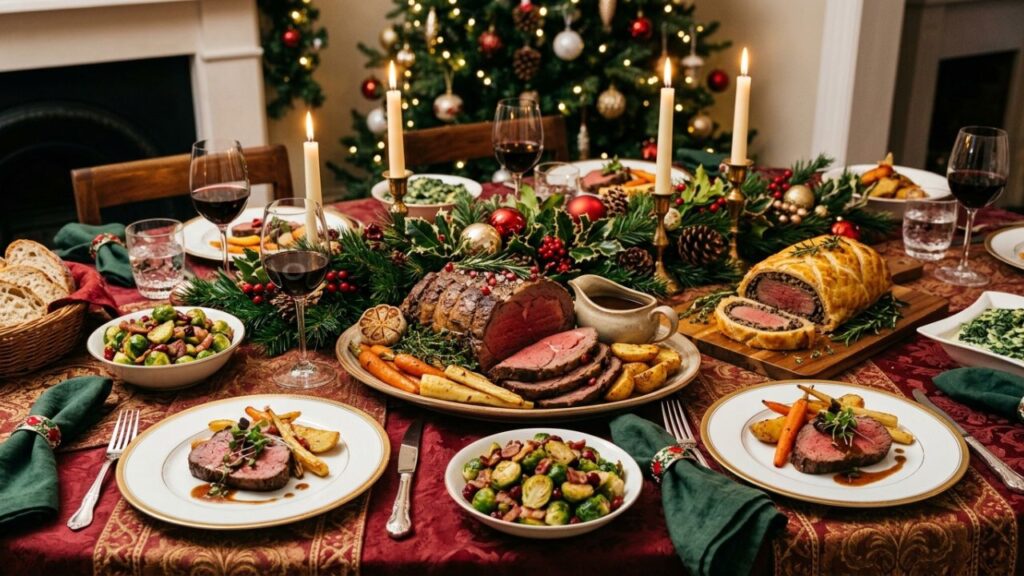
Holiday Adaptations: Prepare a roast with a garlic-herb rub or slow-braised beef for festive gatherings. Seasonal vegetables and herbs can add extra color and flavor.
Storage & Reheating Tips
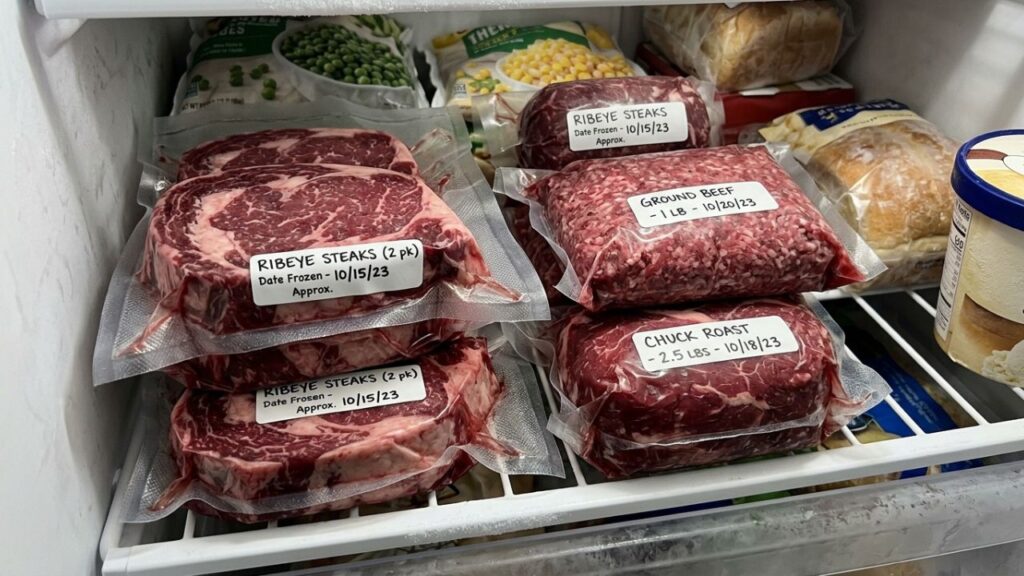
- Storing Beef: Divide the beef into meal-sized portions and wrap each portion tightly or place it in a suitable freezer bag. This helps protect the meat from air exposure and freezer burn.
- Refrigeration & Freezing: Keep fresh beef refrigerated at 40°F (4.4°C) or below and use steaks, roasts, and similar cuts within 3–5 days. For longer storage, freeze the portions and label them with the date. A
Ask USDA
- Reheating Methods: Reheat cooked beef gently in a skillet or oven to help retain moisture and tenderness. Adding a little broth or sauce can also help prevent the meat from becoming dry.
- Safe Storage: Raw beef should be kept securely wrapped or in a sealed container to prevent juices from contacting other foods. For additional guidance, follow the USDA Refrigeration and Food Safety guidance.
Common Mistakes to Avoid
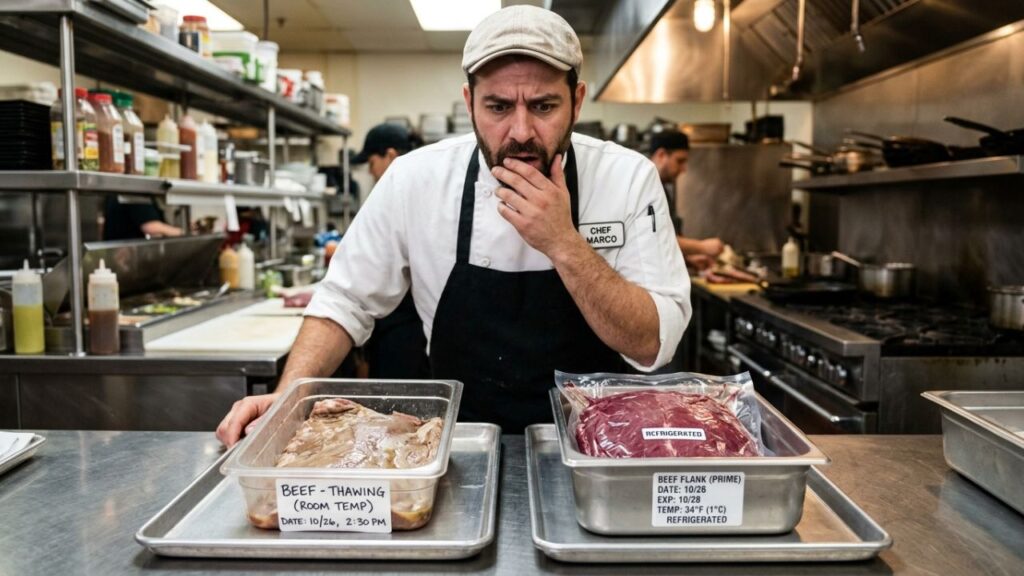
Beef can become dry or tough when it is cooked for too long or at excessively high heat, while undercooking can create food-safety concerns. Proper preparation, seasoning, and using a meat thermometer help produce better results. Allow steaks and roasts to rest after cooking, then slice tougher cuts against the grain for improved tenderness and a more enjoyable texture.
Frequently Asked Questions
1. Can I freeze a quarter cow before cooking?
Yes, vacuum-sealed portions freeze well for up to six months. Always thaw them slowly in the refrigerator. This keeps the beef safe and maintains its natural flavor and texture.
2. How should I cook tougher cuts?
Tough cuts benefit from slow cooking, braising, or sous vide. These methods break down connective tissue naturally. The result is tender, flavorful meat that’s easy to enjoy.
3. How do I know when a roast is done?
Use a reliable meat thermometer to check doneness. Cook to 145°F for medium-rare, 160°F for medium. This ensures safety while keeping the roast juicy and tender.
4. Can I use the same seasoning for all cuts?
Basic seasonings like salt and pepper work for most cuts. Adjust herbs and spices depending on cooking method and cut. This approach highlights each cut’s natural flavor.
5. Is buying a quarter cow cost-effective?
Yes, it’s cost-effective if you have storage space and plan meals. A quarter cow provides a variety of cuts for multiple dishes. This approach saves money and reduces grocery trips.
6. How can I make ground beef more flavorful?
Sear ground beef first to develop depth of flavor. Season during cooking with salt, pepper, and aromatics. Onions, garlic, or herbs enhance the taste without extra fat.
Conclusion
A quarter cow is a great way to explore a variety of cuts, flavors, and cooking techniques. By choosing the right method for each cut, seasoning carefully, and enjoying the process, you can create balanced, flavorful meals for any occasion.