
Greek honey is valued for its rich aroma, smooth texture, and naturally deep flavor. Produced from the nectar of wild herbs, flowers, and pine forests across Greece, it has distinctive Mediterranean qualities that set it apart from many commercial varieties. Its flavor can vary depending on the flowers and plants visited by the bees. This gives different Greek honeys their own unique taste and character.
Greek honey can be enjoyed in breakfast foods, drinks, desserts, and everyday recipes. Along with its natural sweetness, it provides a flavorful alternative to refined sweeteners. Using it in sensible portions can help keep meals balanced while still allowing you to enjoy its distinctive Mediterranean flavor.
What Is Greek Honey?
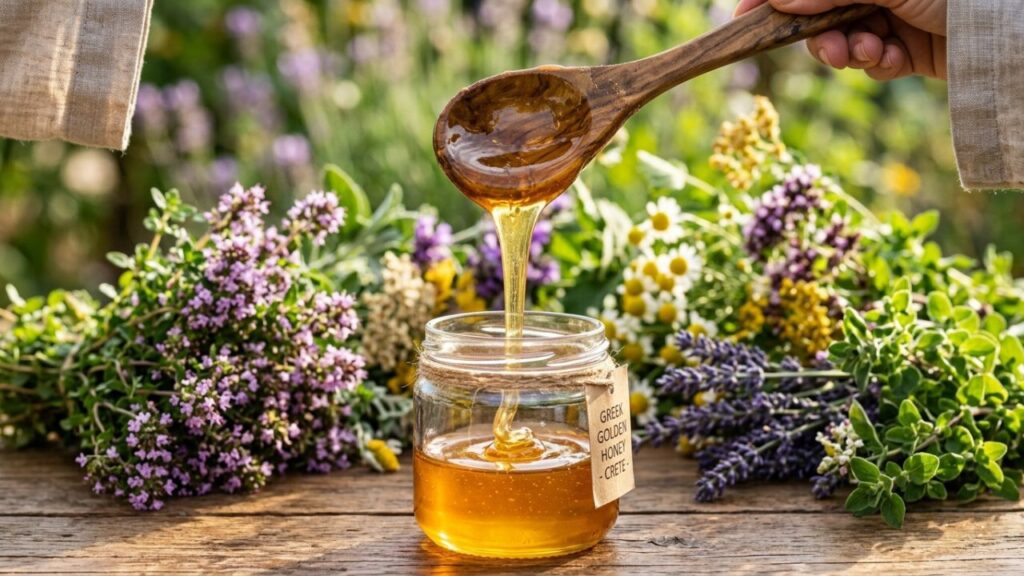
Greek honey is a natural sweetener produced in Greece from nectar gathered from thyme, wildflowers, pine trees, fir trees, and citrus blossoms. Its flavor and aroma vary depending on the plants used, creating varieties with floral, herbal, earthy, or lightly caramel-like notes. It is traditionally enjoyed with yogurt, bread, pastries, tea, roasted vegetables, and grilled meats. Although it is natural, Greek honey is still a source of sugar, so using moderate portions can help keep it balanced within an overall varied diet.

| Prep Time | Cook Time | Total Time | Servings |
|---|---|---|---|
| 5 minutes | 5 minutes | 10 minutes | 4 servings |
Ingredients
½ cup Greek honey
1 cup Greek yogurt
1 tablespoon extra-virgin olive oil
1 teaspoon cinnamon
1 teaspoon fresh lemon zest
2 tablespoons sesame seeds
¼ cup mixed nuts, chopped
1 tablespoon fresh herbs, finely chopped
Ingredient Alternatives
| Ingredient | Alternative |
|---|---|
| Greek honey | Wildflower honey or orange blossom honey |
| Greek yogurt | Plain yogurt or coconut yogurt |
| Olive oil | Avocado oil |
| Cinnamon | Ground nutmeg |
| Lemon zest | Orange zest |
| Sesame seeds | Chia seeds or sunflower seeds |
| Mixed nuts | Almonds or walnuts |
| Fresh herbs | Fresh mint or parsley |

How to Make a Simple Greek Honey Glaze
Step 1
Combine Greek honey, olive oil, lemon juice, Dijon mustard, salt, and black pepper in a small bowl. Whisk everything together until the mixture becomes smooth and glossy. For additional guidance on safe food preparation, you can also refer to USDA Safe Food Handling and Preparation.
Step 2
Brush the prepared honey glaze over vegetables, chicken, or seafood during the final minutes of cooking. This allows the glaze to lightly caramelize and create a flavorful coating without overpowering the main ingredients.
Step 3
Keep the cooking temperature moderate because honey can caramelize quickly. Gentle heat helps the glaze become slightly sticky and glossy while reducing the chance of burning or developing a bitter taste.
Step 4
Add optional ingredients such as minced garlic, chili flakes, orange zest, or fresh thyme. These additions can give the glaze a more savory, spicy, citrusy, or herbal character depending on the meal.

Best Ways to Serve Greek Honey
| Serving Option | Best For |
|---|---|
| Sweet Serving Ideas | Yogurt, roasted nuts, grilled fruit, whole-grain bread, herbal tea, and soft cheeses bring out the natural sweetness of Greek honey. |
| Savory Pairing Suggestions | Roasted carrots, feta cheese, glazed salmon, grain salads, and grilled chicken benefit from a small drizzle of honey for balanced sweetness. |
| Simple Entertaining Ideas | Serve honey with bread, fruit, cheese, and nuts on a Mediterranean-style board for an easy and attractive gathering option. |
| Everyday Uses in Small Portions | Add a teaspoon to oatmeal, tea, toast, marinades, or homemade dressings for noticeable flavor without excessive sweetness. |

Seasonal Cooking Ideas With Greek Honey
Holiday Meals: Add Greek honey to festive cookies, glazed meats, roasted vegetables, or cheese platters for a balanced touch of sweetness.
Spring & Summer: Use lighter floral honey with fruit salads, yogurt bowls, berries, lemon cakes, and refreshing herbal drinks for fresh seasonal flavors.
Fall & Winter: Darker honey varieties pair well with roasted squash, warm oatmeal, spiced cakes, and nut-based desserts, adding deeper and richer notes.
Storage Tips for Greek Honey
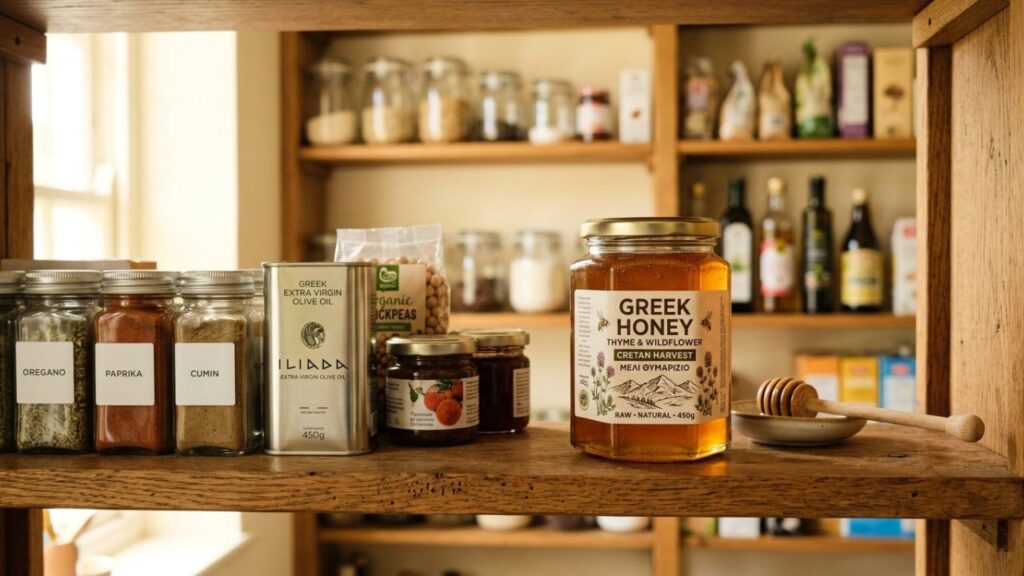
Best Way to Store Greek Honey: Keep honey in a tightly sealed glass container at room temperature, away from direct sunlight and excess moisture. Proper storage helps preserve its flavor, aroma, and quality.
How to Fix Crystallized Honey: Crystallization is a natural process and does not necessarily mean the honey has spoiled. Place the container in warm water and allow the crystals to soften gradually. Avoid overheating the honey.
Keep Moisture Away: Always use a clean, dry spoon when taking honey from the jar. Introducing water or moisture can affect its quality over time. For additional food-storage guidance, see USDA Food Safety Basics.

Cooking Mistakes
Avoid using excessive heat when cooking with Greek honey, as it can burn quickly and develop an unpleasant bitter flavor. Using too much honey can also overpower other ingredients, so start with a small amount and adjust gradually. Finally, choose a honey variety that matches the other flavors in the dish to maintain a balanced taste.
Frequently Asked Questions
1. Is sweeter than regular honey?
Greek honey usually tastes richer and more aromatic because of its natural floral and herbal sources. However, actual sweetness depends on the specific flowers and plants the bees feed on.
2. Can be used in baking?
Yes, Greek honey works very well in baking such as cakes, cookies, muffins, and breads because it adds moisture and helps keep baked goods soft for longer.
3. Does Greek honey need refrigeration?
No, Greek honey does not need refrigeration and should be stored at room temperature in a sealed container to maintain its natural texture and flavor.
4. Why does Greek honey crystallize?
Crystallization is a natural process in pure honey and usually indicates minimal processing rather than spoilage or poor quality.
5. Which variety works best in savory recipes?
Pine and thyme honey are commonly used in savory dishes because their earthy, herbal notes balance well with meats, vegetables, and cheeses.
6. Can replace sugar in recipes?
Yes, it can replace sugar in many recipes, but slight adjustments may be needed because honey adds extra moisture and changes texture.
Conclusion
Greek honey is a natural and versatile ingredient that can enhance both the flavor and quality of everyday meals. When used in moderation, it adds depth, aroma, and balanced sweetness to a wide range of dishes, from breakfast recipes to baked goods and savory meals. Paying attention to portion size and how it is used in cooking helps you enjoy its benefits without overconsuming natural sugars.