What Makes Greek Honey So Special for Cooking and Baking?

Greek honey has long been valued for its rich aroma, smooth texture, and naturally deep flavor. Produced from the nectar of wild herbs, flowers, and pine forests across Greece, it carries unique Mediterranean characteristics that make it stand out from ordinary commercial varieties.

In cooking, Greek honey offers more than simple sweetness. Its floral and earthy notes help balance savory dishes, improve baked textures, and add warmth to sauces, dressings, and breakfast recipes. Many home cooks enjoy it because it blends naturally into both traditional and modern meals without overpowering other ingredients. You can also explore more balanced meal ideas in our guide to Is Hibachi Healthy Truly Meal Option for Everyday Eating?

In this guide, we’ll explore the health aspects of Greek honey, including its natural nutrients, possible benefits, and practical tips for portion control and everyday use. By understanding how to use it wisely, Greek honey can be a flavorful and balanced addition to a healthy diet.


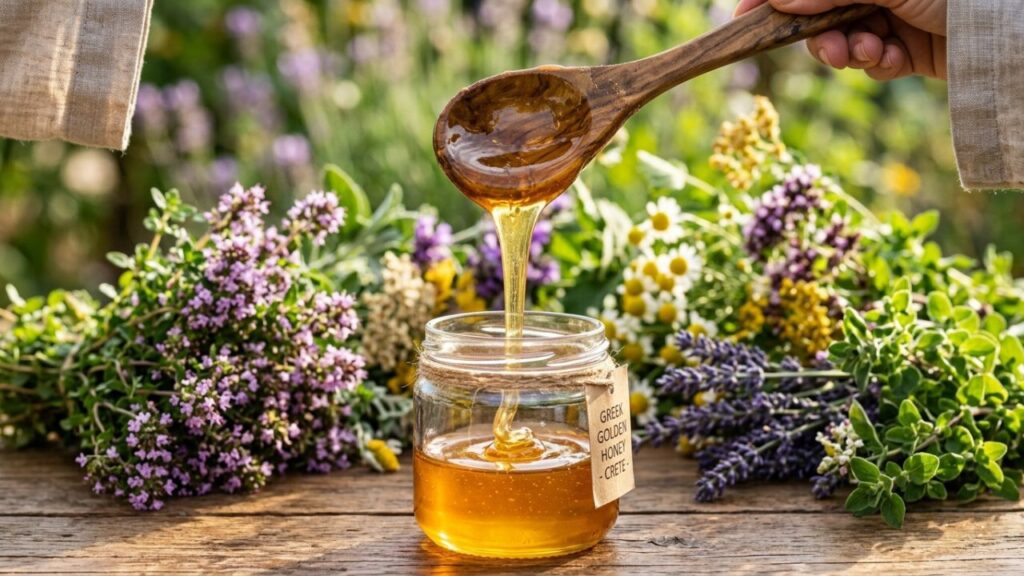
Thick Greek honey being poured into a jar with herbs in background
Greek honey is a natural honey made from wild herbs, flowers, and pine forests in Greece.

What Is Greek Honey?

Greek honey is produced in Greece using nectar collected from herbs, wildflowers, pine trees, and citrus blossoms, giving it a rich Mediterranean flavor that feels more aromatic and complex than ordinary processed honey.

Dr. Michael Greger advises that Greek honey, like other natural sweeteners, should still be used in moderation because it is a form of sugar and can affect blood sugar levels if overconsumed. He recommends focusing on whole, minimally processed foods and limiting added sugars, even when they come from natural sources such as Greek honey

Popular Types of Greek Honey

Different varieties such as thyme, pine, fir, and orange blossom honey each have unique flavors, ranging from floral and herbal notes to earthy and lightly caramel-like sweetness.

Traditional Uses in Mediterranean Cooking

Greek honey is commonly enjoyed with yogurt, bread, pastries, tea, roasted vegetables, and grilled meats because it blends naturally into both sweet and savory Mediterranean dishes.


Greek honey drizzled over roasted vegetables and feta cheese
Greek honey balances sweet and savory flavors in dishes.

Why Greek Honey Works So Well in Cooking

Balanced Flavor in Recipes

Greek honey adds more than simple sweetness because its floral, earthy, and herbal notes help balance salty, acidic, and savory ingredients in everyday cooking. It creates a more rounded flavor profile that makes even simple dishes taste more complex and well-developed. This balance is what makes it useful in both sweet and savory recipes.

Best Ingredients to Pair

It pairs especially well with lemon, olive oil, yogurt, nuts, cheese, roasted vegetables, and fresh herbs, creating warm Mediterranean-style flavor combinations. These pairings enhance both contrast and harmony in dishes, making the honey taste richer while also lifting the other ingredients. Even small amounts can transform basic meals into flavorful dishes.

Benefits in Baking

In cakes, muffins, and breads, Greek honey helps retain moisture, improve texture, and create a softer crumb that stays fresh for longer periods. It also adds a gentle natural sweetness that blends evenly into batters without creating a heavy or artificial taste. This makes baked goods feel more homemade and flavorful.

Why Small Amounts Work Best

Because Greek honey has a naturally concentrated and complex flavor, even a small drizzle can add noticeable warmth and depth without overpowering the dish. Using it in moderation allows the other ingredients to shine while still enhancing overall taste and aroma.

 jar with fruits, nuts, and herbs for health benefits
Greek honey supports energy, digestion, and wellness in moderation.

Health Benefits of Greek Honey

Natural Energy Source

Greek honey provides quick natural energy because it contains natural sugars like glucose and fructose that are easily absorbed by the body. It is often used as a healthier alternative to refined sugar for a quick energy boost.

Rich in Antioxidants

It contains natural antioxidants that help protect the body from oxidative stress and support overall wellness. These compounds vary depending on the flowers and herbs used by bees.

Supports Immune System

Greek honey has natural antibacterial and antimicrobial properties that may help support the immune system and overall body defense. It is often used in traditional home remedies.

Good for Digestive Health

It may help soothe the digestive system and support gut health when consumed in moderation. Many people use it in warm water or herbal tea for gentle digestive support.

Better Alternative to Refined Sugar

Compared to processed sugar, offers additional nutrients and a more natural sweetness. It can be used in moderation to reduce reliance on refined sweeteners in daily diet.


Variety of Greek honey jars including thyme and pine honey
Greek honey types offer unique flavors and cooking uses.

Greek Honey for Ingredients & Basics

How to Identify High-Quality Greek Honey

Good Greek honey usually has a thick consistency, rich aroma, natural cloudiness, and a deep golden or amber color that indicates minimal processing. These qualities often suggest that the honey is closer to its natural form and retains more of its original flavor and nutrients. A strong, pleasant aroma is also a key sign of quality.

Understanding Honey Crystallization

Natural crystallization is completely normal in pure honey and does not mean it has gone bad or lost quality. It can usually be fixed by gently warming the jar in warm water, which restores a smooth and pourable texture. This process is a natural characteristic of unprocessed honey.

Choosing the Right Variety for Recipes

Lighter floral honey works well in yogurt bowls, fruit dishes, and light desserts because it has a gentle sweetness that doesn’t overpower other flavors. On the other hand, darker pine or fir honey is better suited for roasted vegetables, marinades, and warm baked recipes due to its deeper, richer taste. Choosing the right type helps match flavor intensity with the dish.

Best Substitutes for Greek Honey

Wildflower honey, orange blossom honey, or maple syrup can be used as alternatives when Greek honey is not available, although each option slightly changes the final flavor. These substitutes still provide sweetness but may lack the same herbal and earthy complexity that naturally offers.

Pantry Ingredients That Pair Naturally

Greek honey pairs beautifully with olive oil, cinnamon, citrus zest, sesame seeds, nuts, Greek yogurt, and fresh herbs in simple Mediterranean cooking. These ingredients work together to create balanced flavors that feel fresh, natural, and easy to prepare in everyday meals.


 glaze being mixed in a bowl for cooking
Greek honey glaze adds sweet and savory flavor to dishes.

Simple Greek Honey Glaze for Everyday Cooking

Easy Honey Glaze Ingredients

This simple glaze combines Greek honey, olive oil, lemon juice, Dijon mustard, salt, and black pepper for a balanced sweet and savory flavor. It creates a smooth mixture that enhances both vegetables and proteins without overpowering their natural taste. The combination is simple but very effective for everyday cooking. You can also explore more healthy recipe ideas like How Can You Make Low-Sodium Hummus for a Healthy Snack?

Step-by-Step Method

Whisk all ingredients together until smooth and glossy, then brush the glaze over vegetables, chicken, or seafood during the final minutes of cooking. This helps the glaze lightly caramelize and stick to the surface, adding a shiny finish and rich flavor. It works especially well for quick and easy weeknight meals.

Helpful Cooking Tips

Keep the heat moderate because honey caramelizes quickly and may burn if exposed to very high temperatures for too long. Controlling the heat ensures the glaze stays smooth, flavorful, and slightly sticky without turning bitter or overly dark. This step is important for achieving the best results.

Optional Flavor Variations

Garlic, chili flakes, orange zest, or fresh thyme can easily be added to create different flavor profiles for seasonal meals. These small additions can change the character of the glaze, making it either spicier, more aromatic, or more citrusy depending on the dish.


Greek yogurt with honey, walnuts, and figs in a bowl
Greek honey pairs well with yogurt, fruits, nuts, and savory foods.

Best Ways to Serve Greek Honey

Sweet Serving Ideas

Greek honey tastes especially good with yogurt, roasted nuts, grilled fruit, whole grain bread, herbal tea, and soft cheeses. These combinations highlight its natural sweetness while keeping the overall flavor balanced and light. It is perfect for both breakfast and light snacks.

Savory Pairing Suggestions

It also complements savory dishes such as roasted carrots, feta cheese, glazed salmon, grain salads, and grilled chicken skewers. In these recipes, it adds a subtle sweetness that enhances contrast and brings out deeper flavors in the ingredients. Even a small drizzle can make a big difference.

Simple Entertaining Ideas

A Mediterranean-style serving board with bread, fruit, cheese, nuts, and honey creates an easy yet elegant option for gatherings. It looks visually appealing while offering a mix of flavors and textures that guests can enjoy together. This makes it perfect for casual hosting.

Everyday Uses in Small Portions

Even a teaspoon can improve oatmeal, tea, toast, marinades, or homemade dressings without making them overly sweet. Its strong flavor means you don’t need much to get noticeable taste improvement in everyday meals.


Baked pears with  cinnamon
Greek honey works for winter and summer recipes.

Seasonal Cooking Ideas With Greek Honey

Spring and Summer Recipes

Lighter floral honey varieties pair beautifully with fruit salads, yogurt bowls, lemon cakes, berries, and refreshing herbal drinks during warmer months. These recipes feel fresh and light, making them ideal for hot weather and seasonal eating.

Fall and Winter Comfort Foods

Darker honey varieties work especially well in roasted squash, spiced cakes, warm oatmeal, and nut-based desserts during colder seasons. Their deeper flavor adds warmth and comfort to heavier seasonal dishes.

Holiday Meal Inspiration

Greek honey can also add balanced sweetness to holiday cookies, glazed meats, roasted vegetables, and festive cheese platters. It enhances festive dishes without making them overly sugary or heavy.

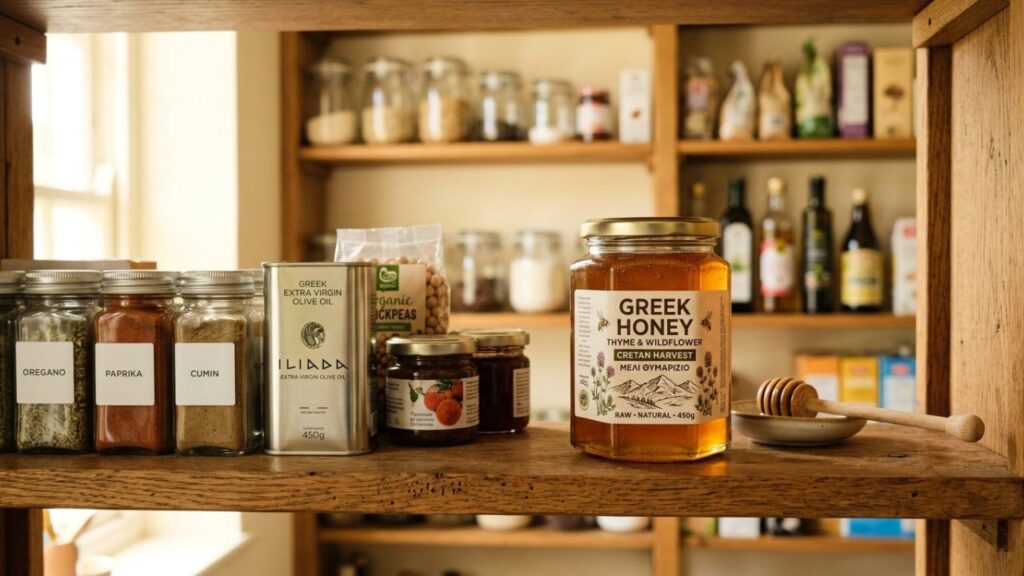
Greek honey jar stored in kitchen pantry
Store Greek honey at room temperature for best quality.

Storage Tips for Greek Honey

Best Way to Store Greek Honey

Store in a sealed glass jar at room temperature, away from direct sunlight, to preserve its natural aroma, texture, and nutritional quality. Avoid refrigeration because cold temperatures can speed up crystallization and make the honey thicker and harder to use in cooking.

How to Fix Crystallized Honey

If Greek honey starts to crystallize, it is completely natural and does not mean it has gone bad. Simply place the jar in warm (not boiling) water for a few minutes until it slowly returns to a smooth, liquid form while keeping its original flavor intact.


Greek honey burning in pan due to high heat
Avoid high heat and overuse to preserve flavor.

Common Cooking Mistakes

Using Too Much Heat

One common mistake is cooking honey on very high heat, which can quickly burn it and create a bitter taste. To avoid this, always use low to medium heat so the honey blends smoothly into recipes without losing its natural sweetness.

Overusing in Recipes

Another mistake is adding too much honey, which can overpower other ingredients and make the dish overly sweet. It is better to start with small amounts and adjust gradually to maintain a balanced flavor in both sweet and savory dishes.

Poor Flavor Pairing

Using strong honey varieties with very delicate ingredients can easily disrupt the balance of a dish. It is important to match the intensity of with the right foods so that flavors complement each other instead of competing.


Frequently Asked Questions

1. Is sweeter than regular honey?

Greek honey usually tastes richer and more aromatic because of its natural floral and herbal sources. However, actual sweetness depends on the specific flowers and plants the bees feed on.

2. Can be used in baking?

Yes, Greek honey works very well in baking such as cakes, cookies, muffins, and breads because it adds moisture and helps keep baked goods soft for longer.

3. Does Greek honey need refrigeration?

No, Greek honey does not need refrigeration and should be stored at room temperature in a sealed container to maintain its natural texture and flavor.

4. Why does Greek honey crystallize?

Crystallization is a natural process in pure honey and usually indicates minimal processing rather than spoilage or poor quality.

5. Which variety works best in savory recipes?

Pine and thyme honey are commonly used in savory dishes because their earthy, herbal notes balance well with meats, vegetables, and cheeses.

6. Can replace sugar in recipes?

Yes, it can replace sugar in many recipes, but slight adjustments may be needed because honey adds extra moisture and changes texture.


Conclusion

Greek honey is a natural and versatile ingredient that can enhance both the flavor and quality of everyday meals. When used in moderation, it adds depth, aroma, and balanced sweetness to a wide range of dishes, from breakfast recipes to baked goods and savory meals. Paying attention to portion size and how it is used in cooking helps you enjoy its benefits without overconsuming natural sugars.

While I’m not a nutritionist, experts like Dr. Michael Greger emphasize that natural sweeteners, including should still be used in moderation as part of a balanced diet. By choosing whole, minimally processed foods and using ingredients mindfully, Greek honey can be enjoyed as a flavorful part of a healthy and well-balanced lifestyle.


About the Author

Oliver Brooks is a home cook and food writer who enjoys exploring Mediterranean ingredients through approachable everyday recipes while focusing on balanced flavors and practical cooking techniques.

Leave a Comment

Your email address will not be published. Required fields are marked *

Scroll to Top