
After surgery, everyday eating routines may need temporary adjustments, especially when chewing, swallowing, or digestion feels uncomfortable. Soft foods can make mealtimes easier by providing gentle textures that are easier to eat while still offering important nutrients and energy during recovery.
This article explores practical soft food choices that can fit comfortably into a recovery diet, along with simple preparation ideas and ways to maintain variety. Choosing nourishing, easy-to-eat meals can help make mealtimes more comfortable while supporting overall nutritional needs during the healing period.
What Are soft foods after surgery?
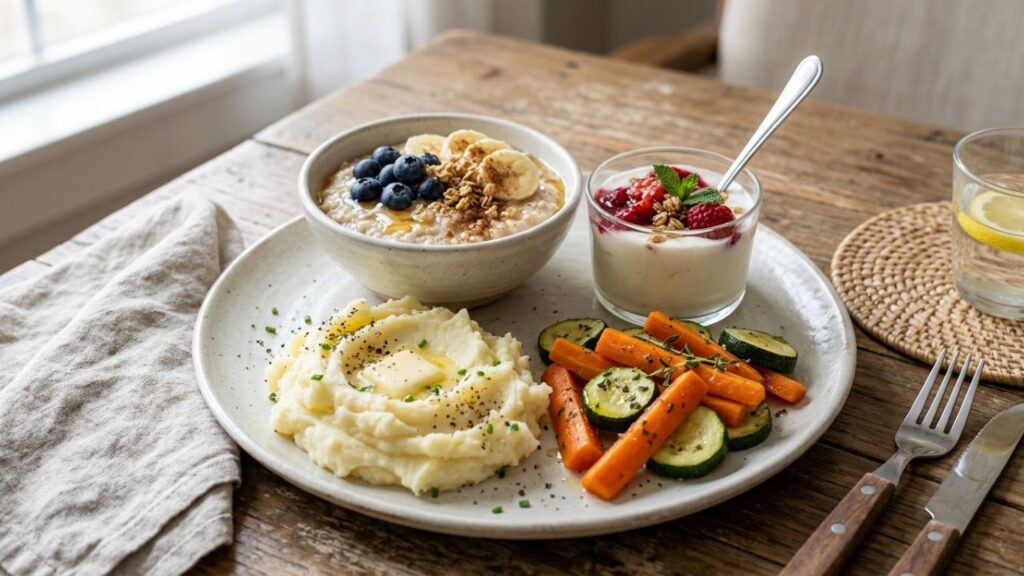
Soft foods after surgery are meals and ingredients that are soft, moist, tender, and require little chewing, making them easier to eat during recovery. Common choices include oatmeal, yogurt, scrambled eggs, mashed potatoes, soft pasta, smoothies, and blended soups. These foods can provide variety while being gentler when chewing or swallowing is uncomfortable. Their mild yet adaptable flavors can also be enhanced with gentle seasonings, herbs, and nutritious ingredients.

Meal Ideas and Food Inspiration
Snack Ideas: Applesauce, creamy cottage cheese with soft fruit, and smoothies made with yogurt, milk, and soft fruits offer convenient options between meals.
Breakfast Ideas: Smooth oatmeal with mashed banana, creamy scrambled eggs with mashed avocado, or yogurt topped with fruit puree can provide a gentle and satisfying start to the day.
Lunch Ideas: Blended vegetable soups, soft pasta with smooth sauces, or mashed sweet potatoes with shredded chicken or tender fish make nourishing midday choices.
Dinner Ideas: Soft baked fish with mashed potatoes, creamy risotto, or slowly cooked vegetables can create comforting and easy-to-eat evening meals.
| Prep Time | Cook Time | Total Time | Servings |
|---|---|---|---|
| 15 minutes | 20 minutes | 35 minutes | 4 servings |
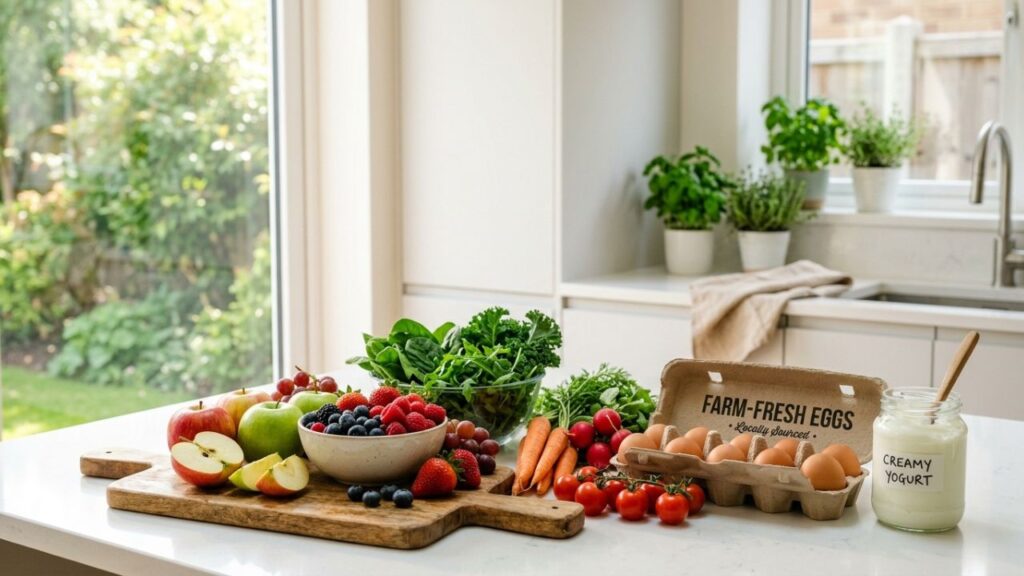
Ingredients
1 cup rolled oats
2 ripe bananas, mashed
1 cup plain yogurt
2 eggs
1 medium potato, peeled and mashed
1 cup carrots, cooked and softened
1 cup butternut squash, cooked
1 cup soft cooked rice
1 tablespoon olive oil
1 cup shredded chicken or tender fish
| Ingredient | Alternative |
|---|---|
| Rolled oats | Cream of wheat or rice cereal |
| Bananas | Applesauce or mashed pear |
| Plain yogurt | Cottage cheese or ricotta |
| Eggs | Soft tofu |
| Potatoes | Mashed sweet potatoes |
| Carrots | Cooked pumpkin or squash |
| Butternut squash | Mashed pumpkin or sweet potato |
| Cooked rice | Soft pasta or quinoa |
| Olive oil | Butter or avocado oil |
| Shredded chicken | Tender fish or soft tofu |
Step-by-Step Guide to Preparing Soft Meals
Step 1
Choose naturally soft ingredients such as oats, potatoes, rice, ripe fruits, and tender vegetables. These foods become easier to chew when prepared properly and can form a gentle base for recovery meals. For another related idea, you can explore soft food meal ideas for dental comfort .
Step 2
Cook the selected ingredients until they are fully tender and easy to break apart with a fork. Vegetables, grains, and proteins should be cooked appropriately while maintaining a comfortable texture. For official food-preparation and safety guidance, see USDA Safe Food Handling and Preparation.
Step 3
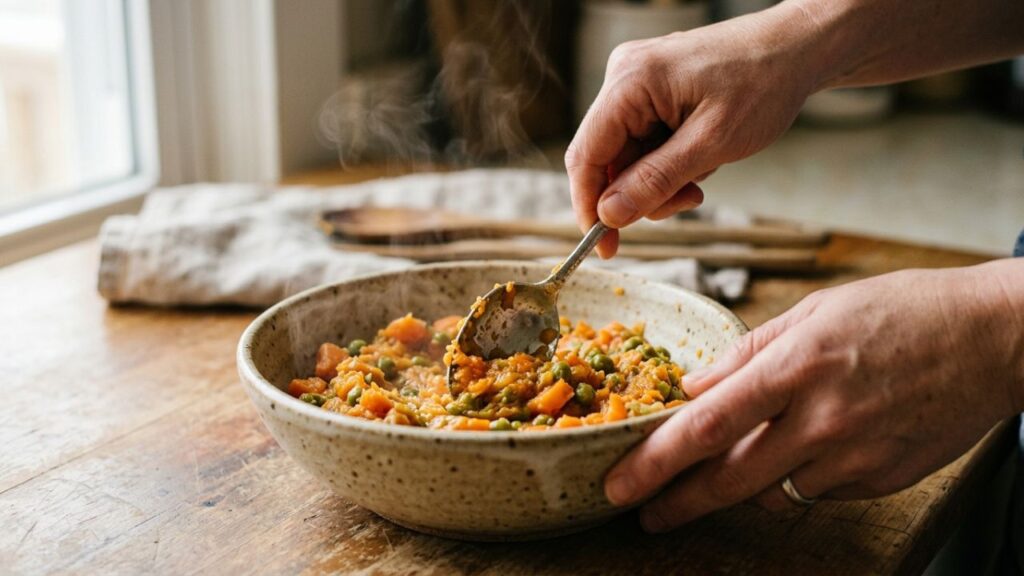
Adjust the consistency according to your needs by adding a little broth, milk, or yogurt. Mashing or blending ingredients can make meals smoother and easier to eat while keeping their natural flavor.
Step 4
Add flavor with mild herbs, gentle spices, and flavorful broths rather than using overly strong seasonings. Fresh ingredients and simple flavor combinations can make soft meals more enjoyable while keeping their texture comfortable.
Serving Suggestions
| Serving Option | Best For |
|---|---|
| Best Serving Temperature | Serve soft foods slightly warm or at room temperature for greater comfort. Avoid extremely hot or cold foods if they cause discomfort during recovery. |
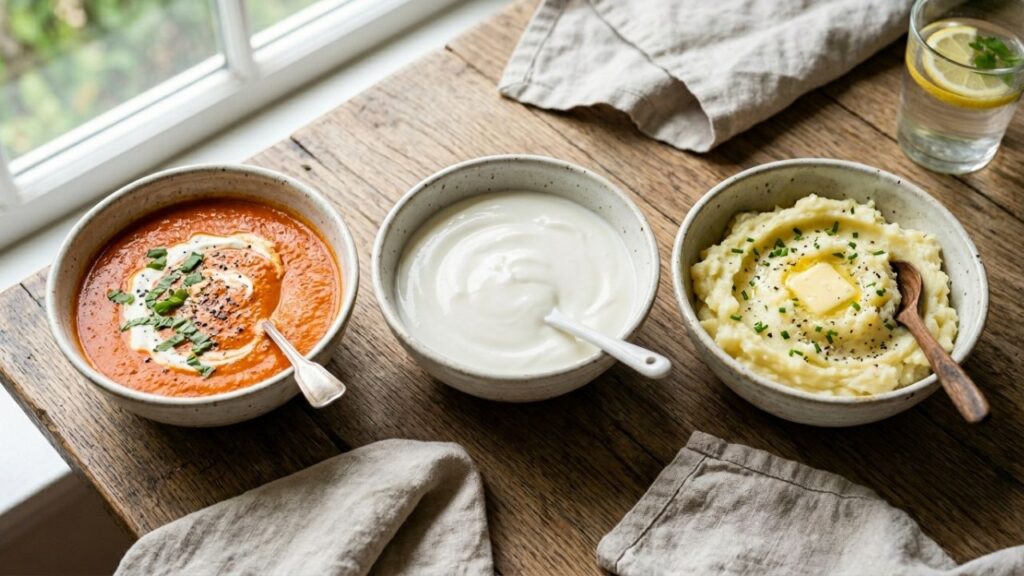
| Easy and Gentle Presentation | Serve soups in bowls, mashed foods neatly on plates, and yogurt or smoothies in cups. Simple presentation makes meals more appealing and easier to enjoy. |
| Portion Size and Frequency | Offer smaller portions throughout the day rather than very large meals. Several light meals can make eating more manageable and help maintain energy. |

Seasonal Meal Inspiration
Creative Leftover Ideas: Blend leftover vegetables into soups or turn extra oatmeal into a quick breakfast. This helps reduce food waste while keeping meals varied and convenient.
Spring & Summer Ideas: Choose lighter options such as fresh fruit smoothies and chilled vegetable soups. These meals are refreshing, nutritious, and easy to enjoy during warmer weather.
Fall & Winter Ideas: Prepare comforting foods such as creamy pumpkin soup, roasted squash, and mashed root vegetables. Their soft textures make them suitable for cooler days.
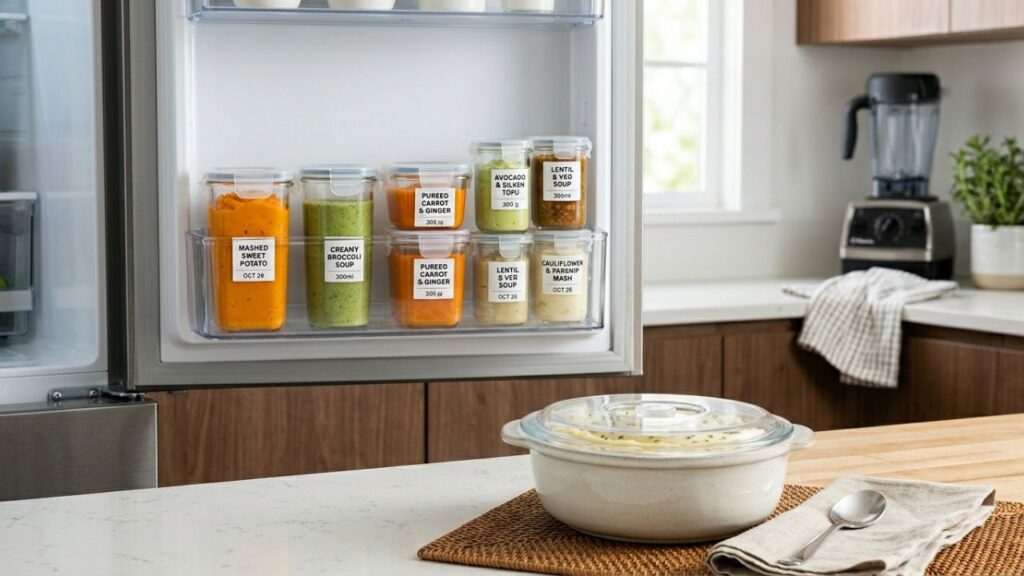
Storage and Reheating Tips
Food Safety Reminder: Avoid leaving prepared foods at room temperature for extended periods. Proper refrigeration, freezing, and reheating help maintain both food quality and safety.
Refrigerating Soft Foods: Store prepared soft meals in airtight containers and refrigerate them promptly. USDA recommends using most refrigerated leftovers within 3 to 4 days. For official guidance, see USDA Leftovers and Food Safety.
Freezing for Future Meals: Soups, purees, and mashed vegetables can be divided into individual portions before freezing. This makes future meals easier to thaw and helps reduce waste.
Reheating Successfully: Reheat soft foods thoroughly on the stovetop or in the microwave, stirring when needed for even heating. Add a little broth, milk, or yogurt afterward if the food needs extra moisture or a smoother consistency.

Mistakes to Avoid
Soft foods can sometimes focus too much on texture while overlooking proper nutrition, so include protein, fruits, vegetables, and grains when suitable. Repeating the same foods too often can also make meals boring, so adding variety is helpful. If your doctor has given specific dietary instructions after surgery, always follow those recommendations.
Frequently Asked Questions
1. What are the easiest soft foods to eat after surgery?
Mashed potatoes, yogurt, oatmeal, applesauce, scrambled eggs, and blended soups are among the easiest soft foods to eat after surgery. These options are gentle on the stomach, easy to chew and swallow, and help provide basic nutrition during recovery.
2. Can soft foods still be filling?
Yes, soft foods can still be filling when they include protein-rich ingredients and wholesome carbohydrates. Meals like eggs, yogurt, oatmeal, and mashed vegetables help maintain energy and keep you satisfied for longer.
3. Are smoothies considered soft foods?
Yes, smoothies are commonly considered soft foods because they are easy to drink and very versatile. They can be made with fruits, yogurt, milk, and other nutritious ingredients to support recovery.
4. How can I add more flavor to soft foods?
You can add flavor to soft foods using fresh herbs, mild spices, flavorful broths, and roasted vegetables. These ingredients improve taste while still keeping the texture soft and easy to eat.
5. Can soft foods be prepared ahead of time?
Yes, many soft foods such as soups, mashed vegetables, oatmeal, and purees can be prepared in advance. They can also be stored in the fridge or freezer for quick and easy meals later.
6. Do soft foods have to be bland?
No, soft foods do not have to be bland at all because proper seasoning and fresh ingredients can make them tasty. With a little creativity, soft meals can be both comforting and flavorful.
Conclusion
Choosing the right soft foods after surgery is essential for meals that are comfortable, nourishing, and enjoyable. Soft foods like creamy breakfasts, blended soups, tender proteins, and mashed vegetables can provide both variety and comfort, making recovery easier without sacrificing flavor or satisfaction. Paying attention to texture and preparation ensures that meals remain gentle on the body while still being appealing and wholesome.