
Yak meat is a lean red meat traditionally eaten in Himalayan and other high-altitude regions where yaks are raised. It has a rich, savory flavor and can be firmer than some common cuts of beef, so choosing the right cooking method is important.
In this guide, you’ll learn how to select yak meat, prepare it with simple ingredients, cook it until tender, serve it with suitable sides, and store leftovers safely.
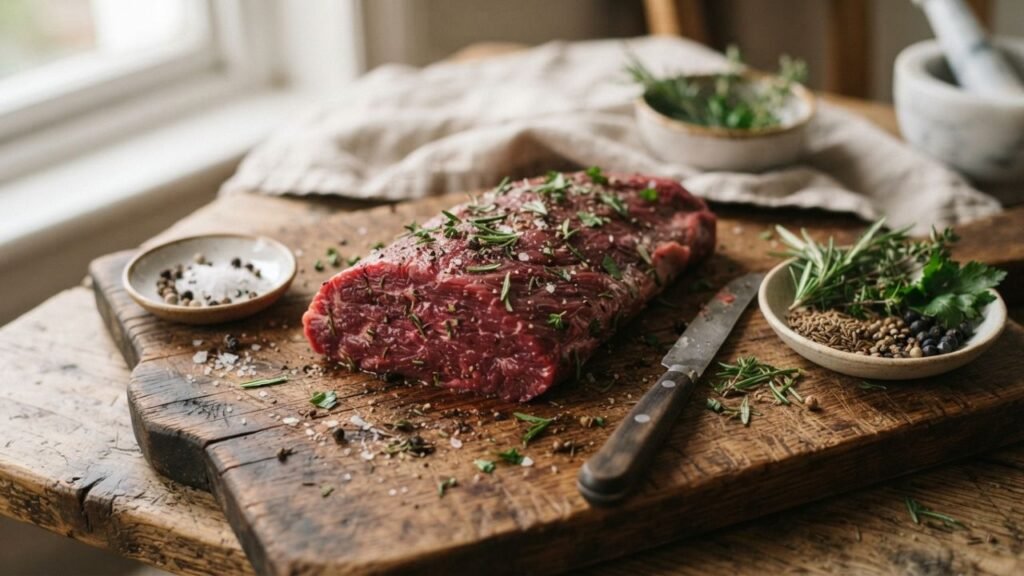
What Is Yak Meat?
Yak meat comes from domesticated yaks, animals closely associated with mountainous areas of Central and South Asia. It is naturally lean and can have a firm texture, especially when it comes from well-used muscles. The flavor is generally savory and earthy with a mild gamey quality, although taste can vary depending on the animal, cut, age, and cooking method.
| Prep Time | Cook Time | Total Time | Servings |
|---|---|---|---|
| 20 minutes | 2–3 hours | 2 hr 20 min–3 hr 20 min | 4 servings |
Ingredients
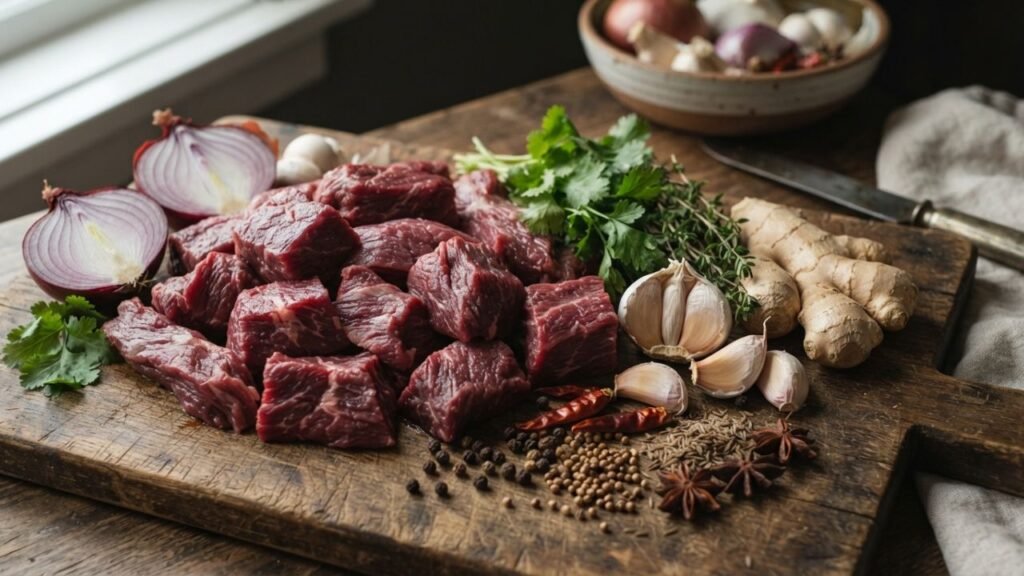
- 1½–2 lb yak meat, cut into medium pieces
- 1 tablespoon cooking oil
- 1 medium onion, chopped
- 3 cloves garlic, minced
- 1 tablespoon fresh ginger, grated
- 2 cups beef or yak broth
- 1 teaspoon black pepper
- 1 teaspoon cumin
- 1 teaspoon coriander
- ½ teaspoon paprika
- 2 medium carrots, chopped
- 2 medium potatoes, cut into chunks
- Salt, to taste
- Fresh parsley or cilantro, optional
Ingredient Alternatives
| Ingredient | Alternative |
|---|---|
| Yak meat | Beef stew meat |
| Yak broth | Beef broth or low-sodium stock |
| Onion | Shallots |
| Fresh ginger | Dried ginger |
| Carrots | Turnips or squash |
| Potatoes | Sweet potatoes |
| Cumin | Ground coriander |
| Fresh herbs | Dried herbs |
| Beef broth | Water with a small amount of seasoning |
Tougher yak cuts are ideal for slow cooking, while naturally tender pieces can be used for grilling, roasting, or quick pan-searing. Choose fresh ingredients and adjust the vegetables according to what is available.
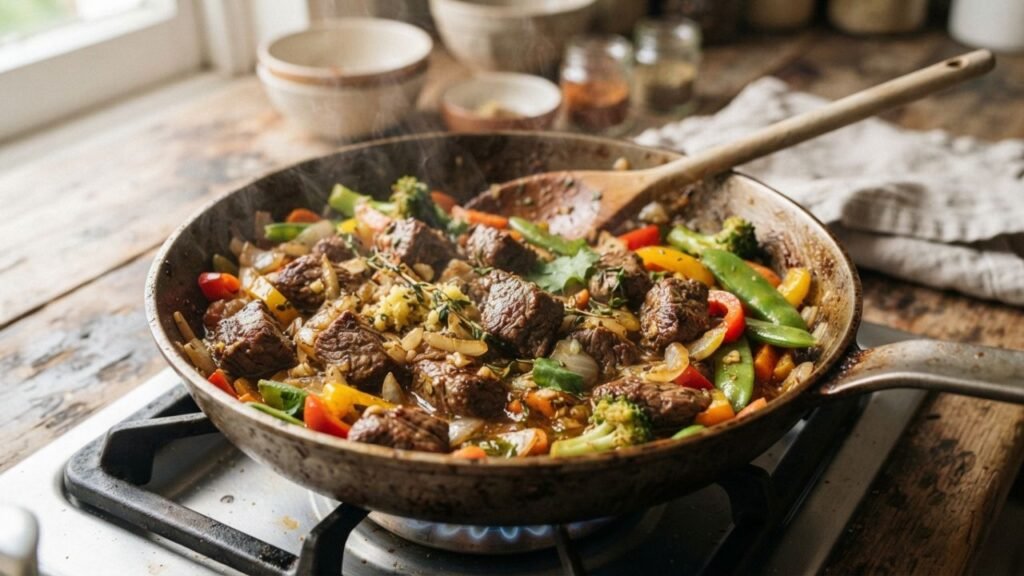
Step-by-Step Cooking Method
Step 1
Cut the yak meat into evenly sized pieces and trim away any unwanted surface tissue. Pat the meat dry with paper towels before seasoning so it can brown properly in the pan. For general safe handling of raw meat, follow the USDA’s “Safe Food Handling and Preparation” guidance.
Step 2
Heat a heavy pot over medium-high heat and add a small amount of cooking oil. Brown the meat in batches, leaving enough space between the pieces so they sear instead of releasing too much moisture. Remove the browned meat and set it aside.
Step 3
Lower the heat and add chopped onion, garlic, and ginger to the same pot. Cook for a few minutes until the onion softens and the aromatics become fragrant. Scrape up any browned pieces from the bottom because they add extra flavor to the cooking liquid.
Step 4
Return the yak meat to the pot and add enough broth or water to partially cover it. Add carrots, potatoes, black pepper, cumin, coriander, or other preferred seasonings. Bring the liquid to a gentle simmer rather than a rapid boil.
Step 5
Cover the pot and cook over low heat for about 1½ to 3 hours, depending on the cut and size of the pieces. Check occasionally and add a little broth or water if the liquid becomes too low. The meat should become tender enough to pierce easily with a fork.
Step 6
Remove the lid near the end if the sauce is too thin and allow it to reduce slightly. Taste the sauce and adjust the salt and seasonings gradually. If the meat is still firm, continue cooking gently rather than increasing the heat.
Step 7
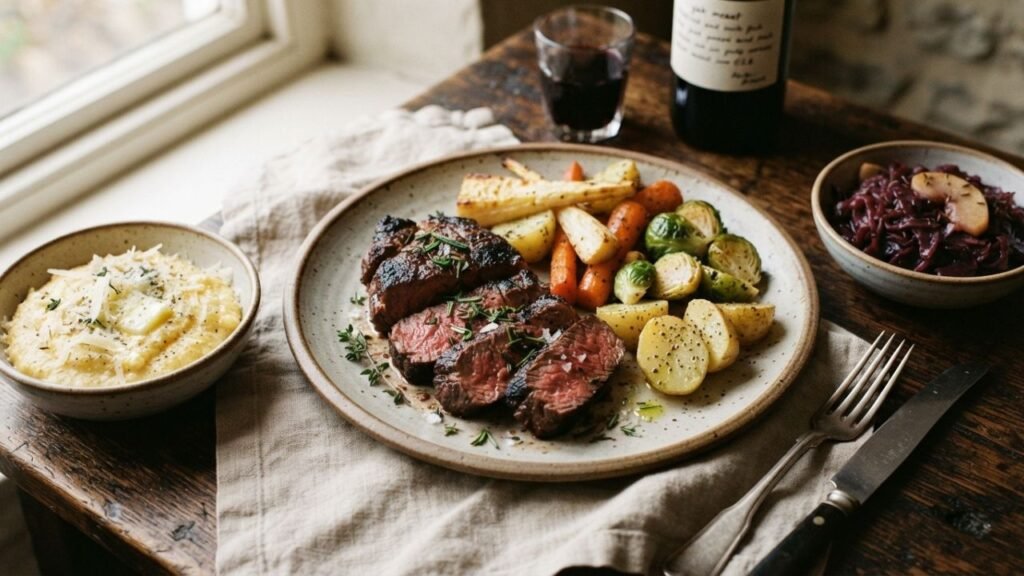
Remove the pot from the heat and let the dish rest briefly before serving. Spoon the yak meat and sauce over rice, potatoes, noodles, or another preferred side.
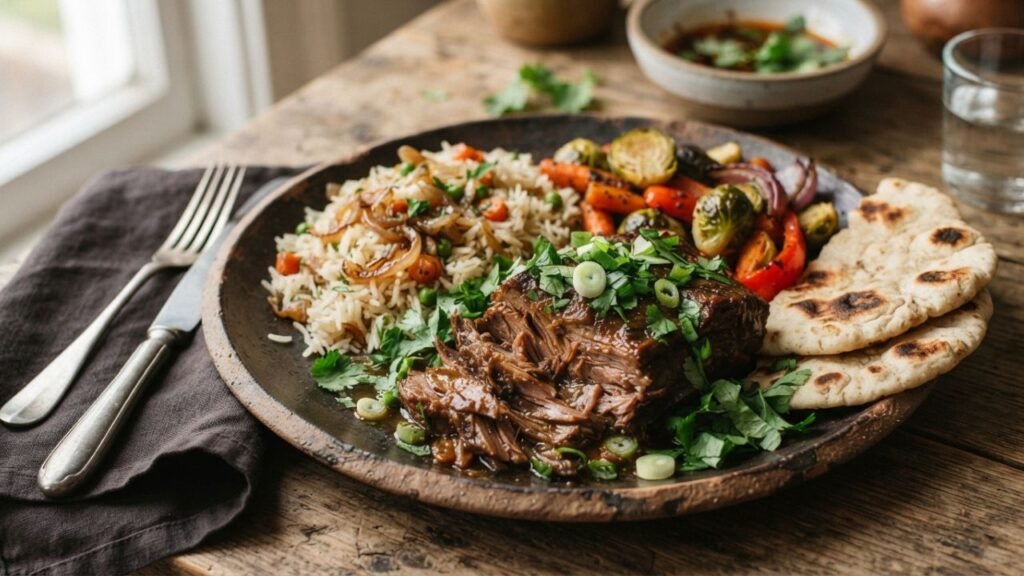
Serving Ideas
| Side Dish | How It Complements Yak Meat |
|---|---|
| Rice | Absorbs the flavorful cooking sauce |
| Potatoes | Makes the meal hearty and filling |
| Green salad | Adds freshness and crunch |
| Roasted vegetables | Provides sweetness and texture |
| Noodles | Works well with saucy preparations |
| Flatbread | Useful for scooping up meat and sauce |
For extra freshness, finish the dish with chopped parsley, cilantro, or a small squeeze of lemon.
Seasonal and Occasion Variations
Leftovers: Shred cooked yak meat and add it to soup, fried rice, noodles, wraps, or vegetable hash.
Spring & Summer: Use tomatoes, fresh herbs, leafy greens, cucumber, and lighter vegetables for a fresher meal.
Fall & Winter: Combine yak meat with potatoes, carrots, mushrooms, squash, and other hearty vegetables.
Family Meals: Prepare a simple one-pot braise and serve it with rice, potatoes, or flatbread.
Holiday Meals: Cook the meat ahead of time and gently reheat it in its sauce before serving.
Storage & Reheating Tips
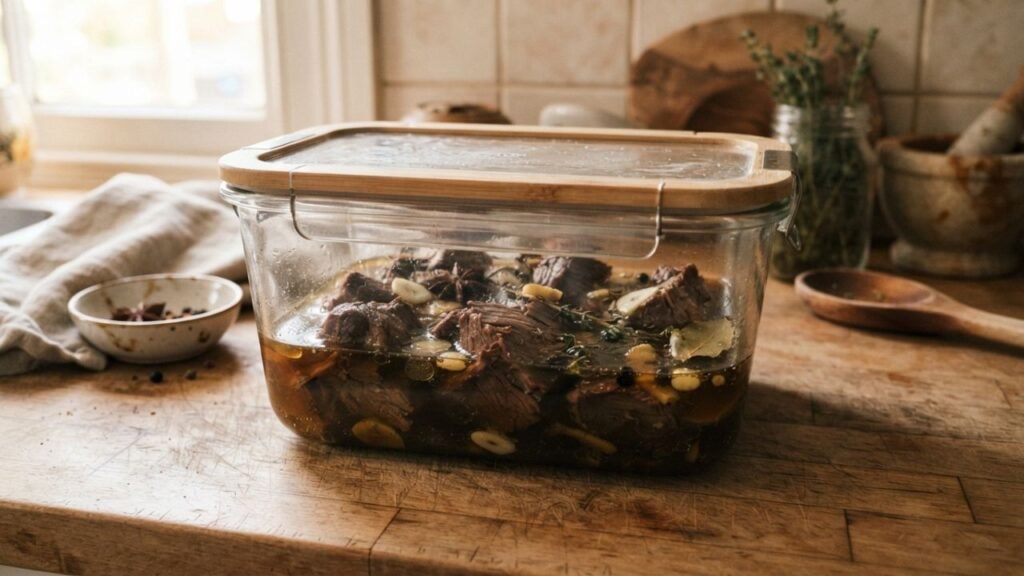
- Refrigerating: Transfer cooked yak meat to a clean, covered container and refrigerate it promptly. For best quality, use refrigerated leftovers within 3–4 days.
- Freezing: Freeze portions in airtight, freezer-safe containers. Adding some cooking sauce can help prevent the meat from drying out.
- Reheating: Warm the meat gently in a covered saucepan with a little broth or sauce. Heat it thoroughly before serving.
- Safe Storage: If leftovers have been left out too long or develop an unusual smell, appearance, or mold, discard them rather than tasting them to check whether they are safe.
For more information about safely storing and reheating leftovers, follow the USDA’s :”Leftovers and Food Safety” guidance.

Mistakes to Avoid
Avoid using high heat for a long time when cooking tougher yak cuts, as this can make the meat dry without properly tenderizing it. Do not overcrowd the pot when browning, and avoid adding too much salt or strong seasoning at the beginning. Cut the meat into similar-sized pieces, keep enough cooking liquid in the pot, and give tougher cuts enough time to soften over gentle heat.
Frequently Asked Questions About Cooking
1. Is Yak Meat Tough?
Some yak meat cuts can be firm because the meat is naturally lean and certain muscles contain more connective tissue. Tougher cuts usually become much more tender when cooked slowly with enough moisture, while naturally tender cuts require shorter cooking times.
2. What Is the Best Way to Cook Yak Meat?
Slow braising or stewing is a reliable method for tougher yak cuts because the gentle heat gives connective tissue time to soften. Naturally tender cuts can instead be grilled, pan-seared, or roasted, provided they are not cooked for longer than necessary.
3. How Long Should Yak Meat Be Cooked?
Cooking time depends on the cut, thickness, and size of the pieces. A tougher braising cut may need around 1 1⁄2 to 3 hours over low heat, while tender cuts can be ready much sooner, so texture should always be checked during cooking.
4. What Seasonings Go Well With Yak Meat?
Garlic, ginger, onion, black pepper, cumin, coriander, paprika, and fresh herbs pair naturally with yak meat. These ingredients provide warmth and depth while allowing the savory character of the meat to remain noticeable.
5. Can Yak Meat Be Cooked Like Beef?
Many familiar beef cooking methods can be adapted for yak meat, including braising, stewing, roasting, grilling, and pan-searing. The main difference is that yak meat is generally leaner, so careful control of cooking time and temperature is particularly important.
6. Can Cooked Yak Meat Be Frozen?
Yes, cooked yak meat can be frozen in an airtight, freezer-safe container. Including some of the cooking sauce or broth helps protect the meat from drying out and usually makes the reheated dish more enjoyable.
Conclusion
Yak meat is a flavorful and versatile ingredient that can be prepared in many comforting ways, from slow-cooked stews to grilled and pan-seared dishes. With the right cooking method, balanced seasoning, and careful attention to texture, even tougher cuts can become tender and satisfying meals.
While I’m not a medical professional, Dr. Dariush Mozaffarian, a U.S.-based cardiologist and nutrition expert at Tufts University, emphasizes that unprocessed red meat is best enjoyed in moderation as part of an overall healthy eating pattern. By choosing reasonable portions of yak meat and pairing it with vegetables, whole grains, and other minimally processed foods, you can enjoy this distinctive meat as part of a balanced and health-conscious diet.