
Tromboncino squash recipes is one of those unique seasonal vegetables that can bring freshness, color, and comforting flavor to everyday meals. Known for its long curved shape, tender texture, and mild slightly sweet taste, this Italian heirloom squash works beautifully in roasted dishes, pasta, soups, side dishes, and many simple homemade recipes. With gentle cooking and balanced seasoning, tromboncino squash can develop a delicious flavor while still maintaining its natural texture.
This guide covers what tromboncino squash is, how to choose fresh squash, the best cooking methods, serving ideas, storage tips, and common mistakes to avoid. You’ll also discover practical ways to use this seasonal vegetable in everyday meals.
What Is Tromboncino Squash?
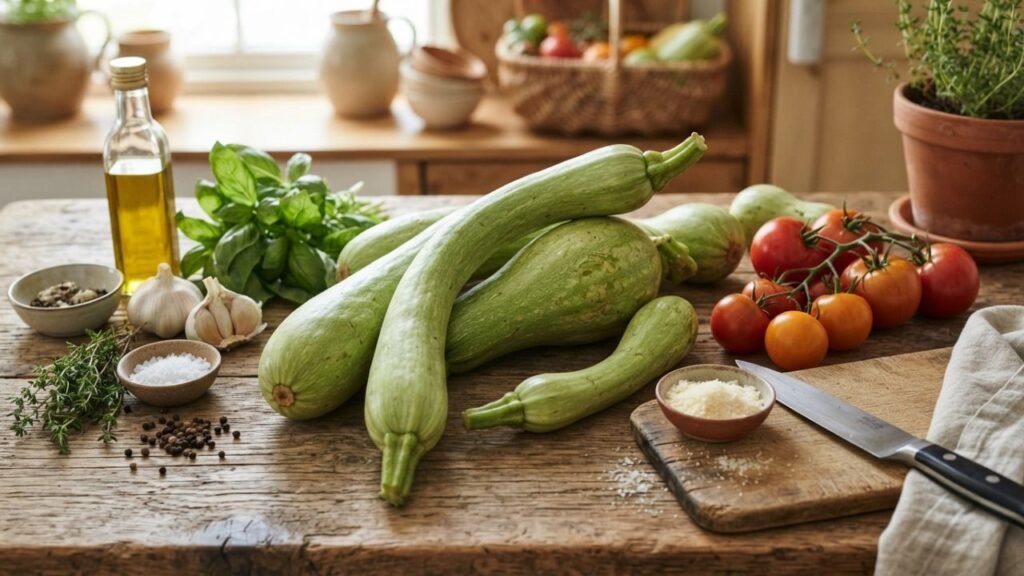
Tromboncino squash is an Italian heirloom variety from the Cucurbita moschata family, known for its long, curved shape and mild, slightly sweet flavor. It has pale green skin, tender flesh, and small seeds when harvested young. This versatile squash can be roasted, sautéed, grilled, or added to pasta, soups, and vegetable dishes. Its simple flavor pairs well with garlic, olive oil, fresh herbs, and tomatoes.

| Prep Time | Cook Time | Total Time | Servings |
|---|---|---|---|
| 10 minutes | 25 minutes | 35 minutes | 4 servings |
Ingredients
2 medium tromboncino squash
2 tablespoons olive oil
2 cloves garlic, minced
1 teaspoon black pepper
½ teaspoon salt
1 teaspoon dried herbs
1 tablespoon fresh lemon juice
2 tablespoons grated Parmesan cheese, optional
2 tablespoons breadcrumbs, optional
Fresh parsley or basil for garnish
Ingredient Alternatives
| Ingredient | Alternative |
|---|---|
| Tromboncino squash | Zucchini or yellow squash |
| Olive oil | Avocado oil |
| Fresh garlic | ½ teaspoon garlic powder |
| Black pepper | White pepper |
| Dried herbs | Fresh thyme, rosemary, or parsley |
| Lemon juice | Apple cider vinegar |
| Parmesan cheese | Pecorino or nutritional yeast |
| Breadcrumbs | Crushed crackers or toasted nuts |
| Fresh parsley | Fresh basil or cilantro |

Step-by-Step Cooking Method
Step 1
Wash and dry the tromboncino squash recipes before preparing it. Young squash usually does not need peeling, while larger squash may have tougher skin and larger seeds that are better removed. For more vegetable preparation and food-safety guidance, follow the USDA’s official food safety guidance. Cut the squash into evenly sized pieces so they cook consistently.
Step 2
For roasting, toss the prepared squash with olive oil, garlic, salt, pepper, and fresh or dried herbs. Make sure the pieces are lightly coated without being overly covered in oil.
Step 3
Spread the squash in a single layer on a baking tray. Leave some space between the pieces so hot air can circulate and help the edges become lightly golden rather than allowing the squash to steam.
Step 4
Roast at around 400°F (200°C) for approximately 20–30 minutes, depending on the thickness of the pieces. Turn or stir the squash partway through cooking so it browns more evenly.
Step 5
Remove the squash when it becomes tender but still holds its shape. Avoid cooking it for too long because excessive cooking can make the vegetable soft and watery.
Step 6
Finish with fresh herbs, lemon zest, Parmesan, toasted breadcrumbs, or another preferred topping. Serve immediately as a side dish or combine with pasta, grains, or other vegetables.
Serving Suggestions
| Serving Idea | Best For |
|---|---|
| Squash Meal Ideas | Tromboncino squash makes a flavorful side dish that pairs well with grilled chicken, roasted fish, baked meals, and vegetarian dishes. It also works nicely with rice, pasta, couscous, and grain bowls, adding freshness and a tender texture to the plate. |
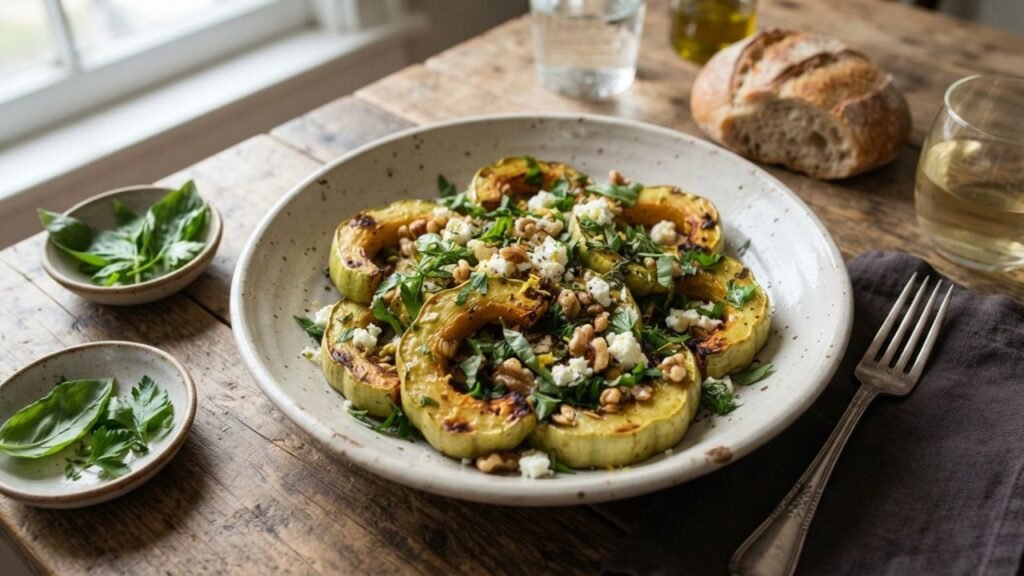
| Simple Presentation | Arrange roasted tromboncino squash on a serving plate and finish with fresh parsley or basil, a drizzle of olive oil, Parmesan cheese, or a little lemon zest. For family meals, serve it in a large bowl, or pair individual portions with a fresh salad and a simple protein. |
| Creative Leftovers | Leftover cooked squash can be added to pasta, omelets, soups, sandwiches, wraps, or grain bowls. You can also mix it with other roasted vegetables to create a quick and satisfying meal while reducing food waste. |

Seasonal or Occasion Variations
Creative Leftover Ideas: Use leftover roasted squash in grain bowls, pasta, sauces, soups, or vegetable spreads. These simple ideas make meal planning easier while helping reduce food waste.
Fresh Squash Recipes: During warmer months, pair tromboncino squash with tomatoes, basil, lemon, and other fresh vegetables. Grilled squash, light salads, and quick pasta dishes make refreshing summer meals.
Seasonal Squash Ideas: In cooler weather, use tromboncino squash in creamy soups, baked casseroles, and slow-cooked vegetable dishes. Roasted garlic, beans, potatoes, and warming herbs can create comforting meals.
Holiday and Gathering Ideas: For holidays and family gatherings, bake the squash with herbs, cheese, and breadcrumbs. It can also be combined with other seasonal vegetables to create a colorful roasted vegetable platter.
Storage & Reheating Tips
Freezing Tromboncino Squash: Cooked squash can be frozen for use in soups, sauces, and other cooked dishes. Store it in a freezer-safe container and use it within a few months for the best quality.
Best Reheating Methods: Reheat squash gently in the oven or on the stovetop to help maintain its texture. Add fresh herbs, a little olive oil, or seasoning to refresh the flavor. For more food-storage guidance, follow the USDA’s Leftovers and Food Safety guide.
Tromboncino Squash Storage: Store fresh squash in a cool, dry place or refrigerate it when the kitchen is warm. Avoid washing it until you are ready to cook, as excess moisture can reduce freshness.
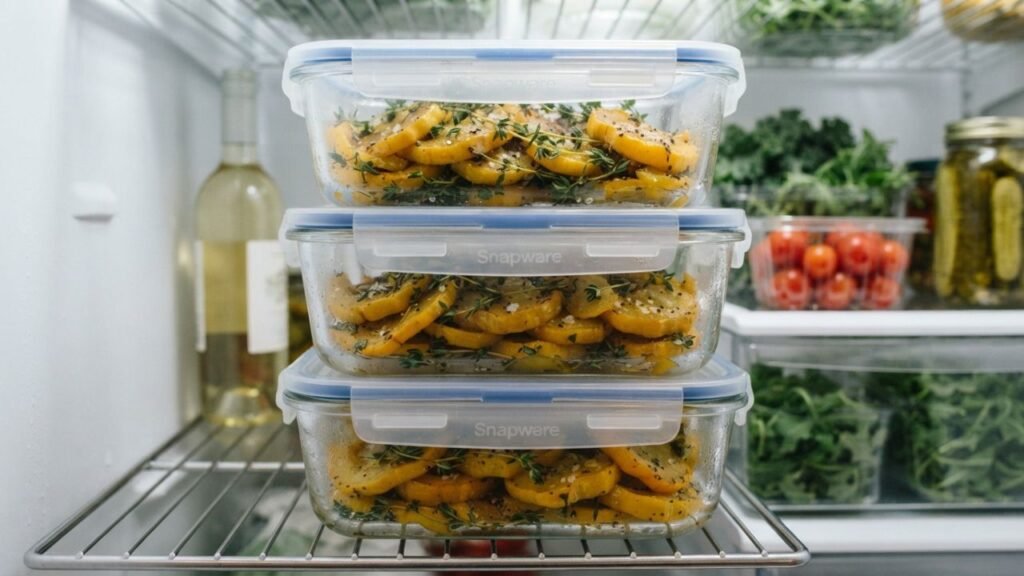
Storing Cooked Squash: Allow cooked squash to cool, then place it in an airtight container and refrigerate. For the best quality, use it within 3–4 days.

Mistakes to Avoid
Avoid using too much oil or heavy seasoning, as it can hide the mild, slightly sweet flavor of tromboncino squash recipes. Make sure the pieces are cut evenly so they cook at the same rate and develop a consistent texture. When roasting, leave enough space between the pieces so they can brown properly instead of becoming soggy. Also, choose squash that is firm and fresh, as older or damaged squash may have a less pleasant texture.
Frequently Asked Questions
1. What is the best way to cook tromboncino squash?
Roasting is one of the easiest methods because it enhances the squash’s natural sweetness while creating a tender texture. However, it can also be grilled, sautéed, baked, or added to soups.
2. Do you need to peel tromboncino squash before cooking?
Young tromboncino squash does not usually need peeling because the skin is soft and edible. Larger squash may have firmer skin that is better removed before cooking.
3. Can tromboncino squash be eaten raw?
Yes, young tromboncino squash can be eaten raw when sliced thinly. It can be added to salads or vegetable dishes for a fresh texture.
4. How does tromboncino squash differ from zucchini?
Tromboncino squash is related to zucchini but has a longer curved shape, firmer texture, and slightly sweeter flavor. It often holds its shape better during cooking.
5. Can tromboncino squash be used in pasta recipes?
Yes, it works very well in pasta dishes. It can be sautéed with garlic and herbs or added to sauces for a fresh vegetable-based meal.
6. How long does cooked tromboncino squash last in the refrigerator?
Cooked tromboncino squash can usually be stored in the refrigerator for about three to four days when kept in an airtight container.
Conclusion
Tromboncino squash is a versatile seasonal vegetable with a mild flavor and tender texture. It can be roasted, grilled, sautéed, or added to pasta, soups, and side dishes. With simple seasonings and fresh ingredients, it makes an easy and flavorful addition to everyday meals.