
Finding comfortable meals while wearing dentures can make everyday eating much easier, especially when hard, crunchy, or chewy foods feel uncomfortable. Soft foods for dentures offer plenty of tasty and nourishing options, including soups, mashed vegetables, yogurt, scrambled eggs, and tender cooked foods. With simple preparation, these foods can provide both comfort and variety without making meals feel limited.
Choosing the right textures and preparing food carefully can help make everyday meals more enjoyable. From gentle foods that are easy to chew to simple cooking ideas that improve softness and flavor, there are many practical ways to build satisfying meals while keeping comfort in mind.
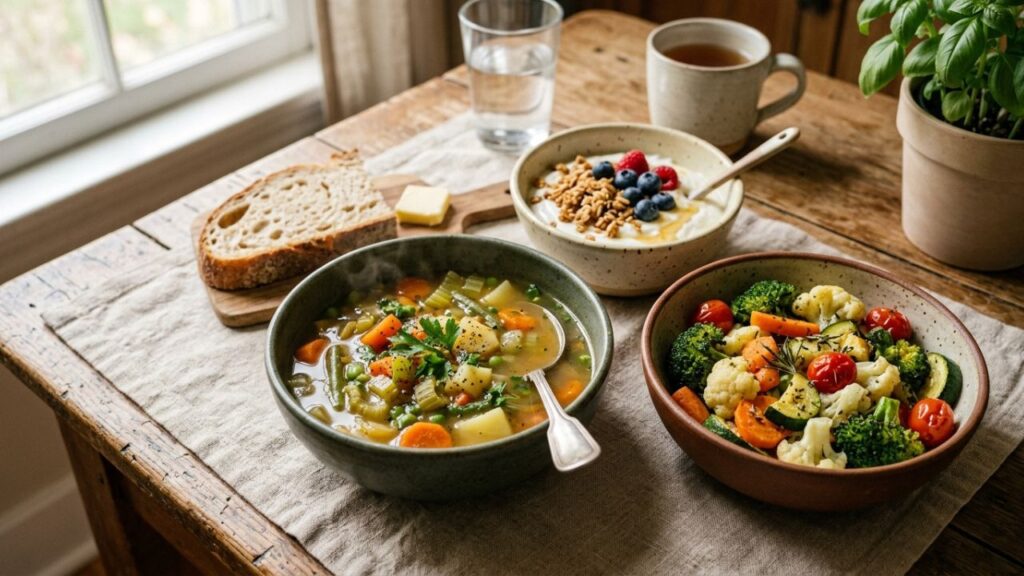
What Are Soft Foods for Dentures?
Soft foods for dentures are meals prepared with textures that are easier to chew and swallow comfortably. These foods are usually moist, tender, and cooked in ways that reduce strain on the gums and dentures while still delivering balanced flavor and nutrition.
Prep Time: 15 minutes | Cook Time: 25 minutes | Total Time: 40 minutes | Servings: 4 servings
Ingredients
Salt, to taste
2 cups cooked mashed potatoes
1 cup cooked rice
1 cup soft-cooked vegetables
1 cup shredded tender chicken
2 large eggs
½ cup plain Greek yogurt
1 tablespoon olive oil
½ teaspoon garlic powder
½ teaspoon dried herbs
| Ingredient | Alternative |
|---|---|
| Mashed potatoes | Mashed sweet potatoes |
| Rice | Soft-cooked pasta or oatmeal |
| Soft vegetables | Cooked zucchini, squash, or carrots |
| Chicken | Canned tuna or soft-cooked fish |
| Eggs | Soft scrambled eggs |
| Greek yogurt | Plain yogurt or cottage cheese |
| Olive oil | Unsalted butter |
| Garlic powder | Fresh minced garlic |
| Dried herbs | Fresh parsley or thyme |
| Salt | Mild seasoning blend |

Soft Foods for Dentures Cooking Method
Step 1
Use gentle methods such as simmering, steaming, slow cooking, or baking to make ingredients tender and moist. These techniques work well for vegetables, grains, and proteins while helping maintain their natural flavor.
Step 2
Cook vegetables such as carrots, zucchini, squash, cauliflower, and green beans until they are soft enough to mash easily with a fork. Avoid serving vegetables that remain firm or difficult to chew.
Step 3
Choose moist and tender proteins such as scrambled eggs, shredded chicken, flaky fish, ground turkey, or slow-cooked meat. Avoid overcooking, as dry or chewy meat can be harder to manage with dentures.
Step 4
Blend soups and mash ingredients such as potatoes, beans, and cooked vegetables to create a smoother consistency. Adding a little milk, butter, or broth can make the texture softer and easier to eat.
Step 5
Use herbs, garlic, broth, butter, soft cheese, and mild spices to add flavor without making the food difficult to eat. Taste the dish as you season it and adjust the flavors according to preference.
Step 6
Cook meat, poultry, eggs, and other ingredients thoroughly and handle food safely throughout preparation. For official food-safety temperatures and handling advice, see the USDA Food Safety and Inspection Service.

Serving Suggestions for Soft Foods for Dentures
| Serving Idea | Suggestions |
|---|---|
| Comforting Meal Pairings | Pair creamy soups with soft bread, grilled cheese, or tender rice dishes. Mashed sweet potatoes with baked fish or scrambled eggs with avocado also make gentle, satisfying combinations. |
| Drinks That Complement Soft Meals | Herbal tea, smoothies, milk, and light fruit juices can pair well with soft meals while providing hydration. |
| Simple Plating Ideas | Use shallow bowls, soft color contrasts, light herb garnishes, and neatly arranged portions to make meals look more appealing. |
| Serving for Family Meals | Soft casseroles, creamy pasta, rice bowls, and slow-cooked stews are easy to portion and serve family-style. |
| Portion Ideas for Smaller Homes | Prepare soups, mashed vegetables, and rice dishes in batches. Many soft meals can be stored and reheated, making them convenient for smaller households. |

Seasonal or Occasion Variations
Refreshing Leftover Ideas: Turn leftover vegetables into smooth soups, or combine shredded chicken, rice, and mashed potatoes into soft casseroles or easy lunch bowls.
Fresh Spring and Summer Meal Ideas: Try yogurt bowls, chilled soups, soft pasta, tender fish, and blended vegetable dishes for lighter seasonal meals.
Cozy Fall and Winter Comfort Foods: Creamy soups, macaroni dishes, mashed root vegetables, baked casseroles, and slow-cooked stews provide warm and comforting options.
Holiday-Friendly Soft Dishes: Tender turkey with gravy, soft stuffing, mashed vegetables, baked casseroles, and pumpkin desserts can make holiday meals easier to enjoy.

Storage & Reheating Tips
Important Food Safety Tips: Refrigerate perishable foods promptly and reheat leftovers thoroughly before serving. Proper storage and handling help maintain food quality and reduce the risk of foodborne illness.
Best Storage Practices: Allow soft meals to cool slightly, then transfer them into airtight containers. Proper sealing helps maintain freshness, flavor, and the soft texture.
Refrigeration: Most cooked soft foods can generally be stored in the refrigerator for 3–4 days when kept properly chilled.
Freezing: Soups, casseroles, mashed vegetables, rice dishes, and cooked proteins can be frozen in airtight, freezer-safe containers. Divide them into meal-sized portions and label them with the date for convenient storage and reheating. USDA Freezing and Food Safety
Reheating Without Drying Out Food: Reheat meals gently and add a little broth, milk, or sauce when needed to restore moisture and keep the food tender.

Common Mistakes to Avoid
Soft meals can quickly become less enjoyable when they turn dry, bland, or too chewy, especially when the texture is meant to be gentle. Keeping proteins moist, choosing naturally tender ingredients, and adding flavorful liquids can make a noticeable difference without complicated cooking. Even a short resting period before serving can help the dish settle into a smoother, more comfortable texture.
Frequently Asked Questions
1. What are the easiest foods to eat with dentures?
Foods with soft and moist textures are usually the easiest to eat while wearing dentures. Scrambled eggs, mashed potatoes, oatmeal, yogurt, soup, soft rice dishes, and tender fish are all gentle options that require less chewing and feel more comfortable during meals.
2. Are soft foods healthy for daily meals?
Yes, soft foods can absolutely be part of a healthy and balanced daily diet when prepared with nutritious ingredients. Meals that include cooked vegetables, protein sources, healthy fats, dairy products, and whole grains can provide important vitamins and nutrients while still being easy to eat.
3. Can denture wearers eat pasta?
Soft cooked pasta is often one of the most practical and satisfying meal choices for denture wearers. Pasta served with smooth sauces, soft vegetables, or tender proteins creates a filling meal that is easy to chew and comfortable to enjoy.
4. How can I make meat easier to chew?
Cooking methods make a major difference when preparing meat for softer meals. Slow cooking, braising, shredding, or using ground meat helps create a tender texture that is much easier to chew while still keeping the meat flavorful and moist.
5. What vegetables work best for soft meals?
Vegetables that soften well during cooking are usually the most comfortable option for denture-friendly meals. Potatoes, carrots, zucchini, squash, cauliflower, and green beans become tender after steaming, roasting, or simmering and work well in many dishes.
6. Are smoothies good for denture wearers?
Smoothies are a helpful option because they are easy to drink while still providing important nutrients and hydration. Blending fruits, yogurt, milk, oats, or soft vegetables together can create a balanced snack or light meal that feels refreshing and gentle to consume.
Conclusion
Soft foods for dentures are a practical and comforting way to make everyday eating easier while supporting proper nutrition during adjustment or recovery. Focusing on tender textures like soups, mashed vegetables, yogurt, and scrambled eggs helps reduce strain on the gums and allows meals to feel more comfortable and enjoyable. With simple cooking methods such as steaming, boiling, and slow cooking, many regular foods can be transformed into gentle, denture-friendly meals without losing flavor.