
Wagyu beef is often associated with fine dining and special occasions, but many home cooks are beginning to wonder: is Wagyu beef healthy enough for everyday family meals? Known for its remarkable marbling and rich flavor, Wagyu has become increasingly popular among people who enjoy cooking high-quality ingredients at home. The question isn’t just about taste—it also involves nutrition, portion control, and practical cooking habits that work for a family kitchen.
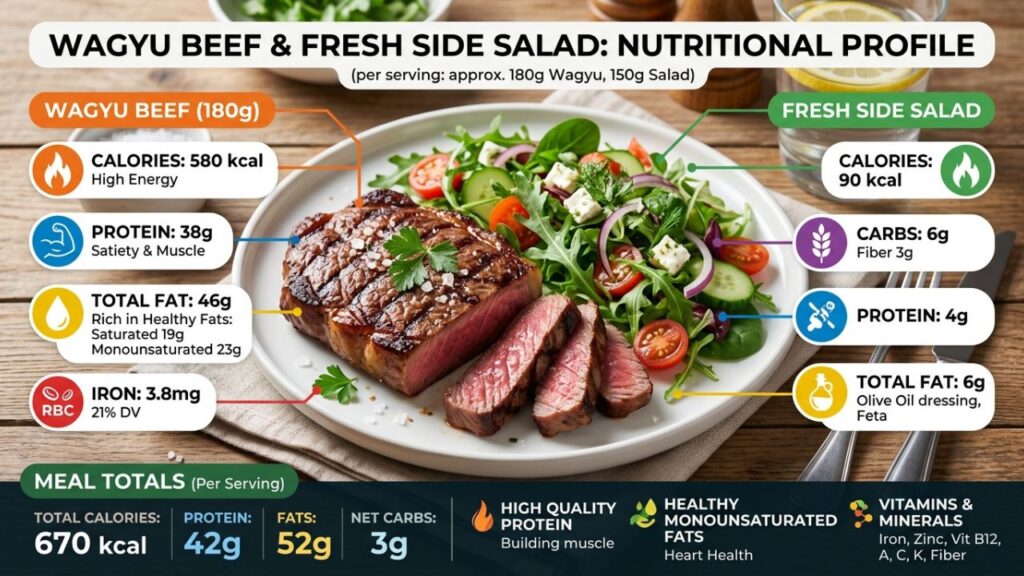
Compared to standard beef, Wagyu contains a different fat composition, with a higher percentage of monounsaturated fats. It also provides protein, iron, zinc, and vitamin B12, all essential nutrients for a balanced diet. Still, because Wagyu is richer than many other cuts of beef, understanding portion sizes, cooking methods, and meal pairings is important to keep it part of a healthy routine. For more guidance on balanced meals and practical ingredient choices, check out How Can You Make Low-Sodium Hummus for a Healthy Snack?.
For home cooks, the key is simplicity and balance. Smaller servings paired with vegetables, rice, or lighter sides help control richness while keeping meals satisfying. In this guide, we’ll explore everything you need to know about Wagyu beef, including selecting quality cuts, cooking tips, and serving suggestions. With practical advice and mindful techniques, you’ll see how Wagyu can fit naturally into everyday family dining without compromising health or flavor.
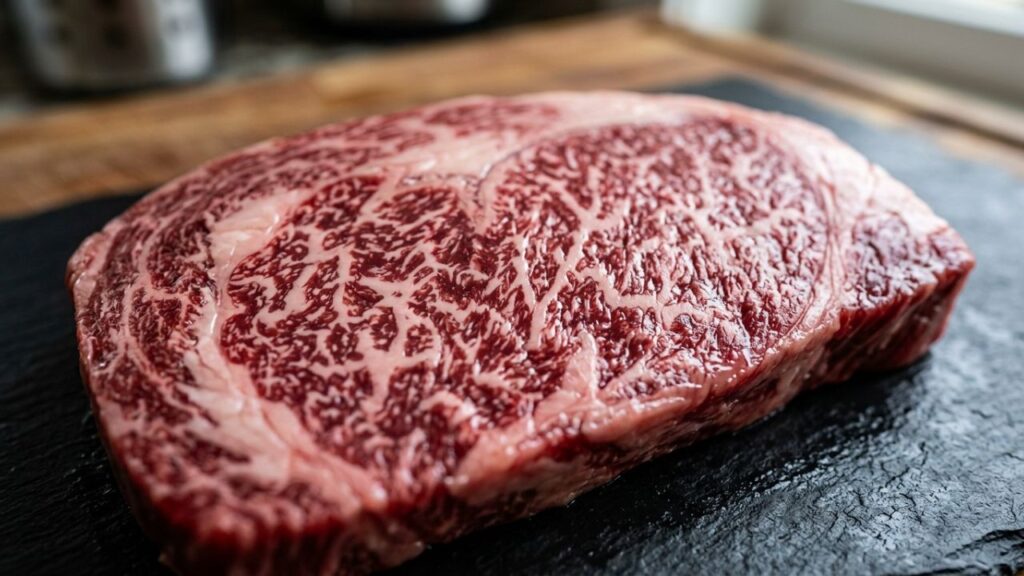
What Is Wagyu Beef?
The word “Wagyu” translates to “Japanese cow” and refers to specific cattle breeds known for highly marbled beef. This marbling creates thin fat streaks that make the meat soft and rich when cooked. Wagyu is also produced in countries like the United States and Australia.
According to US-based physician Dr. Michael Greger, is Wagyu beef healthy when eaten every day? He advises that red meat, including Wagyu, should be consumed in moderation rather than as a daily staple. Wagyu provides high-quality protein, iron, and essential nutrients that support energy and overall health. Its richness means portion control is important, so it is best enjoyed occasionally as part of a balanced diet with plenty of plant-based foods.
Flavor and Texture
Wagyu has a rich, buttery flavor with deep umami taste and a soft texture. The fat melts at a lower temperature, making it smooth and tender. Even small portions feel flavorful and satisfying.
Traditional Preparation Methods
Wagyu is usually cooked using simple methods like quick searing, grilling, or thin slicing. These techniques help preserve tenderness and natural moisture. The focus is always on enhancing the natural flavor.
Why It Works So Well
Balanced Flavor in Simple Meals
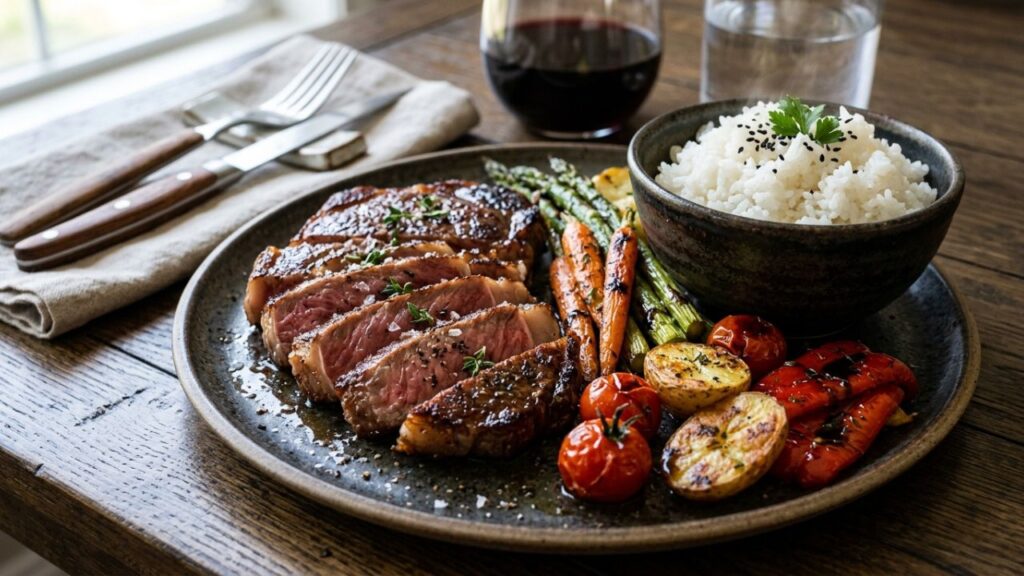
Wagyu works well because its flavor is naturally rich and concentrated. Small portions are enough to feel satisfying in a meal. It pairs easily with vegetables, rice, and light sides.
Texture That Requires Minimal Effort
Wagyu becomes tender very quickly because of its marbling. It does not need long cooking or complex preparation. With simple cooking techniques a hot pan and correct timing are enough—you can enjoy it perfectly every time
Nutritional Considerations
Wagyu contains protein, iron, and nutrients found in beef. It also has more healthy fats compared to regular beef. However, moderation is important due to its calorie content.
Everyday Cooking Potential
Wagyu can be used in simple home meals like rice bowls or light dishes. It works best in small portions rather than large servings. This keeps meals balanced and enjoyable.
Health Benefits of Wagyu Beef
Rich Source of High-Quality Protein
Wagyu beef provides a good amount of high-quality protein that helps support muscle growth and repair. Protein is also important for maintaining energy levels throughout the day. This makes it a useful part of a balanced diet when eaten in moderation.
Contains Beneficial Fats
Wagyu contains more monounsaturated fats compared to regular beef, which are considered better for heart health in small amounts. These fats give Wagyu its rich texture and flavor. However, portion control is still important due to overall calorie content, and is Wagyu beef healthy depends on how often and how much you eat.
Provides Essential Nutrients
Wagyu includes important nutrients like iron, zinc, and B vitamins that support overall body function. These nutrients help with energy production and healthy blood circulation. Eating Wagyu occasionally can contribute to a well-rounded diet, and is Wagyu beef healthy when eaten in moderation.

Ingredients Guide for Healthy Wagyu Beef
Choosing Quality Wagyu
When buying Wagyu, marbling is key for tenderness and flavor. The beef should look fresh, bright, and firm. Good Wagyu looks clean and well-trimmed, and is Wagyu beef healthy also depends on choosing quality cuts.
Understanding Different Types
Wagyu comes in different varieties, each offering a unique cooking experience. Japanese Wagyu is rich and buttery, while American and Australian Wagyu are leaner and easier for everyday meals. Choosing the right type depends on budget, use, taste, and is Wagyu beef healthy for regular eating.
Helpful Kitchen Staples
Wagyu does not need complex ingredients because its natural flavor is already rich. Simple staples like salt, black pepper, garlic, soy sauce, and fresh herbs work best. A little lemon juice or light sauce can help balance the richness. These simple additions enhance flavor without overpowering the meat. Minimal ingredients keep the dish clean and enjoyable.
Seasonal Pairings
Wagyu pairs differently depending on the season and side dishes used. In warmer months, it works well with salads, grilled vegetables, and light grains. In colder months, it pairs better with roasted vegetables, mushrooms, and warm rice bowls. These combinations create balance in every season. Seasonal cooking keeps meals fresh and interesting, and is Wagyu beef healthy can also depend on how you serve it.

Step-by-Step Cooking Method
Preparing the Beef
Take Wagyu out of the fridge about 30 minutes before cooking so it reaches room temperature and cooks evenly. This helps the meat cook properly from inside to outside. Patting the surface dry is also important because it helps create a better crust during cooking. This simple step improves texture and flavor significantly. Proper preparation leads to better cooking results. For tips on making the most of high-quality cuts, see How to Make the Most of Half Beef in Recipes.
Seasoning Properly
Wagyu does not require heavy seasoning because its natural taste is already rich. A light sprinkle of salt and pepper is usually enough. Too many spices can hide the delicate flavor of the beef. Simple seasoning keeps the focus on the meat itself. Less seasoning always gives better balance.
Heating the Pan
A cast-iron pan works best because it holds strong, even heat for proper searing. The pan should be very hot before adding the beef. Wagyu releases its own fat, so extra oil is usually not needed. It naturally cooks in its own richness. High heat is key for a good crust.
Cooking Time and Texture
Wagyu cooks quickly because of its fat content, so timing is very important. Thin cuts need only a short time, while thicker pieces take slightly longer. The outside should turn golden brown while the inside stays juicy and soft. Watching closely prevents overcooking. Perfect Wagyu is tender, juicy, and lightly crisp.
Resting Before Serving
After cooking, let Wagyu rest for a few minutes before slicing so the juices stay inside the meat. This keeps it tender and flavorful. Resting also improves texture and makes slicing easier. It is a small but very important step. Rested meat always tastes better and juicier.

Is Wagyu Beef Healthy for serving Suggestions?
Building a Balanced Plate
Wagyu is rich, so it works best with lighter side dishes that balance the meal. Steamed rice, roasted vegetables, greens, or salads all pair well. These sides help reduce heaviness while keeping Wagyu as the main highlight. Balance makes the meal more enjoyable. Simple plates work best with rich food.
Sauce Pairings
Light sauces enhance Wagyu without hiding its natural flavor. Soy-ginger sauce, ponzu, chimichurri, or lemon butter are great choices. Each sauce should support the beef rather than overpower it. This keeps the taste clean and fresh. Simple sauces create better harmony.
Serving for Gatherings
For family meals, slicing Wagyu thinly makes it easier for everyone to enjoy. It also allows pairing with different side dishes. This style of serving encourages sharing and variety on the table. It makes the meal more relaxed. Family-style serving works best for Wagyu.
Portion Guidance
Wagyu is very rich, so small portions are usually enough to feel satisfied. Even a small amount feels filling because of the marbling. Smaller servings help maintain balance in the meal. It also prevents heaviness. Less quantity often gives better enjoyment.

Seasonal or Occasion Variations
Spring and Summer Meals
In warm weather, Wagyu pairs well with salads, lettuce wraps, grilled vegetables, and citrus flavors. These combinations feel light and refreshing. Fresh herbs and acidity help balance richness. This makes it suitable for summer meals. Light dishes keep Wagyu enjoyable.
Fall and Winter Comfort Dishes
In colder months, Wagyu works well with mushrooms, roasted potatoes, rice bowls, and warm soups. These meals feel comforting and rich. Heavier sides balance the beef’s richness naturally. This creates a cozy eating experience. Warm meals enhance flavor depth.
Holiday Entertaining
Wagyu is perfect for small celebrations where quality matters more than quantity. Thin slices with seasonal sides create an elegant meal. It feels special without being complicated to cook. Guests can enjoy small, balanced portions. Simple presentation works best for gatherings.
Refreshing Leftovers
Leftover Wagyu can be used in sandwiches, fried rice, salads, or omelets for quick meals. These ideas help avoid waste. Small changes turn leftovers into new dishes. This keeps meals interesting and flexible. Leftovers stay useful and flavorful.
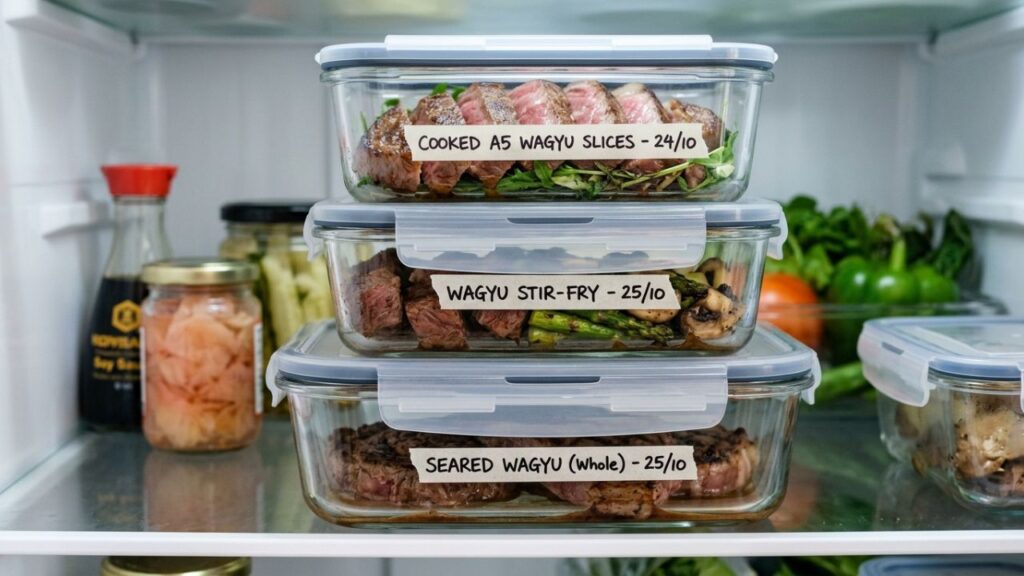
Storage & Reheating Tips
Proper Refrigeration
Cooked Wagyu should be stored in an airtight container and refrigerated within two hours of cooking. This helps maintain both flavor and safety. Typically, it keeps well for up to three days when stored properly.
Freezing Guidance
Raw Wagyu can be frozen if tightly wrapped to prevent freezer burn. For the best texture and flavor, use it within a few months. Always thaw slowly in the refrigerator before cooking.
Best Reheating Methods
Gentle reheating preserves Wagyu’s tender texture and rich flavor. Using a covered skillet over low heat or a warm oven works better than a microwave. Slow reheating prevents dryness and maintains juiciness.
Food Safety Considerations
Ensure cooked beef reaches a safe internal temperature if reheating. Avoid leaving Wagyu at room temperature for long periods. Following these tips keeps meals safe and delicious.
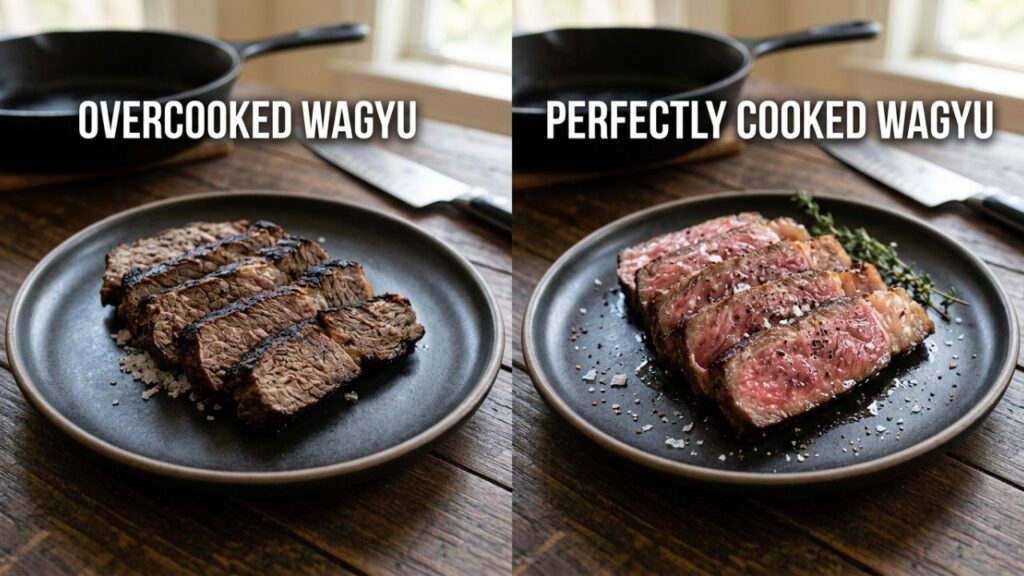
Common Mistakes to Avoid
Overcooking the Meat
Wagyu cooks faster than regular beef because of its fat content. Overcooking can make it greasy or tough. Careful timing and close attention while cooking are essential.
Using Too Much Seasoning
Heavy marinades or strong spices can overpower Wagyu’s natural flavor. Simple seasoning is best. This lets the richness and marbling shine in every bite.
Skipping Rest Time
Cutting Wagyu immediately after cooking lets the juices escape, reducing tenderness. Resting it for a few minutes improves both flavor and texture. This small step makes a big difference.
Ignoring Portion Balance
Serving large amounts can feel overwhelming due to Wagyu’s richness. Smaller portions with vegetables or grains create a balanced, enjoyable meal. Balance keeps family dinners satisfying.
Cooking in a Cool Pan
A pan that isn’t hot enough prevents proper browning and may release excess fat too soon. Preheating ensures better searing and enhances flavor. Temperature control is key to perfect results.
Frequently Asked Questions
1. Is Wagyu beef healthy for everyday meals?
Wagyu can be included in a balanced diet when eaten in small portions. Its rich fat content means moderation is important for everyday family meals. Pairing it with vegetables and grains helps keep the meal balanced and lighter.
2. Can I cook Wagyu at home easily?
Yes, Wagyu is very easy to cook at home because it requires minimal seasoning and simple techniques. High heat and short cooking time are usually enough to bring out its best texture. It’s more about timing than complicated preparation.
3. Why does Wagyu taste different from regular beef?
Wagyu tastes different because of its fine marbling that melts during cooking. This creates a buttery, tender texture and a richer, more delicate flavor. It feels softer and more luxurious compared to standard beef cuts.
4. Is Wagyu suitable for family dinners?
Yes, Wagyu can work well for family dinners when served in smaller portions. It pairs nicely with vegetables, rice, or light sides to balance the richness. This makes it enjoyable without feeling too heavy.
5. What is the best way to avoid overcooking Wagyu?
Use a very hot pan and cook it quickly for a short time on each side. Watching the color and texture closely helps prevent overcooking. Resting it after cooking also keeps it juicy and tender.
6. Can Wagyu be reheated without losing quality?
Yes, but it should always be reheated gently over low heat to protect its texture. Avoid high heat or microwaving for too long, as this can make it tough. Slow warming helps maintain its flavor and softness.
Conclusion
Enjoying Wagyu beef in moderation can be a delicious way to add high-quality protein, iron, and other essential nutrients to your diet. Focusing on smaller portions and pairing the meat with vegetables, whole grains, or light sauces helps balance its richness while keeping meals satisfying and approachable. Simple cooking methods like quick pan-searing or light grilling allow the natural flavor and tender texture of Wagyu to shine without requiring complicated preparation.
While I’m not a doctor, nutrition experts such as Dr. Michael Greger (US physician and nutrition advocate) emphasize that red meat like Wagyu should be eaten occasionally rather than daily to support long-term health. By paying attention to portion control, meal balance, and thoughtful pairings, Wagyu can be enjoyed as part of a wholesome, plant-forward diet while still providing a flavorful and special dining experience at home.
About the Author
Oliver Brooks is a home cook and food writer who focuses on practical kitchen techniques and approachable recipes. With a strong interest in everyday cooking, he enjoys helping readers simplify complex ingredients and build confidence in the kitchen. His work centers on balanced meals, seasonal ingredients, and real-world cooking experiences that fit into family life.