
Hibachi is a beloved cooking style that brings the grill right to your table, offering the excitement of live cooking and the satisfaction of a flavorful, balanced meal. Beyond the entertainment, many home cooks and health-conscious diners ask: is hibachi healthy? Understanding its ingredients, cooking methods, and nutritional value can help you enjoy hibachi in a way that fits your dietary goals.
Hibachi is more than grilled meat and vegetables—it balances flavor, texture, and nutrition. I often add extra vegetables and lighter sauces to keep meals satisfying without feeling heavy. For more seasonal veggie ideas to pair with hibachi, see How to Prepare a Fresh Vegetable du Jour and Seasonal Side Dish, making it fun and health-conscious for any family.
In this guide, we’ll explore everything you need to know about whether hibachi can be a healthy meal choice. From understanding the nutritional benefits of lean proteins and fresh vegetables to practical tips on managing sauces, portions, and cooking methods, you’ll have the tools to enjoy a balanced and flavorful hibachi experience. By paying attention to ingredients and preparation, hibachi can be both satisfying and nutritious for everyday meals.
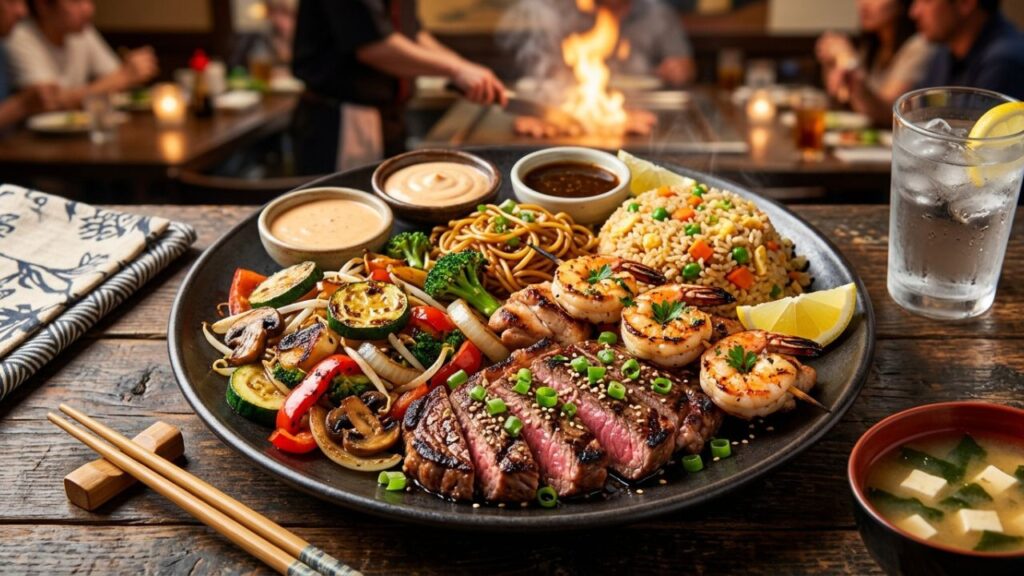
What Is Hibachi?
Hibachi refers to a Japanese cooking style where ingredients are grilled over an open flame or hot metal surface. While modern restaurants often feature theatrical teppanyaki-style hibachi, traditional hibachi focuses on simple, high-heat grilling to bring out natural flavors.
According to Dr. Michael Greger, a well-known US physician and nutrition expert, balancing protein, vegetables, and healthy fats is key to a nutritious meal. He emphasizes minimizing processed sauces and focusing on whole, fresh ingredients to support overall health. Applying this to hibachi, choosing lean proteins and plenty of vegetables makes it both delicious and nourishing.
Key Ingredients
Common ingredients include lean proteins such as chicken, beef, shrimp, or tofu, paired with vegetables like zucchini, mushrooms, onions, and bell peppers. Light seasonings such as soy sauce, garlic, ginger, and sesame oil enhance the taste without overwhelming the dish. Rice or noodles often accompany the meal as a starch component.
Cultural and Culinary Background
Originating from Japan, hibachi was initially a practical cooking method using a small charcoal grill. Today, it combines simplicity with performance, allowing diners to enjoy protein, vegetables, and rice prepared right in front of them.
Flavor Profile
Hibachi emphasizes umami, balanced with subtle sweetness, slight acidity, and the natural aroma of grilled ingredients. The method preserves the natural flavors while creating a lightly charred, savory taste.
Traditional Preparation
Ingredients are chopped into bite-sized pieces and quickly grilled at high heat. Minimal oil is used to keep the meal light, and ingredients are stirred constantly to ensure even cooking and maintain crisp textures.
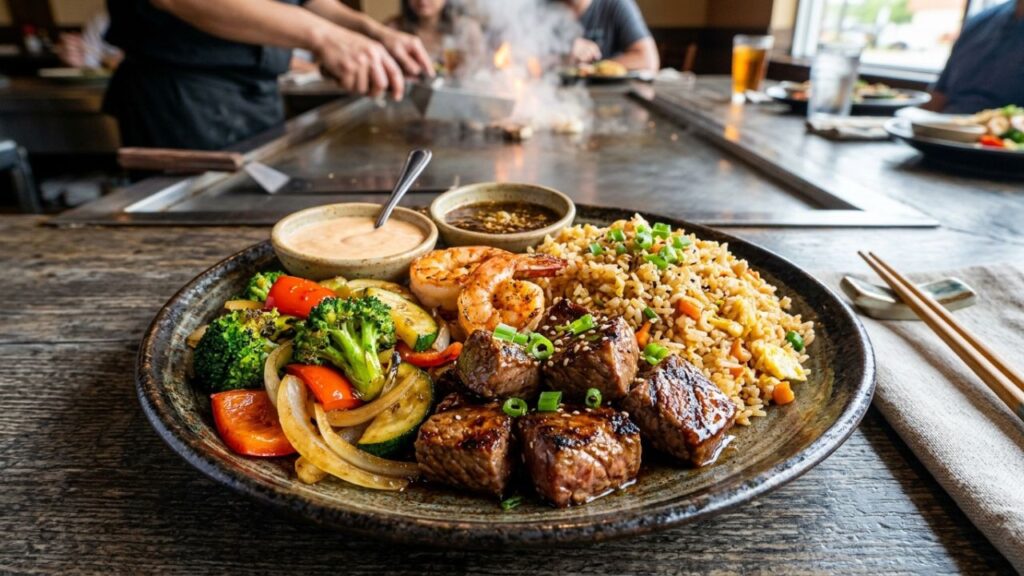
Why Hibachi Works So Well
Flavor Balance
Hibachi combines sweet, salty, savory, and slightly bitter notes. Teriyaki or mirin add gentle sweetness, soy sauce contributes saltiness, and charred vegetables provide subtle bitterness and smokiness. This balance keeps every bite interesting, and using proper cooking techniques ensures each ingredient reaches its full flavor potential.
Texture Contrast
The dish achieves a satisfying texture mix: tender proteins, crisp vegetables, and fluffy rice. Quick cooking preserves the crunch of vegetables while keeping meats juicy.
Nutritional Value
Hibachi naturally provides high-quality protein and fiber. Lean meats, shrimp, and tofu deliver protein without excessive fat, while vegetables supply essential vitamins, minerals, and antioxidants. Using brown rice or adding extra vegetables increases fiber content and keeps meals filling.
Cooking Techniques
High-heat grilling preserves nutrients that can be lost in longer cooking methods. Stir-frying lightly keeps vegetables tender-crisp, retaining flavor and color. These techniques make hibachi both flavorful and healthy.
Everyday Meal Fit
Hibachi is versatile. It works as a quick weeknight dinner, a leisurely weekend meal, or a make-ahead option for home cooks who prep ingredients in advance.
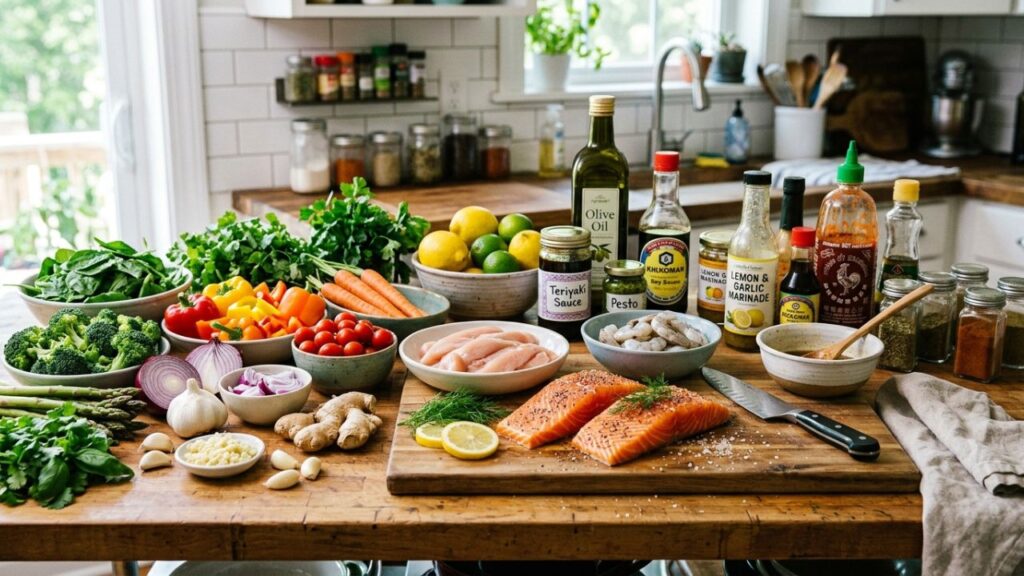
Choosing the Best for Hibachi
Freshness and Quality
Choose bright-colored vegetables that are firm and free from blemishes, and select proteins that feel solid and unbruised. Using fresh ingredients ensures the dish tastes vibrant and retains maximum nutrients.
Substitutions and Variations
For dietary preferences or ingredient availability, swap in tofu or tempeh for a vegetarian option, and use cauliflower rice instead of white rice for a lower-carb version. Low-sodium soy sauce is also a great way to manage sodium while keeping authentic flavor.
Seasonal Considerations
Select vegetables based on the season to enhance both taste and nutrition. In spring, asparagus and peas are ideal, while summer calls for zucchini and bell peppers, and fall or winter favors mushrooms, carrots, and broccoli for hearty flavors.
Pantry Staples
Keep essential pantry items on hand to recreate authentic hibachi at home. Ingredients like sesame oil, soy sauce or tamari, garlic, ginger, and mirin or rice vinegar form the base for balanced and flavorful dishes.

Step-by-Step Cooking Method
Preparation
Start by chopping all vegetables and proteins into uniform, bite-sized pieces. This ensures that everything cooks evenly and makes the dish easier to serve and enjoy.
Cooking
Heat a grill pan or skillet over medium-high heat with a little oil. Start by cooking proteins, then add vegetables gradually, stirring and seasoning lightly with soy sauce, garlic, and ginger. For more simple and tasty protein ideas, check out How to Cook Chicken Back for a Simple and Tasty Dinner.
Sensory Cues
Look for proteins with a slight golden char without burning, while vegetables should remain tender-crisp. The aroma of garlic and ginger should be noticeable, signaling that the flavors are properly developing.
Troubleshooting
Avoid overcrowding the pan, as this can cause ingredients to steam instead of sear. Cooking in smaller batches and adjusting the heat carefully helps maintain proper texture and flavor throughout.
Optional Variations
Sprinkle sesame seeds or chopped green onions on top to enhance both taste and appearance. You can also experiment with different vegetables or sauces to create your own personalized hibachi variation.
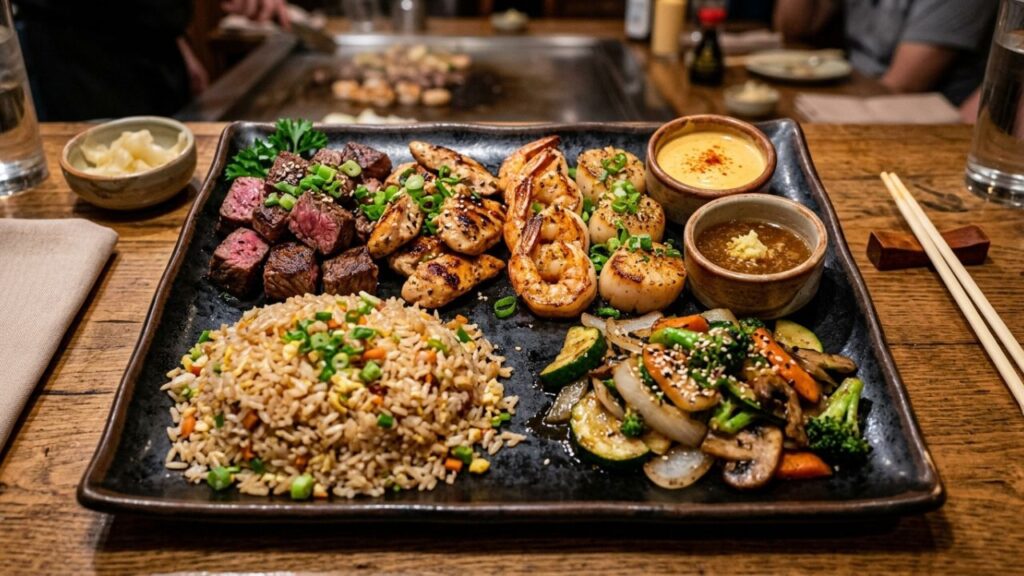
Serving Suggestions
Pairings
Serve hibachi alongside miso soup, light salads, or pickled vegetables for a well-rounded meal. A small drizzle of teriyaki or ponzu sauce enhances the natural flavors without overwhelming the dish. Pairing with fresh sides adds color, texture, and nutritional variety.
Plating
Arrange proteins and vegetables neatly on the plate, keeping rice or noodles separate to maintain their texture. Family-style presentation works well for gatherings, allowing everyone to serve themselves while keeping the dish visually appealing and organized.
Portion Tips
For smaller households, pre-portion leftovers into airtight containers for quick and convenient lunches. This approach ensures balanced servings while helping with meal planning and reducing food waste.
Garnishing Ideas
Adding fresh herbs, sesame seeds, or a wedge of citrus elevates the presentation and flavor. Simple garnishes make the dish look restaurant-quality while subtly enhancing taste and aroma.
Beverage Pairings
Light beverages such as green tea, sparkling water, or a mild sake complement hibachi without overpowering its flavors. Matching drinks carefully can enhance the dining experience and balance the meal’s flavors.
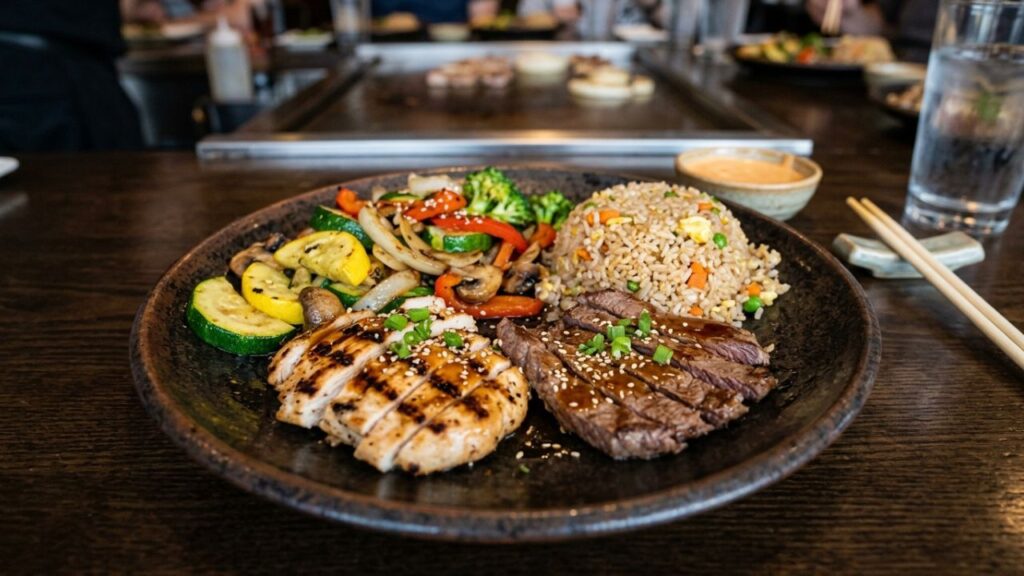
Is Hibachi a Healthy Choice for Everyday Meals?
Calorie and Nutrient Considerations
A balanced hibachi meal typically ranges from 400 to 600 calories, depending on portion size and ingredients. Lean proteins provide essential amino acids to support muscle health, while vegetables deliver vitamins, minerals, and fiber for overall well-being. Including moderate portions of rice or noodles ensures the meal is filling without being overly heavy.
Managing Sodium and Sugar
Many hibachi sauces are flavorful but can contain high levels of sodium and sugar. Using low-sodium soy sauce or limiting the amount of sauce added while cooking helps maintain a healthier balance. Homemade sauces made with fresh ingredients offer full flavor without excess additives or preservatives.
Adapting for Special Diets
Hibachi is versatile and can be adapted to a variety of dietary preferences. For gluten-free meals, substitute tamari for soy sauce; vegetarians or vegans can replace meat with tofu or tempeh, and low-carb options work well by swapping rice for cauliflower rice or extra vegetables.
Long-Term Benefits
Preparing hibachi at home encourages mindful cooking and portion control, helping you develop healthier eating habits over time. Using fresh ingredients and cooking with intention enhances both flavor and nutrition, making hibachi a satisfying and sustainable meal choice..
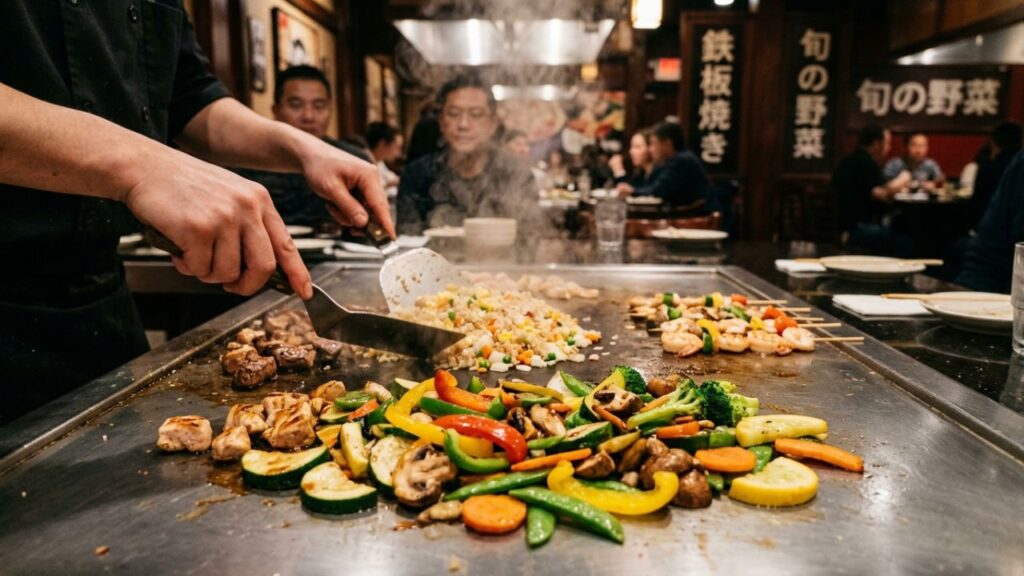
Seasonal and Occasion Variations
Spring/Summer
During spring and summer, focus on fresh, light vegetables like zucchini, asparagus, and bell peppers. Pair them with a light citrus-based sauce to highlight natural flavors and keep the dish refreshing. Quick grilling preserves their crunch and bright color.
Fall/Winter
In cooler months, opt for hearty vegetables such as mushrooms, broccoli, and carrots. A savory soy-ginger glaze adds warmth and comfort, making hibachi feel more seasonal and satisfying during fall and winter.
Holiday or Special Meals
For holidays or special occasions, add roasted nuts, seeds, or seasonal vegetables for extra texture and flavor. This creates a festive touch while keeping the dish balanced and visually appealing on the table.
Leftover Refresh Ideas
Leftover hibachi can be transformed into a new meal by turning it into a grain bowl or stir-frying it with additional fresh greens. Adding a splash of light sauce or fresh herbs brings life back to previously cooked ingredients.
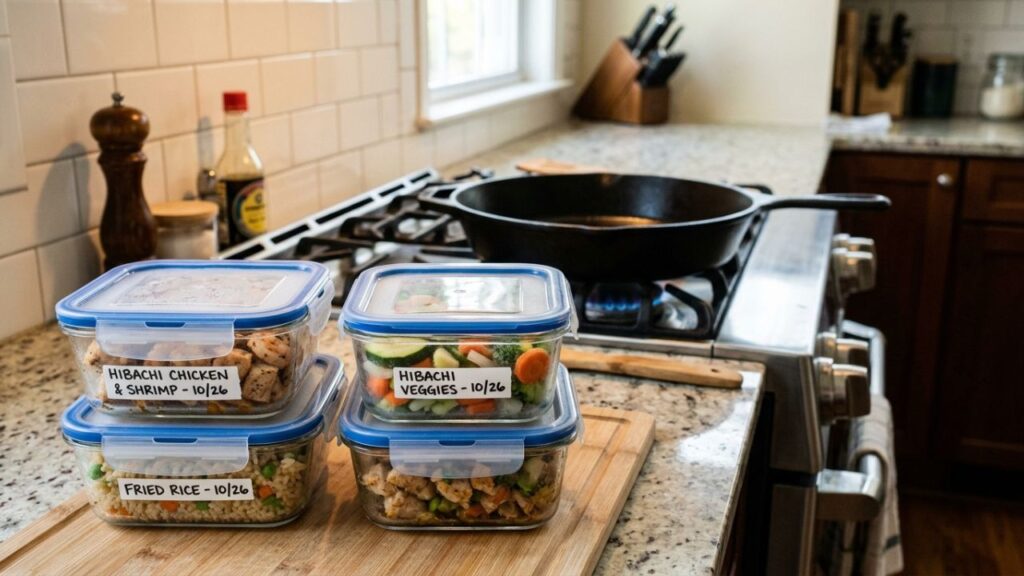
Storage and Reheating
Proper Storage
Store cooked hibachi in airtight containers in the refrigerator for up to 3–4 days. Separate proteins and vegetables when possible to maintain their texture and freshness.
Freezing Proteins and Vegetables
For longer storage, freeze proteins and vegetables separately in freezer-safe containers. This prevents overcooking or sogginess when reheating and keeps flavors intact.
Reheating in a Skillet
Gently reheat hibachi in a skillet over medium heat to preserve texture and flavor. Stir frequently and avoid high heat to prevent drying out or burning ingredients.
Using the Microwave Safely
If using a microwave, cover the hibachi loosely and heat in short intervals. Stir halfway through to ensure even heating while minimizing moisture loss and sogginess, helping you enjoy your meal while keeping in mind is hibachi healthy choices.
Portioning for Meal Prep
Divide hibachi into individual portions before storing to make reheating easier. Following these steps not only keeps your meals convenient but also helps you maintain balance, which is important when considering is hibachi healthy.
Freshen Up Leftovers
When reheating, add a splash of low-sodium soy sauce, a few fresh vegetables, or a sprinkle of sesame seeds. These small adjustments ensure that your leftovers remain flavorful, nutritious, and aligned with your goal of enjoying hibachi in a way that supports is hibachi healthy choices.
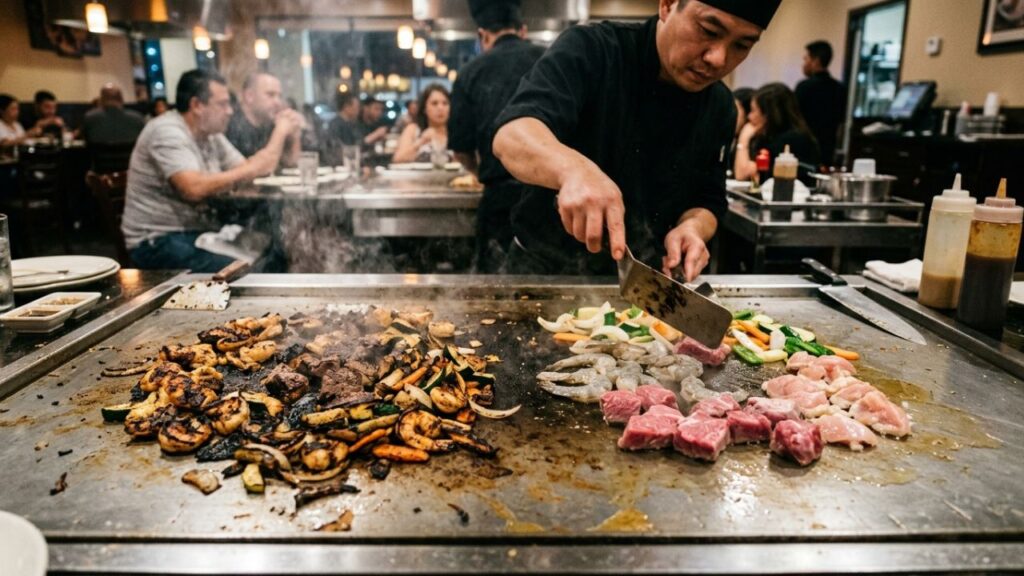
Common Mistakes to Avoid
Overcooking or Undercooking
Proteins should be tender, not dry, and vegetables should remain crisp, not mushy. Paying attention to cooking times ensures the dish has the perfect texture and flavor balance.
Improper Seasoning
Light, balanced seasoning enhances natural flavors, while too much sauce can easily overwhelm the dish. Tasting as you cook helps maintain harmony and prevents overpowering any ingredient.
Preparation Errors
Skipping prep or unevenly chopping ingredients leads to inconsistent cooking. Taking the time to prep properly allows for even heat distribution and a professional-looking final dish.
Using Too Much Oil
Excess oil can make the dish greasy and mask the natural flavors of vegetables and proteins. Using just a small amount keeps the meal light, healthy, and flavorful.
Crowding the Pan
Overloading the grill or pan prevents proper searing, causing ingredients to steam instead. Cooking in smaller batches ensures even browning and preserves the crispness of vegetables.
Frequently Asked Questions
1. Can hibachi support weight loss?
Yes, hibachi can be part of a weight-conscious diet. Focus on lean proteins, extra vegetables, and use sauces sparingly to keep calories in check.
2. Is hibachi gluten-free?
Hibachi can be gluten-free if you use tamari or coconut aminos instead of regular soy sauce. Be mindful of marinades and pre-made sauces, which may contain gluten.
3. How many calories are in hibachi?
A typical balanced hibachi meal with protein, vegetables, and a moderate portion of rice usually ranges from 400–600 calories. Adjust portions and ingredients to fit your needs.
4. Can I make hibachi at home?
Absolutely. A large skillet or grill pan works well. Prepping ingredients ahead of time ensures smooth cooking and even grilling.
5. Are hibachi sauces healthy?
Sauces add flavor but can contain sugar and sodium. Making your own light sauce or using low-sodium options helps maintain a healthier meal.
6. Which vegetables are best for hibachi?
Mushrooms, zucchini, onions, bell peppers, carrots, and broccoli are ideal. They cook quickly and retain nutrients while providing color and texture.
Conclusion
Hibachi is a simple yet satisfying meal that rewards careful preparation and fresh, high-quality ingredients. Focusing on lean proteins, crisp vegetables, and lightly seasoned sauces ensures that each plate is both flavorful and balanced, making it a great option for everyday meals. Cooking hibachi at home allows you to control portions and ingredients, transforming a restaurant-style experience into a healthy, enjoyable meal for the whole family.
While I’m not a nutritionist, experts like Dr. Michael Greger emphasize that combining whole, minimally processed foods with mindful cooking supports overall health. By paying attention to ingredient choices and cooking techniques, you can enjoy hibachi as a nutritious, delicious option for breakfast, lunch, or dinner, proving that simple meals done well can be both satisfying and nourishing.
About the Author
Oliver Brooks is a home cook and culinary blogger passionate about sharing approachable, flavorful meals. He loves helping readers recreate global dishes at home while keeping nutrition and balance in mind. For Oliver, cooking should be inspiring, nourishing, and fun—one meal at a time.