
Beef knuckle bones might look plain at first glance, but don’t let that fool you—they’re packed with nutrients and make the most flavorful homemade broths. The marrow, collagen, and gelatin in these bones create a rich, comforting texture and a depth of taste that turns even the simplest soups into something truly satisfying.
Making broth from these bones is more than just a recipe; it’s a little ritual in patience and care. Letting the bones simmer slowly draws out all their goodness, creating a warm, nourishing liquid that can support your joints, skin, digestion, and overall health. There’s something really rewarding about watching simple ingredients transform into a golden, savory broth. For a heartier meal, you can pair this broth with recipes like How to make the most of half beef in recipes to create balanced and satisfying dishes.
In this guide, we’ll show you how to use beef knuckle bones to make meal prep easier and more versatile. You’ll learn the best cooking methods and how to pair the broth with vegetables, grains, or proteins so that every meal is flavorful, balanced, and full of nutrition. With just a little planning, a batch of this broth can become the base for several comforting, wholesome dishes throughout the week.
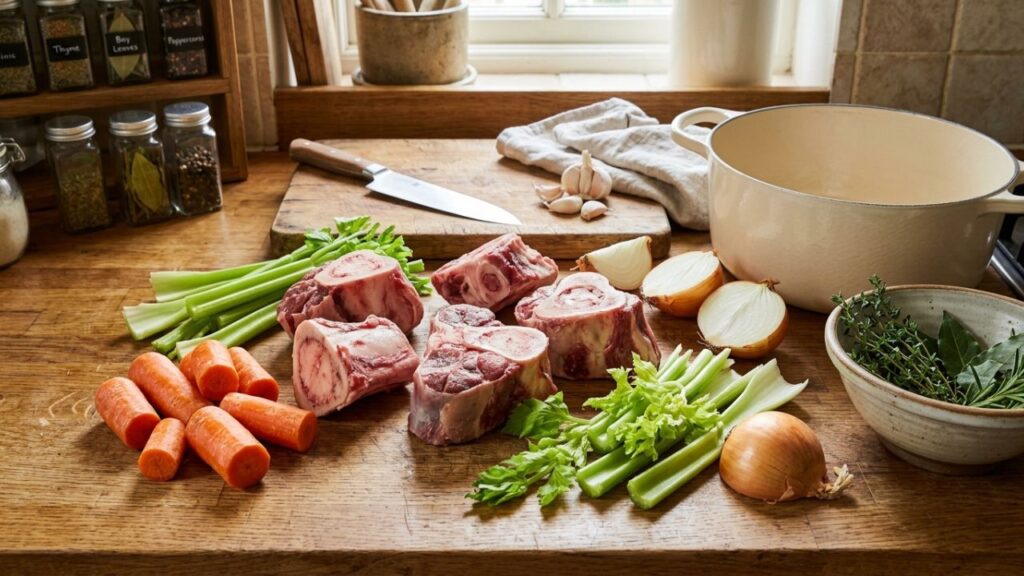
What Are Beef Knuckle Bones?
Beef knuckle bones are the large, rounded bones found where the cow’s leg meets the shoulder. They contain marrow, connective tissue, and collagen, all of which release their nutrients and flavor into simmered broth.
According to Dr. Andrew Weil, a leading expert in integrative medicine, “Using beef knuckle bones to make slow-simmered broth can support joint health, improve digestion, and provide essential collagen and minerals for overall wellness.
Key Ingredients in a Healthy Broth
In addition to the bones themselves, a few complementary ingredients can enhance both flavor and nutritional value. Aromatic vegetables such as onions, carrots, and celery form the foundation, while herbs like thyme, parsley, and bay leaves bring subtle complexity. Garlic, leeks, or even mushrooms can be added for extra immune-boosting compounds.
Cultural and Culinary Background
Knuckle bone broth is revered in cuisines across the world. In Asian kitchens, it serves as the backbone for pho and ramen, giving these dishes their distinctive depth. In European cooking, it forms the base of classic pot-au-feu or beef consommé. Despite the cultural differences, the method is strikingly similar: long, slow cooking that extracts flavor, texture, and nutrition.
Flavor and Texture
The resulting broth is savory and umami-rich, with a gentle sweetness from vegetables and a silky mouthfeel thanks to gelatin. It’s hearty enough to be enjoyed on its own as a sipping broth or as a foundation for soups, stews, and sauces.
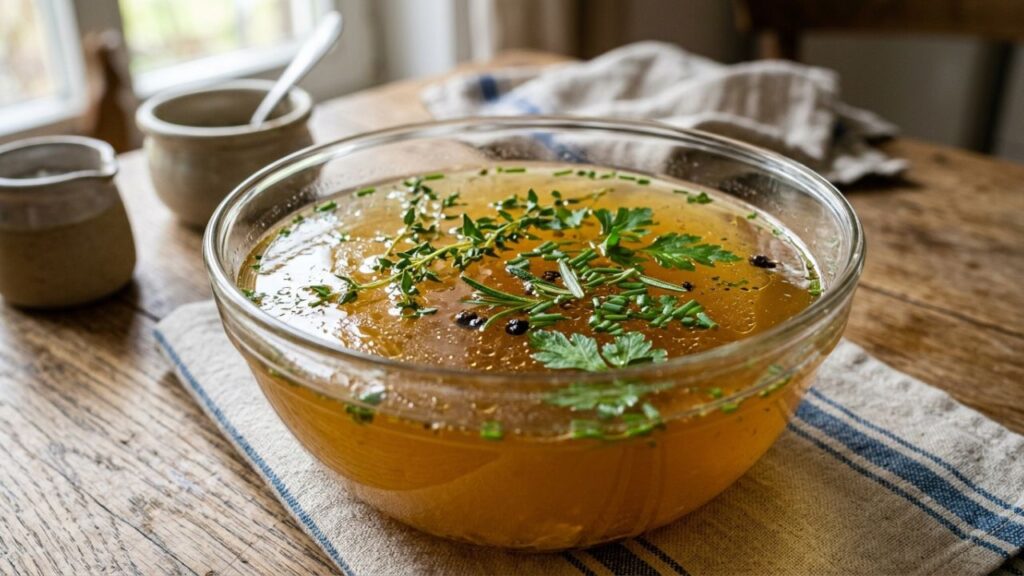
Why Beef Knuckle Bones Are a Healthful Choice
Beef knuckle bone broth is not just delicious—it’s a healthful addition to many diets. Its combination of nutrients, flavor, and versatility makes it an ideal ingredient for anyone focused on wellness.
Nutritional Benefits
Beef knuckle bones are rich in collagen and gelatin, which are beneficial for joint and bone health. Minerals like calcium, phosphorus, magnesium, and potassium are naturally extracted during cooking, making the broth a nourishing option. Additionally, the protein content supports muscle health and satiety, while amino acids such as glycine and proline have anti-inflammatory and digestive-supporting properties.
Flavor and Balance
The long cooking process creates a well-rounded taste profile. Umami flavors from the marrow and gelatin balance the gentle sweetness from vegetables, while herbs add aromatic complexity without excessive sodium or fat. This makes the broth suitable for health-conscious diets, including those focused on low-sodium or anti-inflammatory cooking.
Cooking Techniques That Preserve Nutrients
Slow simmering is essential to preserve the nutritional integrity of the broth. Roasting the bones beforehand enhances flavor without introducing unhealthy additives, and gentle simmering ensures that vitamins and minerals are extracted without breaking down delicate compounds. This method is a great foundation for creating delicious meals that are both flavorful and nourishing.
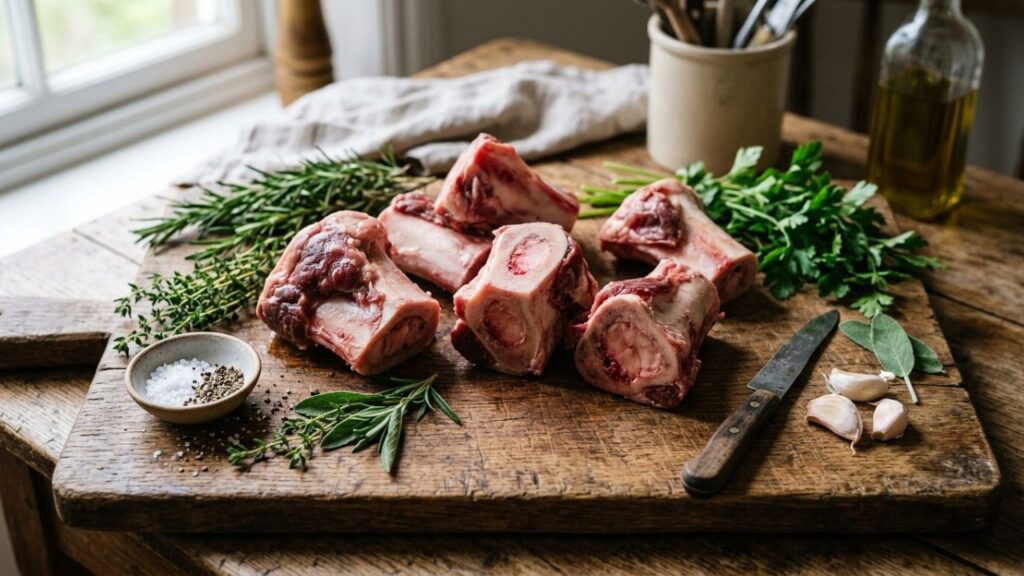
Selecting Ingredients for Health and Quality
Choosing high-quality ingredients is crucial for both flavor and health benefits.
Selecting Quality Knuckle Bones
Opt for fresh bones with a deep red color and firm, creamy marrow. Avoid bones with off odors or discoloration, as freshness directly impacts both taste and nutritional value.
Choosing Vegetables and Herbs
Fresh, seasonal vegetables provide additional vitamins, minerals, and antioxidants. Herbs such as parsley, thyme, and bay leaves enhance flavor and contribute phytonutrients that support health.
Healthy Ingredient Substitutions
If knuckle bones aren’t available, beef shank or neck bones can be used with similar results. Garlic or mushrooms can be substituted for onions to boost immune support and add umami complexity. Seasonal vegetables can be swapped to optimize nutrients throughout the year.
Budget-Friendly Health Tips
Save leftover roasted bones from family meals to create broth, or freeze portions from larger cuts for future use. Using pantry staples like dried mushrooms or frozen vegetables can enhance flavor and nutrition while keeping costs low.
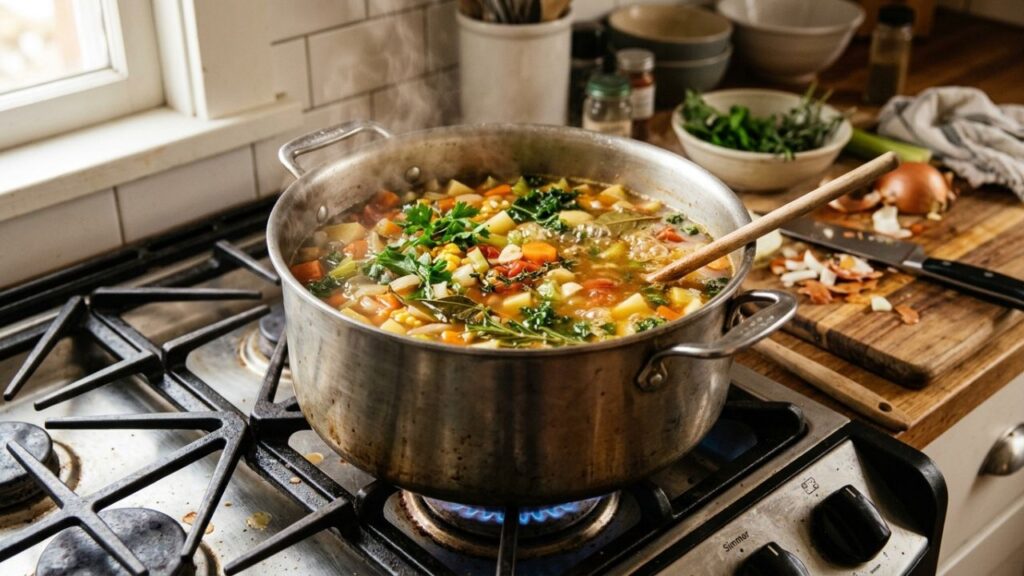
Step-by-Step Healthy Cooking Method
Cooking beef knuckle bones for broth requires patience and attention to detail. Here’s a comprehensive guide to ensure maximum flavor and nutrition.
Roasting Bones for Depth
Preheat your oven to 400°F (200°C). Place bones on a tray and roast for 30–40 minutes. This caramelizes the marrow and enhances natural flavors without adding salt or fat.
Preparing Aromatics
Roughly chop onions, carrots, celery, and optional garlic. Sauté lightly in a large pot to release their aroma before adding bones and water. This step helps develop a richer, more complex broth, similar to techniques used in How to prepare a fresh vegetable du jour and seasonal side dish to bring out maximum flavor in your meals.
Simmering the Broth
Place the roasted bones in the pot and cover with cold water. Bring to a gentle boil, then reduce to a slow simmer. Skim off impurities as they rise. Simmering for 6–8 hours allows maximum extraction of collagen, minerals, and flavor.
Adding Herbs and Seasoning
Add herbs loosely or tied in a bouquet garni. Add salt at the end to control sodium, preserving both health benefits and taste.
Straining and Storing
Strain the broth through a fine-mesh sieve to remove bones and vegetables. Cool the broth, refrigerate for up to 5 days, or freeze in portions for long-term use.
Optional Health Variations
Add dried mushrooms for antioxidants and umami, or a splash of vinegar to improve mineral extraction. These subtle adjustments increase nutritional value without compromising flavor.
Serving Healthy Broth
Ideal Pairings
Beef knuckle broth pairs beautifully with whole grains, fresh vegetables, and lean proteins. Use it as a base for nutrient-rich soups, stews, or light sauces, or simply enjoy it on its own as a warming, restorative drink that supports digestion and overall wellness.
Presentation and Portioning
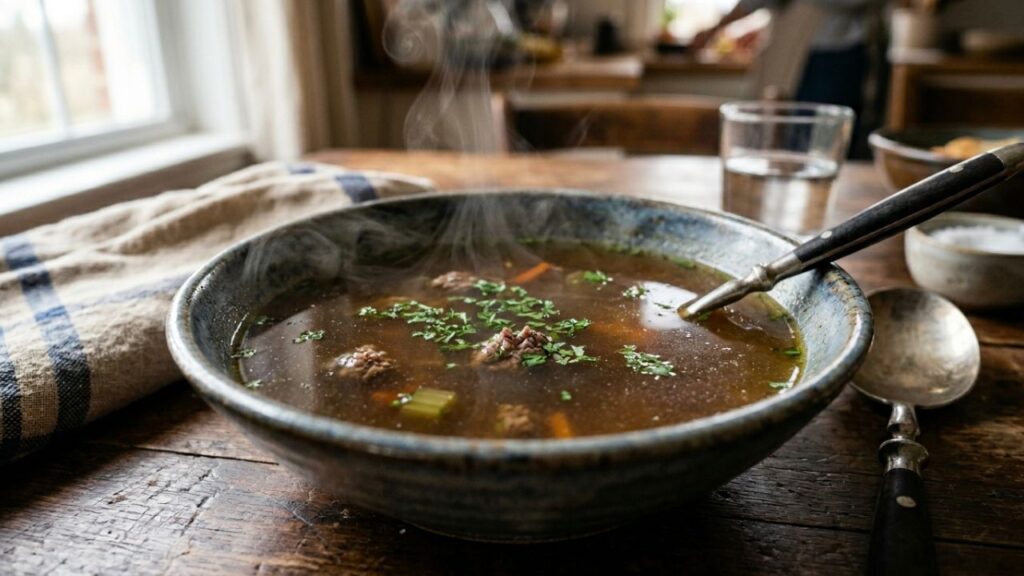
Serving the broth in clear bowls highlights its golden color and silky texture. A typical portion of 1–2 cups per person provides a comforting, healthful boost without adding excess calories or sodium. For gatherings, ladle the broth into small cups or bowls for easy serving.
Flavor Enhancements and Garnishes
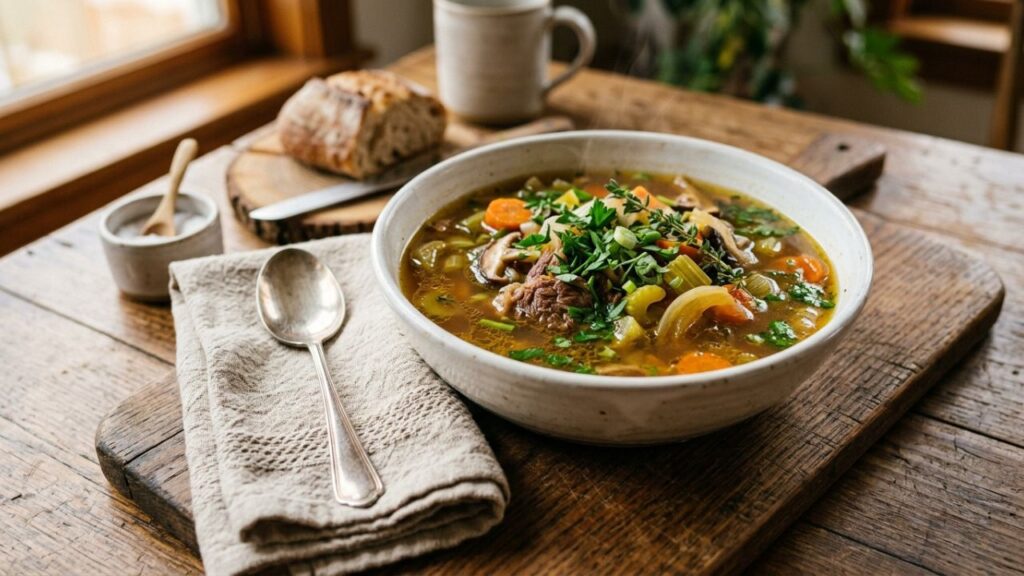
Adding simple garnishes can elevate both flavor and nutrition. Fresh herbs like parsley or thyme add aroma and antioxidants, while a squeeze of lemon or a pinch of black pepper brightens the taste. You can also add thinly sliced vegetables, cooked grains, or a few drops of high-quality olive oil to create a more filling, balanced meal..
Seasonal and Occasion Variations
Spring and Summer Adjustments
In warmer months, add fresh herbs like basil or tarragon and lighter vegetables such as zucchini or spinach. These additions maintain the lightness of the broth while keeping nutrient content high.
Fall and Winter Comfort
During colder months, include root vegetables such as parsnips, turnips, and carrots for extra sweetness and heartiness. The broth works well as a base for warming stews or braised dishes.
Holiday and Special Occasion Adaptations
Roast bones with garlic and onions to give the broth a festive aroma and deeper flavor. Reduce the broth to concentrate flavor for sauces or gravies without adding unhealthy fats.
Refreshing Leftovers
Freeze small portions to use in risottos, soups, or sauces. Broth can also enhance cooked grains and vegetables, providing extra nutrition and flavor for meal prep.
Storing and Reheating for Health
Refrigeration
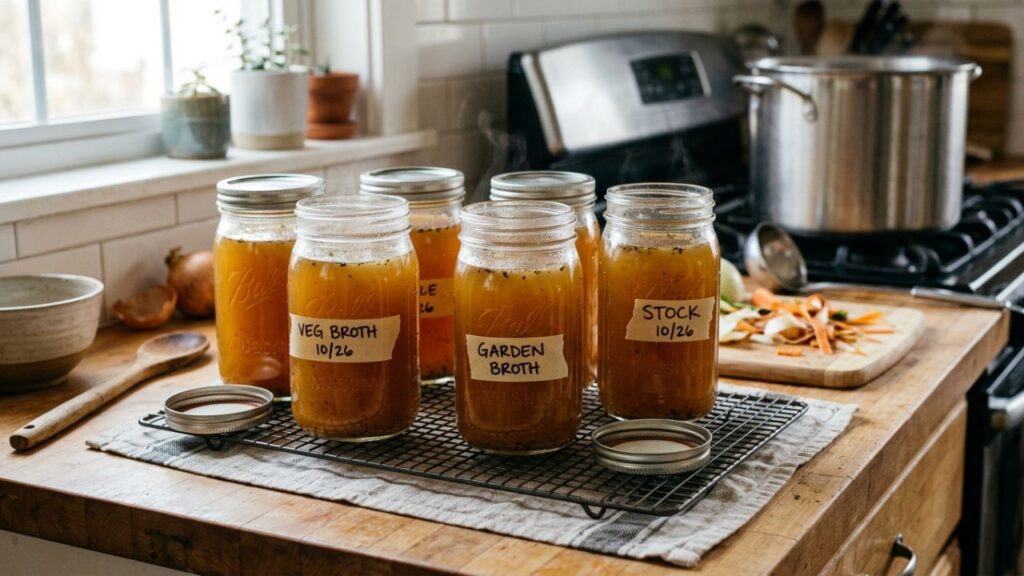
Store your beef knuckle bone broth in airtight containers to maintain freshness and prevent bacterial growth. Ideally, refrigerate within two hours of cooking to ensure safety. Properly stored, the broth can last up to five days, allowing you to enjoy nutrient-rich meals throughout the week.
Freezing
For long-term use, freeze the broth in freezer-safe containers or ice cube trays for convenient portioning. Freezing preserves the flavor and nutrients, and the broth can last 3–6 months without losing quality. Label containers with the date to keep track of storage time.
Reheating
Reheat broth gently on the stove over low to medium heat to preserve its delicate proteins and gelatin. Avoid boiling, which can break down the texture and reduce the silky mouthfeel. Warm slowly until steaming, then taste and adjust seasoning as needed.
Food Safety
Always cool the broth quickly before refrigerating to minimize bacterial growth. Use clean containers with tight lids, and avoid leaving broth at room temperature for extended periods. Proper storage ensures you get the full health benefits from every serving.

Common Mistakes to Avoid
Overcooking or Undercooking
Simmering too long can cause bones and vegetables to break down too much, resulting in a cloudy or overly thick broth. Simmering too briefly will produce a weak, flavorless stock. Aim for gentle, low heat over 6–8 hours for a perfect balance.
Incorrect Seasoning
Adding salt too early can lead to an overly salty broth, especially as it reduces during cooking. Always season at the end, tasting carefully to maintain a balanced, health-conscious flavor.
Poor Ingredient Preparation
Failing to clean bones properly or leaving vegetable skins on can negatively affect both taste and nutritional quality. Rinse bones under cold water and peel vegetables as needed to produce a clean, clear, and wholesome broth.
Skipping Resting Time
Allowing the broth to rest after cooking improves clarity and texture. Let it settle for a few hours or overnight in the fridge before straining. This step helps separate fat and allows flavors to meld fully.
Texture Issues
Foam and impurities often rise to the surface during simmering. Skimming regularly ensures a smooth, silky broth. Neglecting this can result in an unappealing texture and slightly bitter flavors, detracting from the richness and health benefits.
Frequently Asked Questions
1. Can I Use Frozen Knuckle Bones?
Yes, frozen knuckle bones work perfectly for broth. You can add them directly to cold water, or let them thaw slightly first. Just make sure to adjust simmering time slightly if they are still partially frozen to extract maximum flavor and nutrients.
2. How Long Should I Simmer?
Simmering for 6–8 hours is ideal to extract collagen, gelatin, and minerals. Shorter cooking will produce a lighter, less flavorful broth, while simmering too long can break down delicate textures. Gentle, low heat ensures the best balance of flavor and nutrition.
3. Do I Need to Roast the Bones?
Roasting is optional but highly recommended for deeper flavor. It caramelizes the marrow and adds a rich, golden color to the broth. If you skip roasting, you’ll still get a nutritious broth, but the taste will be milder and less complex.
4. Can I Use a Slow Cooker?
Absolutely! A slow cooker is perfect for hands-off simmering. Cook on low for 8–12 hours to extract the full nutrients from the bones. The slow, gentle heat helps the broth develop depth and silky texture without constant attention.
5. How Do I Remove Excess Fat?
Chill the broth in the fridge until the fat solidifies, then skim it off carefully. You can also use a fat separator while pouring. Removing excess fat creates a cleaner, lighter broth while keeping the flavor and nutrients intact.
6. When Should Vegetables Be Added?
Delicate herbs and quick-cooking vegetables should be added during the last hour of simmering. This prevents them from overcooking and losing flavor or nutrients. Heartier vegetables like carrots or celery can go in at the beginning to enhance richness.
Conclusion
Beef knuckle bone broth is a nourishing and versatile foundation for home cooks looking to create flavorful, healthful meals. By slowly simmering quality bones, incorporating fresh vegetables and herbs, and paying attention to balance and seasoning, you can turn a simple batch of broth into multiple wholesome dishes throughout the week. Thoughtful cooking and patience make the process as satisfying as the rich, golden broth itself.
While I’m not a nutritionist, experts like Dr. Andrew Wei, highlights that meals made from whole, minimally processed ingredients, like nutrient-rich broths, can support digestion, joint health, and overall wellness. By making broth from beef knuckle bones a part of your routine, you’re investing in both flavor and long-term health.
About the Author
Oliver Brooks is a home cook and food enthusiast passionate about creating healthy, approachable meals. He enjoys helping readers develop flavorful, nutrient-rich recipes that nourish both the body and the senses. In his kitchen, he experiments with seasonal ingredients and traditional techniques to make everyday cooking enjoyable and healthful.