
A meat pack can be a practical and versatile choice for creating a variety of flavorful meals at home. Different cuts and types of meat can be prepared using simple cooking methods, making them suitable for everything from quick everyday meals to hearty family dinners. Whether cooked on the grill, in a pan, in the oven, or as part of a comforting dish, a meat pack offers plenty of flexibility in the kitchen.
Choosing the right cooking method for each type of meat can help bring out its natural flavor and texture while keeping meal preparation simple. With a little planning, the different portions in a meat pack can also be used across several meals, giving home cooks an easy way to add variety and convenience to their weekly meal routine.
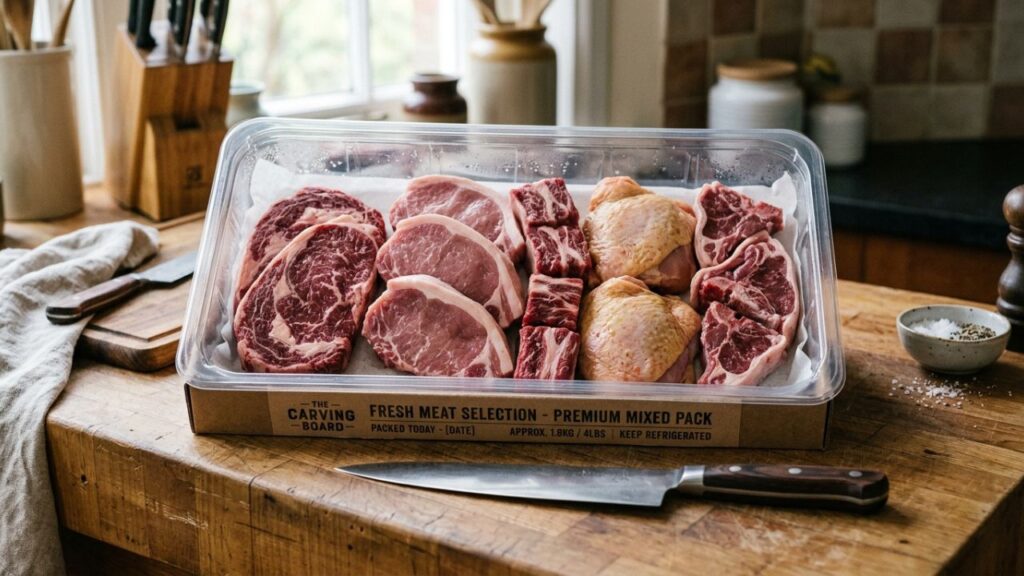
What Is a Meat Pack?
A meat pack is a convenient selection of different meat cuts, such as beef, chicken, pork, lamb, or ground meat. It offers flexibility for grilling, roasting, baking, braising, or slow-cooking, making it useful for a variety of homemade meals. Pairing meat with vegetables or whole grains can also help create balanced and satisfying dishes.
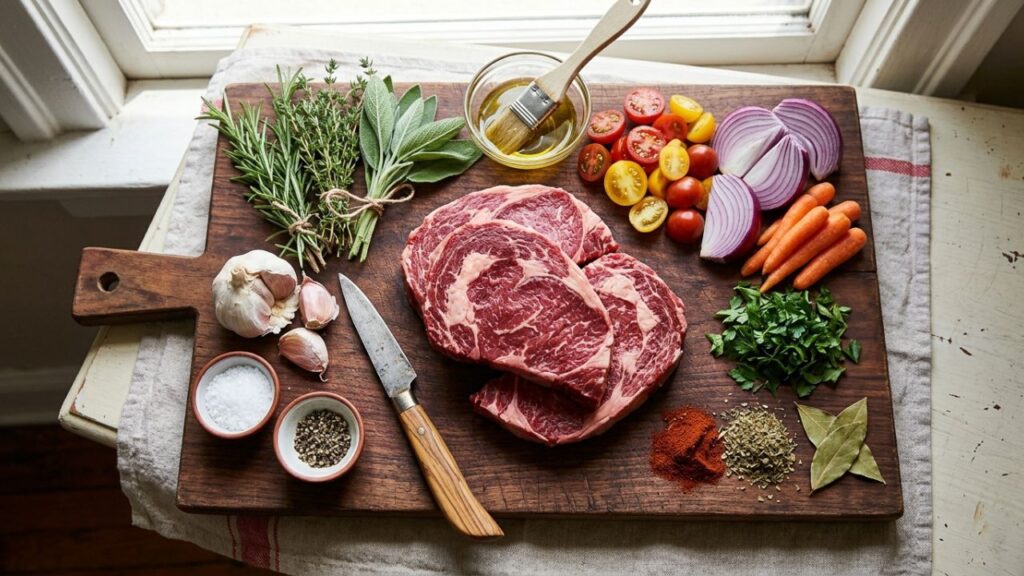
Prep Time: 15 minutes
Cook Time: 25 minutes
Total Time: 40 minutes
Servings: 4 servings
Ingredients
Salt, to taste
1½ pounds assorted meat cuts, such as beef, chicken, pork, or lamb
1 teaspoon black pepper
1 teaspoon garlic powder
1 teaspoon paprika
½ teaspoon onion powder
1 teaspoon dried herbs
1 tablespoon olive oil
1 tablespoon mustard
1 tablespoon vinegar or lemon juice
| Ingredient | Alternative |
|---|---|
| Beef | Lamb or pork |
| Chicken | Turkey or chicken sausage |
| Pork | Beef or lamb |
| Black pepper | White pepper |
| Garlic powder | Fresh minced garlic |
| Paprika | Smoked paprika |
| Onion powder | Finely minced onion |
| Dried herbs | Fresh thyme, rosemary, or parsley |
| Olive oil | Avocado oil or another suitable cooking oil |
| Mustard | Dijon mustard |
| Vinegar | Fresh lemon juice |

Step-by-Step Cooking Method
Step 1
Remove the different cuts from the meat pack and prepare them according to their size and type. Pat the meat dry with paper towels to remove excess moisture, which helps the meat brown properly during cooking. Keep raw meat separate from other foods and use clean utensils and surfaces to reduce the risk of cross-contamination. For official food-safety guidance, visit the {“fallbackMarkdown”:“USDA Food Safety and Inspection Service“
Step 2
Season the meat with salt, black pepper, garlic powder, paprika, onion powder, and dried herbs. For tougher cuts, allow the seasoning or marinade to sit for a little longer so the flavors can develop. Tender cuts generally need only light seasoning before cooking.
Step 3
Choose the cooking method according to the type and size of each cut. Tender pieces can be grilled or pan-seared, while tougher cuts can be roasted, braised, or slow-cooked. Avoid overcrowding the pan so the meat has enough space to brown evenly.
Step 4
Cook the meat until it is properly browned and reaches the appropriate internal temperature. Use a food thermometer to check doneness rather than relying only on appearance.
Step 5
Add a sauce, glaze, fresh herbs, or finishing seasoning during the final stage of cooking if desired. Mustard, lemon juice, herbs, or a light sauce can add extra flavor while complementing the natural taste of the meat.
Step 6
Remove the meat from the heat once it reaches a safe internal temperature and allow suitable cuts to rest before serving. Slice larger pieces as appropriate and serve warm with vegetables, grains, or other preferred side dishes.
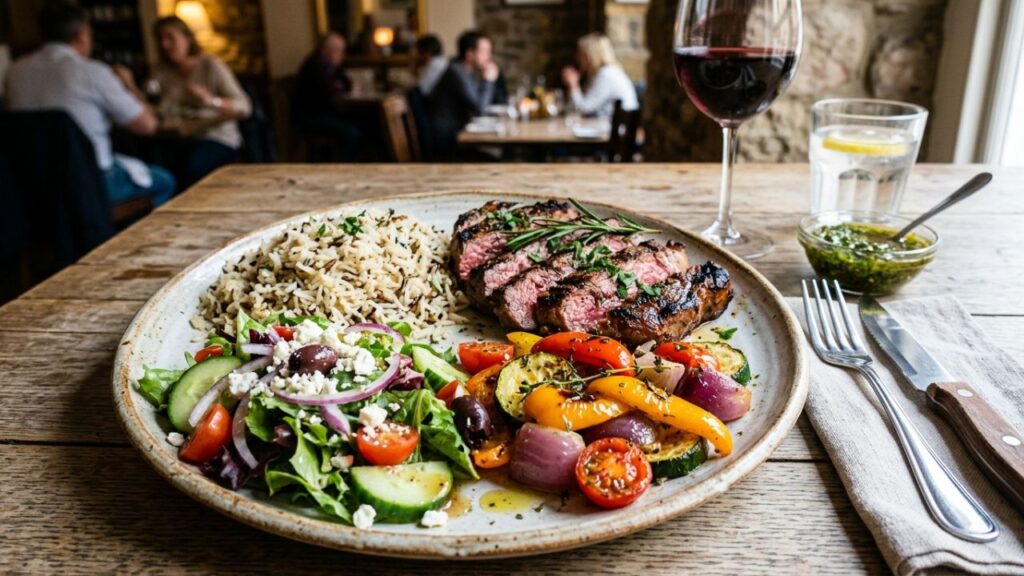
Serving Suggestions for Meat Packs
| Serving Suggestions for Meat Packs | |
|---|---|
| Pairings | Meat from a pack works beautifully with vegetables, grains, or starches. Roasted or grilled cuts pair well with seasonal vegetables, mashed potatoes, rice, or pasta. By combining meats with a variety of accompaniments, you can create balanced meals that are both satisfying and visually appealing. |
| Creative Presentations | Think beyond the plate. Sliced cooked meats can be used in sandwiches, tacos, or fresh salads. Adding fresh herbs, a drizzle of sauce, or a squeeze of citrus instantly brightens the dish and makes it feel more elevated. |
| Portioning for Meals | Adjust portion sizes based on the occasion. For casual weeknight dinners, smaller cuts or shared platters work perfectly. For gatherings or family-style meals, larger portions allow everyone to enjoy generous servings. Proper planning ensures minimal waste and a balanced distribution of flavors. |

Seasonal or Occasion Variations
Leftover Ideas: Cooked meat can be reused in wraps, salads, stir-fries, sandwiches, or casseroles. This helps reduce food waste while creating different meals from the same meat pack.
Spring and Summer: Lighter cuts like chicken or pork are ideal for warmer months. Grilling with fresh herbs, citrus, and seasonal vegetables creates bright, fresh flavors that work well for outdoor gatherings and casual dinners.
Fall and Winter: Heavier cuts such as beef or lamb are well suited to slow-cooked dishes. Braises and stews with root vegetables, aromatic herbs, and hearty sauces make comforting meals for colder weather.
Holiday Meals: Roasts can serve as festive centerpieces for special occasions. Rosemary, garlic, and thyme add depth, while seasonal side dishes create a celebratory meal without requiring complicated techniques.

Storage & Reheating Tips
Food Safety: Keep leftover meat properly stored and handle it carefully to reduce the risk of foodborne illness. Do not leave cooked meat at room temperature for extended periods, and check storage times before consuming leftovers.
Refrigeration: Store cooked meat in airtight containers and refrigerate it within two hours. Cooked leftovers can generally be kept in the refrigerator for 3–4 days at 40°F (4°C) or below.
Freezing: For longer storage, pack cooked meat in airtight, freezer-safe containers or wrapping and label it with the date. Cooked leftovers generally maintain good quality in the freezer for 3–4 months. USDA Freezing and Food Safety
Reheating: Reheat leftovers to an internal temperature of 165°F (74°C). Covering the meat while reheating can help retain moisture and prevent it from drying out.
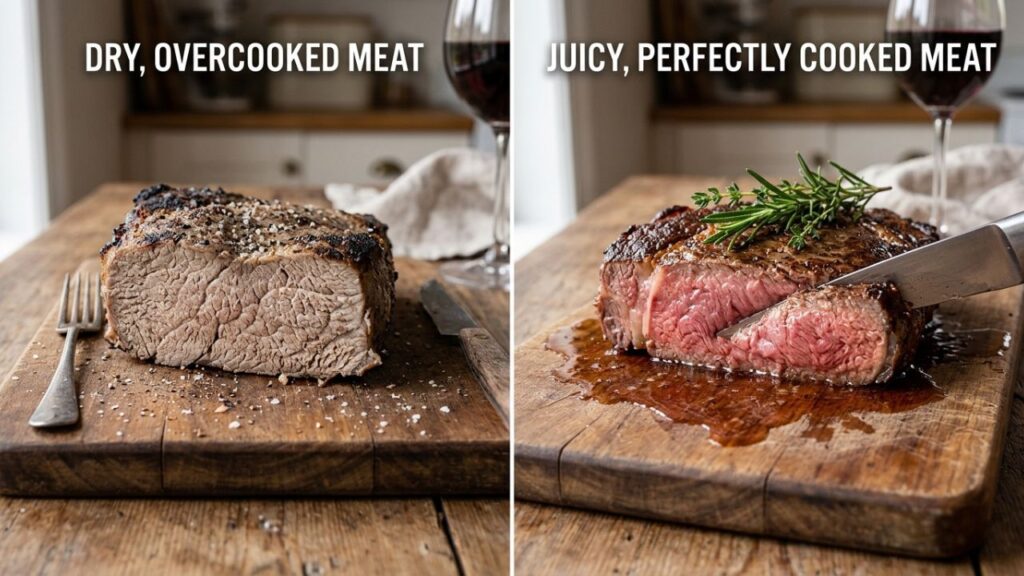
Common Mistakes to Avoid
Cooking a meat pack becomes easier when you avoid a few common mistakes, such as using too much heat, rushing the cooking process, or seasoning too lightly. Giving the meat enough time to cook and rest helps preserve its natural juices and tenderness, while choosing the right method for each cut brings out better texture. A little attention to heat, seasoning, and resting can turn an ordinary meat pack into a more flavorful and satisfying meal.
Frequently Asked Questions
1. Can I mix different meats in one dish?
Yes, you can mix different meats in one dish, but it is important to consider their different cooking times and textures. Chicken may cook faster than beef or pork, so cook the meats separately or add them at different stages.
2. How long does a meat pack last in the fridge?
Raw meat generally lasts 2–3 days in the refrigerator, while cooked meat can usually be stored for 3–4 days when properly refrigerated. Keep it in a sealed container to maintain quality.
3. Should I marinate all cuts?
Not necessarily. Tougher cuts usually benefit more from marination because it can add flavor and improve tenderness. Tender cuts often need only simple seasoning before cooking.
4. Can I freeze a meat pack before cooking?
Yes, freezing is a convenient way to extend storage. Wrap the meat securely in freezer-safe packaging, remove excess air where possible, and label it with the date before placing it in the freezer.
5. How can I prevent meat from drying out?
Avoid cooking meat for too long and use moderate heat when appropriate. Letting the meat rest after cooking helps retain its juices, while sauces or marinades can add extra moisture and flavor.
6. Are there vegetarian alternatives?
Yes, firm tofu, tempeh, and plant-based meat alternatives can be used in many recipes. They can be seasoned and cooked using similar methods to create flavorful options without meat.
Conclusion
A meat pack is a versatile tool for home cooks, offering inspiration for creative and satisfying meals. By understanding each cut, exploring different cooking techniques, and pairing meats thoughtfully, you can transform a simple pack into a week of flavorful dishes. Thoughtful cooking, attention to flavor, and enjoyment of textures make the process as rewarding as the result.