
Cooking with a meat pack is a simple way to add variety and flavor to your weekly meals. For many home cooks, it’s not just a convenient collection of protein—it’s an opportunity to get creative in the kitchen. Whether you’re preparing quick weeknight dinners, meal prepping for the week, or planning a casual gathering, a meat pack provides flexibility and inspiration.
A typical meat pack contains a selection of cuts, including beef, chicken, pork, or lamb. This variety allows you to experiment with different textures, cooking methods, and flavor combinations without needing multiple trips to the store. If you want to dive deeper into cooking larger portions of beef efficiently, check out our guide on How to Make the Most of Half Beef in Recipes. Each cut offers a unique taste, from tender chicken to rich, marbled beef, making meal planning both exciting and efficient.
In this guide, we’ll explore how cooking with a meat pack can make meal planning easier and more versatile at home. By understanding the different cuts of meat, their cooking methods, and how to pair them with vegetables and grains, you can create meals that are both flavorful and balanced. With a little planning and attention to preparation, a meat pack can be transformed into multiple satisfying and nutritious meals throughout the week.
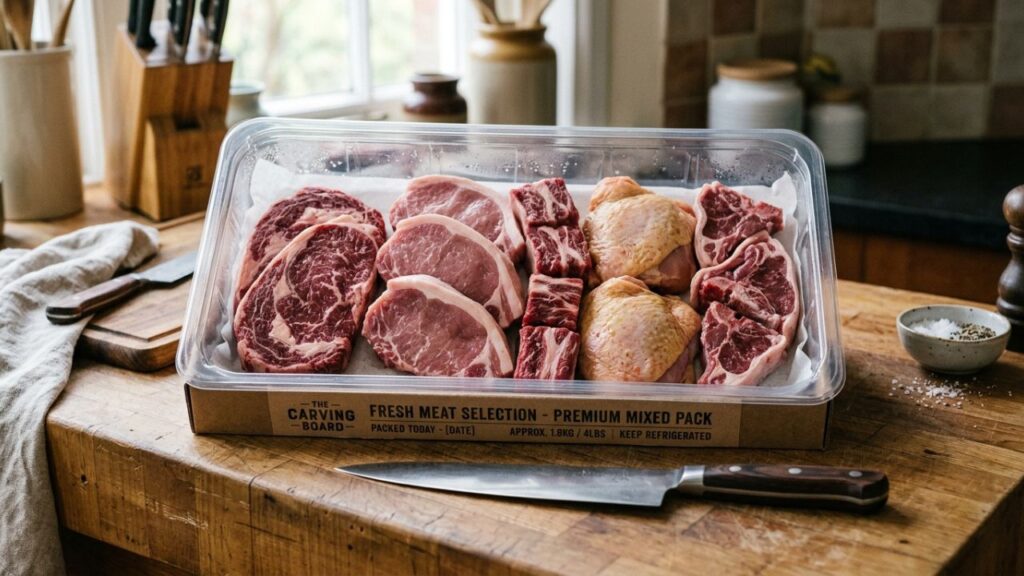
What Is a Meat Pack?
A meat pack is a collection of assorted meats, often pre-portioned for convenience. It may include a single type of meat or a combination of beef, chicken, pork, and lamb, sometimes with ground meat or marinated cuts.
According to US public health expert Dr. Andrew Weil,, a balanced diet is essential when cooking meat packs at home, and it should always include vegetables and whole grains alongside protein. He also emphasizes using healthy cooking methods like grilling, baking, or slow cooking instead of deep frying or over-charring meat. Additionally, proper food safety—such as correct storage, hygiene, and cooking meat thoroughly—is important to prevent foodborne illnesses.
Key Ingredients
Meat packs typically contain bone-in or boneless cuts, with some packs including sausage or bacon. The assortment encourages experimentation with multiple cooking styles and flavors.
Culinary Background
Meat packs are popular in households that plan weekly meals or buy in bulk for budget reasons. They are common in many regions worldwide and allow cooks to explore different cooking methods in one go.
Flavor Profile
The meats in a pack range from tender and mild to rich and flavorful. When cooked correctly, the combination of cuts offers depth and variety to any meal.
Traditional Preparation Methods
Depending on the type of meat, common preparations include roasting, grilling, slow-cooking, braising, or pan-searing. Using a meat pack lets you mix methods to create balanced meals.
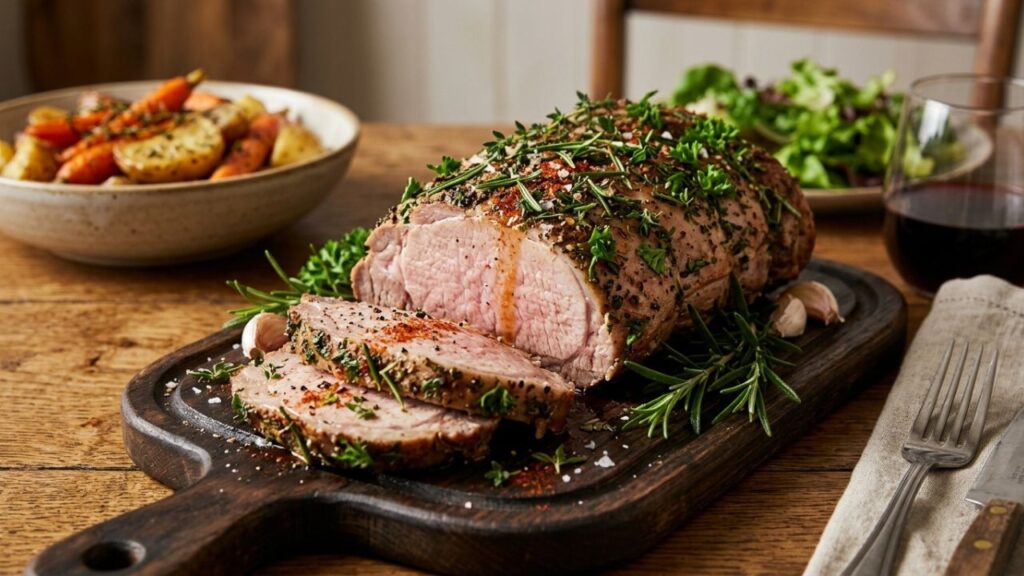
Why Meat Packs Work So Well
Balanced Flavors
A meat pack naturally combines lean and fatty cuts, which allows for a more complex and satisfying flavor in every meal. Using simple additions like fresh herbs, spices, or a touch of acidity from lemon or vinegar enhances the natural taste of each type of meat. This balance helps even the simplest weeknight dishes feel thoughtful and well-rounded.
Texture Variety
Different Cooking Techniques for various cuts create appealing texture contrasts. Tender, slow-cooked pieces can sit alongside quickly seared or grilled cuts, giving every bite something interesting to enjoy. This combination makes meals feel more satisfying and adds depth to your cooking repertoire.
Versatility in Cooking
Meat packs are incredibly flexible, adapting to techniques from quick stir-fries to long, slow-simmered stews. They encourage experimentation and creativity, allowing home cooks to try new flavors or meals without additional shopping. This versatility is particularly useful when planning multiple meals for the week.
Fit into Everyday Meals
Whether for a casual lunch or a family dinner, a meat pack provides a reliable foundation for diverse meals. By preparing several cuts at once, you can easily repurpose leftovers into new dishes, saving time while keeping meals interesting. This approach makes weekly cooking more efficient and enjoyable.
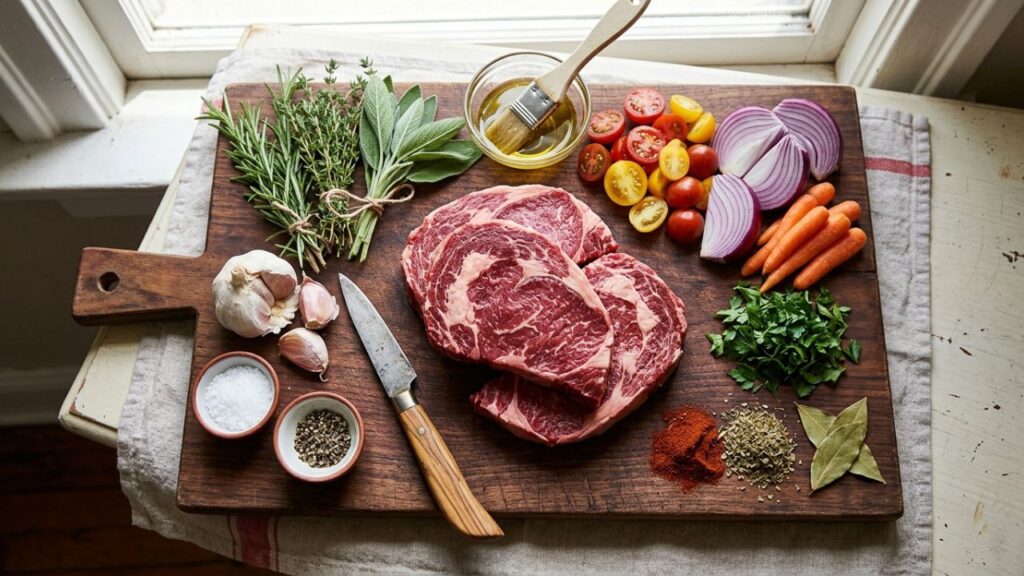
Meat Pack for Ingredients Guide
Quality Indicators
Freshness is key when selecting meats for a meat pack. Look for vibrant colors—beef should be bright red, chicken light pink, and pork pale pink—while avoiding any gray or brown discoloration. A clean smell and firm texture are also good indicators of quality and will ensure your dishes taste their best.
Ingredient Substitutions
Sometimes a cut you have isn’t ideal for a specific recipe, but substitutions are possible. For example, chicken thighs can replace pork shoulder in a slow-cooked dish, or ground beef can be used in place of diced beef for stews. These swaps allow flexibility without compromising flavor or texture.
Seasonal Considerations
Certain cuts shine during specific seasons. Lighter meats like chicken breasts or pork tenderloin are perfect for spring and summer, while richer cuts like lamb shoulder or beef chuck are ideal for fall and winter. Cooking seasonally ensures meals are comforting, appropriate, and flavorful.
Budget-Friendly Alternatives
Buying in bulk and portioning meat at home can save both money and time. Local butchers often provide meat packs at better value than supermarkets, and you can choose cuts that suit your cooking style. Planning ahead with budget-conscious options keeps meals sustainable without sacrificing quality.
Pantry Staples
Simple ingredients like garlic, onions, olive oil, herbs, mustard, and vinegar are enough to enhance any meat dish. These staples can transform ordinary cuts into flavorful meals without requiring complex recipes or exotic ingredients. Keeping them on hand is a small investment that pays off in taste.

Step-by-Step Cooking Method
Preparing the Meat
Before cooking, allow your meat to sit at room temperature for about 20–30 minutes. This helps it cook evenly and prevents the exterior from overcooking while the interior remains raw. Patting the meat dry with paper towels ensures a better sear and enhances texture. For tips on handling and cooking smaller cuts like poultry, check out our guide on How to Cook Chicken Back for a Simple and Tasty Dinner.
Seasoning and Marinades
Seasoning forms the foundation of a good dish. Simple combinations of salt, pepper, garlic, or fresh herbs work beautifully. Tough cuts benefit from marination for flavor and tenderness, while tender cuts only need light seasoning to shine. Short marinations can also add a subtle depth of flavor without extra effort.
Cooking Techniques
Different cuts require different approaches. Searing over medium-high heat develops a rich caramelized crust, while slow-cooking transforms tougher pieces into tender, juicy bites. Grilling adds a smoky note, and braising creates deep, comforting flavors that are perfect for family meals. Combining techniques can yield the best results.
Sensory Cues
Keep an eye on how your meat looks, smells, and feels while cooking. The surface should be nicely browned, and the inside should remain juicy and firm. Juices can be clear or slightly pink depending on the meat, and the aroma should be inviting, signaling that your dish is coming together.
Troubleshooting
Overcrowding the pan can lead to steaming rather than searing, resulting in a less flavorful texture. If meat seems dry, a quick glaze, sauce, or splash of stock can restore moisture and richness. Paying attention to heat, timing, and seasoning will help avoid these common problems.
Optional Variations
Experimenting with flavors keeps meals exciting. Spice blends, herb butters, tangy marinades, or even citrus zest can give each cut a unique personality. I often like to season one cut simply and another boldly, which gives a single meat pack multiple options for different meals.

Serving Suggestions for Meat Packs
Pairings
Meat from a pack works beautifully with vegetables, grains, or starches. Roasted or grilled cuts pair well with seasonal vegetables, mashed potatoes, rice, or pasta. By combining meats with a variety of accompaniments, you can create balanced meals that are both satisfying and visually appealing.
Creative Presentations
Think beyond the plate. Sliced cooked meats can be used in sandwiches, tacos, or fresh salads. Adding fresh herbs, a drizzle of sauce, or a squeeze of citrus instantly brightens the dish and makes it feel more elevated. In my kitchen, even a simple dinner feels special when plated thoughtfully with colorful accompaniments.
Portioning for Meals
Adjust portion sizes based on the occasion. For casual weeknight dinners, smaller cuts or shared platters work perfectly. For gatherings or family-style meals, larger portions allow everyone to enjoy generous servings. Proper planning ensures minimal waste and a balanced distribution of flavors.

Seasonal or Occasion Variations
Spring and Summer
Lighter cuts like chicken or pork are ideal for warmer months. Grilling with fresh herbs, citrus, and seasonal vegetables creates bright, fresh flavors. These meals often feel lighter and are perfect for outdoor gatherings or casual dinners.
Fall and Winter
Heavier cuts, such as beef or lamb, shine in slow-cooked dishes. Braises and stews with root vegetables, aromatic herbs, and hearty sauces provide comforting, warming meals during colder months. I like to let these dishes simmer while the family is home, filling the kitchen with inviting aromas.
Holiday Meals
Roasts make festive centerpieces. Aromatics like rosemary, garlic, and thyme add depth to special occasion meals. Pairing large cuts with seasonal sides creates a celebratory feel without overly complex techniques.
Leftover Ideas
Leftovers can be transformed creatively. Turn cooked meats into wraps, salads, stir-fries, or even casseroles. Not only does this reduce waste, but it also allows for new flavors and combinations, keeping meals interesting throughout the week.
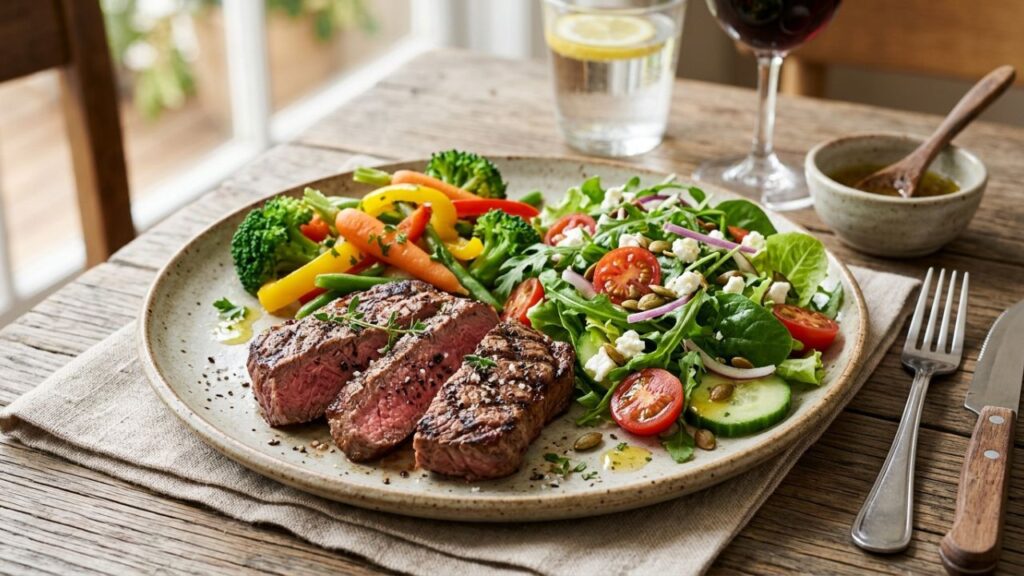
Health Considerations for Meat pack
Nutritional Benefits
Meat packs provide a rich source of high-quality protein, iron, zinc, and B vitamins. Including a mix of lean and fatty cuts ensures a balanced intake of nutrients, which supports overall health and satiety.
Balanced Cooking Methods
Choosing cooking methods like grilling, braising, or slow-cooking helps retain nutrients while minimizing added fats. Avoid deep frying or heavy sauces for everyday meals, and rely on herbs, citrus, and spices to enhance flavor naturally.
Portion Control
Moderating meat portions is essential for a balanced diet. Pairing meats with vegetables, whole grains, and legumes creates complete meals that provide nutrients without overloading on calories.
Healthy Flavor Enhancers
Herbs, spices, vinegar, and citrus are excellent for boosting flavor without adding sodium or calories. Simple adjustments like these allow you to enjoy rich-tasting dishes while keeping them healthy and wholesome.

Storage & Reheating Tips
Refrigeration
Store cooked meat in airtight containers within two hours of cooking. Consume refrigerated leftovers within 3–4 days to maintain both flavor and safety.
Freezing
For longer storage, wrap meat portions tightly in freezer-safe packaging and label them with dates. Frozen meat retains quality for up to three months and is perfect for future meal prep.
Reheating
Reheat gently to preserve texture and moisture. Slow reheating in a pan or oven is preferable to microwaving, as it keeps meat tender and flavorful. Adding a small amount of broth or sauce during reheating can help maintain juiciness.
Food Safety
Always check meat for off smells, unusual textures, or discoloration before consuming leftovers. Safe handling and proper storage help prevent spoilage and foodborne illnesses.
Common Mistakes to Avoid
Overcooking or Undercooking
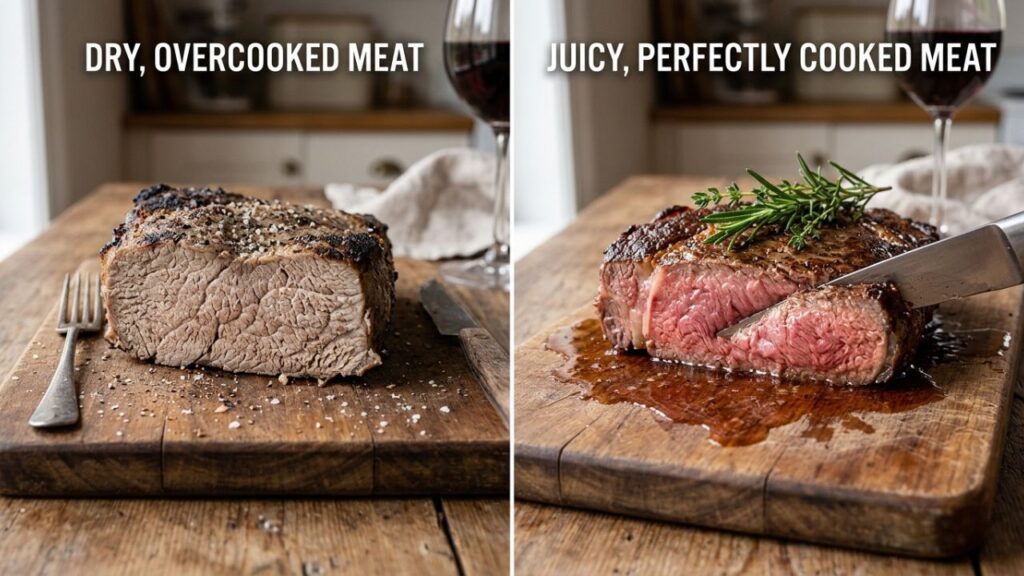
Monitoring cooking times carefully prevents dryness in lean cuts or toughness in dense cuts. Using a meat thermometer or checking visual cues can ensure proper doneness.
Skipping Resting Time
Allowing meat to rest after cooking helps redistribute juices, improving tenderness and flavor. Cutting too soon can result in dry, less flavorful meat.
Poor Seasoning
Season early and taste as you go to build balanced flavors. Skipping this step often results in bland or unevenly seasoned dishes.
Ignoring Texture
Varying cooking methods for different cuts creates contrast in meals. Combining tender, slow-cooked pieces with quick-cooked or seared cuts ensures a more enjoyable eating experience.
Frequently Asked Questions
1. Can I mix different meats in one dish?
Yes, you can mix different meats, but it’s important to consider cooking times and textures. For example, chicken cooks faster than beef or pork, so adding all cuts at once could lead to uneven results. To get the best outcome, stagger cooking times or cook each type separately before combining them in the final dish.
2. How long does a meat pack last in the fridge?
Raw meat generally stays fresh in the refrigerator for 2–3 days. Cooked meat can usually be stored safely for 3–4 days if kept in airtight containers. Always check for off smells, discoloration, or slimy texture before using leftovers, and try to consume meat within these time frames for both taste and safety.
3. Should I marinate all cuts?
Not all cuts require marination, though tougher cuts benefit the most. Marinating adds flavor and helps tenderize the meat, especially for slow-cooked or grilled recipes. Tender cuts, such as chicken breasts or pork loin, often just need seasoning before cooking, though a short marination can still enhance their flavor.
4. Can I freeze a meat pack before cooking?
Yes, freezing a meat pack is a great way to extend its shelf life. Wrap the cuts tightly in freezer-safe packaging and label them with the date. Most meats maintain good quality for up to 3 months, though freezing may slightly change texture, so use frozen meat mainly for cooked or slow-cooked recipes.
5. How can I prevent meat from drying out?
To keep meat juicy, cook at moderate heat and avoid overcooking. Allow meat to rest after cooking so the juices redistribute, which enhances tenderness and flavor. Adding a sauce, glaze, or even a small amount of broth during cooking can also help maintain moisture, especially for lean cuts.
6. Are there vegetarian alternatives?
Yes, you can substitute plant-based proteins for some dishes using firm tofu, tempeh, or commercially available meat alternatives. These options absorb flavors well and provide protein, making them a suitable choice for those who prefer a vegetarian meal or want to mix plant-based and meat options creatively.
Conclusion
A meat pack is a versatile tool for home cooks, offering inspiration for creative and satisfying meals. By understanding each cut, exploring different cooking techniques, and pairing meats thoughtfully, you can transform a simple pack into a week of flavorful dishes. Thoughtful cooking, attention to flavor, and enjoyment of textures make the process as rewarding as the result.
While I’m not a nutritionist, experts like Dr. Andrew Weil, emphasize that meals built around whole, minimally processed foods and mindful cooking methods can support long-term health and well-being.
About the Author
Oliver Brooks is a passionate home cooking enthusiast and culinary blogger who loves helping readers create approachable, flavorful meals at home. He enjoys experimenting with new ingredients and sharing practical tips to make cooking inspiring and stress-free.