How Do You Cook Chicken Necks at Home for Rich Flavor?

Chicken necks are a traditional ingredient valued in many home kitchens for their rich flavor and naturally comforting texture. Although they are often overlooked in modern cooking, they have long been used in homemade soups, stews, gravies, and slow-cooked family meals. When simmered slowly with simple herbs, onions, and spices, they create a deeply savory dish that feels both hearty and economical.

One of the main reasons chicken necks remain popular is their ability to add natural richness to broth without the need for expensive ingredients. The bones and connective tissue release flavor gradually during cooking, producing a silky, full-bodied texture that works beautifully in soups and braised dishes. For tips on cooking chicken parts for rich and tasty results, check out How to Cook Chicken Back for a Simple and Tasty Dinner. This slow transformation is what gives the dish its signature homemade depth.

In my kitchen, I often allow chicken necks to simmer a little longer than expected because the broth becomes noticeably richer and more comforting with extra time. That small patience can turn a simple pot of ingredients into a warm, satisfying meal. This guide will help you understand how to prepare, cook, and serve chicken necks with practical kitchen tips for everyday cooking.


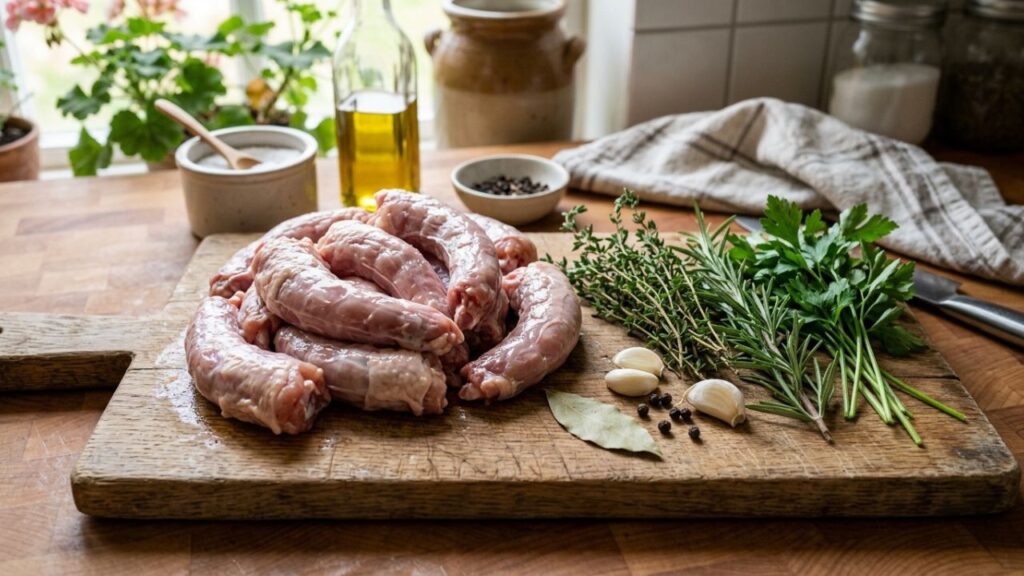
Raw chicken necks on a cutting board with herbs.
Chicken necks are flavorful cuts used for soups and stews.

What Are Chicken Necks?

Chicken necks are the narrow bone-in section between the body and head of the chicken. Although they contain less meat than thighs or drumsticks, they are highly valued for their flavor. Slow cooking helps soften the connective tissue and releases natural gelatin into the broth, giving dishes a rich and comforting texture.

According to US physician Michael Greger, overall diet quality matters more than any single ingredient, and meals should focus on whole, minimally processed foods prepared in healthy ways. His general advice supports choosing home-cooked dishes that include vegetables, balanced seasoning, and gentle cooking methods rather than heavily processed or high-fat foods. From this perspective, chicken necks can be enjoyed occasionally in slow-cooked soups or broths as part of a balanced diet when prepared in a simple and controlled way. 

Cultural and Culinary Use

Chicken necks are used in many traditional cuisines around the world. Southern-style cooking often simmers them slowly with onions and spices, while Caribbean and African recipes may include peppers, herbs, and flavorful sauces. In many Asian kitchens, chicken necks are commonly added to stocks and soups because they create a strong, savory broth.

Flavor and Texture Profile

Their flavor is rich, slightly deep, and intensely comforting when cooked slowly. They absorb seasoning well and pair naturally with garlic, thyme, bay leaves, black pepper, and vegetables.


 Chicken necks simmering in a pot with vegetables.
Chicken necks add rich flavor and body to homemade dishes.

Why Chicken Necks Work Well in Home Cooking

Rich Natural Flavor

Chicken necks are especially useful in home kitchens because they create flavorful meals with simple ingredients. Slow simmering allows the bones and connective tissue to release flavor gradually, producing broth with natural richness and body.

Tender Texture After Slow Cooking

The texture becomes tender when cooked properly, while the broth develops a silky consistency that feels comforting and filling. This makes chicken necks ideal for soups, stews, and gravy-based meals served with rice, potatoes, or bread.

Affordable and Practical for Families

Another reason many cooks enjoy using chicken necks is affordability. They allow families to prepare warm, satisfying meals without relying on expensive cuts of meat. Their deep flavor also means fewer ingredients are needed to create a balanced dish.

Perfect for Meal Preparation

For everyday cooking, chicken necks fit well into meal preparation because they reheat easily and often taste even better the next day after the flavors continue developing overnight.


Chicken neck broth with vegetables in a bowl.
Chicken necks provide protein and create rich, nourishing broth.

Health Benefits of Chicken Necks

Natural Source of Protein and Collagen

Chicken necks contain protein along with natural collagen released from the connective tissue during cooking. Slow simmering helps create broth with a smooth texture that many people enjoy in comforting homemade meals.

Rich Homemade Broth Without Heavy Ingredients

Chicken necks naturally create flavorful broth without requiring large amounts of cream or processed ingredients. This allows cooks to prepare meals that feel hearty while still relying on simple pantry staples.

A Filling Option for Comfort Meals

Because chicken necks create rich broth and tender meat, they can make meals feel satisfying without needing large portions. Many home cooks pair them with vegetables, rice, or grains for balanced everyday dinners.


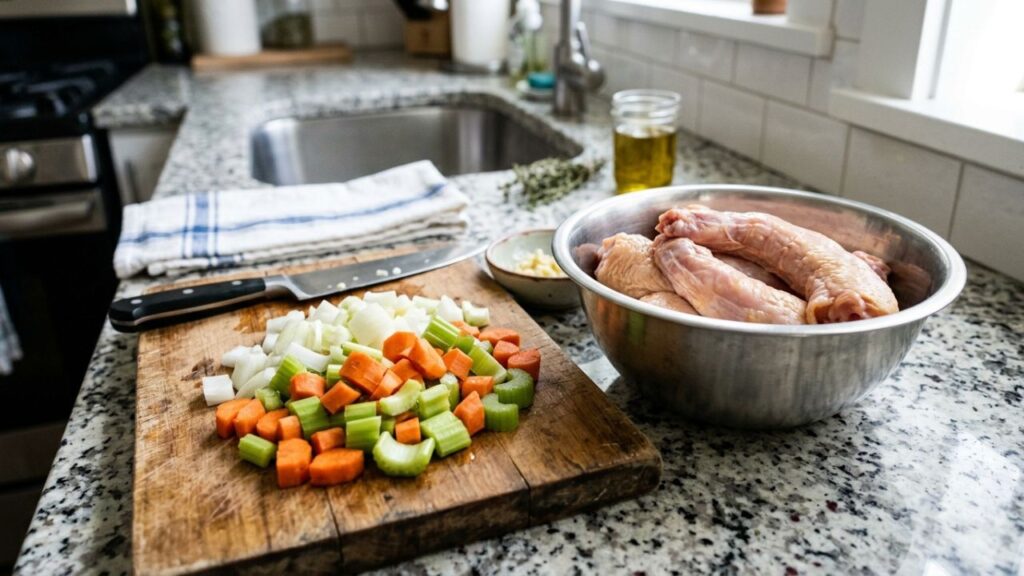
 Raw chicken necks with onions, garlic, and herbs.
Fresh ingredients and proper prep enhance flavor.

Ingredients Guide for Chicken Necks

Choosing Fresh Chicken Necks

Choosing fresh chicken necks is important for achieving the best flavor. Fresh chicken necks should appear pale pink with no gray coloring or strong odor. They should feel moist but not slippery.

Preparing Ingredients Properly

Before cooking, rinse the chicken necks under cold water and pat them dry carefully. Dry surfaces help create better browning during cooking, which adds deeper flavor to the dish.

Herbs and Aromatics That Improve Flavor

Onions, garlic, celery, carrots, thyme, and bay leaves all pair especially well with chicken necks. These ingredients help balance the richness and create a fuller broth.

Budget-Friendly Pantry Additions

For cooks working within a budget, pantry staples such as tomato paste, black pepper, bouillon powder, and soy sauce can strengthen flavor without making the recipe complicated.


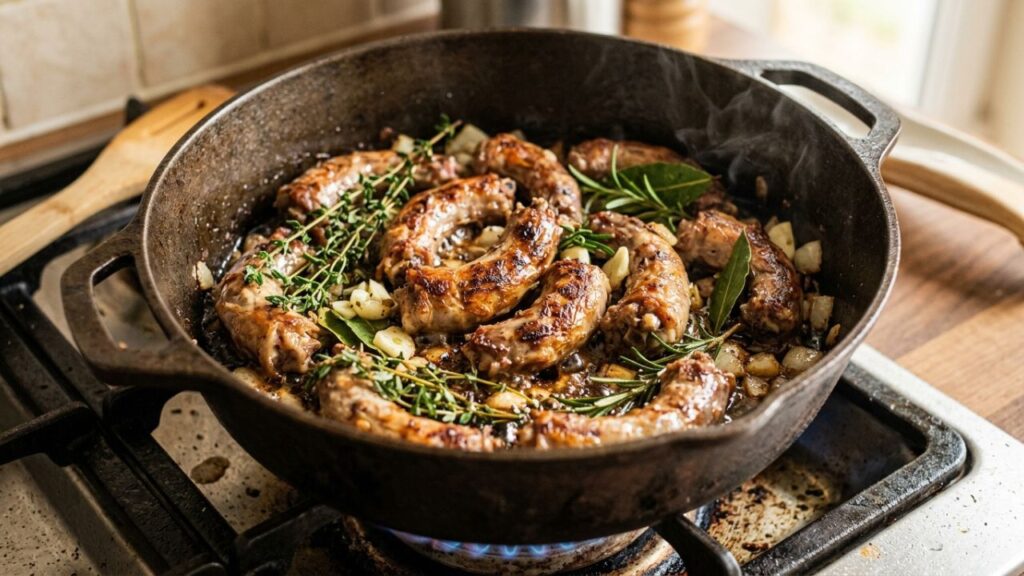
Chicken necks browning in a pot with vegetables.
Browning and slow simmering bring out rich flavors.

Step-by-Step Cooking Method

Browning the Chicken Necks

Start by heating a large heavy-bottomed pot over medium heat and adding a small amount of cooking oil. Once the oil is warm, place the chicken necks into the pot and brown them slowly on all sides until they develop a deep golden color. This process helps build richer flavor while creating browned bits at the bottom of the pot that later strengthen the broth and give the finished dish a deeper homemade taste. For a similar approach with roasting meats, check out How to Cook a Perfect Pikes Peak Roast at Home this guide covers roast beef cuts, ovens, roasting pans, and spice rubs to maximize flavor.

Cooking the Vegetables and Seasonings

After the chicken necks are browned, add sliced onions, garlic, celery, and carrots into the pot. Allow the vegetables to soften gradually until the onions become lightly golden and the kitchen fills with a warm savory aroma. Stir in tomato paste along with your preferred seasonings before pouring in broth or water, then scrape the bottom of the pot gently so all the browned flavor mixes into the cooking liquid.

Simmering for Tender Texture

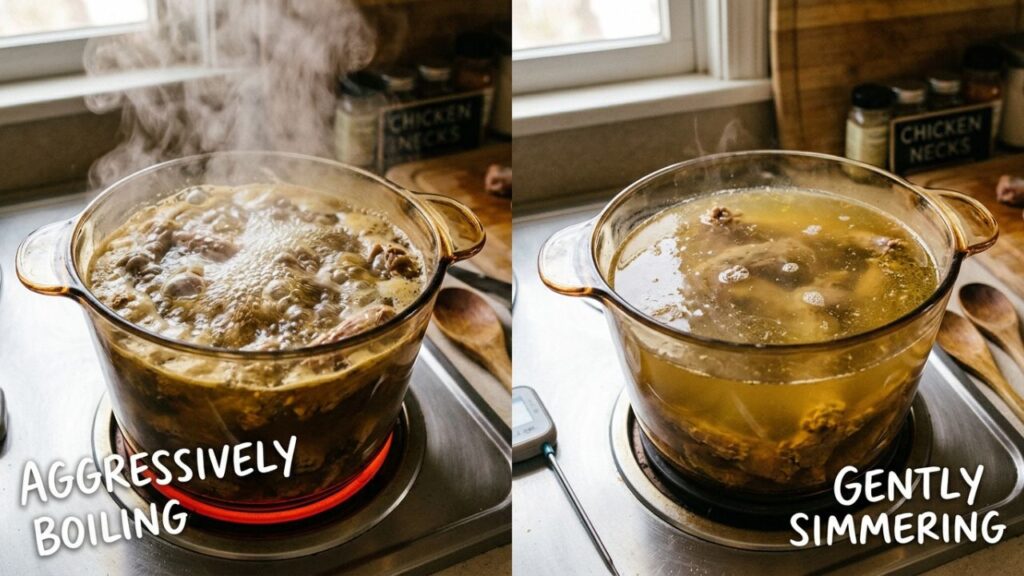
Bring everything to a gentle simmer instead of a strong boil, then partially cover the pot and cook for around one and a half to two hours. Slow cooking allows the connective tissue to soften properly while helping the broth become smoother and more flavorful. The chicken necks are ready when the meat pulls away from the bone easily and the broth develops a slightly glossy appearance with a rich comforting aroma.

Adjusting the Final Flavor

Taste the broth near the end of cooking and adjust the seasoning if needed to create a balanced flavor. If the broth feels too thin, allow it to simmer uncovered for a few extra minutes until slightly reduced. Some home cooks also like adding potatoes, peppers, or noodles during the final stage of cooking to turn the dish into a heartier one-pot meal suitable for family dinners.

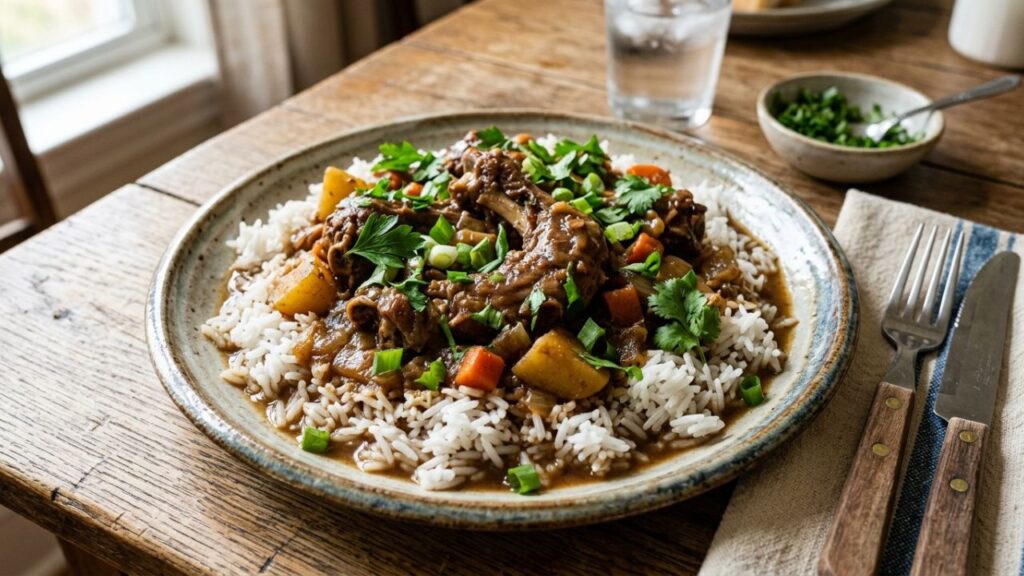
Chicken necks served over rice with parsley.
Pair chicken necks with rice, mashed potatoes, or bread for a hearty meal.

Serving Suggestions for Chicken Necks

Best Side Dishes

Chicken necks pair especially well with simple, comforting side dishes that can absorb the rich broth. Warm rice is one of the most common choices because it soaks up the sauce beautifully and creates a filling meal. Mashed potatoes and buttered noodles also work very well, as they complement the soft texture and savory flavor of the dish. These pairings help turn the dish into a complete and satisfying home-style dinner.

Light Pairings for Balance

For a lighter serving approach, roasted vegetables or warm crusty bread make excellent companions. These options help balance the richness of the broth while still allowing its deep flavor to shine. Adding fresh herbs on top, such as parsley or green onions, can also bring a fresh contrast that brightens each bite.

Serving for Gatherings

When serving chicken necks for family gatherings, it works best to present them in a large pot placed in the center of the table. This creates a shared, comforting dining experience where everyone can serve themselves easily. The aroma alone often makes the dish feel warm and welcoming, encouraging a relaxed, home-style atmosphere around the table.

Using Leftovers Creatively

Leftover chicken necks can easily be transformed into new meals the next day. They work well in simple soups, rice bowls, or even mixed with noodles for a quick and flavorful dish. The broth often becomes even richer after resting overnight, making leftovers just as enjoyable as the original meal.


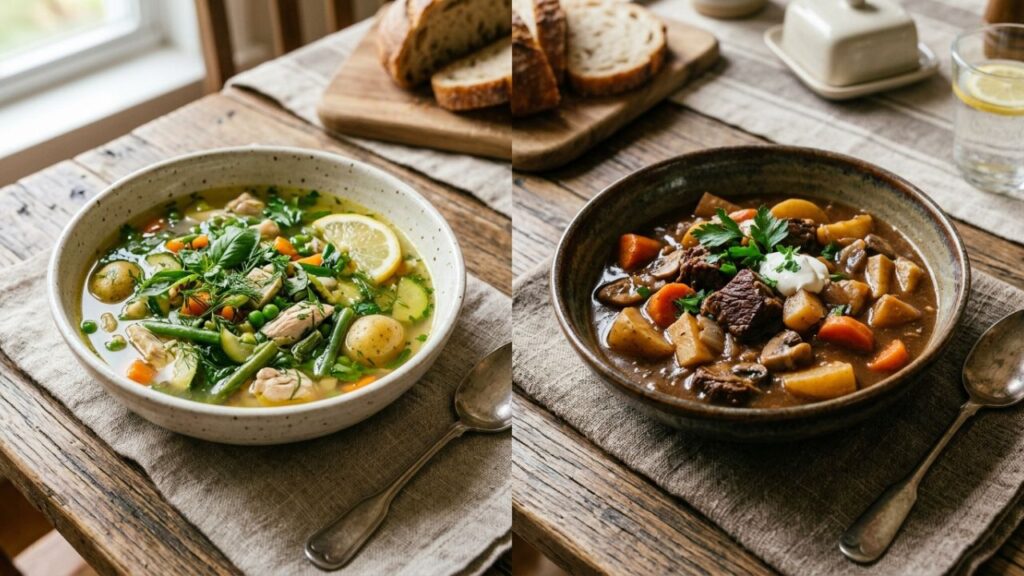
Two styles of stew for different seasons.
Adapt chicken neck dishes with light herbs in summer or hearty vegetables in winter.

Seasonal Variations for Homemade Meals

Fresh Spring and Summer Versions

In warmer months, lighter ingredients help keep the dish refreshing. Fresh herbs like parsley, cilantro, or green onions can lift the flavor and make the broth feel brighter. A small squeeze of lemon juice at the end also helps balance the richness and adds a clean, fresh finish that works well in summer-style meals.

Warm Fall and Winter Comfort Meals

During colder seasons, chicken necks are perfect for richer and more comforting dishes. Ingredients like potatoes, carrots, smoked paprika, and thicker broth-style gravies create a warm, hearty meal ideal for winter evenings. These deeper flavors make the dish feel more filling and comforting when the weather turns cold.

Holiday and Family Dinner Ideas

For holiday meals or special family dinners, chicken necks can be served alongside rice, bread, or stuffing-style sides. The broth can also be used as a base for homemade gravy, adding extra depth to festive dishes. This makes it a practical yet flavorful addition to larger meals where comfort food is the focus.

Refreshing Leftovers the Next Day

Leftovers from chicken neck dishes can easily be refreshed into new meals. Adding extra vegetables or noodles can turn them into a completely new soup, while a bit of seasoning adjustment can transform them into a quick stew. This flexibility makes chicken necks a useful ingredient for planned leftovers and easy next-day cooking.


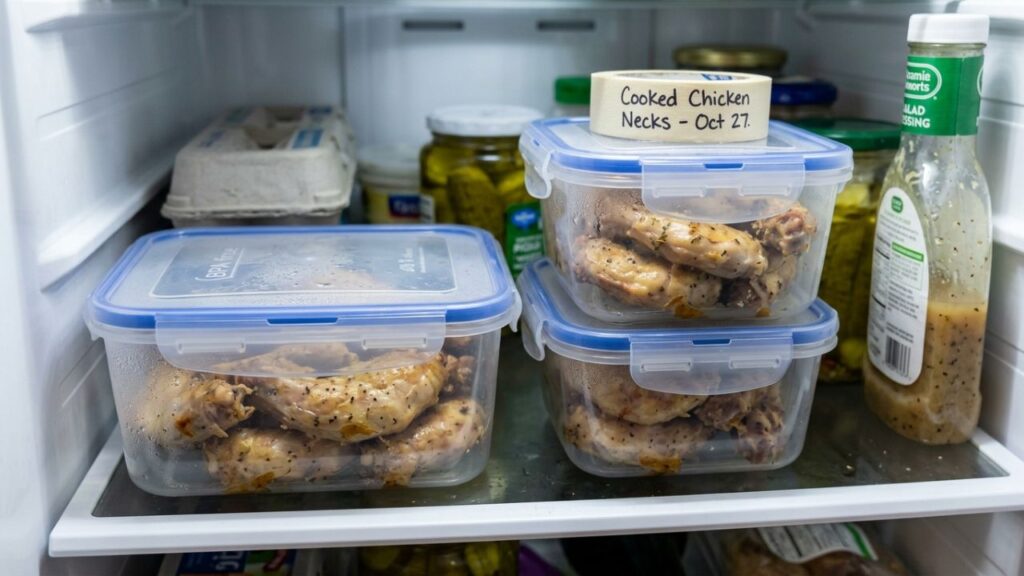
Stored stew in airtight containers.
Proper storage and gentle reheating keep chicken necks fresh and flavorful.

Storage and Reheating Tips

Proper Refrigeration Methods

After cooking, it is important to let chicken necks cool down naturally before placing them in storage containers. This helps prevent excess moisture buildup, which can affect both texture and flavor over time. Once cooled, transfer the chicken necks along with their broth into airtight containers to keep them fresh and prevent odors from mixing with other foods in the refrigerator. Properly stored, they can safely last for up to four days while maintaining good taste and quality.

Freezing for Longer Storage

If you want to keep chicken necks for a longer period, freezing is a very practical option. Divide them into smaller portions so they are easier to thaw and reheat later without waste. Use freezer-safe containers or sealed bags to protect them from freezer burn and preserve their flavor. Labeling each container with the date is also helpful, as it allows you to track freshness and use them within three months for the best quality.

Best Reheating Techniques

When reheating chicken necks, patience is important to maintain their tender texture. The best method is to warm them slowly on the stovetop over low to medium heat. This gentle reheating helps the meat stay soft and prevents the broth from becoming too concentrated or oily. Avoid boiling them aggressively, as high heat can make the meat tough and reduce the overall quality of the dish.

Food Safety Guidance

Always make sure leftovers are heated thoroughly before serving to ensure they are safe to eat. The dish should be steaming hot all the way through, especially when reheating from frozen. It is also important not to reheat the same portion multiple times, as repeated heating can affect both safety and texture. Proper handling ensures the dish remains both delicious and safe for consumption.


 Overcooking in a boiling pot.
Avoid high heat and overcrowding to maintain tenderness and flavor.

Common Cooking Mistakes to Avoid

Cooking Over High Heat

One of the most common mistakes when preparing chicken necks is using high heat throughout the cooking process. While it may seem faster, high heat often leads to tough meat and less flavorful broth. Slow simmering is always better because it allows the connective tissue to break down gradually, creating a tender texture and richer taste.

Underseasoning the Broth

Another frequent issue is not using enough seasoning. Since chicken necks naturally produce a rich and savory broth, they still need proper seasoning to bring out their full flavor. Adding salt, pepper, herbs, and aromatics at the right stages helps balance the dish and prevents it from tasting flat or dull.

Skipping the Browning Step

Skipping the browning process can significantly affect the final result. Browning adds depth, color, and complexity to the dish that cannot be achieved later during cooking. Without this step, the broth may taste weaker and lack the rich homemade flavor that makes chicken neck dishes so satisfying.

Overcrowding the Cooking Pot

Overcrowding the pot during browning is another mistake that can reduce flavor quality. When too many pieces are added at once, they release moisture instead of browning properly. This prevents caramelization and leads to less flavorful results. Cooking in batches ensures even browning and stronger overall taste in the final dish.


Frequently Asked Questions

1. How Long Should Chicken Necks Cook?

Chicken necks usually need about one and a half to two hours of gentle simmering to become fully tender. Slow cooking allows the connective tissue to soften properly while helping the broth develop a richer and smoother texture. Cooking them too quickly over high heat may leave the meat slightly tough.

2. Can Chicken Necks Be Cooked in a Slow Cooker?

Yes, chicken necks work very well in a slow cooker because low heat helps develop deeper flavor over time. Most recipes cook best on low heat for six to eight hours, allowing the broth to become rich while keeping the meat tender and moist throughout the cooking process.

3. Do Chicken Necks Make Good Broth?

Chicken necks are excellent for homemade broth because the bones and connective tissue release natural gelatin during simmering. This creates broth with a fuller body, deeper flavor, and smooth texture that works especially well in soups, gravies, and comforting homemade meals.

4. Can Cooked Chicken Necks Be Frozen?

Cooked chicken necks can be frozen successfully for several months when stored properly in airtight freezer-safe containers. Allow the dish to cool completely before freezing so the texture and flavor remain as fresh as possible after reheating later.

5. What Sides Pair Best With Chicken Necks?

Chicken necks pair especially well with comforting side dishes such as rice, mashed potatoes, buttered noodles, roasted vegetables, or warm bread. These sides absorb the rich broth nicely and help create a balanced, filling homemade meal suitable for family dinners.

6. Why Are My Chicken Necks Tough?

Tough chicken necks usually mean they need additional cooking time. Gentle simmering over low heat helps break down connective tissue slowly, which creates softer meat and smoother broth. Rapid boiling or rushing the cooking process can prevent the texture from becoming fully tender.


Conclusion

Chicken necks can be a simple yet satisfying addition to home-cooked meals when they are prepared with care and balanced ingredients. Slow cooking with fresh vegetables, light seasoning, and gentle simmering helps bring out their natural flavor while keeping the dish wholesome and comforting for everyday eating.

While I’m not a nutritionist, US physician Michael Greger often emphasizes that focusing on whole, minimally processed foods and mindful cooking methods supports overall health. Following this approach, chicken neck dishes can be enjoyed as part of a balanced diet when paired with vegetables and healthy side dishes, showing that simple homemade meals can be both nourishing and deeply satisfying.

.


About the Author

Oliver Brooks is a passionate food writer and home cook who enjoys sharing practical kitchen guides inspired by traditional comfort meals. His cooking style focuses on approachable recipes, slow-cooked flavor, and simple ingredients that fit naturally into everyday home kitchens. Much of his inspiration comes from family-style cooking and the belief that good food should feel both comforting and achievable.

Leave a Comment

Your email address will not be published. Required fields are marked *

Scroll to Top